
The weather forecast calls for some rainfall, but it won’t come close to what is probably needed to give waterfowl the best conditions on the Arkansas Delta. That big, 6- to 8-inch deluge that typically arrives in late winter in recent years to finally drench the landscape and give the waterfowl a lot more options has yet to show up in 2025-26.
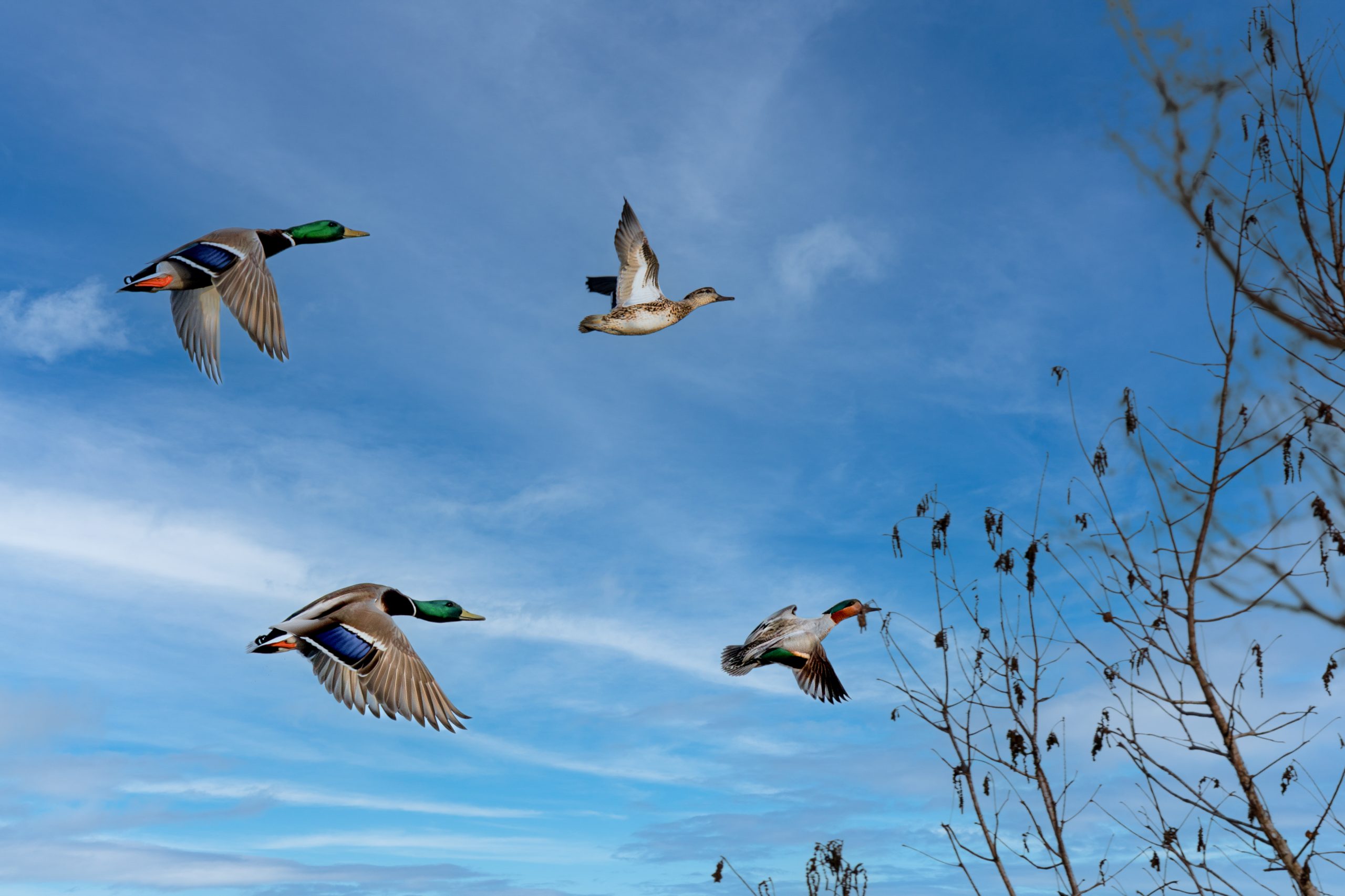
Trey Reid, the Arkansas Game and Fish Commission’s host of “Arkansas Wildlife TV” and the voice on a variety of weekly radio and TV appearances for the agency, said Wednesday morning on an appearance on KABZ-FM, 103.7 “The Buzz” that there are ducks being harvested, but there just isn’t enough water around to spread the ducks out and make it a good harvest all over. Ducks have been concentrated in pockets in the Delta, as was evident to the AGFC’s aerial survey crew of biologists for the December estimate of the state, which wasn’t completed until Dec. 23 due to weather and equipment issues.
Central Arkansas may see less than a half-inch of rainfall over the two days, according to the National Weather Service. Of course, amounts could vary from the north end of the Delta to the south.
There are anecdotal signs of hunting success, just by checking out social media. And one telltale sign that hunters are enjoying some success, at least on a scale better than last year, is the lack of complaining we’re seeing on social media these days about the hunting. Actually, there seems to be a lot of quiet on the prairie these days.
Migration maps that indicate waterfowl observations based on biologist reports and other data showed a strong amount of ducks counted and/or estimated in eastern Arkansas near the Mississippi River, which falls in line with the aerial survey results that were released last week by Brett Leach, the AGFC’s waterfowl program coordinator.
Speaking of surveys, Leach and other agency waterfowl biologists were scheduled to fly this week for the annual mid-winter waterfowl survey. Those results could be available later next week, though any flying still needed this week might have to wait if the weather turns bad on Thursday and Friday.
The late December estimate of mallards in the Delta by the aerial count was nearly 500,000 birds, a big jump over the December 2024 estimate. January’s midwinter survey is when the mallard numbers typically peak in Arkansas. Leach noted in his report, published last week, that birds were clumped in areas around limited water sources, and that this introduced greater uncertainty into the estimate.
Four areas contained the most significant number of mallards seen: the Bayou Meto-Lower Arkansas River, Big Creek in eastern Arkansas, the Cache River and the L’Anguille River areas. These survey zones accounted for 79 percent of the Arkansas Delta mallard estimate and 76 percent of the total duck estimate. Also, the Black River-Upper White River survey area had a relatively high total duck estimate of 106,953 birds. And, most notably, the Big Creek zone in eastern Arkansas had 429,157 total ducks, which made up 29 percent of the total duck estimate.
Total ducks in the Delta were 1.4 million. Arctic geese were estimated at more than 2 million.
This is all within a region classified as in moderate to severe drought. Observed rainfall totals in November and December were about 62 percent below normal in central Arkansas, and it’s still dry a week into January.
To see the latest survey and the maps of duck distribution around the state, click HERE.

- Paid Advertisement -





- Paid Advertisement -