


Scott County native Regina Edwards sees farming as more than a livelihood—it’s a calling. Most days, she is hard at work caring for crops and livestock on her family farm. Other times, she can be found volunteering, sharing both the history and the rewards of a life deeply connected to the land.
“I want others to understand where their food comes from, and also the resilience it takes to work the soil,” Edwards said. “It’s not just about farming—it’s about heritage, family, and community.”
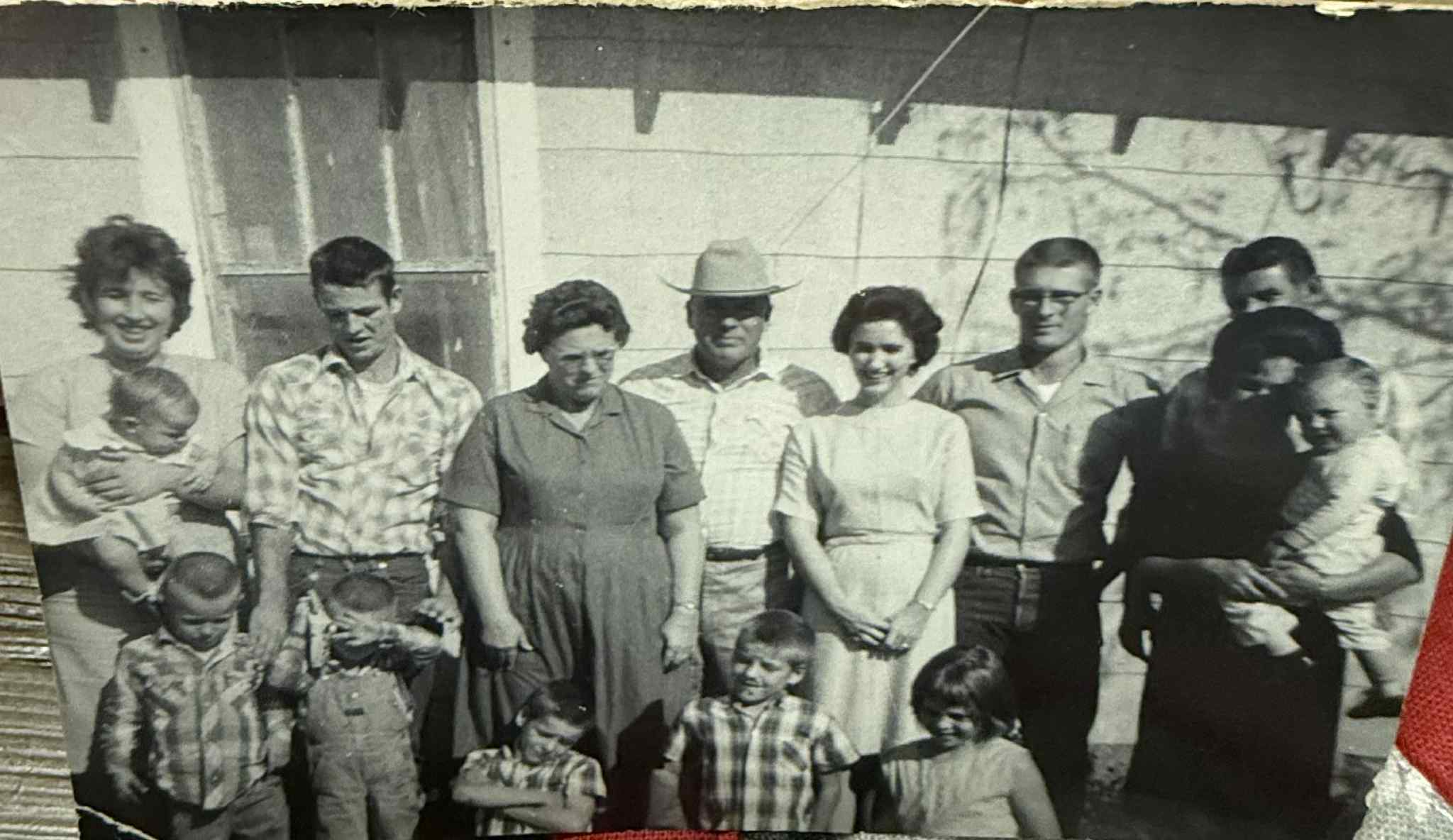
That heritage runs deep in Edwards’ bloodline. Her passion for the land is one inherited from generations before her, including her great-grandfather, W.C. Edwards, a Huntington farmer whose life was featured in the Southwest Times Record in 1973.
The article, titled “Wintertime and No Shoes,” told the story of W.C. Edwards, who was born in 1878 near Charleston, the son of an English immigrant. At the time of the feature, he was 95 years old and living in Huntington, still planting a small garden behind the Wilson Nursing Home.
Edwards’ memories, recorded in the article, painted a vivid picture of farm life in the late 1800s and early 1900s. He recalled raising cotton for just a few cents a pound, losing crops to sudden downpours, and selling eggs for 5 or 10 cents a dozen. He remembered hauling timber to the mines in Huntington and being paid in gold, as well as witnessing the devastation of the great Fort Smith tornado.
“Wintertime and no shoes was hard going,” he said in the 1973 interview. “I’ve had more downs than ups, but I’ve tried to live straight all my life.”
Despite hardship, W.C. Edwards raised ten children with his wife, Mabel White, and passed down a philosophy of hard work, patience, and faith—values that remain alive in his descendants today.
For Regina Edwards, history isn’t just something to study—it’s a way of life she, and other members of the Edward’s family work to embody and pass along. Her message highlights how food production has evolved, while emphasizing the timeless lessons of sustainability, resilience, and gratitude.
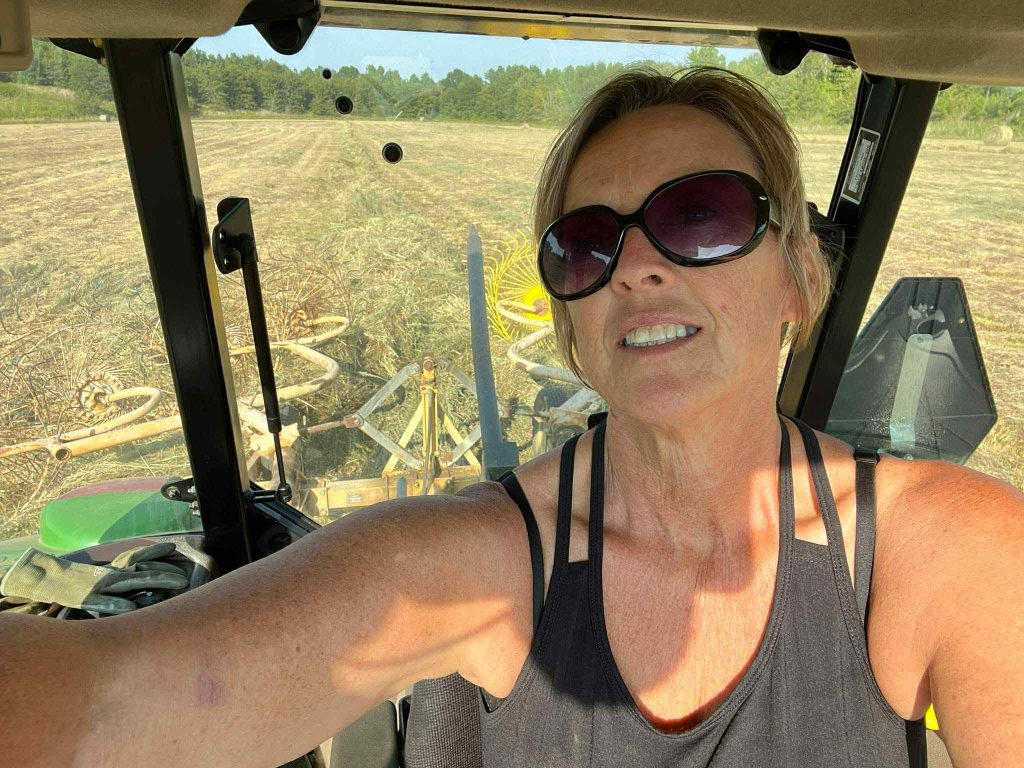
“Farming has always required creativity and grit,” she explained. “My great-grandfather worked with almost nothing, and yet he built a life for his family. That’s the kind of perseverance I want young people to know they can carry with them.”
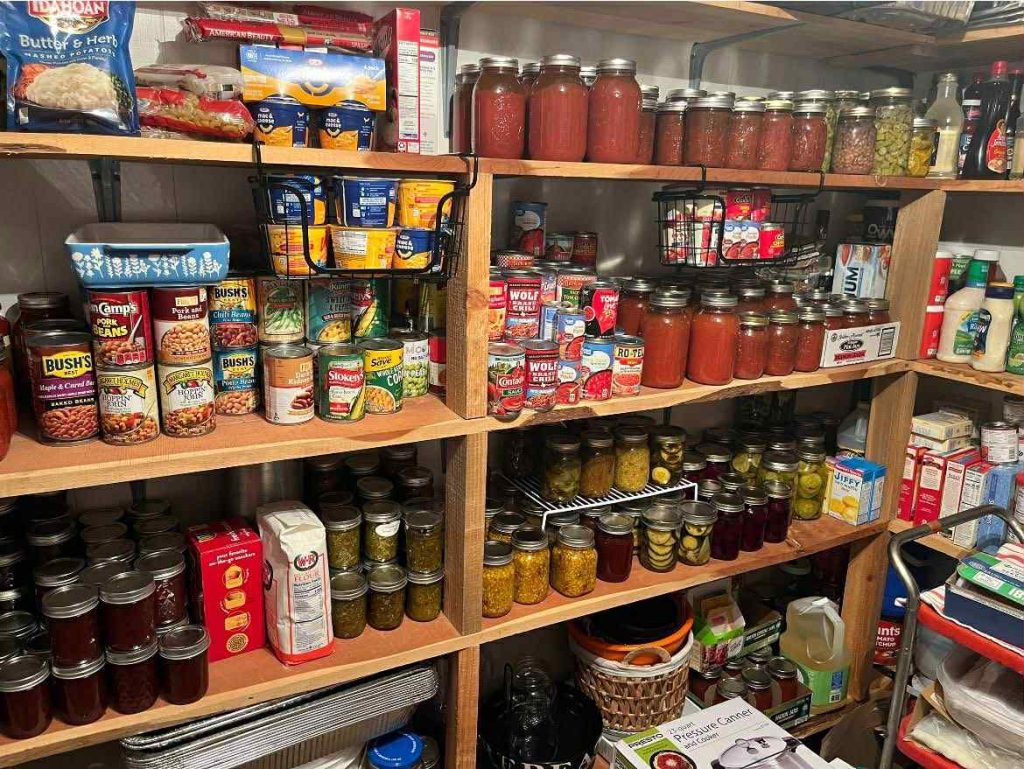
Preservation, for Edwards, goes beyond jars of canned goods and hours of labor. She continues to bridge past and present, honoring her family’s heritage while inspiring future generations to cherish the land beneath their feet.
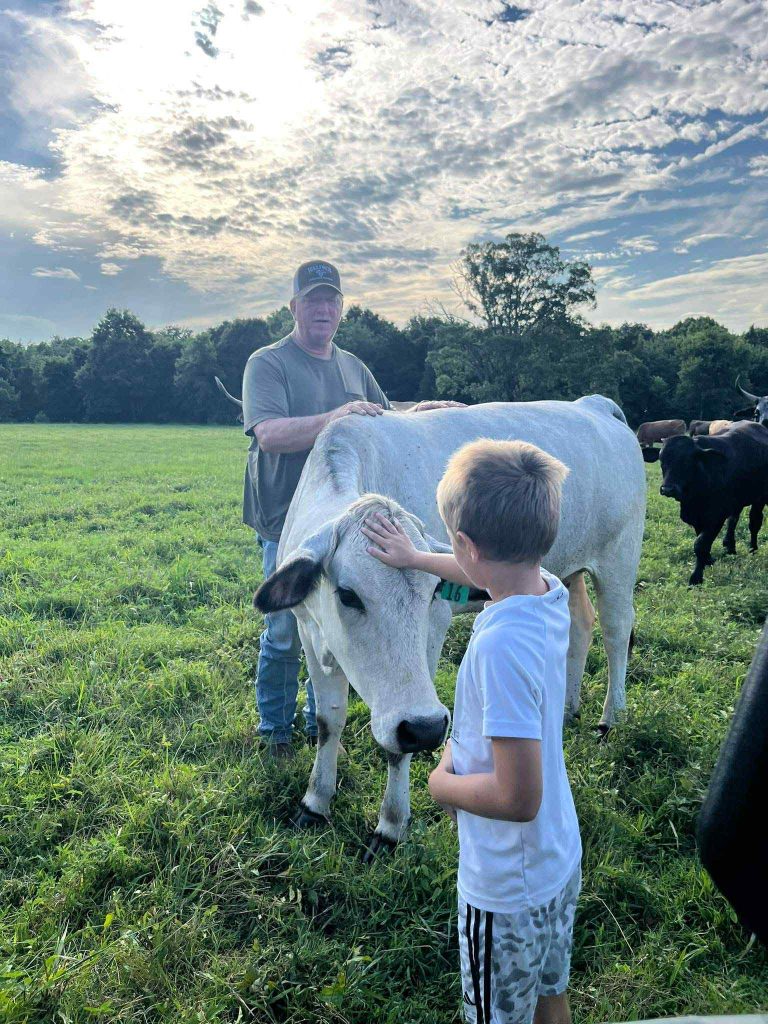
“It’s more than farming,” she said. “It’s a tradition and legacy…feeding our own families and/or the world.”