


The ’56 Ford pickup was our rolling home. Light blue and shiny, my father had constructed a frame covered by tarpaulin over the bed of the truck and my younger sister, brother, and I traveled in comfort on the mattress on the floor.
In the early spring, we departed from our home near Scranton, Arkansas. My dad had picked up odd jobs working at the saw mill owned by his uncle or working at the rock quarry pulling and cutting sandstone rock. Both were similar in that they were sporadic, hard labor, and offered poor pay of less than fifty dollars per week. Better salary awaited in Lonoke County working in the cotton fields but it meant finding a new home, going to a new school, and long hours plowing and preparing the fields for the cotton crop.
Dad had experience. From an early age, my grandfather had made the same circuit; traveling to the delta to work the cotton fields and uprooting his large family of boys to accompany him. The first few years, a flat-bed truck owned by the farm manager came to New Blaine and picked up willing workers and drove them to England AR. to work as field hands. One year, my grandfather took, not only his family, but his jersey cow who had just had a calf. Not wanting to leave the source of milk and butter, the cow was pulled upon the bed of the truck, tied down, and journeyed several hours east. They must have presented quite the spectacle as they passed through Little Rock with ten boys, my grandparents, their earthly belongings and a lone Jersey cow. A row house on the large farm awaited them when they arrived. My father was a good driver and could lay out a straight row with the tractor so he was given the job of plowing. Rows of cotton, some stretching out a distance of a half mile or more, were planted in the spring, hoed and weeded during the summer, and picked during the fall.
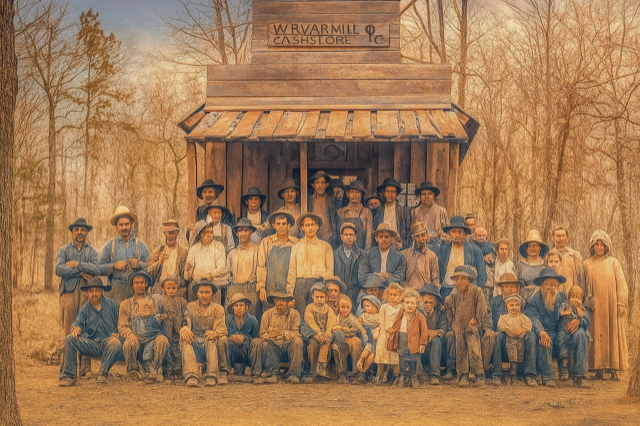
All was not work and toil. On the weekends, my dad was given the responsibility of taking the cotton wagon loaded with workers into town to spend the day visiting, buying groceries, or perhaps watching a movie. One year, my grandfather bought a section of sheet iron each week. When the harvest was over, the sheet metal was loaded back on the truck for the reverse trip home and the sheet metal used to roof the house and cover the old shingles that no longer prevented leaks.
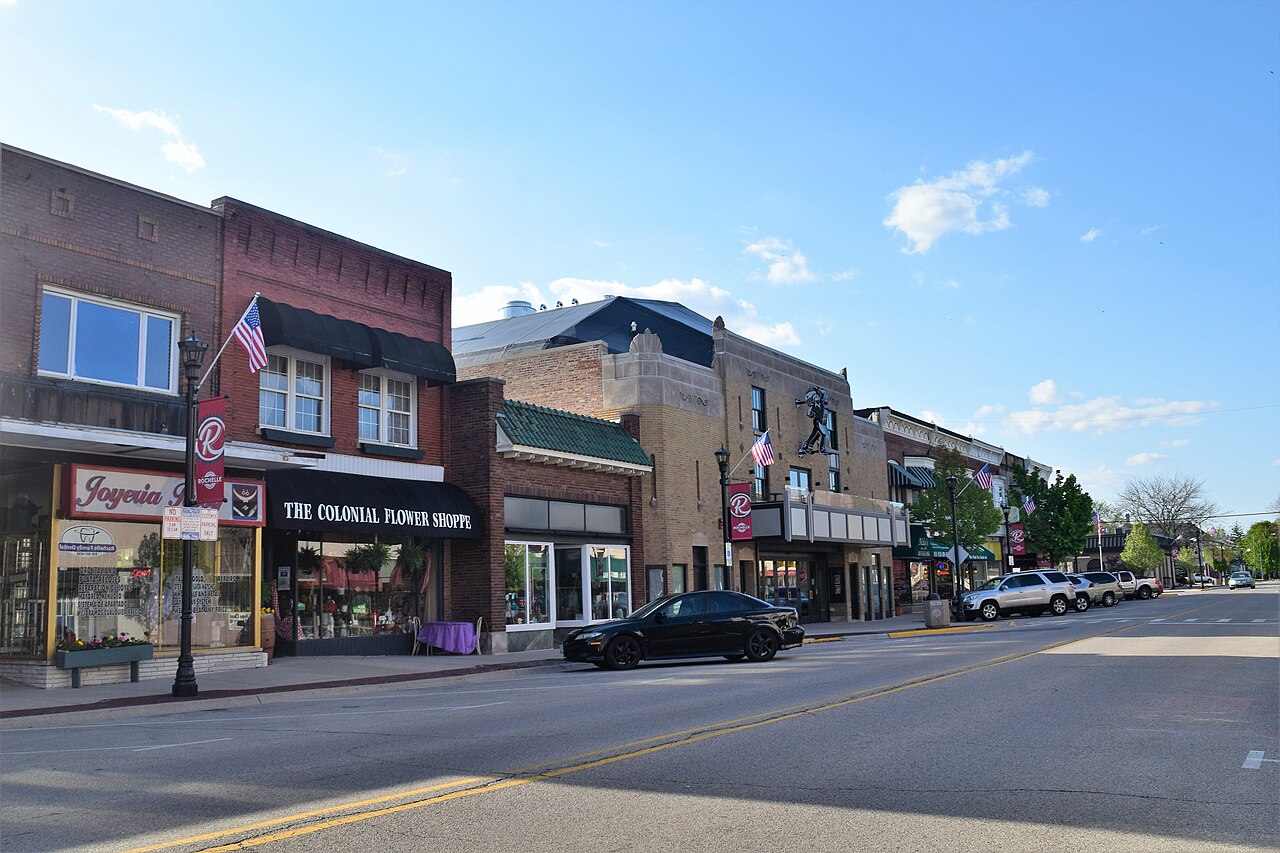
This year was different. My dad plowed the fields, I started school in England, AR., but as summer arrived, posters started appearing around town. Good paying jobs were available at Del Monte’s canneries in Rochelle, Illinois. The pay was good and one could work lots of overtime when the harvest came in. My dad and several of his brothers were ready for something new so off we traveled, each brother with their family and vehicle following each other like the wagon trains of the past. With limited funds, there were no restaurants or hotels. In fact, the first hotel I ever spent the night in occurred years later when employed as a teacher and sent to a conference. Meals were sandwiches and soft drinks at road-side parks with the rest stops also serving as places to rest and sleep.
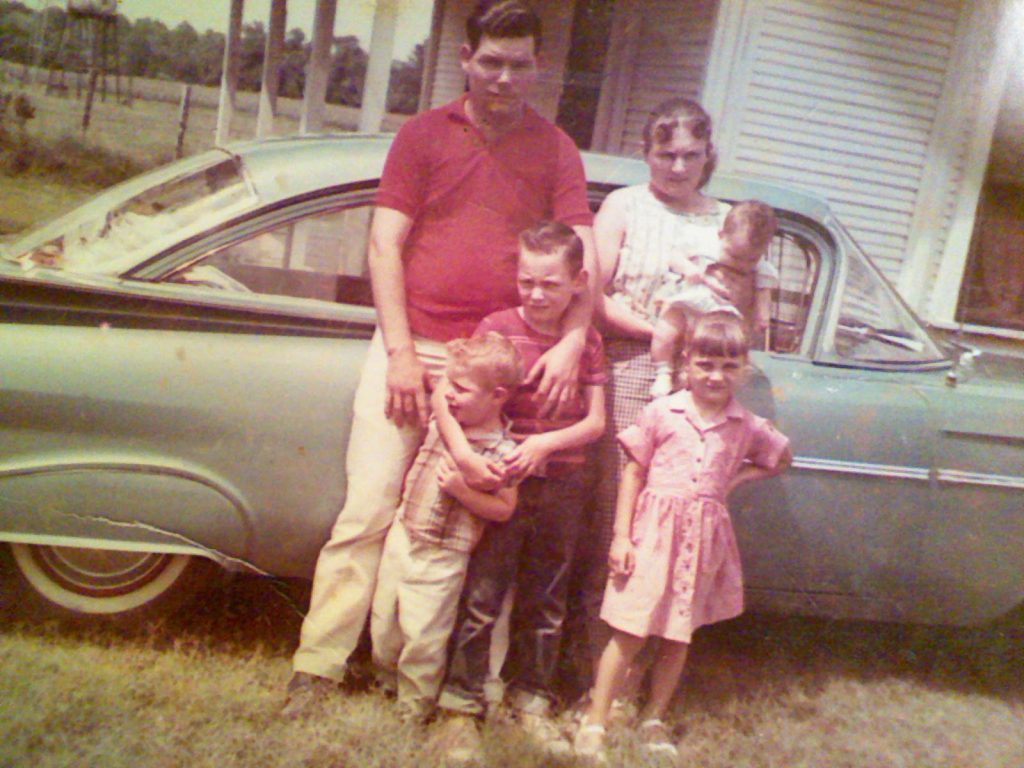
Arriving in Rochelle, all three of the men and two of the wives were immediately hired. My youngest aunt was the baby-sitter for the entire group. Getting a job before finding a home, we spent a couple nights in the park until one home was rented. All three families stayed in it until
two more homes opened up at the cannery row houses. Called Peter’s camp, camp was a pretty good description of the homes available. Clumped close together, poor migrants learned to function as a community and to work together.
For the next several years that was the cycle of life. Start to school in Paris, Arkansas, journey to England, Arkansas and a new school in the spring, and then spend part of the school year in Illinois. By the second year, we found a home in a nearby rural area of Flag Center, Illinois and Glenda and I went to a two-room, two teacher school that taught first through eighth grade. Later, the brothers found work in Garden City, Kansas which added another stop, another school, and new experience to our life.
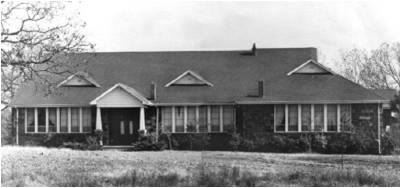
Eventually, my father found his calling and was a very successful car salesman as were several of his brothers. My siblings and I became a part of the Midway community and the Paris schools where I found teachers that, not only taught me subject matter, but also cared enough about us to assist in developing each of us into the person we became. Two doctorate degrees, a registered nurse, a successful businessman, and a beautician came from that family of migrant kids. Ask me why I can identify and teach kids from migrant and poor background- I was one of them! Ask me why I teach, look at the teachers and friends that shaped my life and tell me what better calling a person could have!