


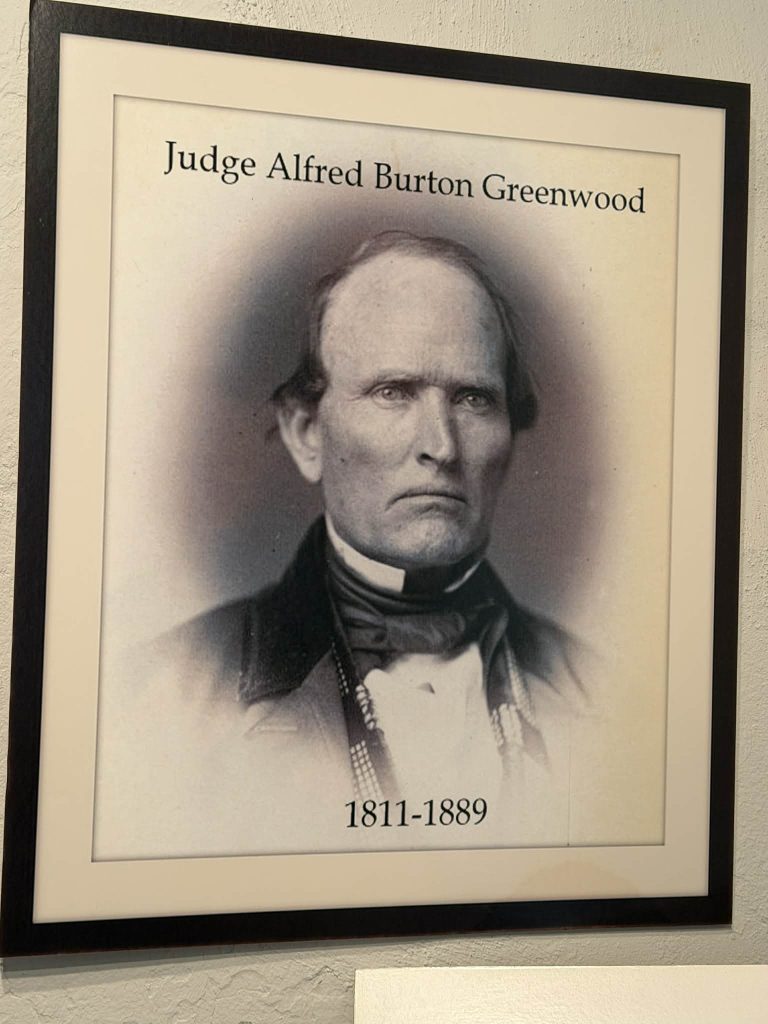
Long before the city of Greenwood became the thriving community it is today, its name was rooted in the life and legacy of a man whose story still echoes through history—Judge Alfred Burton Greenwood.
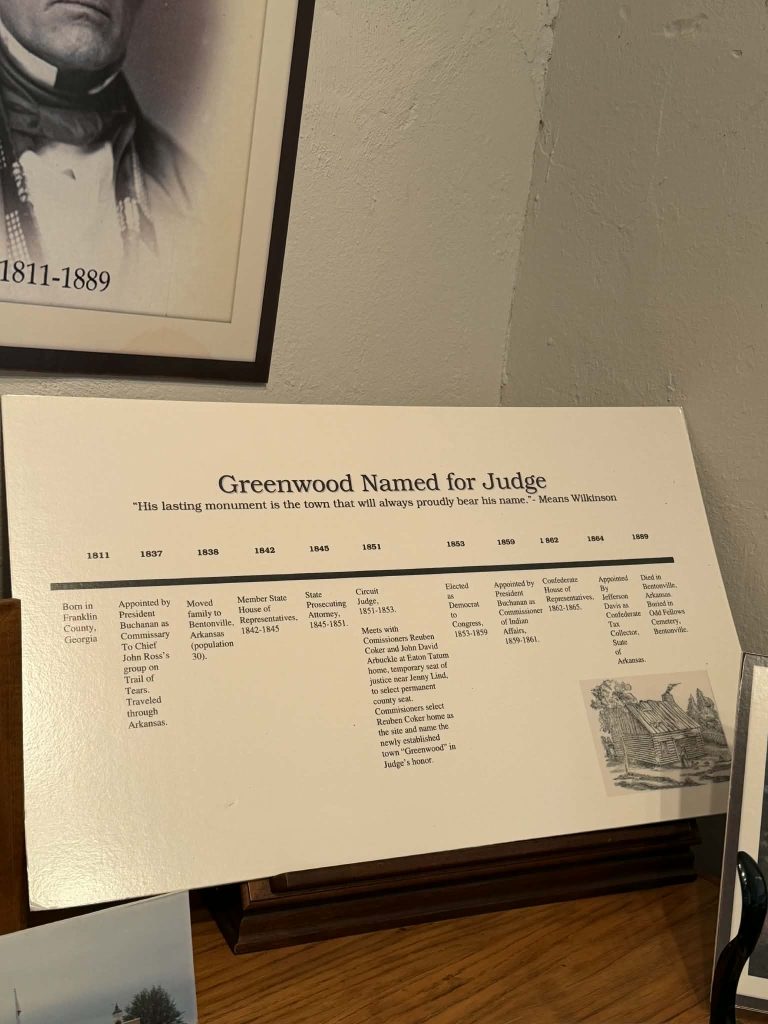
Greenwood was founded in 1851 when its location was selected as the first county seat of Sebastian County. The town was named in honor of Judge Greenwood, a respected figure in the legal system whose influence helped shape the early region.
The origins of Greenwood trace back to a time when communities were often named for individuals who played significant roles in their development. Judge Greenwood was one such figure—a man remembered not only for his work in the courts, but for the lasting mark his family left on the area.
Recently, that legacy came full circle.
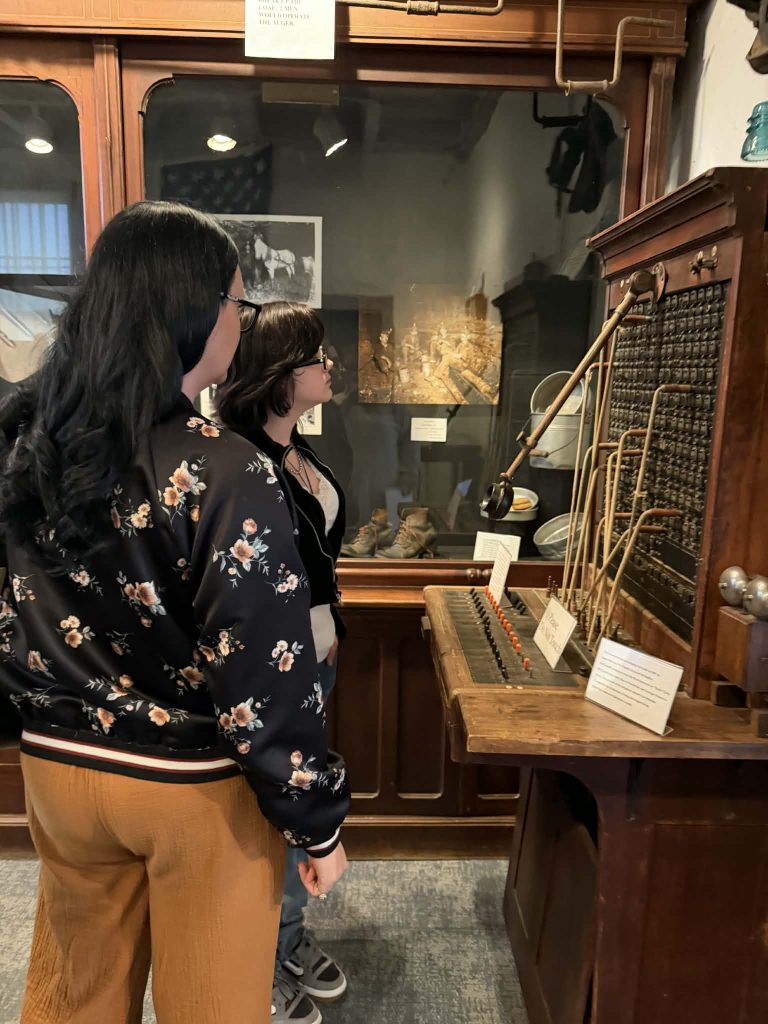
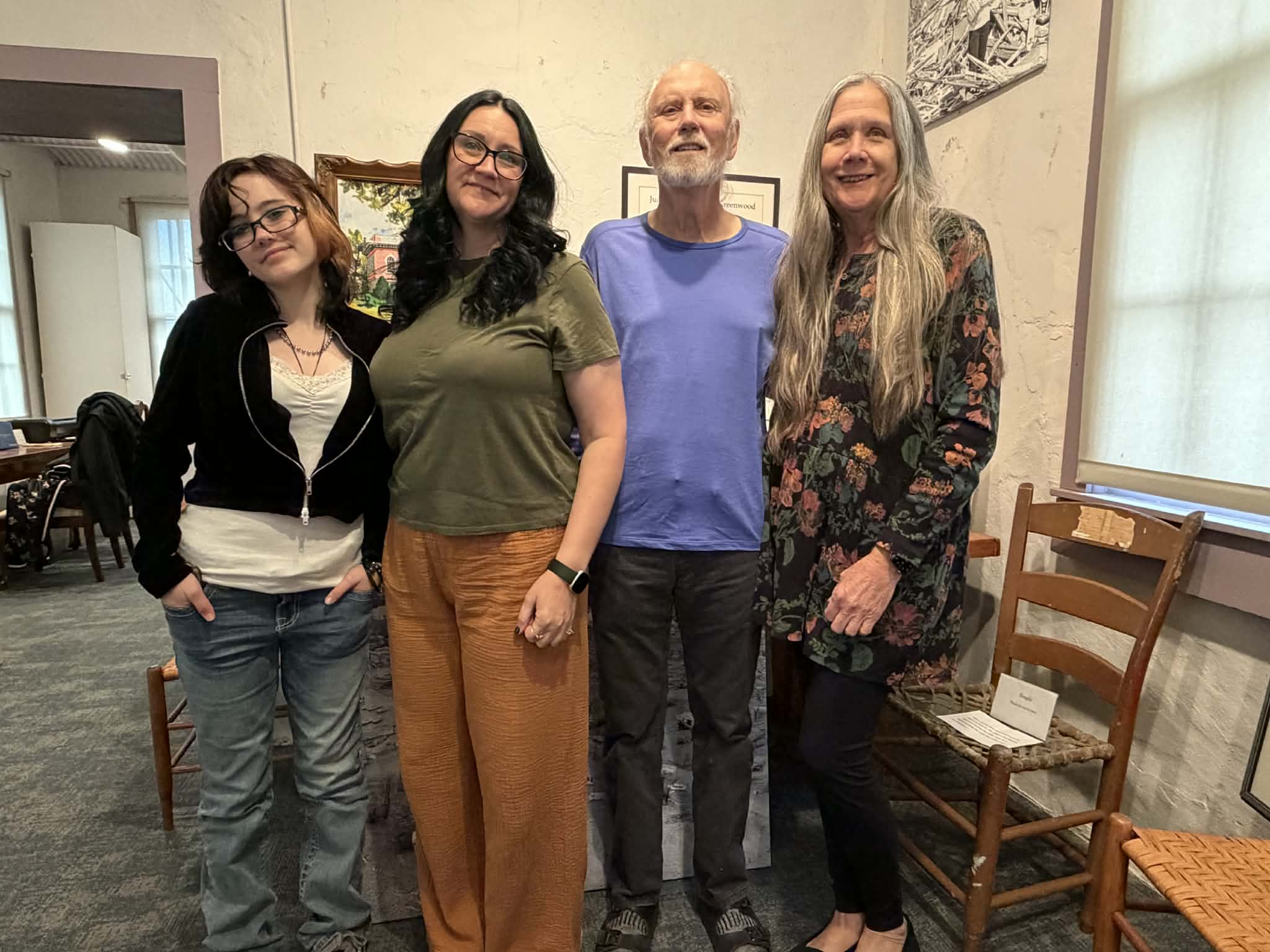
Descendants of the Greenwood family traveled from Dallas, Texas, on Wednesday, March 18, 2026, to walk the same ground their ancestor once knew. Duane Cox, alongside his wife Karen, daughter Angela Cox, and granddaughter Luka Munger, made a special visit to the South Sebastian County Historical Museum to experience firsthand the preserved history of their lineage.
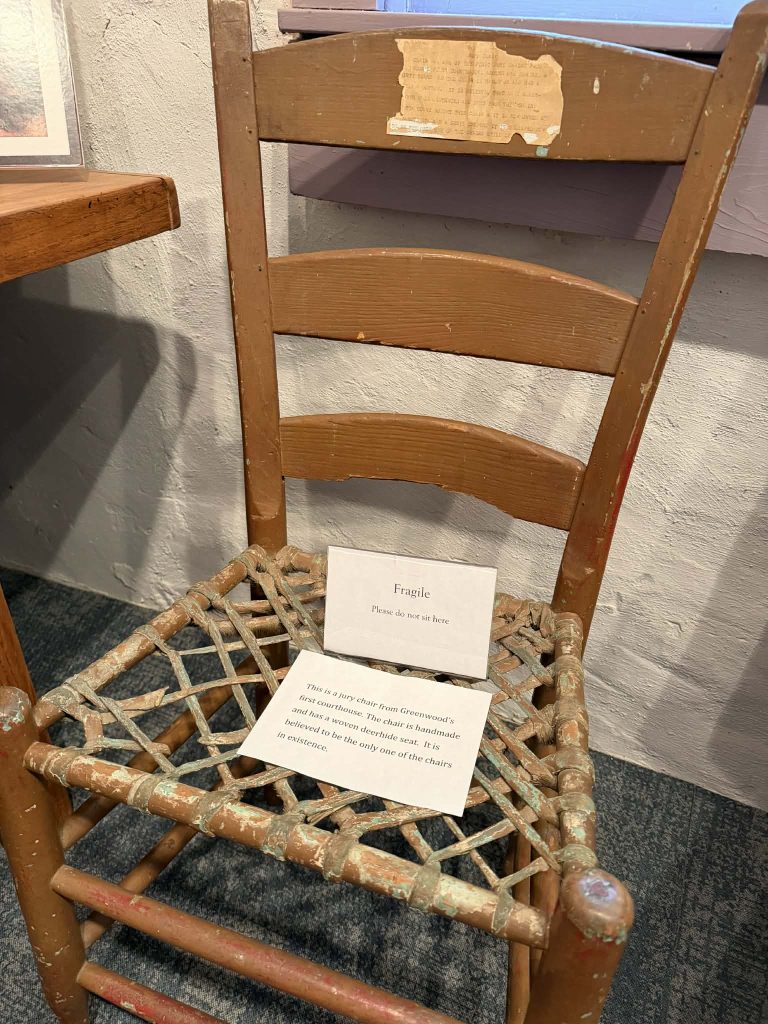
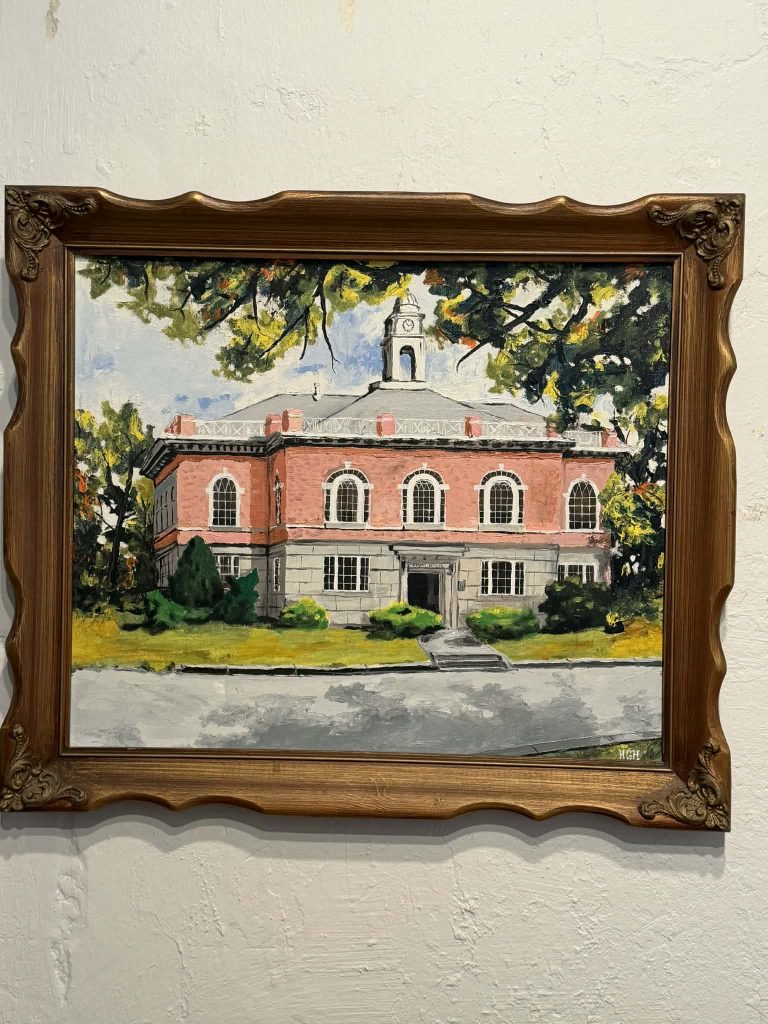
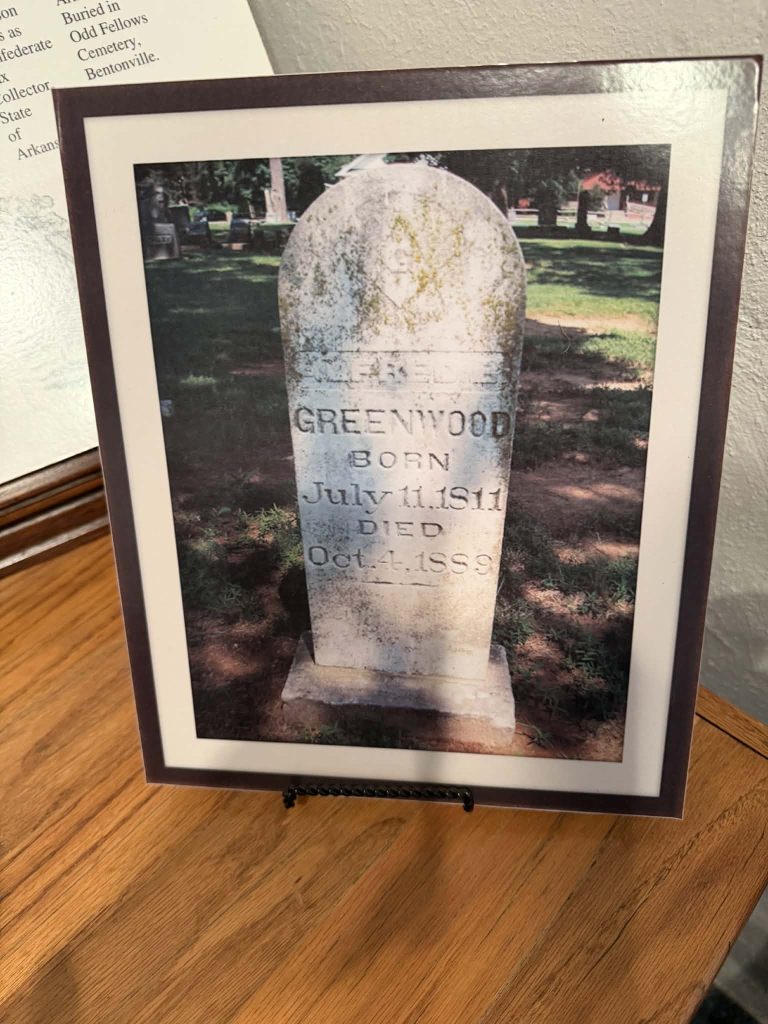
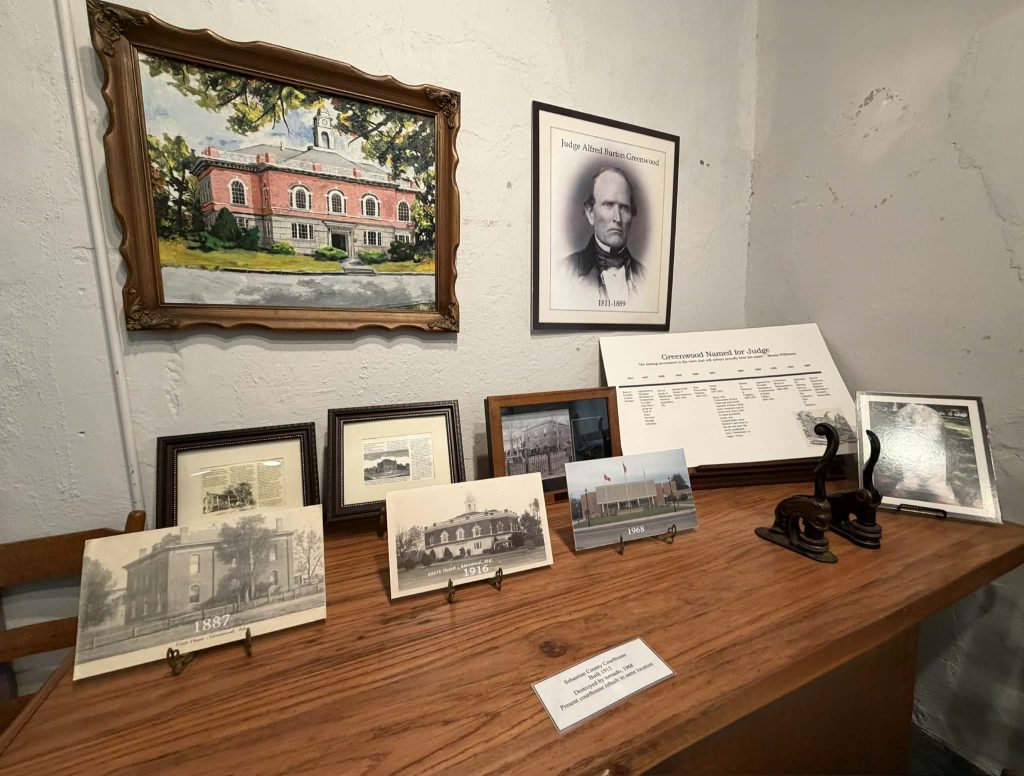
Inside the museum, pieces of the past tell a powerful story. Among the exhibits is an original jury chair, offering a tangible connection to a courtroom where justice was once deliberated in a very different era. Nearby, a photograph of Judge Greenwood’s headstone stands as a solemn reminder of the man whose name would endure far beyond his lifetime.
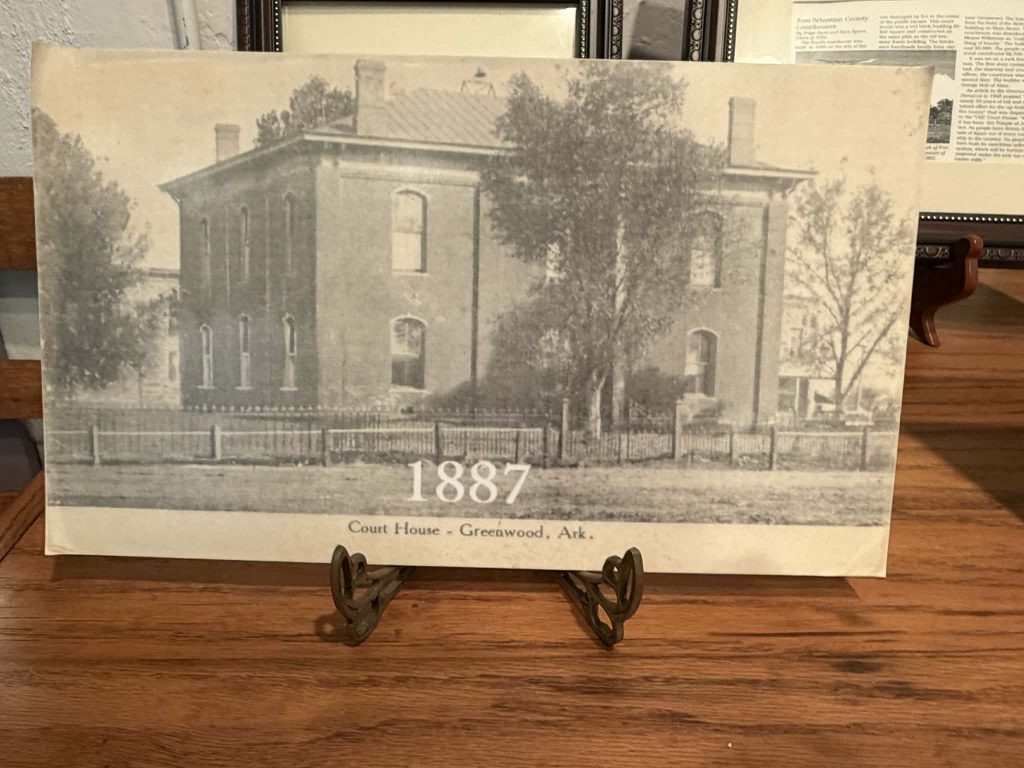
A portrait of the judge provides a face to the legacy—bringing humanity to a figure often known only through historical record—while a rare photograph of the Greenwood courthouse from the 1800s captures a glimpse of the town in its earliest days, when dirt streets and wooden structures defined the landscape.
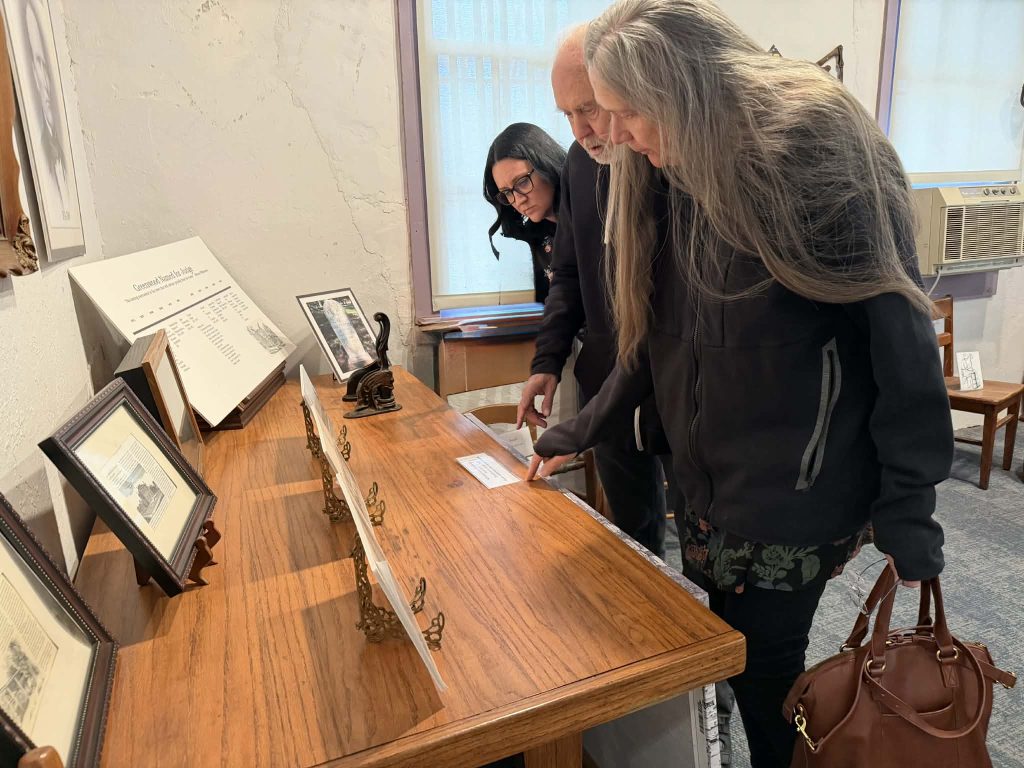
The Cox family wandered through the museum’s upstairs, surrounded by pieces of their past, standing in awe of the role their namesake played in shaping the city as we know it today.
For the Cox family, the visit was more than historical curiosity—it was deeply personal.
Angela Cox, a self-described lover of genealogy, shared that while researching her family roots, she came across a newspaper article that aligned with both her family name and the historical timeframe. The headline read: “A Child Kidnapped!”
The account dates back to October 10, 1881, when a public notice was issued from Bentonville, Arkansas. It detailed the abduction of an 18-month-old son of John Greenwood in Red River County, Texas, approximately 12 miles south of Walker’s Station.
Through her research, Cox identified Judge Alfred B. Greenwood as her fourth great-grandfather. While building her family tree, she discovered a gap—an apparent missing child, Evard (or E.) Greenwood, listed as a sibling to her second great-grandfather, Oscar Greenwood.
The timeline and details led Cox to believe that the child referenced in the 1881 article may, in fact, be her missing ancestor—an unsolved and deeply personal piece of her family’s history.
Through institutions like the South Sebastian County Historical Museum, stories like that of Judge Greenwood—and the lives connected to his legacy—are not lost to time, but instead continue to educate, inspire, and connect.
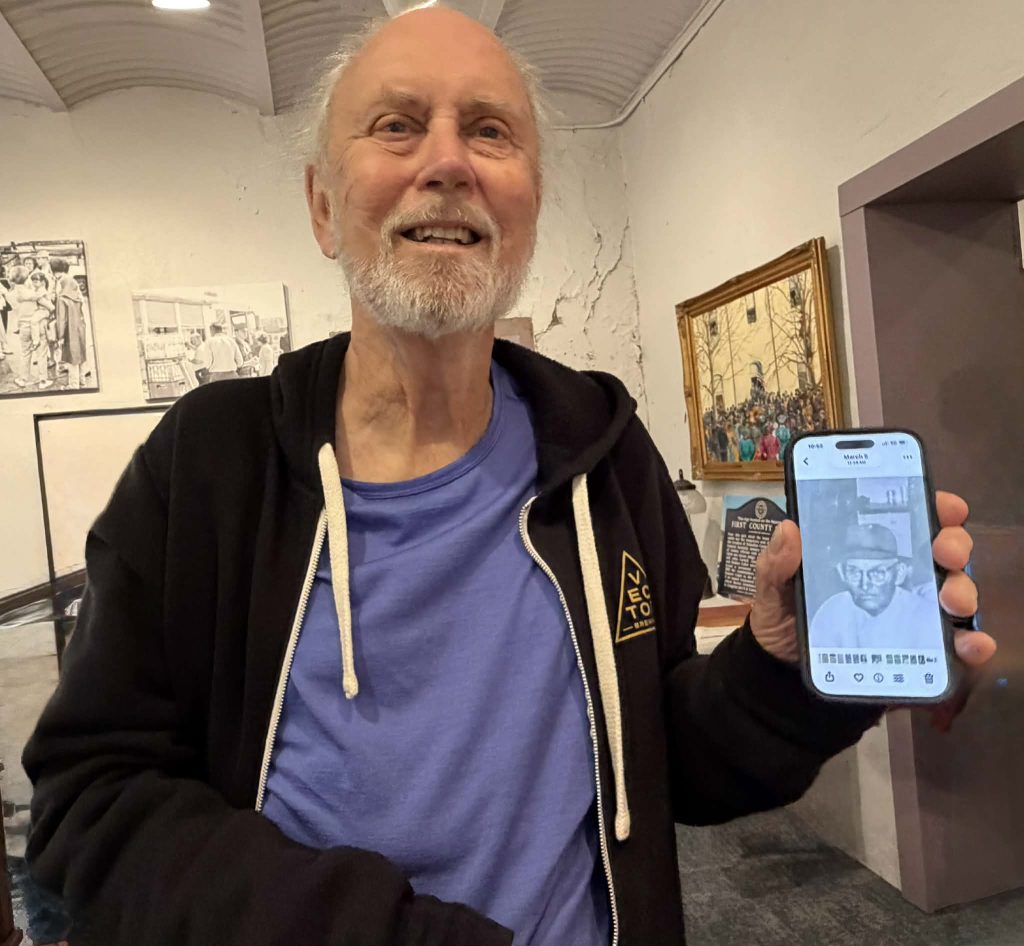
Greenwood today stands as a testament to growth and progress, but its foundation remains firmly rooted in the lives of those who came before. The name “Greenwood” is more than a label on a map—it is a living tribute to a legacy that continues to draw people back home, even generations later.
As descendants stand in the very place where history lives on display, one thing is clear: the story of Greenwood is not just about where it began—but about how it continues to be remembered.