


I recently had the wonderful opportunity to get to know a 30-year veteran of the news business. We have spent a great deal of time discussing our careers, the state of journalism, and the movie All the President’s Men—the story of two determined journalists whose reporting helped break the Watergate scandal wide open.
Those conversations have reaffirmed my commitment to my own career, to the principles of journalism, and to the work we do every day.
For nearly a year, I found myself doing what we eventually came to describe as “peeling back the layers of an onion.” The deeper I looked, the more questions emerged—and each answer seemed to reveal another layer that needed to be examined.
It all began with a statement someone made to me—one that, in my opinion, appeared to excuse potentially fraudulent behavior. I was torn. I could pretend I hadn’t heard it. I could ignore it and move on. Or I could start asking questions and look into it further. I contacted our owner and asked for his thoughts. His response has stayed with me ever since:
“If you don’t look into it and someone gets hurt or killed, you won’t be able to live with yourself.”
He was right.
So I started asking questions.
Not because I had already decided what the answers would be. Not because I had an agenda or a predetermined outcome. I started asking because that is what journalists are supposed to do when something doesn’t add up—ask questions, seek documentation, talk to the people involved, verify the facts, and follow those facts wherever they lead.
And once we started peeling back those layers, there was no responsible way to simply stop because what we were finding became difficult, uncomfortable, or unpopular.
What followed were months of phone calls, emails, records requests and conversations with state agencies and the Arkansas Attorney General’s Office. At one point, I was asked whether I was seeking corrective action or a criminal response.
For me, the answer was never about choosing a punishment or determining an outcome. That wasn’t my role.
My answer was simple: I believed we had a duty to the people we serve—to our community members and our readership. Our responsibility was to uncover the facts, report what we could substantiate and continue asking questions when questions remained.
The outcome belonged to the appropriate authorities. Our job was—and remains—to seek the truth.
Months turned into a year.
Eventually, a state investigator affirmed what I had suspected, telling me, “….is attempting to circumvent state law.”
During that year, lives were, unfortunately, lost. But change did eventually come.
But those deeper dives signaled something far greater than corrective measures alone. They sent a message that someone was watching. Someone was asking questions. Someone was checking the records. And someone was willing to hold those entrusted with serving the public accountable.
That is one of journalism’s most important responsibilities.
Accountability requires refusing to look the other way when legitimate questions deserve answers. It means reminding those who hold positions of public trust that their decisions matter, their actions matter and the public has a right to know how its institutions are being operated. It also means refusing to alter, soften or skew the facts simply to cast someone in a more favorable light. Journalism cannot be about protecting reputations at the expense of the truth. The facts must be allowed to stand on their own—even when they are uncomfortable, unpopular or inconvenient.
The cost of pursuing the story was heavy, both personally and professionally. Our families felt it. Our brand felt it. We felt it.
Still, the truth matters.
There have been many times when I have wondered how different my life might have been without the constant pressure that comes with serving in a watchdog role. But then I think about the alternative—remaining silent when I believed something was wrong. I would have had to live with knowing I had questions worth asking and chose not to ask them. That would have been a much heavier burden to carry.
We did the work that was asked of us. We asked the questions. We sought the records. We followed the facts. And we carried the scars that came with doing it.
In the end, when questions are answered, accountability is demanded and meaningful change occurs, the community wins.
That is the purpose.
And after everything this experience has taught me—about journalism, accountability, community and the responsibility that comes with being entrusted to tell someone else’s story—one conviction remains stronger than ever:
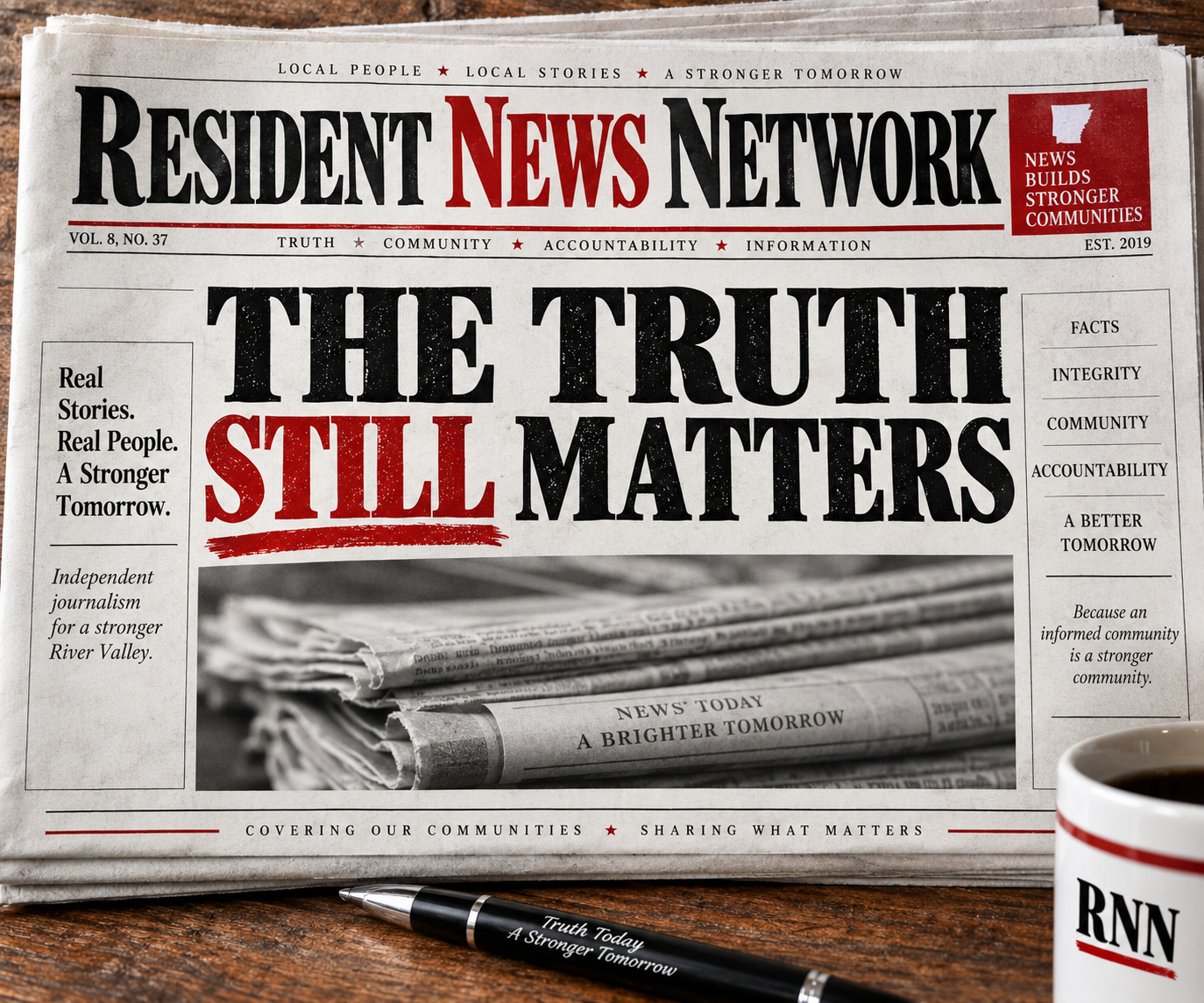
The truth still matters. It always will.
And as long as we are entrusted with this work, we will continue to seek it—carefully, responsibly and without apology.
And we will continue to seek it—carefully, responsibly and without apology.