


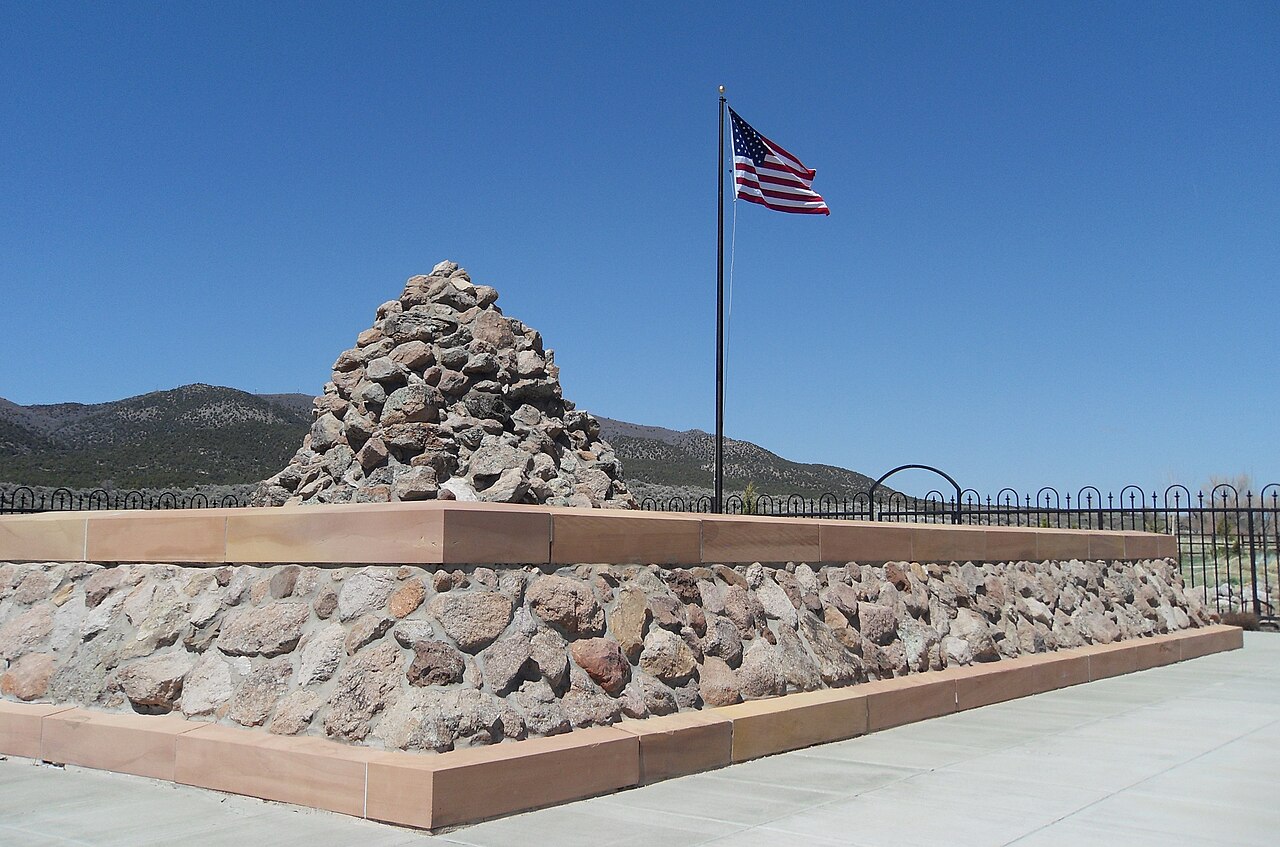
By Dr. Curtis Varnell
Days ago, America remembered the worst incident of domestic violence in America, the Oklahoma City bombing which occurred on April 19, 1995. Thirty years have passed, many Americans have forgotten the date, too young or too unaffected to remember the tragedy and loss of life. Our world moves fast, tragic and terrible events flash across our screens and media daily, and we forget history that shaped our collective psyche. The largest domestic violence prior to that; only historians and probably few of them remember, even though it involved Arkansas and was in national and international news for years as the incident was uncovered and the perpetrator(s) brought to justice.
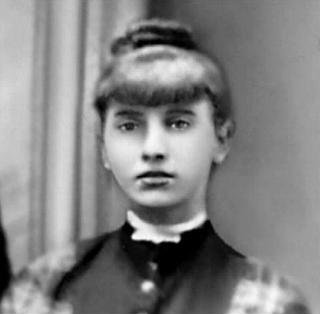
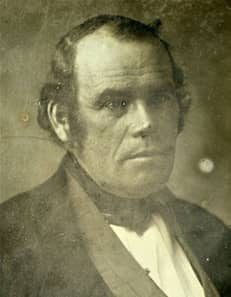
Early in 1857, a wagon train made of several groups from Marion, Crawford, Carroll, and Johnson County met just south of Harrison to immigrate to southern California. It is estimated that the party consisted of between 120-140 individuals, two-thirds of which were women and children. Colonel Alexander Fancher had already made a couple trips to California and was the logical choice as leader of what became known as the Fancher train. Well-organized and equipped, the group planned to cross the plains, resupply in Salt Lake City, and arrive in southern California in late fall. Little did they know of the political conundrum they were about to enter.
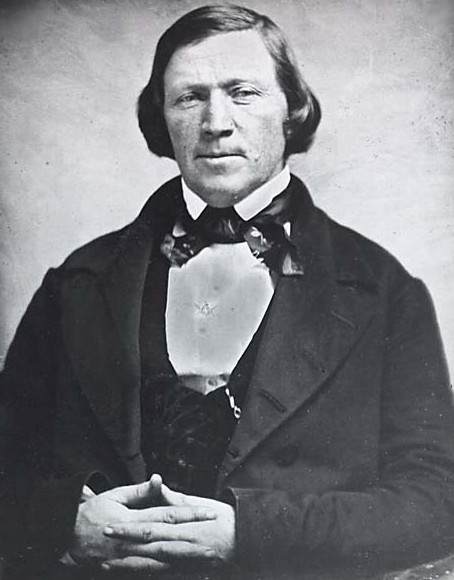
The LDS (Mormon) church had moved west to Utah (Mexico) in 1846 to escape persecution in the states. That same region was annexed to the U.S. at the same time as a result of the Mexican/American war but was largely ignored by Washington D.C. A decade and a California gold rush later, the territory became more important as settlers and miners flocked to California and needed provisions and assistance along the way. As the population became larger, the U.S. organized the area into territories and sought to bring American control over the region. The LDS, fearful of interference in their religious beliefs, organized their own military and system of government. Brigham Young, second head of the LDS, was appointed head of the territory but, by 1857, relations between he and President James Buchanan had soured to the point there was discussion of open warfare, a war that would have likely happened if the Civil War wasn’t so imminent. As the Fancher group prepared to cross Utah, Young declared martial law and refused any assistance to wagon trains.
The Fancher group, denied resupply in Salt Lake City, turned southward on the Old Spanish Trail to California. Following instructions from some of the local Mormon’s, they determined to rest over at Mountain Meadows, Utah and graze their estimated 1,000 head of cattle, repair their wagons, and prepare for the rest of the journey.
Insecurity, fear, and lack of clear instruction lead to the resulting disaster. The Mormon’s, alarmed by the many people passing through their territory and with martial law declared by their leader, determined to take matters into their own hands. No doubt, contributing to the disaster was the recently arrived news that church elder Harley Pratt had been stabbed and shot to death near Alma, Arkansas, possibly by some of the members in the Fancher group.
Dressing as local natives, the Mormon’s fell upon the wagon train and a five-day battle ensued. The Fancher group held their own, beating back the combined Indian and Mormon group until they began to run out of water. On September 11, John Lee approached the wagon train under a
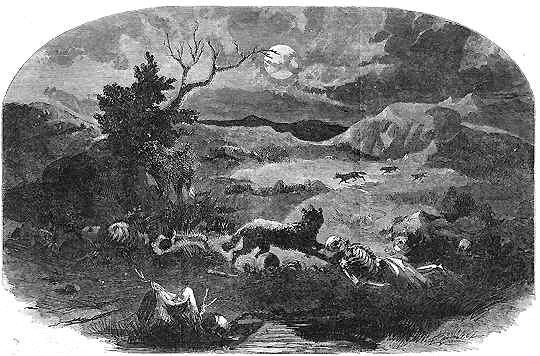
flag of truce and offered the people a safe passage to Cedar City if they would turn over their weapons and livestock. The group agreed, laid down their weapons and were separated out into groups. Immediately, the Mormon and Indian group attacked them and killed every person over the age of six. Over 120 people, many women and children were slaughtered leaving only the 17 children who were then given into the hands of foster parents to raise. The bodies were left unburied, corpses and skeletal remains found only months later.
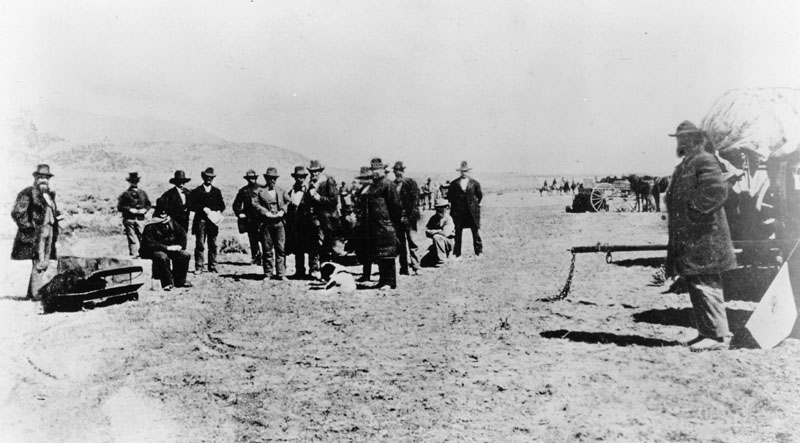
Eventually, the deed was uncovered but the perpetrators and those giving the orders were never completely brought to justice. An arrest order was put out to arrest Isaac Haight, John Higbee, and John Lee but all fled and, it wasn’t until after the Civil War that justice of any kind occurred when Lee was tried and hanged. The others escaped justice and no one will ever know the extent of involvement of the church leadership.
What do we learn from history? Intolerance, fear, anger and distrust are opponents of justice and democracy and always lead to disaster!