

69.3 F
Fort Smith
Monday, May 11, 2026
Home Blog Page 145

Bulldogs Improve to 6-0

An offensive explosion and defensive stands were a plenty in Greenwood’s 62-7 defeat of Siloam Springs in 6A West Conference action. The #1 ranked Bulldogs were able to extend their win streak to 19 games Friday night. Coming into the night, the Bulldogs scored 39 touchdowns with only two not coming from the offense. Tonight, they added nine more.

Siloam Springs took the opening kick but were halted offensively by Seniors Paul Brixey and Mark Garretson with tackles for a loss. The Greenwood offense went to work after the Panther punt, a long touchdown pass to Senior Isaiah Arrington was negated by a penalty. Junior Kane Archer got his first of the school record tying 7 touchdowns, on a pass to Senior Grant Karnes. The Hudson Meeker point after was good putting the Bulldogs up 7-0. Siloam Springs next drive would end in a punt pinning the Bulldogs deep into their own territory. Kane Archer would find Senior Isaiah Arrington from 71 yards out pushing the Bulldog lead to 14-0 with 5:52 left in the first quarter. The Panthers attempted to go to the air on their drive and found a waiting Senior Radley O’Neal who would intercept the Siloam pass. Archer would find classmate Cooper Goodwin for what seemed like a touchdown after a long run by Goodwin. A penalty brought the play back. It would take only a little bit of time for Archer to find Junior Champ Davis for the touchdown. Greenwood 21 Siloam Springs 0, with 3:45 left in the first. Siloam would get some momentum, getting a first down, then running out the remaining minute on the quarter.

Facing fourth down the Panthers attempt a fake punt early into the 2nd quarter, only to run into Senior Cash Archer, setting the Bulldogs up in Siloam territory. Kane Archer would find Champ Davis for a second time in the game for the touchdown. 28-0 with 11:02 left in the half. The Panthers continuing their running attack that gave them momentum in the first quarter was halted by defensive stops by Seniors Gage Hanna and Kaylor Jasna. The Panthers went for it on fourth down and found a wall of Bulldogs turning the ball back over to the Bulldogs. Kane Archer went to Isaiah Arrington again, and after some moves, Arrington got into the end zone putting the Bulldogs up 35-0. On the Panther’s next drive, they were halted by a Cash Archer sack turning the ball over to Greenwood. To the air the Bulldogs went with Archer passing to an open Junior Cooper Bland, the score now at 42-0 after the point after attempt. Siloam’s next possession ended in a punt after tackles for a loss from Gage Hanna and Senior Eddy Castelo. Kane Archer found Champ Davis for the third time making the score 49-0 with 2:19. On the ensuing kickoff, the Panther returner would break free only to be stopped by Sophomore kicker Landon Franklin. The tackle stopped the Panthers attempt at a touchdown. Siloam would try to run and pass to get in the end zone on the final two minutes of the half settling for a Field Goal. The kick was blocked by Greenwood and spun on the ground at the 10-yard line before it was picked up by Radley O’Neal. The return was stopped just short of the midfield stripe.

Greenwood received the opening of the second half. Maddox McCallip would lose the football on a run turning the ball over to Siloam. Siloam, on their next drive, broke a 53-yard run to get on the board 7-0. Junior Goodwin came in at quarterback and quickly got to work finding Senior Hudson Meeker for the touchdown 55-7 in the third quarter. Siloam ran out the rest of the 3rd quarter clock.

Siloam punted on their next drive. After giving the ball back, Goodwin took the ball in for the game’s final score. 62-7

“Really proud of them. We have really high expectations for our kids and I thought they delivered tonight.” Head Coach Chris Young said following the game. “They came out and offensively, we scored on every possession for the second week in a row.”

Junior Kane Archer tied a 2007 Tyler Wilson record of seven touchdowns that was set in a second-round playoff game against Pulaski Academy. In that game the former Bulldog and Razorback went 30 of 54 passes for 450 yards to beat the Bruins. That night both teams threw for a combined 1004 yards with a score of 57-50. In contrast, Kane Archer was 16 of 21 for 347 yards in just the first half of play.

Greenwood is at home next week at 7pm against Lake Hamilton.

State Capitol Week in Review From Senator Terry Rice

Legislative budget hearings have begun at the state Capitol, in preparation for the 2025 regular session that begins in January.

Members of the Legislative Council and the Joint Budget Committee will review in detail every state agency spending request. In November the governor will submit a balanced budget proposal, which will be a starting point in writing budgets for state government. According to the Arkansas Constitution, the legislature has the final say in all fiscal decisions.

The Senate and House Education Committees completed a vital first step in the budget process. They recommended a 2.48 percent increase in all the various categories that make up foundation school funding.

Public school funding is the starting point in the legislative budgeting process because the Constitution mandates that the state provide all children with an adequate and equitable education. 

The state Supreme Court has ruled that the legislature’s constitutional duty is to fund an adequate education system. Legislators must first determine how much money is needed for education, rather than simply funding schools based on how much the state can afford after it has funded other programs.

Arkansas operates under a balanced budget law known as the Revenue Stabilization Act, which requires state agencies to reduce spending if tax revenue declines due to an economic downturn. The importance of school funding was reaffirmed in 2003 when the legislature passed the so-called “doomsday law” that protects school funding from budget cuts.

State government in Arkansas spends more than $39 billion a year. More than $6.3 billion comes from state revenue sources such as sales taxes, individual income taxes and corporate income taxes. The largest single expenditure of state tax dollars will go to public schools from kindergarten through twelfth grade. Last year that was $2.57 billion.

State agencies will spend more than $12 billion in federal funds. Last year most of that amount, about $7.4 billion in federal funding, went to the state Human Services Department for Medicaid and other health services. State government paid for about $1.8 billion of the DHS budget.

The state collects about $894 million in special revenues, which come from taxes levied for special purposes. The Transportation Department maintains highways and bridges and collects about $673 million in special revenue from motor fuels taxes and fees.

Colleges and universities receive about $783 million in state aid. They generate an additional $5.4 billion in cash funds, derived from tuition and fees. The University of Arkansas for Medical Sciences has the largest source of cash funds, raising about $2.5 billion a year.

The University of Arkansas at Fayetteville generates about $1.3 billion in cash funds, compared to $212 million it receives in state funding. Arkansas State University at Jonesboro generates about $224 million in cash funds and receives about $63 million in state aid.

Last year the state spent $568 million on corrections, including $25.8 million paid to counties for holding state inmates in county jails. State prisons also generated about $40 million in special revenue and cash funds from their farm and industry operations. In all, the total operating budget for corrections was $662 million. That included the costs of supervising parolees who had been released early from prison.

RNN Sports: Stone Cold Lock Of The Week: Week 6

Week 6! We are on the downhill portion of the regular season! It has been a fun season up to this point and holy cow…. that Arkansas vs Tennessee game. I do not know if there will be any goal post tearing down moments this week, but there have been surprises galore. Looking through social media, the offensive lines for Mansfield and Greenwood had stand out nights making things happen.

This week we would like to welcome guest picker Troy Fleming of Charleston. In the time that Adam Hecox and I have been crafting this segment, Troy has added his picks for the games in the comment section. It is that type of dedication that stands out to us. Troy is an avid Charleston Tigers fan and from the picture he sent in, he is definitely the super fan for the Tigers. The jersey clad, face painted man of Charleston Friday Nights is what makes the game special.

Also! Greenwood is one of 16 Finalists for the T-Mobile 5G Friday Nights contest that will bring improvements to Smith-Robinson Stadium. While synonymous with Football, it is what the field is used for outside of the action on the field that makes it special. Heck, it is what makes any small town in Arkansas special. Special Olympics, Graduation, Soccer, Track, and community events all use the stadium. It is where the youth of Greenwood learn the foundations of the Bulldog Way. If you are Charleston Tiger, Booneville Bearcat, Paris Eagle, Magazine Rattler, or a Mansfield Tiger fan. Take a minute and head over to Greenwood Public Schools on Instagram and give the video a like and let’s make Smith-Robinson Stadium another great spot of the Resident News coverage area.

Okay…back to what you wanted to read!

Stone Cold Lock of The Week

Pottsville vs Waldron

Pottsville brings a talented Senior Class to Scott County to take on the Waldron Bulldogs. While the Bulldogs game against Dardanelle was lopsided, they did face a team that returned quite a few players that played in the tough Class 5A the year before. With Waldron’s ability to surprise teams this year, this is a game that will catch Pottsville. Trust me, I like the Apaches, QB Miller Mahan makes things happen with his feet. Tripp Price is proven winner on the wrestling mat. But, gosh dang, this is fitting the script of a Waldron Bulldog surprise.

The Others

Hackett vs Charleston

I am certain Troy Fleming will be screaming at the top of his lungs from Kickoff to the final buzzer. Unfortunately for the Hornets, their Tough Tour through the 1-3A continues tonight. With a close loss to Mansfield last week, Charleston is looking to get past Hackett and then Hwy 22 rival Lavaca. The Tigers are currently on the outside looking in on the way too early playoff picture. Hackett could play spoiler by winning the next three games. Quite a few playoff implications tonight.

Lavaca vs Mansfield

Both teams sit at 2-0 in conference. Lavaca had a tough defensive game against West Fork last week winning 13-6. Mansfield is taking it one team at a time as the Oct. 25th game against Booneville is looming. If Lavaca is able to catch the Tigers, it could send the Conference into a frenzy. If not, just letting you now all know the Lock of the Week on the 25th will be Booneville vs Mansfield.

Greenwood vs Siloam Springs

Fall of 2021: Trying to leave what happened in 2020 in 2020 and it would be the last season Siloam Springs would put games in the “wins” column and no one knew. *Spongebob voiceover* “Three Seasons Later” Siloam notches wins against Rogers Heritage and Pea Ridge. Things are looking up for the Panthers. Greenwood fired on all cylinders last week against Russellville. The Cyclones have been known to give the ‘Dogs fits the last few seasons keeping the score close in the first half. Not this season as Russellville found themselves down 49-0 at Halftime. Barring a wild Arkansas vs Tennessee outcome the Bulldogs roll on.

Booneville vs Greenland

Last year I made the mistake of thinking Booneville could not defend the pass because of what I saw against last year’s Dardanelle team. Greenland has some aerial weapons that MAY cause fits for the Bearcat defense. Will for sure be looking at the score for this one. Booneville can rely on that patented Bearcat running game and chew up a lot of clock.

Magazine vs Mt. Ida

Two teams that had the same but different outcomes last week. Mt. Ida fell to Conway Christian 41-42, while Magazine beat Mountainburg 21-20. Both one-point games, and it was the most points the Rattlers scored in a game this season. It is going to be an interesting trip in to the Ouachitas for Magazine. It was close to being the Stone Cold Lock Of The Week.

Cedarville vs West Fork

West Fork is putting on a master class of tough low scoring defensive games against equally matched opponents. I have a tough time seeing this trend ceasing this week.

Perryville vs Paris

The Mustangs roll into the Eagle’s Nest with a 2-0 Conference record, but so does Paris. Also, in 4-3A conference action, 2-0 Jessieville takes on 2-0 Glen Rose. The odds of all the undefeated in conference teams meet on the same night…..well I do not have the times this has happened but I am sure somewhere in the state Leland Barclay is writing about it. Someone is going home disappointed.

Bye Week vs Arkansas

Arkansas in a landslide, they will need a few of the underclassmen players parents to come down and hold up some poles for the field goals. Since people decided the field goal posts needed to come down and try to party on Dickson. Regardless of where the money to pay fine goes or where it comes from, I just want to see it handed over as a prize sized check like Publishers Clearinghouse. Make it fun.

GamesTroy’s PicksAdam’s PicksRoss’ Picks
Pottsville vs WaldronPottsvilleWaldronPottsville
Hackett vs CharlestonCharlestonCharlestonCharleston
Lavaca vs MansfieldMansfieldMansfieldMansfield
Greenwood vs Siloam SpringsGreenwoodGreenwoodGreenwood
Booneville vs GreenlandBoonevilleBoonevilleBooneville
Magazine vs Mt. IdaMagazineMt. IdaMt. Ida
Cedarville vs West ForkCedarvilleWest ForkWest Fork
Perryville vs ParisPerryvillePerryvillePerryville
Bye Week vs ArkansasArkansasArkansas

T-Mobile Announces Friday Night 5G Lights Finalists

T-Mobile announced that Greenwood High School is one of 16 schools across the country to receive a $25,000 grant as part of the company’s “T-Mobile Friday Night 5G Lights”competition which launched in early August. More than 1,700 high schools nationwide entered the contest, including 18 across Arkansas.

The Bulldogs are hoping to create a state-of-the-art facility by upgrading seating, turf, technology and increasing accessibility that will serve the needs of their students, families and the community.   

“Being named a T-Mobile finalist validates what we have known in Greenwood for a long time– and that is our community tells our school district’s story,” said John Cielsa, Superintendent of Greenwood Schools. “It is evident that a Friday night in Greenwood is much more than a contest between two teams. It is an opportunity for our athletes, band, cheerleaders, dance team, sports medicine students, media arts students, student section and countless volunteers to showcase their collective commitment to excellence in front of the community that supports them. Collectively, we support and represent the “G” and embody the true meaning of We > Me.” 

The school and T-Mobile will hold a special celebration at the home football game Friday, October 18 at 7 p.m. local time with games, giveaways and free food at the concession stands. Media and the public are welcome to attend, and more details will be sent closer to the game day. High school and T-Mobile spokespersons will be available for interviews.

Greenwood High School was also one of 300 schools across the country to win $5,000 to use towards items such as new equipment and sports gear as a part of the contest’s $5K Fridays sweepstakes.

 All 16 finalists now move onto the final face-off, where people across the country will help decide which deserving high school will win the $2 million grand prize to upgrade its high school football field.

From now until Nov. 12, go to www.FridayNight5GLights.com, find your school’s Instagram video, and hit the heart button. Each person can only vote once, but you can share the video with anyone and everyone to get more votes. The high school with the most-liked video will be crowned as the ultimate Friday Night 5G Lights champion and score the grand prize package which includes:

  • $100,000 grant for your school
  • new teched-out scoreboard
  • consultation with football field experience experts
  • weight room from Gronk Fitness
  • 5G network upgrades package and,
  • an epic tailgate party celebration with live music and a 5G-powered halftime drone show!

The winner will be announced in early December. For more information on T-Mobile Friday Night 5G Lights and to vote for your favorite school, visitwww.FridayNight5GLights.com.  

Timepiece: Plantations in Arkansas

By Dr. Curtis Varnell

Friends visiting in Arkansas often ask where they can visit old Plantations. Plantations? They must think they are visiting Vicksburg, Mississippi or one of the other locations where wealthy landowners owned extensive cotton land worked by hundreds of slaves. Large, shaded veranda’s, mint juleps, and shaded trees covered with Spanish moss had little to do with most of Arkansas.

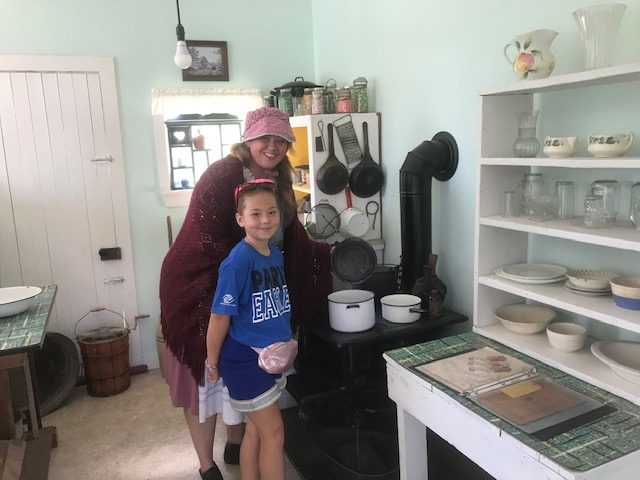
Typical plantation kitchen

In the early 1800’s, Arkansas was the western frontier. Settlers, many from southern states, poured into the region and, from the 1830’s into the 1850’s, the population grew rapidly. The rich, dark soils along the rivers and those lands in the delta were quickly obtained by prosperous slave-owning individuals who perceived the plantation system and the raising of cotton as the ideal way of life. By the time the storm clouds of the Civil War developed, these wealthy individuals dominated the political and social life of the state.

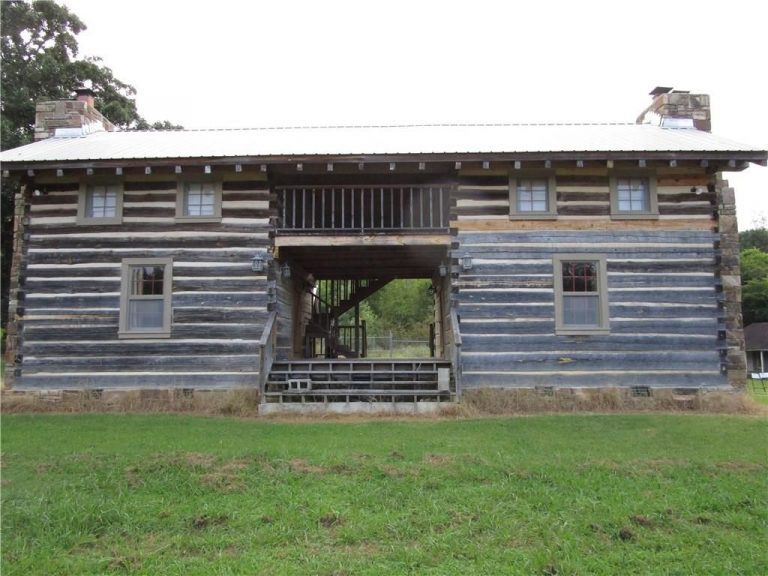
Most individuals in Arkansas were yeoman farmers. They typically lived on small land-ownings of one-hundred and sixty acres or less. They were relatively self-sufficient, farmed, and lived off the land. The principal crop was corn, used as food for man and stock or turned into alcohol which could be shipped to New Orleans or other markets. One historian described rural Arkansas of that time period as islands of prosperity surrounded by seas of desperation. The homes of most were far from being the plantation image. Many were composed of logs, the better ones of rough-cut clap-board overlaid with lathing.

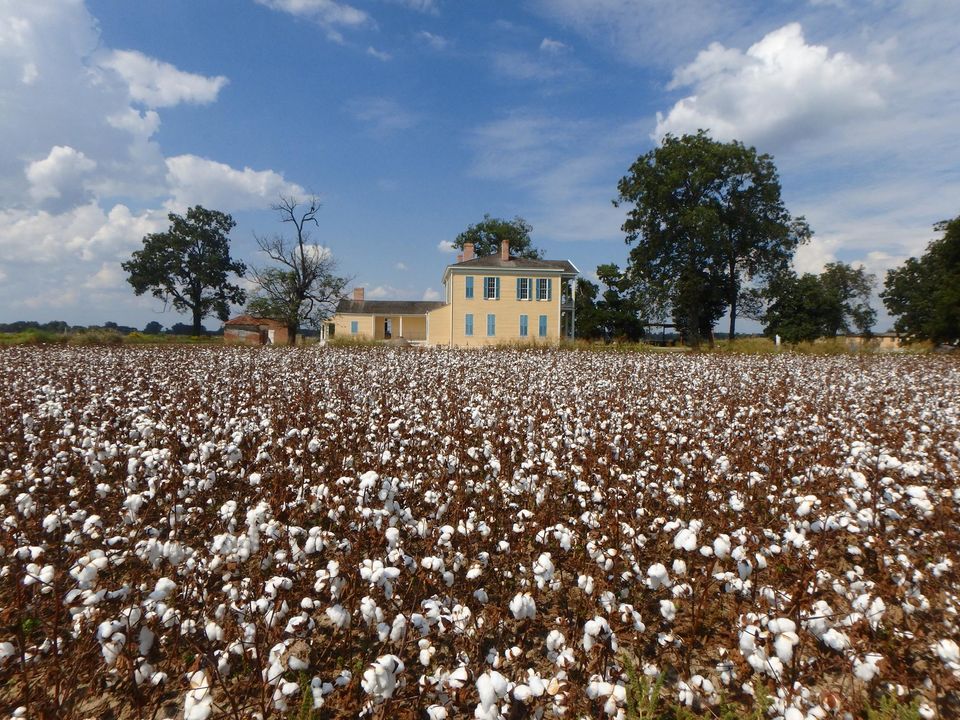
Lakeport plantation and cotton fields

The slave-owner in Arkansas was far from that perceived nationally. In 1860, there was more than 110,000 slaves in Arkansas but only one in five citizens were slave owners. Only twelve percent owned more than twenty slaves, a number which was a kind of benchmark for the “planter” or plantation designation. In Arkansas, those that reached that planter designation could become very prosperous. Cotton grew well in Arkansas, the European market was easily assessible, and money was there for the making. Many of the planter elite became community and state leaders, having large, elaborate homes built on their property as well as in Little Rock and other Arkansas towns.

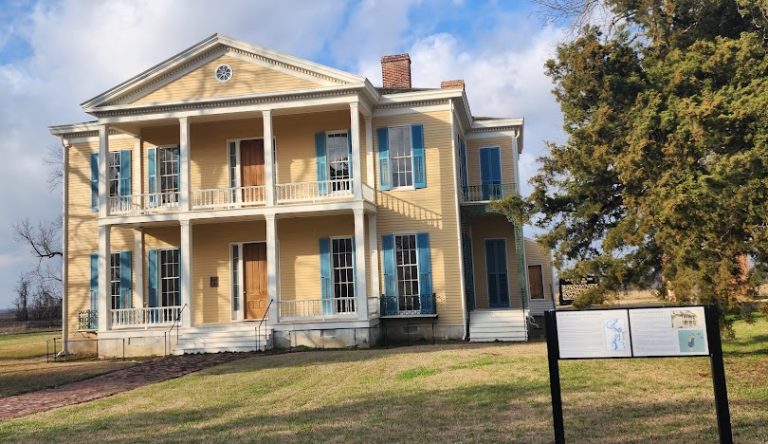
Although few of those homes still exist, a visit to Lakeport Plantation in Chicot County is a journey back in time to one of those “islands of prosperity.” The plantation was created when Joel Johnson, a prominent farmer from Kentucky, moved into the area bringing along his family as well as 23 enslaved people. Clearing the land, they began producing large crops of cotton, an endeavor that made him one of the wealthiest and most influential men in the state. The plantation grew to include more than 4,000 acres of land and the ownership of more than 155 slaves. Records show that wealth was built upon the backs of those enslaved. Most of the enslaved people were field hands, but some were masons, house-hold servants, and carpenters. Plantation life was exhausting for those forced to work it; many worked six days a week with only one day off, typically Sunday.

Yeoman type house and porch

In 1857, Lycurgus Johnson, obtained total ownership of the family property and built the current plantation home. It is the last remaining plantation home on the Mississippi River in Arkansas and the historic structure is listed as a national historic site. Unlike many of the historic plantations, Lakeport retains its original Greek Revival style, not having been remodeled over the intervening years. Arkansas State University had worked hard to retain the plantation as it originally existed and have made it more of a heritage site museum than a show-place of elitism.

Tours through the plantation provide information about the time period, what it was like to be a planter, a skilled slave, or a field worker. A beautiful place, located by the bridge crossing the Mississippi near Lake Village, tours are provided daily for visitors.

Chism house

A few other plantations can still be located in Arkansas. At Scott, just a few minutes’ drive into the delta from Little Rock, one can find the Marisgate Plantation. The home has more than 30 antique-filled rooms enclosed within a stately Greek Revival home with Ionic columns over 40 feet tall. Marisgate is open for weddings, special events, and tour groups. A few other buildings from that period dot the state.

Many of the old dogtrot homes and clapboard houses can be found around the state. Common and less majestic, they are much more reminiscent of life in Arkansas than are plantations.

Tips to Improve Credit Scores

“Get Smart About Credit” day is Oct. 17, and as part of this annual campaign by the American Bankers Association Foundation, Arvest Bank is helping to raise awareness about the importance of building good credit by offering tips to improve credit scores.

According to FICO, a data analytics company whose FICO credit scores are widely used in
consumer lending, the average credit score in Arkansas was 696 in 2023. That’s below the U.S.
average of 718, which hit a record high. When broken down nationally by age groups, the
average credit scores for Gen Z, Millennials and Gen X were also below national averages at 680,
690 and 709, respectively. Baby boomers and the silent generation (78-plus) bolstered the
averages, coming in at 745 and 760.

“Credit scores say a lot about financial health and habits, as they indicate to prospective lenders
how much of a financial risk a person is when requesting a loan for a big-ticket item,” says Jack
Farley, Consumer Lending Sales Manager. “A good credit score can mean the difference between
being denied or approved for any type of loan. The better the score, the better the interest rate
could be on the loan, too.”

Improving a credit score significantly will take some time, but it can be done. Whether you’re
just starting out building your credit, needing to repair it or simply wanting to move it from
“good” to “very good,” Farley suggests these tips to begin the process.

Request a credit report and make sure it is correct. Credit reports are designed to help banks
and other institutions make lending decisions. It illustrates a person’s credit performance and
needs to be accurate to apply for loans – such as a mortgage loan. Consumers can get free
annual credit reports from the three major credit reporting agencies by visiting
annualcreditreport.com.

Pay bills on time. Payment history tends to be a significant factor in determining a credit score.
According to FICO, payment history makes up 35 percent of a FICO credit score. If a consumer’s
report indicates bills were paid late or an account was referred to collections, those actions
could negatively affect the credit score. Avoid missing payments by setting as many bills as
possible to automatic bill pay. The longer bills are paid on time, the better the credit score.

Keep balances low on credit cards. Many scoring systems evaluate the amount of debt a person
carries compared to their credit limits. If the amount owed is close to the credit limit, it’s likely
to have a negative effect on the score. Maintaining high balances can hurt credit scores,
regardless of whether bills are paid in full each month.

Open new credit accounts only as needed. Applying for too many new accounts could hurt a
credit score. Although establishing credit accounts is generally considered a plus, too many
credit card accounts may have negative effects.

Don’t close old, paid-off accounts. According to FICO, the age of your accounts is one factor
that affects your credit score – the longer your credit history, the better. Some of the most
significant factors in credit scores, like credit card utilization rates and the average age of credit
accounts, could take a hit with closing old accounts.

Build a strong credit age. Generally, scoring systems track the length of credit a person has
developed during the years. A good average credit history is five years and up. An insufficient
credit history may affect credit scores, but timely payments and low balances can help offset
this issue.

Talk to a credit counselor. Using legitimate credit counseling can help manage debt and won’t
hurt a credit score. For more information on debt management, contact the National
Foundation for Consumer Credit (www.nfcc.org).

Extension to host ARegenerate Conference on regenerative agriculture

By Rebekah Hall U of A System Division of Agriculture

For Arkansas farmers and producers interested in learning more about regenerative farming methods, the University of Arkansas System Division of Agriculture will host the inaugural ARegenerate Conference Nov. 8-9 at the Expo Center at Kay Rogers Park in Fort Smith.

The conference will feature a variety of speakers leading sessions on the principles of regenerative farming. Attendees will learn about building soil health, water conservation and climate change mitigation on farms and ranches. Topics will also include cover cropping, intensive rotational grazing, native forages and more.

The conference will take place 9 a.m.-5 p.m. each day. There is also a pre-conference farm tour in Hackett, Arkansas, from 8 a.m.-10:30 a.m. on Nov. 7. Tickets are $75 and include breakfast for two days and lunch on the second day. Register at uada.formstack.com/forms/aregenerate.

Amanda Spradlin, Sebastian County extension horticulture agent, said the conference is the first of its kind hosted by the Division of Agriculture.

“The conference will encompass the regenerative agriculture methodology for crop and livestock producers,” Spradlin said. “I have received a lot of interest from University of Arkansas extension, out-of-state universities, private businesses, government organizations and non-profits.”

Spradlin said regenerative agriculture incorporates crucial methods of improving water conservation, soil health and ecosystem resilience to climate change.

“Regenerative agriculture differs from conventional methods because it encourages diversity and discourages soil disturbances like tillage, synthetic chemical sprays and fertilizers, continuous grazing and monoculture systems with little to no crop rotation,” Spradlin said. “Those practices compromise the soil microbiome and are associated with soil degradation over time.”

Another benefit of regenerative agriculture is that it emphasizes low input — such as water, fertilizer and fuel — helping farmers and producers increase their profit margins. Spradlin said

that although access to capital is a significant stressor for farmers who want to improve their operations, more funding is becoming increasingly available.

“The good news is that the Natural Resources Conservation Service has excellent programs, such as the Conservation Stewardship Program and the Environmental Quality Incentives Program, to make the transition easier,” Spradlin said. “Our regional NRCS office is full of wonderful, helpful people who are receiving more funding for these programs every year.”

Changing methods in a changing world

In the era of climate change, regenerative farming offers methods that help mitigate the effects and adapt to farmers’ changing needs.

“Climate change, an effect of rising global average temperatures, will increasingly become an issue for farmers in the coming years,” Spradlin said. “Extreme weather events and increased pest and disease pressure make it difficult for farmers to make ends meet, as it increases their chances of losing crops, forages and livestock.

“The United Nations has estimated only 60 harvests left before arable soils are depleted,” she said. “This will exacerbate global food insecurity. One of the significant benefits of regenerative agriculture — specifically intensive rotational grazing — is that it builds organic soil matter. For every one percent increase in organic matter, you can expect an increase of about 20,000 gallons of water per acre that soils can hold. This increases forage drought resilience.”

Spradlin said she is seeking more vendor and speaker applicants for the conference. Applicants whose research or experience aligns with regenerative methods should submit an abstract or brief overview of their topic to Spradlin. The deadline to apply as a speaker is Oct. 28. To sign up to be a vendor or inquire about speaking, contact Spradlin at [email protected].

“This conference is a one-of-a-kind opportunity to learn and network with experienced professionals, including those from the University of Arkansas,” Spradlin said. “I hope to inspire people all over Arkansas to change our relationship with the land we love.

“Whether you are a livestock producer, crop grower, homesteader, gardener, researcher, student or a lifelong learner, I want you to be there,” she said. “I hope this is the first of many conferences to come.” For more information, contact Spradlin at [email protected] or 479-484-7737.

To learn about extension programs in Arkansas, contact your local Cooperative Extension Service agent or visit www.uaex.uada.edu. Follow us on X and Instagram at @AR_Extension. To learn more about Division of Agriculture research, visit the Arkansas Agricultural Experiment Station website: https://aaes.uada.edu. Follow on X at @ArkAgResearch. To learn more about the Division of Agriculture, visit https://uada.edu/. Follow us on X at @AgInArk.

About the Division of Agriculture

The University of Arkansas System Division of Agriculture’s mission is to strengthen agriculture, communities, and families by connecting trusted research to the adoption of best practices. Through the Agricultural Experiment Station and the Cooperative Extension Service, the Division of Agriculture conducts research and extension work within the nation’s historic land grant education system.

The Division of Agriculture is one of 20 entities within the University of Arkansas System. It has offices in all 75 counties in Arkansas and faculty on five system campuses.

The University of Arkansas System Division of Agriculture offers all its Extension and Research programs to all eligible persons without regard to race, color, sex, gender identity, sexual orientation, national origin, religion, age, disability, marital or veteran status, genetic information, or any other legally protected status, and is an Affirmative Action/Equal Opportunity Employer.

The University of Arkansas System Division of Agriculture is an equal opportunity/equal access/affirmative action institution. If you require a reasonable accommodation to participate or need materials in another format, please contact Amanda Spradlin at 479-484-7737 as soon as possible. Dial 711 for Arkansas Relay.

Late summer water levels call for increased boating caution

By Randy Zellers

For the second year in a row, dry conditions throughout most of The Natural State have led to many lakes and ponds sitting at lower water levels than anglers and boaters experienced throughout spring and early summer. The cooling, lower water of fall can concentrate baitfish and bass, making for great fishing experiences, but it also can create a few hazards for boaters unfamiliar with navigating lakes during this time of year.

According to the Arkansas Water Plan, reservoirs and ponds in Arkansas typically lose up to 46 inches of water level during the year through evaporation, with most of that occurring from July through September. These three months also are some of the driest of the year in Arkansas.

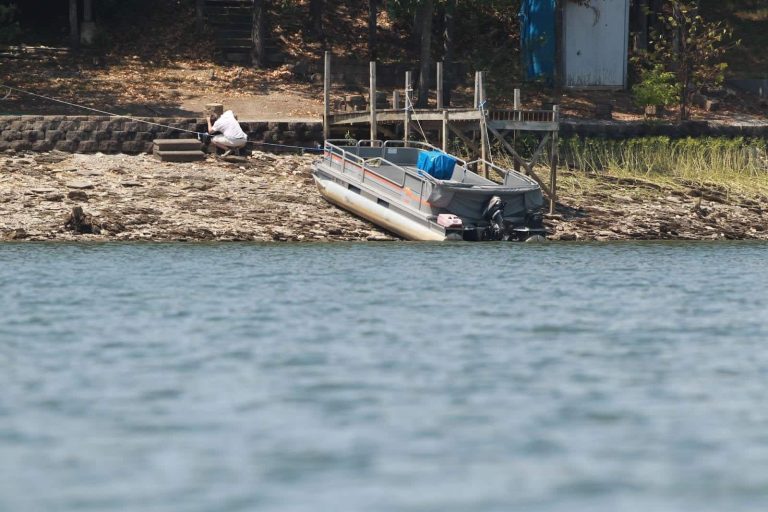
Besides lack of rainfall and increased evaporation, many Arknasas lakes see lower water levels to accommodate the influx of water that typically occurs in late fall. A few lakes also see intentional water level drops in winter to combat aquatic vegetation issues or allow neighboring landowners to fix docks and boathouses.

No matter the reason for the reduction, low water levels bring many unseen hazards closer to the surface. Stumps and rock piles that once sat well out of range are within reach of your boat motor’s lower unit and propeller.

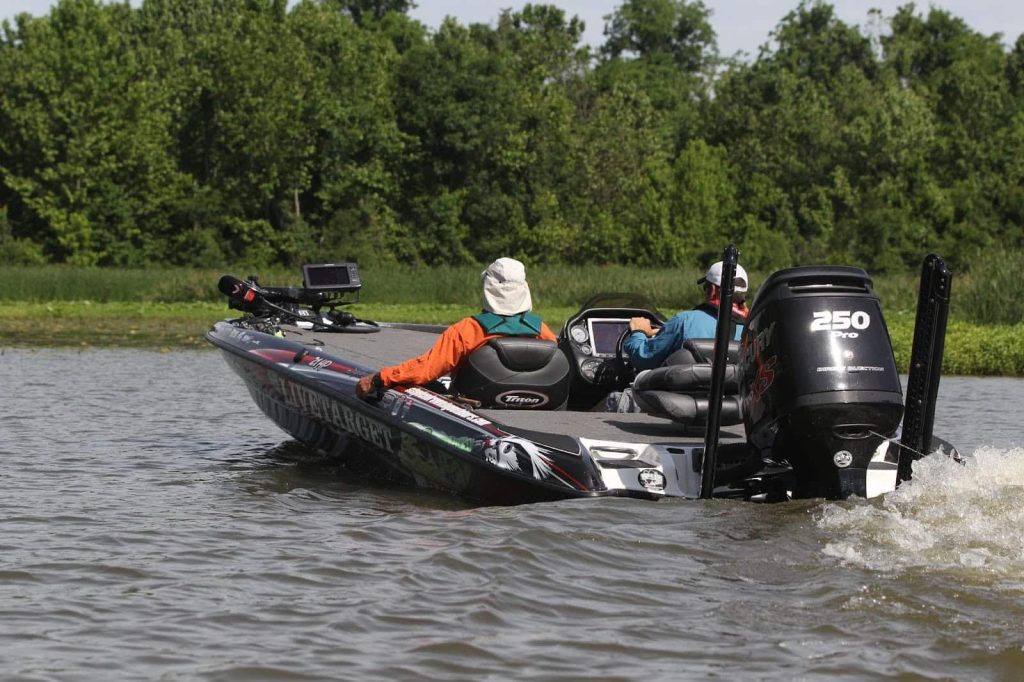
As water levels drop, mart boaters should keep their motors at idle speed once they exit the relative safety of marked boat lanes and river channel markers. Photo by Mike Wintroath/AGFC.

“When water levels are low, it’s really important to slow down a little, especially if you’re not familiar with navigating the lake you’re fishing during this time of year,” Jeremy Risley, Black Bass Program Coordinator for the Arkansas Game and Fish Commission, said. “Stay near the channel, and if you’re in a lake or river that has navigation buoys, stay inside those markers when you have the boat on plane.”

Risley also suggests using your electronics as much as possible, especially if you have topographic maps and a GPS system available.

“You still want to have a depth finder running so you can see exactly how much water you have to run in, but a lot of GPS units will let you plan your route and stay in deeper water without any surprises. Plenty of highland reservoirs have humps and creek turns with steep banks that can put you in only a foot or two of water within a few seconds if you aren’t paying attention to that map and your depth finder.”

Risley also reminds all boaters to wear a properly fitting life jacket when underway, and to always connect your engine’s kill switch to your person when it’s running.

“If you do hit an obstruction, you may be thrown out of the driver’s seat of your boat or out of the boat entirely,” Risley said. “A life jacket will keep you afloat, even if you’re unconscious, and the kill switch will ensure that your boat doesn’t take off to become a danger to you or others.”

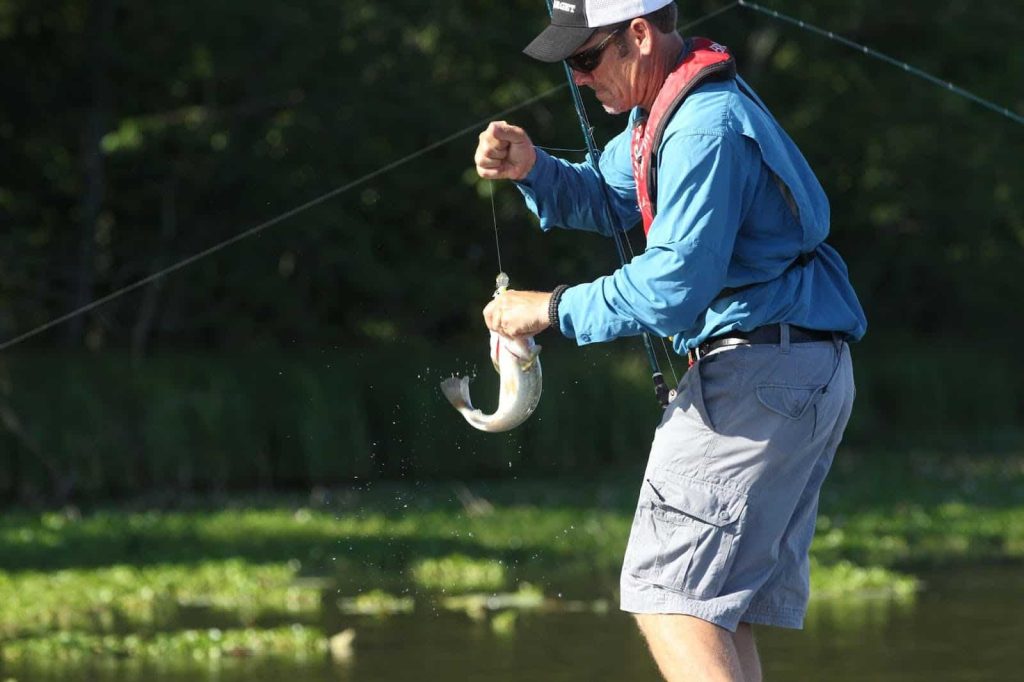
Inflatable life jackets are comfortable enough to fish in all day without worry. Photo by Mike Wintroath/AGFC.

It’s always a good idea to have your life jacket on, even if the boat isn’t under power. This is especially true in fall as water temperatures begin to fall. The sudden shock of an unexpected plunge into cold water can cause a person to involuntarily gasp, drawing in air (and water). The added buoyancy the life jacket offers can mean the difference between life and death.

Visit www.agfc.com/boatered for more boating safety tips and to learn how to register for one of the AGFC’s Boater Education courses.  A boater education card is required to operate a boat on Arkansas waters for anyone born after 1985. Free instructor-led Boater Education courses are available through the AGFC, or you can take the course online for a small fee.

20-year-old accident still spreading safety message 

By Randy Zellers

Jacob Cain was 10 years old when he went on an impromptu squirrel hunt near Arkadelphia in November of 2004. His father, Larry Cain, was nearby clearing shooting lanes for deer season. After an hour or so on a tractor, Larry decided to check on the boy.

He shouted his son’s name a time or two but heard no response. Larry became concerned and went to deer camp, grabbed a few friends and began to seriously search with four-wheelers. It wasn’t long before he heard a weak answer.

Jacob was found with a .22 wound through his foot, although all was well after a trip to the hospital. Larry, a Hunter Education instructor, used the accident as a teaching moment and sent the AGFC an article he wrote about it, which appeared in the November/December 2006 issue of Arkansas Wildlife. He ended the article with these words: “At first I was very reluctant to write this story. As a hunter education instructor, I felt that maybe I had failed and was embarrassed. However, the more I thought about it, maybe another instructor or father can prevent an accident like this from happening. I am certain that Jacob has learned a very bittersweet lesson in gun safety.”

We recently got a call from Jacob, now 30 or so. He also became a Hunter Education instructor and plans to use the accident – and his dad’s article – to teach others.

Jacob, like many other dedicated volunteers, provides a valuable service to the Arkansas Game and Fish Commission as well as the general hunting public. Thousands of new hunters each year graduate from Hunter Education before taking to the field. The course is required for anyone 16 or older who was born after 1968 to hunt on their own. Hunters under 16 may hunt with a licensed mentor who is at least 21 if they have not taken the course, and hunters 16 and older may do likewise after acquiring a Deferred Hunter Education (DHE) code through the AGFC’s licensing system (www.agfc.com/license).

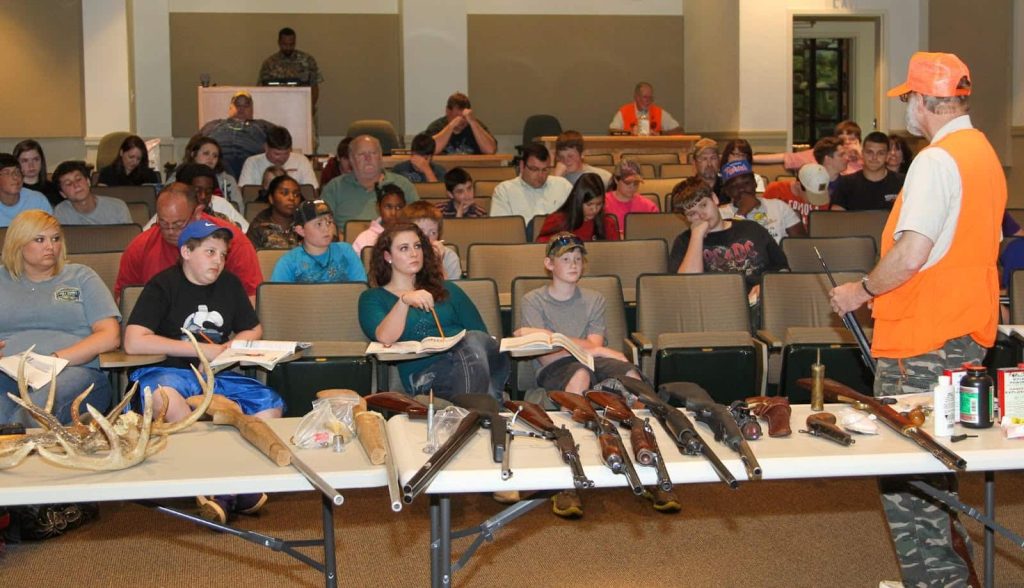
The AGFC has a devoted group of volunteers who teach Hunter Education throughout Arkansas. Photo by Mike Wintroath/AGFC.

“About  50 percent of our Hunter Education graduates still attend the free in-person classes,” Joe Huggins, Hunter Education Program Coordinator for the AGFC, said. “The rest opt for the online course. If you are 10 years or older, you can take the complete course online, including the final examination.”

Hunter Education teaches much more than firearms safety – it also covers all sorts of topics like basic woodsmanship, treestand safety, in-the-field first aid and even hunting ethics.

“Hunters are our best conservationists, and Hunter Education courses help them understand where they fit into the bigger picture of conservation,” Huggins said. “But the most important aspect will always be preparing them for a safe experience they can tell friends and family about for years to come.”

Visit https://www.agfc.com/education/hunter-education to find out more about Hunter Education in Arkansas and how to sign up for a class near you.

By the way, a week after he was injured, Jacob went deer hunting with his dad and bagged an 8-point buck.

Coming or Going? Fall flights reach beyond waterfowl

By Kirsten Bartlow

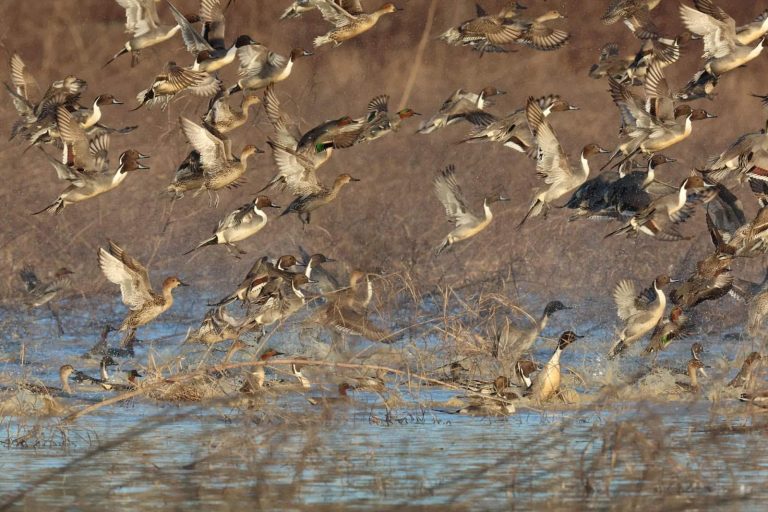
Hunters may be consumed with questions of when the ducks will arrive; avid birders know there’s more to migration than mallards. Songbirds, wading birds and a variety of other species constantly flow through The Natural State; many make their fall travel plans well before the temperature clues us humans into the changing seasons.

About two thirds of bird species in the United States migrate. Some meander a short distance to a more southerly climate or simply change altitudes on a mountainside, while others journey hundreds or thousands of miles.

Why Fly?
Migration can be perilous – storms, predators, lack of habitat and collisions with obstacles. Birds aren’t on sightseeing excursions; they take on these risks when critical resources are in short supply. In the spring, this translates to nesting locations. The tropics are lovely over the winter, but many birds wing their way north to Arkansas and other locales in North America where there’s room to spread out and raise young along with fewer nest predators.

On the flip side, birds’ motivation for fall migration revolves mainly around food, or lack thereof. Species with petite beaks designed to capture insects or feed on nectar and fruits – vireos, flycatchers, tanagers, hummingbirds, orioles, swallows, and most warblers – fuel up and fly south from Arkansas before their main food sources become scarce.

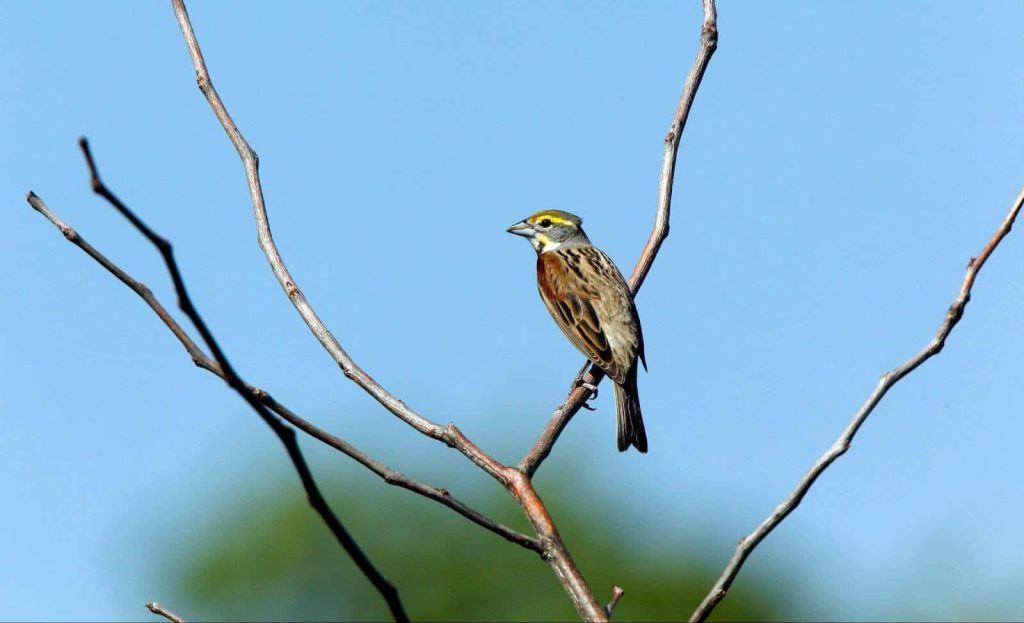
For those feeling a bit blue about the end of summer and the departure of some of the state’s most colorful feathered creatures, take heart. The Natural State hosts an influx of birds, especially from more northern climates, that find our woods, wetlands, fields and prairies a wonderful winter stopover – waterfowl, eagles, gulls, sparrows, kinglets and wrens to name a few.

Which Way?
North American birds travel along four major superhighways in the sky during migration. These routes run along rivers, coastlines and mountains. Millions of birds traverse the Mississippi Flyway through Arkansas, which stretches 2,300 miles and spans 1.5 million square miles along North America’s greatest waterway.

In a world where we rely heavily on smartphones and other electronic gadgets to find our way, birds have us beat on navigation skills. These small, feathered creatures navigate so well that some may travel thousands of miles, through varied terrain and extreme weather, and are able to return to the same place where they were hatched.

People have puzzled over the coming and going of birds for centuries. Thanks to more widespread and updated field studies, such as bird banding and satellite tracking, we’re better informed on the complex methodology of migration.

Join the Flock
More than 400 bird species may be seen in Arkansas throughout the seasons. Learning when they are coming and going can be overwhelming for a novice birder.

Bird nerds – both amateur and professional – flock to the Cornell Lab of Ornithology’s eBird website. Bird sightings, logged by citizen scientists from around the world, are distilled into data that is both useful for science and is enthralling for birders. Visit eBird.org/explore and check out the Bar Charts tab. Choose a region, such as Arkansas, and drill down even further to the county level to explore birds residing in your neck of the woods by month.

For those seeking more information on the spectacle of migration, Cornell and partners host BirdCast where scientists harness radar to analyze real-time bird migration traffic. Billions of birds migrate through the U.S. each spring and fall and amazingly, most fly during the night. Sign up for live and local bird migration alerts.

Here’s a sample of what’s coming and going in Arkansas:

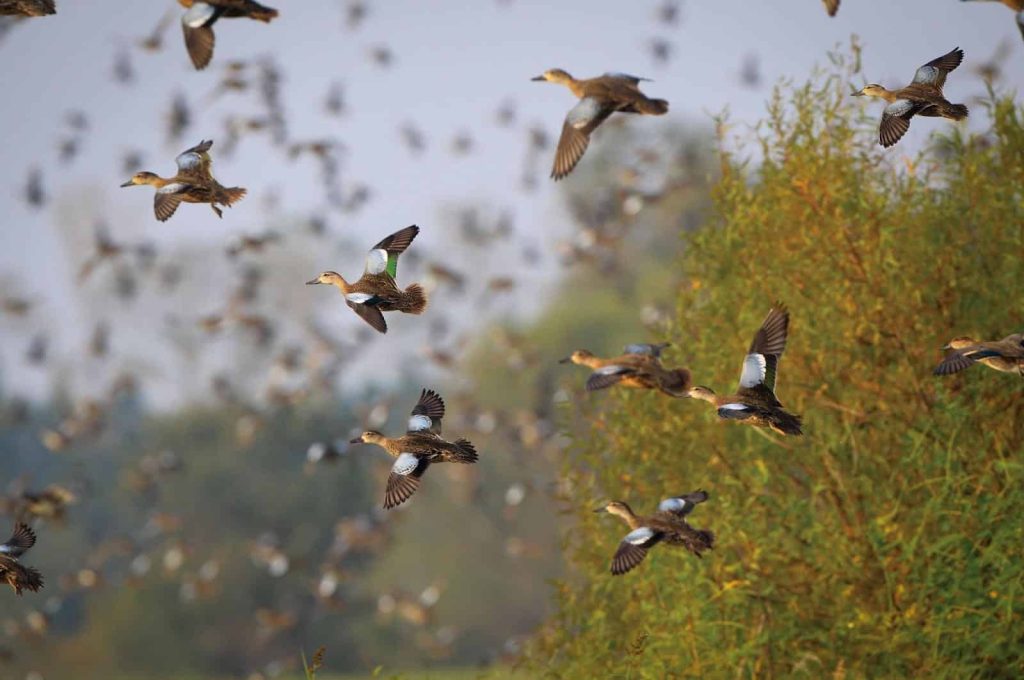
Blue-winged Teal
Blue-winged teal, tiny dabbling ducks, leave the starting blocks well before other fall migrants. Watch for small, fast-flying flocks twisting and turning in unison as they wing their way through Arkansas July through November en route to South America for winter.

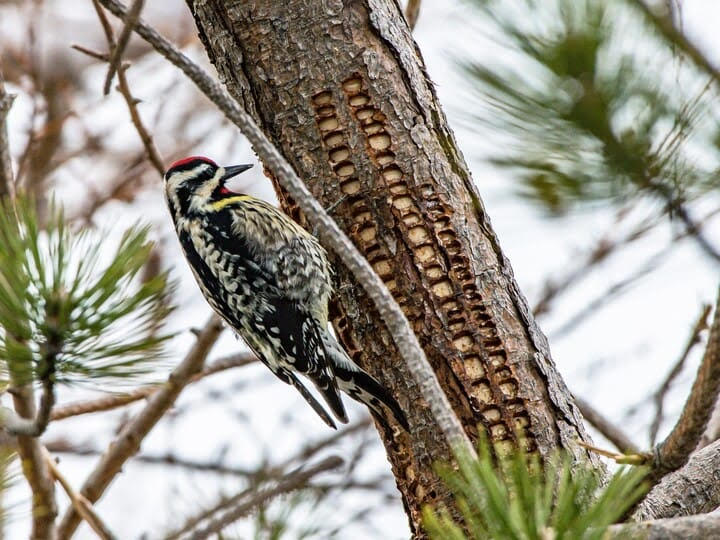
Yellow-bellied Sapsucker
The yellow-bellied sapsucker – the only completely migratory woodpecker in eastern North America – winters in Arkansas. Watch for neat rows of shallow holes in tree bark – the industrious woodpecker laps up oozing sap and trapped insects with its Velcro-like tongue.

Common Loon
Common loons are famous for their hauntingly beautiful calls. Loons enjoy Arkansas’s large, clear reservoirs during winter. Although less vocal during the nonbreeding season, a loon will occasionally emit its yodeling call. Watch for their sleek bodies with subdued winter plumage – plain gray above and white below – sitting low in the water.

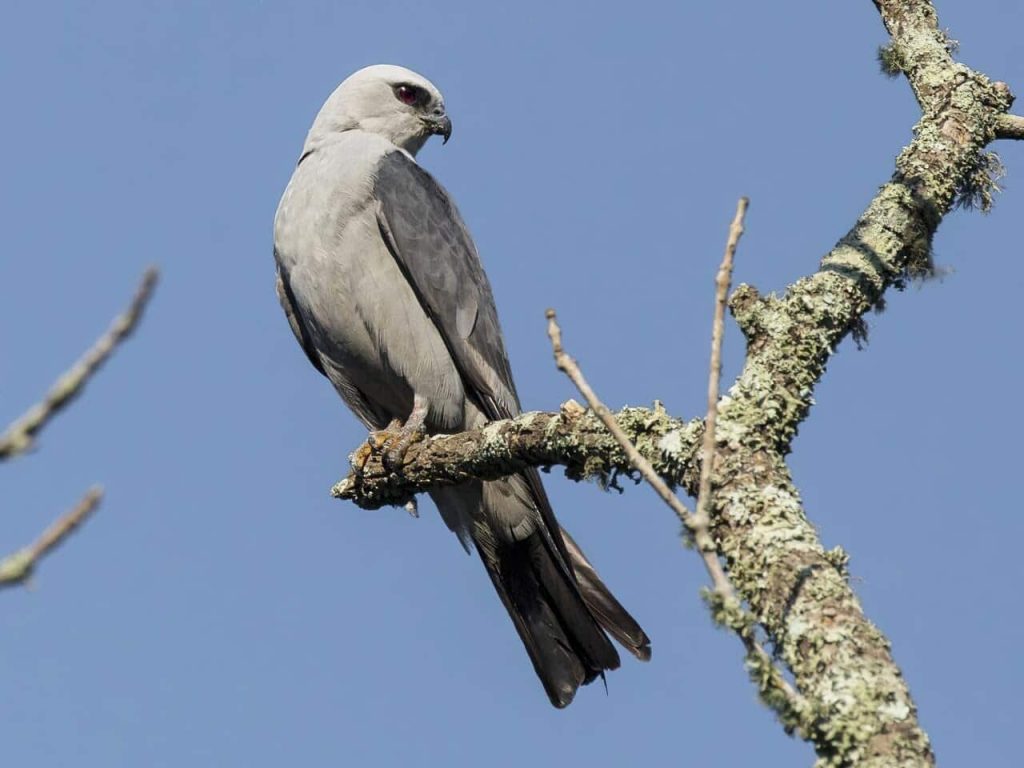
Mississippi Kite
The crow-sized Mississippi kite thrives in Arkansas’s wooded river bottoms to suburban neighborhoods during the breeding season. They careen through summer skies on a quest to capture insect prey, especially dragonflies. After raising their chicks, these streamlined raptors fly to South America for winter.

Ruby-throated Hummingbird
The brilliant red and green flash of the ruby-throated hummingbird delights us at backyard feeders and flowers, spring to fall. Hummers fatten up on nectar and insects before flying nonstop over the Gulf of Mexico on their journey to wintering grounds in Central America.

Keep a List
Many bird watchers enjoy keeping a list of all the birds they have identified. It can be a thrill to see a species for the first time and add it to your life list.

A great way to start is with a yard list, adding every species of bird that visits your property. Check out AGFC’s miniature field guide, Arkansas Backyard Birds, to help identify some of the state’s common species. Migratory birds are exciting to spot, but don’t forget the homebodies that find Arkansas to their liking throughout the seasons: northern cardinals, blue jays, tufted titmice, Carolina chickadees, downy woodpeckers and white-breasted nuthatches brighten our landscape year round.

Keep track of your list through Wings Over Arkansas, AGFC’s award-based program recognizing bird watchers’ contributions to Arkansas’s outdoors. Start a checklist of birds you’ve seen and receive a decorative pin and certificate identifying your level of birding experience.