Robert Louise Sharpe of Waldron, Arkansas went to be with his Lord and Savior, Thursday, January 31, 2024 in Fort Smith, Arkansas with loved ones by his side. Robert was born September 13, 1949 to Harry Sharpe and Bessie Mae (Hadley) Sharpe. He was 74 years old. Robert attended the Winfield Baptist Church in Waldron.
Robert married the love of his life, Debra, in 1987. Together they raised their children and became treasured grandparents. Robert retired from John Deer as a machinist. After retirement Robert and Debra relocated to Waldron where they enjoyed living in the country. Robert went fishing every chance he could, he enjoyed watching car races, bull riding, and old westerns. His favorite past time was spending time with his family.
Robert leaves behind to cherish his memory, his loving wife Debra of the home and his children: Robert Sharpe Jr. of Idaho, Frank Sharpe (Nina) of Claremore, Oklahoma, Joanie Rader (Scott) of Hot Springs, Arkansas and step daughter Angela Zuasanabar (Juan) of Cheyenne, Wyoming. Robert is also survived by his siblings: Harry Sharpe of St. Paul, Minnesota, Jimmy Sharpe of Delaware, Oklahoma, Billy Sharpe of Coffeyville, Kansas, Ann Rexwinkle of Coffeyville, Kansas and Sue Fisher of Kansas City, Missouri. Robert will forever remain in the hearts of a host of grandchildren and great grandchildren. Robert will be missed by all that knew him and the many whose lives he impacted including a host of extended family, friends and neighbors he loved dearly.
Robert was preceded in death by his parents, Harry and Bessie Mae, one son Kevin Sharpe, one stepson Brian Nalley and one sister Charlotte Bland.
Robert’s life celebration will be 2:00 p.m., Wednesday, February 7, 2024 at the Winfield Baptist Church in Winfield, Arkansas with Rev. William Crelia and Rev. Konnor McKay officiating. Arrangements are being entrusted to the Heritage Memorial Funeral Home in Waldron, Arkansas.
Robert’s visitation will be Tuesday, February 6, 2024 from 4:00 p.m. until 6:00 p.m. at the Heritage Memorial Funeral Home Chapel in Waldron, Arkansas.
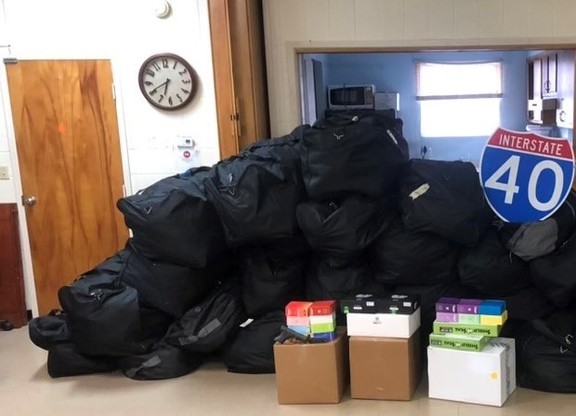
In 2023, Arkansas State Police (ASP) saw a significant rise in illegal drug seizures during traffic stops compared to the previous year. ASP’s Interstate Criminal Patrol (ICP) identified 138 significant seizures in 2023.
The amount of cocaine seizures showed a significant increase, with a total of 353 pounds confiscated in 2023. The street value of the amount of the confiscated cocaine is more than $15 million. These seizures represent a 146% increase from the 2022 seizure of 143.35 pounds of cocaine by ASP.
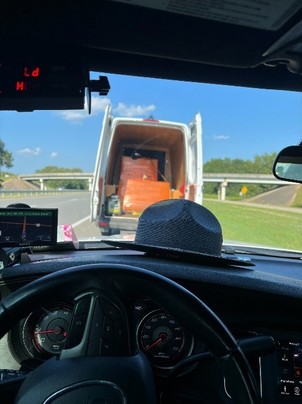
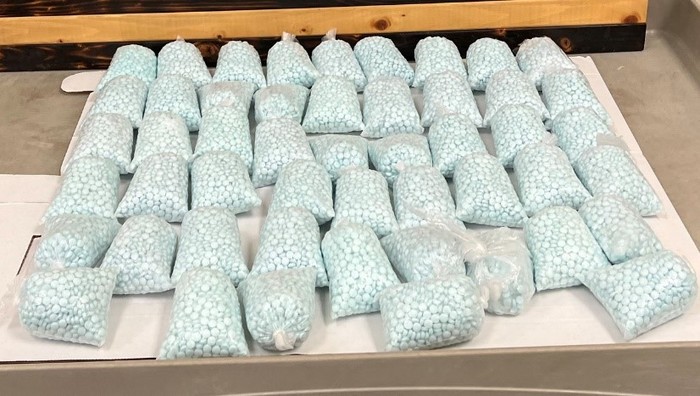
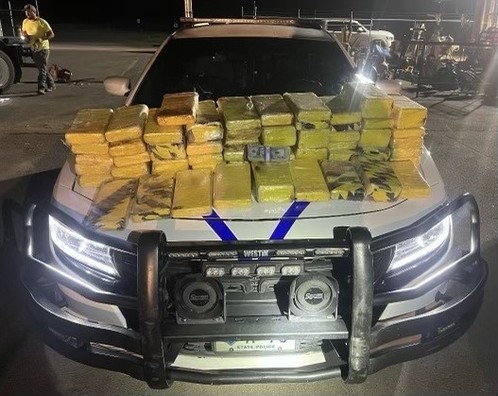
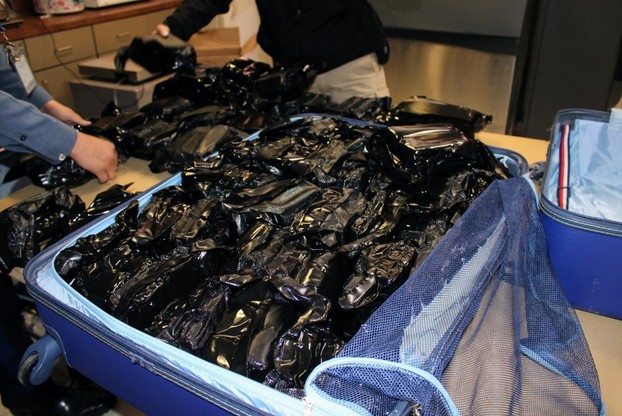
Sprinter van carrying over 1,000 pounds of THC-related items seized in Pulaski County.THC-related items seized in Pulaski County traffic stop.50,000 pills of fentanyl seized in Pulaski County.66 kilograms of cocaine after traffic stop in Lonoke County.Nearly 900 pounds of high-grade illegal marijuana found after traffic stop in Lonoke County.939 pounds of illegal marijuana seized after traffic stop in on Interstate 40 in Crawford County.
“These substantial seizures should serve as a powerful warning to anyone engaged in unlawful activities on Arkansas highways,” said ASP Col. Mike Hagar. “State Police will remain vigilant and committed to keeping the roads safe for law-abiding citizens.”
In June, ASP made the largest cocaine seizure of 2023 on Interstate 40 in Lonoke County. During a search of a truck hauling a track hoe near Lonoke, they discovered 146 pounds (or 66 kilograms) of cocaine. The estimated street value of the illegal drugs is over $6.5 million. The two suspects were transporting a Caterpillar excavator with hidden compartments in the frames of the trailer. As a result of the investigation, the rig, trailer, and excavator were all confiscated.
Illegal marijuana seizures were up by more than 2,000 pounds year to year. 10,386 pounds were seized in 2023 compared to 8,015 pounds in 2022. Seven out of the top ten illegal marijuana seizures came out of Crawford County, with the largest confiscation from a traffic stop on Interstate 40 in January. During that stop, 939 pounds of illegal marijuana and 141 pounds of illegal THC products were uncovered.
The second-highest seizure of illegal marijuana was in December of 2023. ASP found 869 pounds of high-grade illegal marijuana after a traffic stop on Interstate 30 in Lonoke County. The street value of that illegal marijuana was more than $3.6 million. The vehicle’s driver, a 33-year-old from Brazil, was driving from California to Miami. The suspect was charged him with Drug Trafficking, Possession of Drug Paraphernalia, and other charges.
Fentanyl seizures were down but still substantial (65 pounds in 2022 to 46 pounds in 2023). In June of 2023, ASP found 50,000 Fentanyl pills with a street value of over $2 million. The driver and a passenger were taken into custody after a Trooper stopped the vehicle for an improper lane change between Protho Junction and the Interstate 440 interchange. During a search of the vehicle, the Trooper seized 11.83 pounds or 5 kilograms of Fentanyl.
Cash seized during traffic stops increased from 2022 to 2023. Last year, ASP confiscated over $1.4 million, compared to $996,000 in 2022. In September, during a traffic stop on Interstate 40 in Lonoke County, Troopers discovered 18 vacuum-sealed bags of cash hidden throughout a tractor trailer, which led to the seizure of over $545,000.
In 2023, ASP confiscated various illegal THC products, including 187 pounds of marijuana edibles, more than 30 pounds of THC wax, and 1470 illegal THC cartridges from a driver who claimed he was driving through Arkansas from California to Georgia.
Additionally, in October of 2023, ASP and the Arkansas Tobacco Control seized an unprecedented number of illegal cigarettes. The seizure involved 32,671 packs of untaxed cigarettes worth more than $311,000. A Trooper stopped a cargo van on Interstate 40 near Carlisle and discovered numerous cartons of contraband cigarettes during a search of the cargo area.
A 35-year-old from of El Paso, Texas, was charged with Possession of Untaxed Tobacco and Unauthorized Use of Another Person’s Property to Facilitate Certain Crimes.
Other illegal drugs seized in 2023 include psilocybin mushrooms, 1 pound of black tar heroin, 420 bottles of promethazine, and 56 pounds of methamphetamine. During other traffic stops in the past year, ASP confiscated a variety of pharmaceutical drugs, including Xanax, Hydrocodone, and Ketamine, and 21 illegal weapons.
Seized drugs are sent to the Arkansas State Crime Lab for analysis and then stored during prosecution. After cases are adjudicated, the drugs are transported to an incinerator for disposal. Seized weapons are destroyed, later used by law enforcement, or sold at public auction.
Seized cash that is determined to be forfeited goes to prosecuting attorney in the jurisdiction where it was initially seized. Prosecuting attorneys decide how the money is distributed.
Sometimes, money is shared between multiple agencies. When ASP receives funds, it is used to purchase equipment and provide training. 20% of seized funds go to the U.S. Marshals Service in every federal forfeiture.
Hello everyone! We went from winter to spring. I love this weather, such nice days we are having. Punxsutawney Phil has made his prediction; an early spring is headed our way. I know he is just a rodent, but he’s a famous rodent.
Have I told y’all my house is haunted? Every time I look in the mirror, a chubby old lady appears. I thought that was sooo funny.
I want to tell y’all another story about my mother. I’ve told y’all 100 times she had Alzheimer’s. My mom always sang at church and led songs as long as I can remember. Even when she was in advanced stage, she could get up and sing and not forget the words. It makes me cry to think about it. Never missed a beat. She would bless people with her singing and loved to go to church.
I know y’all remember Shirley Gillis. She was such a precious person. Mom would ask her questions about her mom, Marie Clopton that had passed away. Shirley would always answer her and be so patent with mom. Almost without fail, every service mom would ask Shirley how her mom was doing. Even the most patient can break every once in a while. One night after service, mom, again, asked Shirley how her mom was. Shirley responded with, “Janice she is dead.” In my mom fashion, she replied, “whaaaaat?” I laugh thinking about it. That Shirley was a jewel for sure.
When my husband passed away, mom didn’t recognize many people. She was sitting in the kitchen, we had a house full of people, my two brothers were standing outside, and she could see them through the window. She looks and says, “there are my boys.” It made me cry, she remembered them. We had a lot of laughs at my house with her. She loved Jacob and Jimmy and all the little kids. If your mom is still alive, make time for her. You won’t regret it.
This week’s recipe is for a chocolate dump cake. I love chocolate.
CHOCOLATE DUMP CAKE 1/2 cup unsalted butter (1 stick), melted 1 box chocolate cake mix (you can use fudge or milk chocolate, just whatever you like) 1 (5.1 oz.) box of chocolate instant pudding 2 1/2 cups of whole milk 1 (12 oz.) bag semi-sweet chocolate chips Spray a 9×13 pan with nonstick spray and preheat the oven to 350 degrees. Sprinkle the dry cake mix evenly in the pan. Sprinkle the dry instant pudding on top of the cake mix. Add the milk to the melted butter (make sure the butter isn’t too hot). Pour the milk/butter mixture on top of the cake and pudding. Use a whisk to mix slightly, you don’t need to stir entirely, but you do want it slightly mixed, so it bakes evenly. Sprinkle the entire bag of chocolate chips across the top. Place in the oven to bake for 40-45 minutes. Serve with ice cream.
By Mary Hightower U of Arkansas System Division of Agriculture
The art of pruning — knowing what and how to cut — is a key component to growing healthy, productive fruits, nuts and berries.
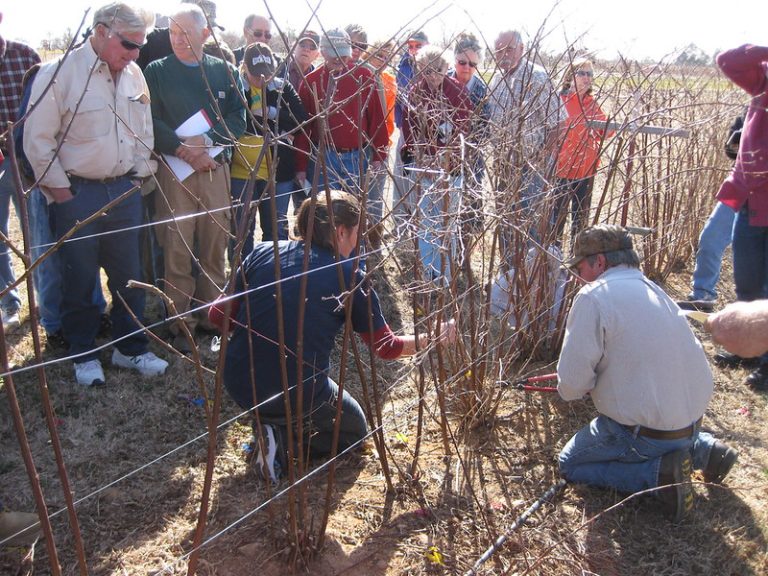
Horticulture experts with the University of Arkansas System Division of Agriculture will be demonstrating proper pruning techniques on March 6 during a half-day workshop at the Fruit Research Station, 1749 State Highway 818, near Clarksville. The workshop runs from 12:30 to 4:30 p.m. Cost to attend is $20 and registration deadline is March 1.
For more info contact Meredith Crawford at mcrawford@uada.edu or (479) 754-2406. Participants may register online.
“Nutrients and protection from pests are only part of the equation for growing healthy and productive specialty crops,” said Jackie Lee, resident director of the Fruit Research Station, part of the Arkansas Agricultural Experiment Station. “Our hands-on workshop is for fruit and pecan growers who want to sharpen their pruning skills for better plant growth and yields.”
The workshop will demonstrate pruning techniques for peaches, blackberries, muscadines/grapes, blueberries and pecans.
To learn about extension programs in Arkansas, contact your local Cooperative Extension Service agent or visit www.uaex.uada.edu. Follow us on X and Instagram at @AR_Extension. To learn more about Division of Agriculture research, visit the Arkansas Agricultural Experiment Station website: https://aaes.uada.edu. Follow on X at @ArkAgResearch. To learn more about the Division of Agriculture, visit https://uada.edu/. Follow us on X at @AgInArk.
About the Division of Agriculture
The University of Arkansas System Division of Agriculture’s mission is to strengthen agriculture, communities, and families by connecting trusted research to the adoption of best practices. Through the Agricultural Experiment Station and the Cooperative Extension Service, the Division of Agriculture conducts research and extension work within the nation’s historic land grant education system.
The Division of Agriculture is one of 20 entities within the University of Arkansas System. It has offices in all 75 counties in Arkansas and faculty on five system campuses.
The University of Arkansas System Division of Agriculture is an equal opportunity/equal access/affirmative action institution. If you require a reasonable accommodation to participate or need materials in another format, please contact (479) 754-2406 as soon as possible. Dial 711 for Arkansas Relay.
When many people think about investing, the first thing that comes to mind is the stock market. And that’s not surprising, as the rise and fall of stock prices is constantly in the news. But if you’re going to achieve your financial goals, you may well need to look beyond stocks and include fixed-income investments in your portfolio.
Fixed-income investments offer three important benefits:
• Income – When you invest in fixed-income vehicles, such as bonds, Treasury securities and certificates of deposit (CDs), you receive regular income in the form of interest payments. And you continue to receive this income until your investment matures or you sell it, no matter what’s happening in the financial markets. Of course, the income you can receive fromfixed-income investments will always depend on the interest rates at which these investments were issued. But if you own a mix of long-term and short-term fixed-income investments, you can gain some protection against fluctuating rates. When market rates are low, you can get greater income from yourlonger-term bonds, which typically — although not always —pay higher rates. And when market rates rise, you can benefitby reinvesting the proceeds from your shorter-term bonds.
• Diversification – If you were only to own stocks, or stock-based mutual funds, your portfolio would be susceptible tohigher risks, especially with market downturns. But you may be able to reduce the impact of market volatility by adding fixed-income investments to your holdings. Bond prices often move in a different direction from stocks, so if stock prices are falling, you might find that the value of your bonds is rising. You can also diversify within the fixed-income portion of your portfolio by owning a mix of corporate and Treasury bonds, as well as CDs,just to name a few.
• Stability – As mentioned, you will always receive interest payments from your bonds if you hold them until maturity. But if you wanted to sell your bonds before they mature, you could get more, or less, than what you originally paid for them. When market interest rates rise, the price of your current bonds will likely fall, as no one will pay you the full price for them when they get newer ones that pay more — this is what’s known as interest-rate risk. Conversely, when market rates fall, the prices of your current bonds will probably rise. But here’s the key point to remember: Bond prices generally don’t fluctuate as much asstock prices. In other words, bonds are typically less volatile than stocks. Consequently, owning bonds can add diversification to your portfolio. And to maximize the stabilizing effects of bonds, you may want to stick with high-quality bonds rated as “investment grade” by independent bond-rating agencies.
How much of your portfolio should consist of fixed-incomeinvestments? There’s no one right answer for everyone. And over time, your interest in these types of investments may well change — for example, as you near retirement, you may want to consider shifting some of your growth-oriented investments into income-producing ones, though you’ll still need some growth potential to keep up with inflation. In any case, the combination of income, diversification and stability provided by bonds and similar securities should be compelling enough for you to find a place for them in your investment mix.
This article is provided by Jeffrey O’Neal, Financial Advisor
The U.S. Fish and Wildlife Service has followed trends in the outdoors since 1955 by conducting the National Fishing, Hunting and Wildlife-Associated Recreation Survey about every five years. It’s a massive, continuous effort.
Public conservation and wildlife agencies across the U.S. – including the Arkansas Game and Fish Commission – and commercial enterprises rely on the survey to reveal peaks and valleys in the numbers of hunters, anglers and others who participate in outdoor-related endeavors. The latest version, the 2022 edition, marks a departure from methods used in the past.
“Though the intent of the survey remains the same, because of changes in the sampling design and how questions were asked, the USFWS is adamant that we not compare the results from the 2022 survey to previous iterations,” Jessica Feltz, an AGFC conservation social scientist, said. “The 2022 survey is now serving as the new baseline for estimates of outdoor recreation in the United States.”
“Starting with the 1985 survey, individual state-level reports became available,” Feltz said. “On top of the national survey, every state automatically got results of a subsample from those who took the survey from their state.”
These state reports were no longer automatic with the 2022 survey, although Arkansas was one of 15 states that opted for a state-specific report. Fighting the urge to make comparisons with previous surveys isn’t easy, although changes in the way the latest survey was conducted make a clear case that such comparisons would not be valid.
According to the latest survey, about 15 percent of Americans 16 and older fished an average of 20 days during 2022. Sixty-seven percent of them were male, seventy-five percent were White and 36 percent were in the 25-44 age group.
“The average expenditure per angler in 2022 was about $2,500,” Feltz said. “This could have been trip expenditures, equipment, license fees or other expenses.” Feltz pointed out that among ethnic groups, Asian-Americans had the highest rate of fishing participation at 20 percent.
In Arkansas, 516,000 people 16 and older fished, or about 28 percent of residents 16-34. Thirty percent of men and 15 percent of women in Arkansas fished; they spent $3.8 billion in 2022. Hispanics led all ethnicities in participation rate at 28 percent. About 391,000 people came to Arkansas to go fishing.
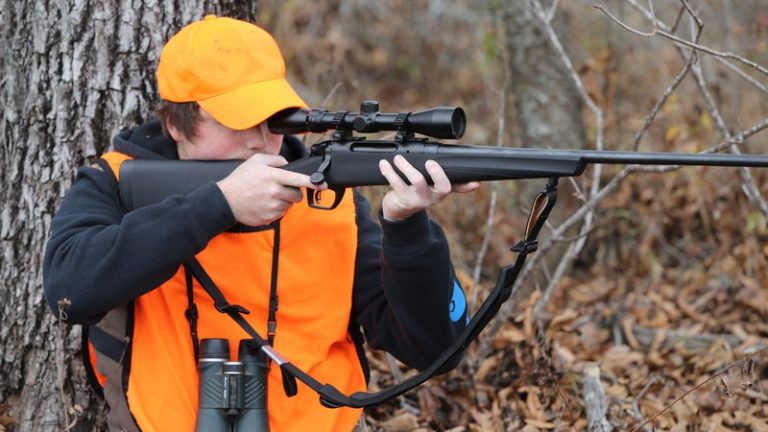
About 5.5 percent of Americans hunted in 2022, and 80 percent of those pursued big game such as elk, deer, bear or wild turkey. They averaged 12 days hunting big game and eight days chasing migratory birds, and spent an average of $857 on hunting-related costs. Seventy-seven percent of hunters were male and 35 percent were 55 or older. About 270,000 Arkansans hunted, or 19 percent of residents 16-34. Eighteen percent of men and 6 percent of women hunted; they spent about $1.7 billion. About 127,000 people came from other states to pursue game in Arkansas.
The survey defined wildlife watching as “closely observing, feeding or photographing wildlife, visiting public spaces to view wildlife, and maintaining plantings and natural areas around the home for the benefit of wildlife.” Trips were captured as either being done around the home or greater than one mile away from the home.
Fifty-seven percent of Americans fit the definition. Birding was the most popular activity among wildlife watchers; birders averaged 78 days in 2022, and 44 percent of them traveled to observe birds. Each wildlife watcher spent an average of $2,188.
Sixty-four percent (1.5 million) of Arkansans 16 and older were wildlife watchers, including 69 percent of men and 60 percent of women. About 1.2 million people came to see wildlife in Arkansas. Wildlife watchers in the state spent $7.1 billion during the year. Sport-shooting statistics were included in the survey for the first time, revealing that 47 million Americans participated in target shooting in 2021 (579,000 Arkansans). Nineteen million people participated in target archery (248,000 Arkansans) and 48 million (499,000 Arkansans) took part in motorized pleasure boating (not fishing). These figures are just a glimpse of the statistics captured within the revamped national and state surveys, which will stand up to comparison in the future.
Visit the USFWS survey site to learn more about the results of the survey on a national level.
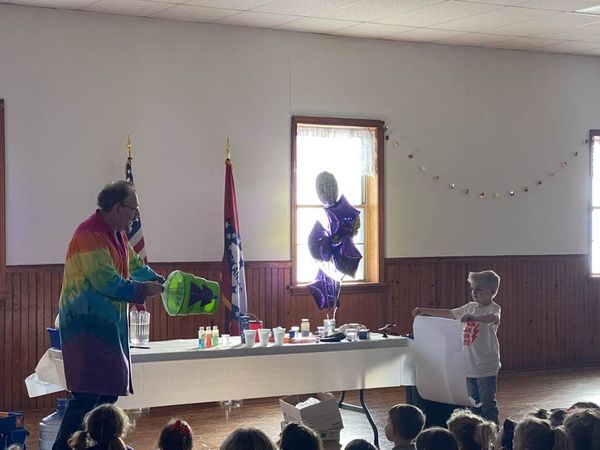
Paris Saint Joseph’s Catholic school celebrated the National Catholic Schools week on Jan. 28th to Feb. 4th. The school organized a week of special events to celebrate the role and importance of Catholic education to the community. The week began with a proclamation by Mayor Daniel Rogers followed by a special science program presented by the Doctor of Science; Curtis Varnell, science specialist at the Guy Fenter Education Service Coop. All students dressed up in sports jerseys for the ‘Souper Bowl” canned soup drive to benefit the community Outreach of Logan County. On Tuesday, it was teacher dress day with students dressing as teachers for a day. During the day, the living Rosary was presented in the church hall and the kids enjoyed a day of fun with a movie and a trip to Daddio’s arcade with games, pizza and snacks.
The Kinders music group, presented a 45-minute concert on Wednesday. Supported, in part, by the Arkansas Art Council, the group were a big hit with the students.
Other events were conducted throughout the week with special mass services, singing, guest speakers from the community, and a grandparents visit.
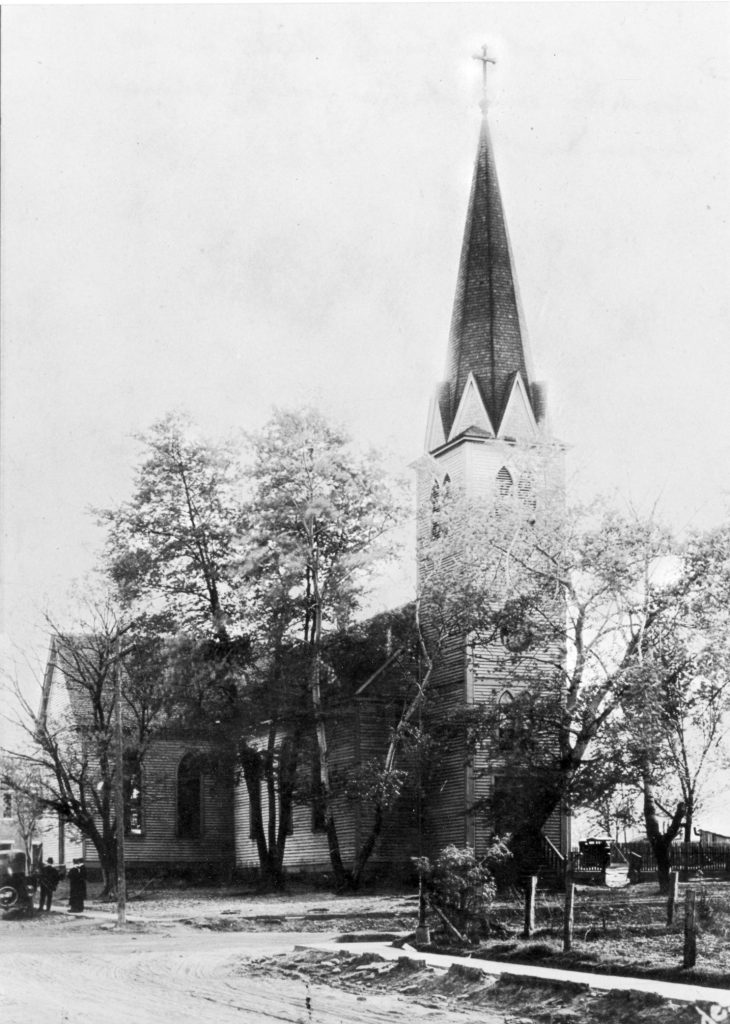
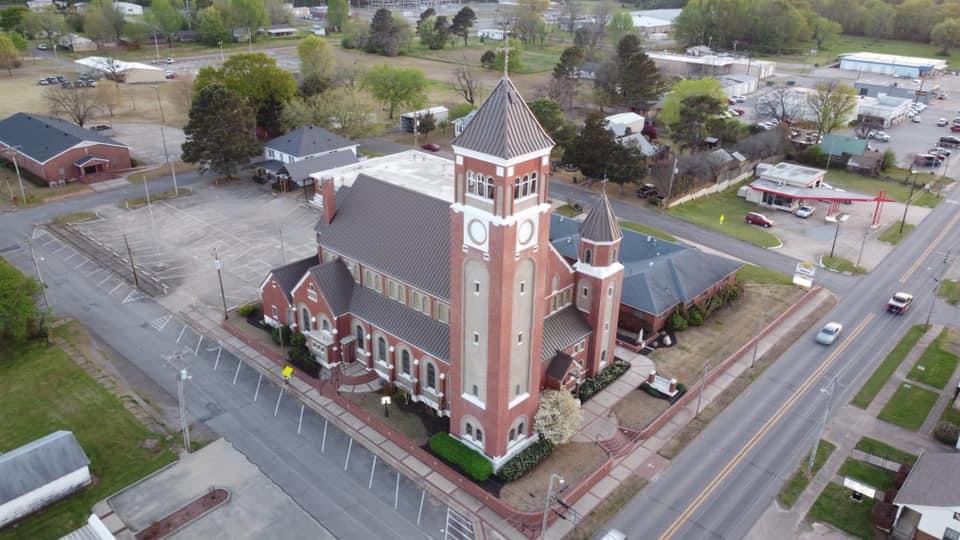
St. Joseph’s school and church has been a big part of the community for more than 100 years. The first St. Joseph’s was built at the present site in 1881. It consisted of a white frame building with an “onion” steeple with no bells. Bells were later added when a platform was built on the west side of the church and daily tolling of the hours became a part of downtown Paris.
A four room house and a one room school eventually were added south of the main building. Over the years, the facilities have been improved and expanded to include the present day campus. The church is now a large beautiful building, a bell tower, and an expansive chapel and organ. The school is located directly behind the church and consist of several classrooms, a basement cafeteria, and a new two room building that houses pre-school and kindergarten. School days began daily with a visit to the church followed by every student meeting at the flagpole for the pledge. The goal has always been a quality education in a Christian environment and St. Joseph’s has, and continues, to provide this for the students of North Logan County.
FORT SMITH, Ark. – University of Arkansas – Fort Smith Men’s Basketball continues its stretch of four straight home games this week by hosting UT Tyler and No. 5 Dallas Baptist at Gayle Kaundart Arena at the Stubblefield Center.
The Lions will host UT Tyler at 7:30 p.m. Thursdayand then No. 5 DBU Saturday at 3 p.m.
Both games will be streamed on the Lone Star Conference Digital Network and broadcast on Fox Sports Radio 103.5. Live stats will be available at uafortsmithlions.com.
NOTES:
LAST WEEK: The Lions came up short at home in defeats to Midwestern State and Cameron.
RECORD WATCH: Guard Payton Brown ranks sixth with 1,095 points and fifth with 152 career made threes. Guard Cameron Bush ranks ninth with 172 assists and sixth with 87 steals.
SEASON BESTS: Guards Kobe Campbell and Tyler Frederick each tallied season bests in points against Cameron with 19 and 15 points, respectively.
THE LAST TIME: The last time UAFS faced DBU as a ranked opponent at the Stubblefield Center, the Lions defeated the Patriots, 72-70, in February 2021.
SCOUTING UTT: The Patriots have lost six in a row and are 2-16, 1-11 LSC. UT Tyler is currently winless on the road this season at 0-7. The Patriots are last in the league in scoring at 66.3 points per game, with only guard Bryce Roberts averaging double figures at 12.9 points per game.
SCOUTING DBU: The Patriots had their eight-game win streak snapped last week before bouncing back to enter this week 16-2, 10-2 LSC and are No. 5 in the NABC Top 25. DBU leads the LSC in scoring at 91.1 points per game and is second with a 49.8 percent shooting percentage. Guard Cameron Kahn is second in the LSC averaging 20.6 points per contest.
THE SERIES: UAFS is 5-3 all-time versus UT Tyler and 14-16 against Dallas Baptist.
Waterfowl dominate a person’s view on any drive through the Delta in winter – blanketing an agricultural field, bobbing in shallow water or traveling high in the sky in formation. But sharp eyes may also spot two other migratory birds taking advantage of Arkansas’s open country.
The northern harrier and the short-eared owl arrive in Arkansas during fall and depart each spring. While one is a hawk and the other an owl, they are sometimes mistaken for one another. Both birds regularly hunt the same areas and fly close to the ground in pursuit of prey. While in their breeding territory in the northern U.S. and Canada, both also nest on the ground.
Northern harrier adult male. Photo by Jerry Liguori, Macaulay Library.
Distinct even from a distance, northern harriers hunt from the wing and fly stealth missions low over grasslands and fields. With long wings and long tails, males are grayish above with black wingtips while females are brown above and pale below with brown streaking. Both sexes sport a white patch on their rump – an obvious field mark while in flight. Watch for outstretched wings held in a V-shape, similar to a turkey vulture, as they teeter side to side in flight.
An up-close look reveals an owlish face with stiff feathers to funnel sounds to their ears. Unlike other hawks, northern harriers use their sense of hearing along with sight to capture prey, small mammals and birds like cotton rats, house mice, harvest mice, rice rats, shrews, meadowlarks, cardinals, blackbirds and sparrows. They also are capable of taking bigger prey like rabbits and ducks.
Watch for these graceful raptors in eastern Arkansas, along the Arkansas River Valley and bit less regularly in the western Ozarks.
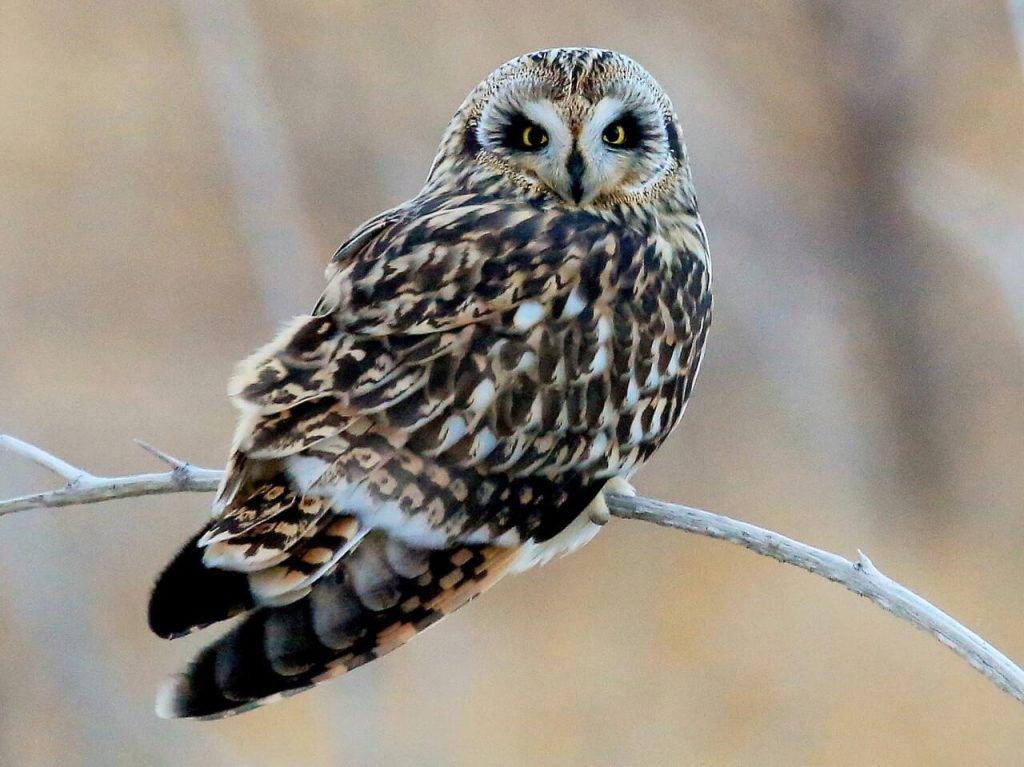
Short-eared owl. Photo by Tim Lenz, Macaulay Library.
Short-eared owls, unlike most owls in The Natural State, regularly hunt in the middle of the day. And unlike other Arkansas owls, they roost on the ground as well as on fence posts and low brush. They are most common in the open croplands and fields of Arkansas’s Grand Prairie. They’re often spotted along with large flocks of blackbirds that congregate in these areas.
When vole populations erupt in an area, short-eared owls arrive on the scene to dine upon the plump, little rodent. Their dissected owl pellets also often show the bones of grackles, red-winged blackbirds, meadowlarks and starlings.
Look for short-eared owls flying over fields in search of prey. While sometimes confused with the northern harrier, they have a different flight pattern – a bit like a large, tipsy moth. They are slightly smaller than a crow and are a streaked, tawny-brown color. Watch for light spots on their upper wing and dark spots at the bend of the wing on the underside.
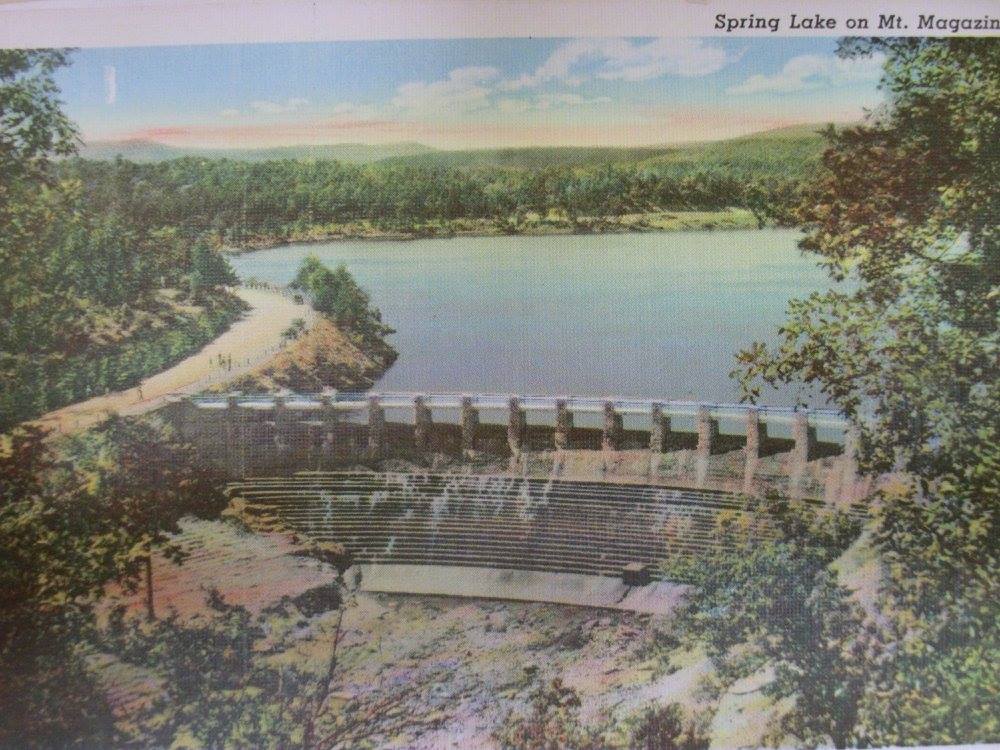
Going to the mailbox was once a much anticipated event. Living in a rural area, the postman would arrive in the early afternoon and stuff the mailbox with advertisements, newspaper, letters and postcards. Letters and postcards were our ties to our relatives and friends that did not live in the immediate community. The pages of flowing cursive described the lives of those we loved; things as important as marriages and deaths or as mundane as going to visit Aunt Clara at her home on Sunday.
Special events and vacations required pictorial postcards. Traveling to California, we purchased cards depicting the Grand Canyon, Painted Desert, and even the tepee constructed motel we stayed in overnight. Many small town photographers would even take your photo in front of a local historical site and construct you a special pictorial card on site. Letters, cards, and newspapers were the way of keeping in touch with the world and what was happening outside one’s small community.
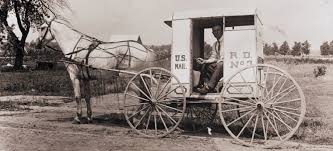
The written word has always been of prime importance to our country and democracy itself. The U.S. Postal Service was established in 1775 and Benjamin Franklin was appointed as the first Postmaster General. George Washington and other founders felt communication between people and colonies was a necessity for the maintenance of democracy and the unification of the country. Postal routes were established with mailmen making regular delivery to central locations called post offices. These offices were located along rivers or existing primary roads. People from surrounding areas would them come to these offices and receive their mail.
Even before Arkansas became a state, mail was delivered by steamboat along the White, Ouachita, and Arkansas River. Land routes existed on the old Southwest Trail and the Military roads with stops at Batesville, Texarkana, Little Rock, Conway, Fort Smith and smaller towns in between. As the state grew, smaller “postal” roads were built to connect outlying areas and “offices” were established in areas where people congregated. The job of area postmaster became a preferred government position and many appointments were handed out as political favors.
For generations, people preserved those old letters and cards. Stacked into small collections separated by rubber bands, they were stored in cardboard boxes or old cedar chests; a treasure trove of information about the past. Many of the old letters are just items that allow you to connect with your ancestors but some have much greater value. Letters from our country founders provide the basis for much of our history. They describe the foundations of democracy, establish our bill of rights, and tell us of the struggle to maintain the integrity of our country. Where would we be without the letters between Jefferson and Washington, notes from Lincoln and his cabinet, or Martin L. Kings letters from the Birmingham jail? Letters allow us to delve into private conversations, thoughts, and relationships.
I recently received a trove of letters from the Civil War. I now know what it was like for the wife left behind while the husband was away. The terrible loneliness, the despair of trying to care and feed your children, and the terror created by the bushwhackers. Another, more recent letter from Vietnam expressed the fear of dying and concluded with, “what if they gave a war, and nobody came.” Poignant words from a poignant time!
After a week of snow, my mailbox is completely empty. Messages from my family by phone or email may inconvenience a lot of electrons but there is little or no evidence of their occurrence. Post-offices are closing, there is even talk of moving our mail distribution from Fayetteville to a larger city. Just not enough volume to warrant the expense. Today, we are overwhelmed with the spew of information from mass media, virtually all of which involves the movers and shakers of the world. Without the written word, we are losing the thoughts, hopes, desires of the common people who make up our world.