86.6 F
Fort Smith
Thursday, June 18, 2026
Home Blog Page 279

Arkansas 4-H honors teen leaders, announces Hall of Fame inductee  

By Tracy Courage
U of A System Division of Agriculture

Arkansas 4-H honored some of its best and brightest leaders June 7, inducting its newest member of the Arkansas 4-H Hall of Fame and announcing 54 new Teen Stars who are leaders in their clubs and communities.

The honors were bestowed during the Arkansas 4-H annual Teen Leader Conference that brings together 100 teenagersfrom across the state to the C.A. Vines Arkansas 4-H Centerfor leadership development this week.

The three-day conference is open to 4-H members ages 14-19 and is designed to help prepare teens for leadership and service responsibilities in their local clubs and counties. In fact, the entire conference is planned and organized by the Arkansas 4-H state officers and 4-H Ambassadors. 

“This conference demonstrates the caliber of young leaders we have here in Arkansas,” Arkansas 4-H director Debbie Nistler said. “I’m excited to see what they do in the future as young adult leaders.”

This year’s theme — “Planet Clover” — focuses on creating space for youth to explore ways to develop their leadership skills. The clover is a reference to the 4-H emblem, a four-leaf clover. The youth organized several space-themed activities,including a Flying Saucers cooking challenge, STEM experiments, and a Shooting for the Stars leadership and confidence-building activity.

Hall of Fame

Ethan Wolcott of Sevier County was inducted into the Arkansas 4-H Hall of Fame, an award reserved for one 4-H member who demonstrates high achievement, commitmentand service.

Wolcott has been a 4-H member since 2011 and was a Teen Star, a 4-H Ambassador, a 4-H camp counselor and a two-time finalist for the 4-H Governor’s Award. He and his father started the Sevier County Community Changers 4-H Club, which focuses on community service, Wolcott’s passion. Wolcott has participated in food, clothing and disaster relief drives and has developed leadership skills through community service. One summer Wolcott launched a Be Cool Stay Cool Fan Drive, raising enough money to donate 94 fans to senior citizens in his community.

“It’s surreal,” Wolcott said, shortly after receiving the Hall of Fame award. “I want to use this momentum to continue doing what I’ve been doing — helping my community and sharing 4-H with others.”

Wolcott, 19, recently graduated from Cossatot Community College of the University of Arkansas where he completed an Associate of General Studies. He plans to pursue a bachelor’s degree in K-6 education so he can teach history.

Annabelle Ferren of White County was a finalist for the Hall of Fame award. With projects in arts and humanities, she hasserved as a Teen Star, a 4-H Ambassador and vice president of the Arkansas 4-H officer team. Her community service has involved work with food pantries, animal shelters and Special Olympics. 

Teen Stars

Arkansas 4-H recognizes its members for outstanding achievement in 4-H projects and activities, leadership and community service with the Teen Star recognition.

This year’s 54 Teen Stars were selected from hundreds of applicants and represent 27 counties. The recognition paves the way for these young people to move into higher positions of leadership as 4-H Ambassadors, who can run for state officer positions. Any Teen Star who is graduating high school can also apply for the $1,000 Zack O. and Jennie D. Jennings Scholarship. 

Gracie Goodwin, 15, of Pike County, was enjoying the first day of the conference as a Teen Star. 

“I hope to gain leadership skills and knowledge,” she said. “After this, I plan to apply to be an Ambassador.”

Other teens, including Olivia Kossman from Carroll County and Kinslea Fowler, 14, of Prairie County, have already set their sights on running for 4-H state office.

“I’ve been in 4-H for 11 years,” said Kossman, who has animal science projects. “I’ve wanted to be a state officer for a while.”

Other teens were content to listen to speakers and participate in the group activities.

Elijah Gaskin, a member of the Velvet Ridge 4-H Club in White County, has been in 4-H for 10 years and has a public speaking project. 

“I’m just here to meet new people and learn to be a better leader,” he said.

This year’s Teen Stars include:

Baxter County — Hannah Dooley

Benton County — Kolby Campbell, Daniel Darnell, Natalie Campen, Emily Jackson, Ramsey Puryear, Caroline Epperson, Brooklyn Luedecke and Hailey Harris

Carroll County — Olivia Kossmann, Jesse Warner and Andrew Rexwinkle

Clark County — Brady Daniell

Columbia County — Dawson Dooly

Faulkner County — Grace Branscum and Joy Garst

Franklin County — Ava McCartney

Garland County — Lara Lowry and Canaan Hunter

Grant County — Gavin McGinley, Gracie McGinley, Callen Shaw, Klaesy Knoefler and Aleecia Lewis

Greene County — Annah Martin

Hempstead County — Kassidy Beasley

Hot Spring County — Rylee Ray, Emma Eubanks, Atlanta Nelson and Jace Ramsey

Howard County — Anna McKinnon

Independence County — James Street and Annaleigh Mead

Little River County — Chelsea Cowan

Logan County — Shawn Hertlein

Madison County — Vallie Yancey

Marion County — Kaylee Cheek and Taylor Henley

Montgomery County — Opal Samons and Sawyer Beggs

Pike County — Gracie Goodwin

Pope County — Shelby Bateman

Prairie County — Kinsea Fowler

Saline County — Ian Price

Sebastian County — Karly Jones, Drake Slate and Mary Dunn

Union County — Alena Senn

Washington County — Alyosha Wood, Hemali Gauri, Rylie Bignar and Mayciee Dawdy

White County — Jonathan Watkins and James Gaskin

To learn about 4-H and other extension programs in Arkansas, contact your local Cooperative Extension Service agent or visit www.uaex.uada.edu. Follow us on Twitter and Instagram at @AR_Extension. To learn more about Division of Agriculture research, visit the Arkansas Agricultural Experiment Station website: https://aaes.uada.edu. Follow on Twitter at @ArkAgResearch. To learn more about the Division of Agriculture, visit https://uada.edu/. Follow us on Twitter at @AgInArk.

About the Division of Agriculture

The University of Arkansas System Division of Agriculture’s mission is to strengthen agriculture, communities, and families by connecting trusted research to the adoption of best practices. The Division of Agriculture conducts research and extension work within the nation’s historic land grant education system through the Agricultural Experiment Station and the Cooperative Extension Service.

The Division of Agriculture is one of 20 entities within the University of Arkansas System. It has offices in all 75 counties in Arkansas and faculty on five system campuses.

The University of Arkansas System Division of Agriculture offers all its Extension and Research programs to all eligible persons without regard to race, color, sex, gender identity, sexual orientation, national origin, religion, age, disability, marital or veteran status, genetic information, or any other legally protected status, and is an Affirmative Action/Equal Opportunity Employer.

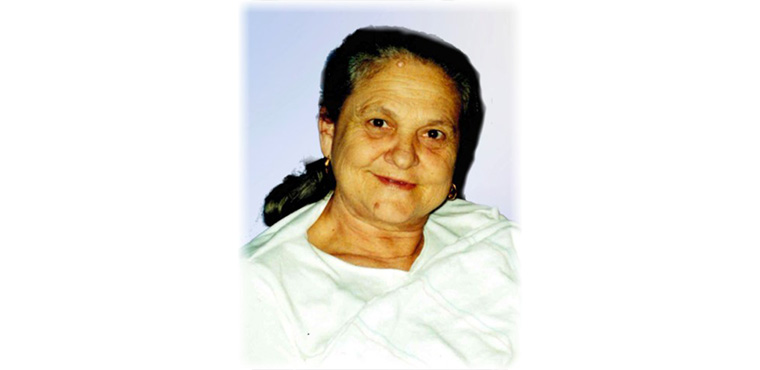
Obituary – Vera Mae Montgomery (1940-2023)

Vera Mae Montgomery, 82, of Waldron, Arkansas passed away on June 8, 2023 at a Fort Smith hospital. She was born October 9, 1940 to the late LeeRoy and Lillie Johnson in Waldron, Arkansas. She was a wonderful wife, mother and a loving grandmother, great-grandmother and great-great-grandmother.

She is survived one daughter, Deborah Gail Silvey and husband Bub, one son James Alton Montgomery and wife Roselyn, one brother Kenneth Johnson, nine grandchildren, nine great-grandchildren and three great-great-grandchildren.

She was preceded in death by her husband Alton Derial Montgomey, her father and mother LeeRoy and Lillie Johnson, nephew Kane Lee Johnson and great-great granddaughter Rae Lynn Hunt.

Vera was a hard worker and worked at the chicken plant in Waldron for fifty years. She had many friends among her coworkers and never met a stranger. She will be missed by all her family and friends.

Visitation will be held Sunday, June 11, 2023 at 2:00pm till 5:00pm at Martin Funeral Home Chapel in Waldron , Arkansas.

Funeral service will be Monday, June 12, 2023 at 10:00am at Martin Funeral Home Chapel with interment following at Friendship Cemetery.

Online condolences may be sent at www.martinfuneralhomes.com

Greenwood Woman Killed in Crash

A Greenwood woman was killed in a car crash on Thursday, June 8. According to the Arkansas State Police report, Betty Ann Yarberro, 70, was traveling east on Highway 10 before her vehicle left the roadway and struck a culvert. The 2013 Toyota Rav4 went airborne and Yarberro was ejected from the vehicle.

ASP reported that the next of kin had been notified, and that there were no others injured in the crash.

Rachel O’Neal to Continue Family Tradition of Military Service

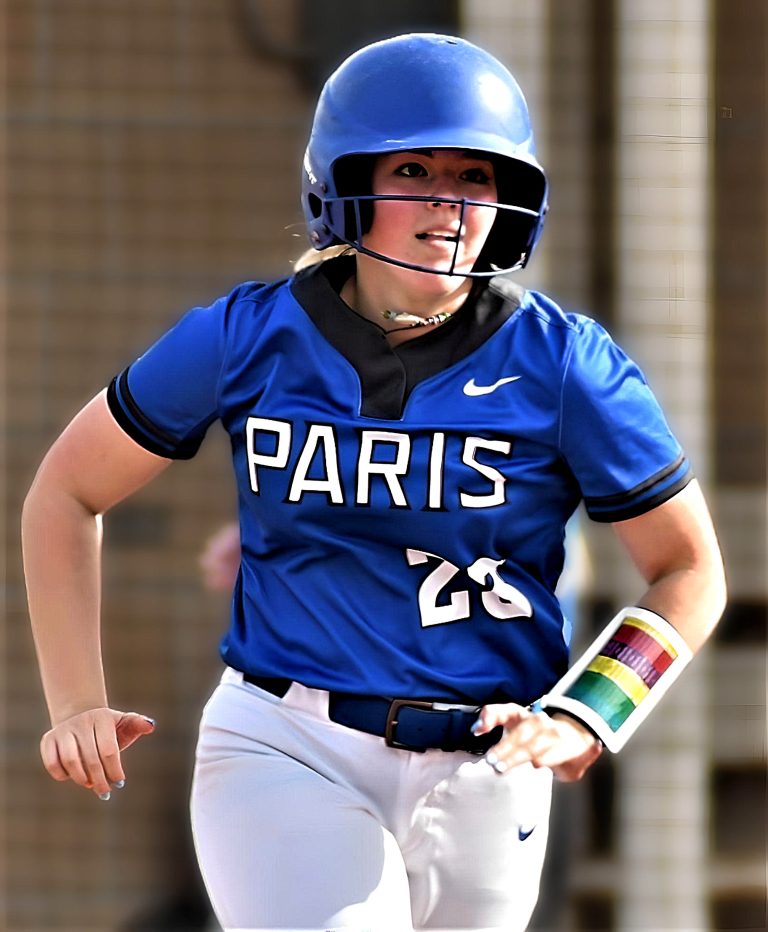
Multi-sport letterman and Paris Class of 2023 graduate Rachel O’Neal will continue the distinguished tradition of military service that has been the hallmark of her family. Rachel will be the fourth family member to take a distinctively different pathway in her career, but will be another member of her family to serve in the United States Army.

Rachel’s father, Jeffrey O’Neal, is a first-generation West Point graduate in the O’Neal family. Jeff and his wife, Michelle, have lived much of their lives as a military family, most recently living in Hawaii at the end of Jeff’s career before relocating near family in the Paris area. The O’Neal’s son, Jackson, is the most recent West Point graduate in the O’Neal family, having graduated from the United States Military Academy a few weeks ago.

But the O’Neal tradition of service does not end there. Their son Beau, graduated college from Missouri S&T in May of 2021. He enlisted in the Army in May of 2022 and became a combat medic and paratrooper assigned to the 11th Airborne Division at Fort Richardson, Alaska.

And now, their daughter, Rachel, will be the next member of the family to serve in the United States Army. Rachel, a three-sport letterman for three years at Paris, and a two-sport letterman her senior year for the Lady Eagles, will enroll this fall at the University of Arkansas in the Army ROTC program. Upon graduation from Arkansas, Rachel will begin her career in the Army as an officer, a Second Lieutenant.

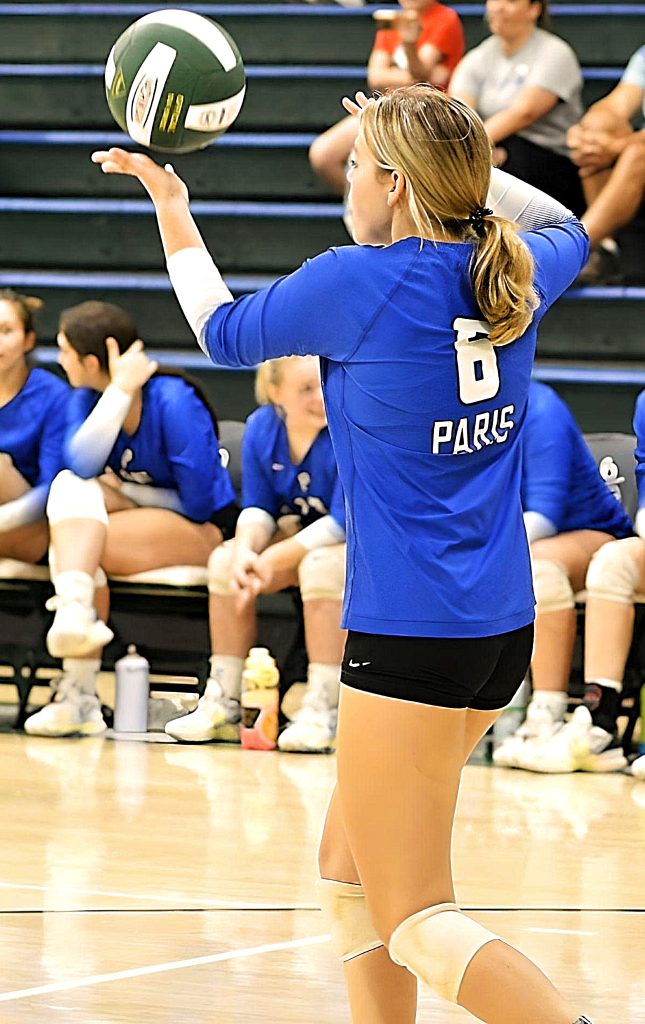
Rachel O’Neal was a key player on the Eagles’ 2021 state championship volleyball team (RNN Sports File Photo / Jim Best)

But Rachel’s plans don’t end there. Rachel’s plan is to serve as an Army officer and train as an Army nurse. At Arkansas, she will become a registered nurse, and will have a bachelor’s degree in nursing when she graduates. She plans to take advantage of the nurse training opportunities in the Army and ultimately become a traveling nurse as a career.

Recently, I had the opportunity to sit down with Rachel at a local restaurant and visit with her about her post-secondary plans. I recorded her comments for our readers, and I think you will be as impressed with her as I was with her maturity and the thoughtfulness she has invested into her planning for life after high school.

After just finishing high school and with graduation behind her, Rachel commented that “It is nice not to have any schoolwork or anything; it’s nice just to relax.” But after the short break to catch her breath from the whirlwind final days of high school, Rachel will turn her attention to the next goal in her life, and that is to become a nurse.

As I shared earlier in this story, Rachel will take the ROTC officer training route in eventually earning a degree in nursing and moving on in both practice and training in the military. When I asked her about what was involved and the number of years she is committing to her dream, Rachel shared, “My obligated number of years of military service after graduation from the University of Arkansas I believe is three years. I will go in as a second lieutenant. After that, I will get stationed somewhere and then I will get to be a nurse at one of the military hospitals on a base. At first, I will have to go to Fort Sam Houston which is where my brother did all of his combat medic training. I’ll go there for about six months and will do extra training there. I will get my nursing degree at the U of A, so I will go through nursing school there.” So, in four years, Rachel will be an officer in the Army and will also be a registered nurse. Quite an accomplishment to have so many qualifications in just four years after high school. In fact, Rachel shared that her training at Fort Houston will be excellent…in fact, among the best in the nation.

After completion of training at Fort Sam Houston, Rachel could be stationed anywhere. “I could be stationed anywhere, really.” The clock will begin ticking on her three-year commitment to the military immediately following graduation from the University of Arkansas. The training that Rachel will receive will be part of that three-year service requirement. When I asked her if she thought at this point if she would re-enlist and continue to serve beyond the required three years, Rachel answered by saying, “I think that would depend on how I feel about it at that time. I will probably stay in longer than that, because three years is really just one move (relocation). If I want to travel and do things like that, I will probably stay in longer. And I think I will enjoy it. I know what it is like for the most part, so I think I will want to stay in.”

To say that Rachel’s family is proud of her is an understatement. We talked about Rachel’s family influence in her life, and she openly shared, “I know my dad mentioned something to me about how I could go to the University of Arkansas, and I could get a really good scholarship and go, and the way to do that was to go the ROTC route. Before that, I was thinking about nursing, but I was just thinking “maybe nursing” and possibly the Navy, but then I thought I really didn’t want to just hang out on a boat all of the time, so I really didn’t think about it much anymore. Then, I started taking medical classes at Paris High School from Mrs. Fawcett and then I started to think about how this could be something I could do. My dad did more research and found out about the national ROTC scholarship and about how I could get either three- or four-year scholarships to go to the University of Arkansas for free. So, that is basically when we decided that it would be good for me. I am already used to how the Army is, so it wouldn’t be a big shock to me about the way they do things.”

Rachel has always considered the military as her family has had such a distinguished legacy of service. Rachel added, “Anytime we would go visit someone after my dad retired and we would not go to a base, I would miss it. So, I always knew I wanted to do something like that (serve in the military.) But I wasn’t sure because the military is so different. I wanted to be a marine biologist, and I always wanted to research a way that I could do something like that in the military. The only thing was environmental engineering offered at West Point, and I thought about that. But then I decided that I didn’t want to go to West Point; it’s just different. I saw my brother going through it and he really enjoyed it. But it is different, and I wanted more of a college experience like I will have at the U of A.”

Rachel’s family has always been very supportive of her, and that support included not pushing her to follow in the family’s West Point tradition. Rachel described her family’s support by saying, “My dad wanted me to make sure that it (West Point) was something that I wanted to do. It was not his decision, but it was a very sound decision (to go the University of Arkansas) for me because I have everything laid out. I’m very certain about what I want to do, and that is a nice feeling.”

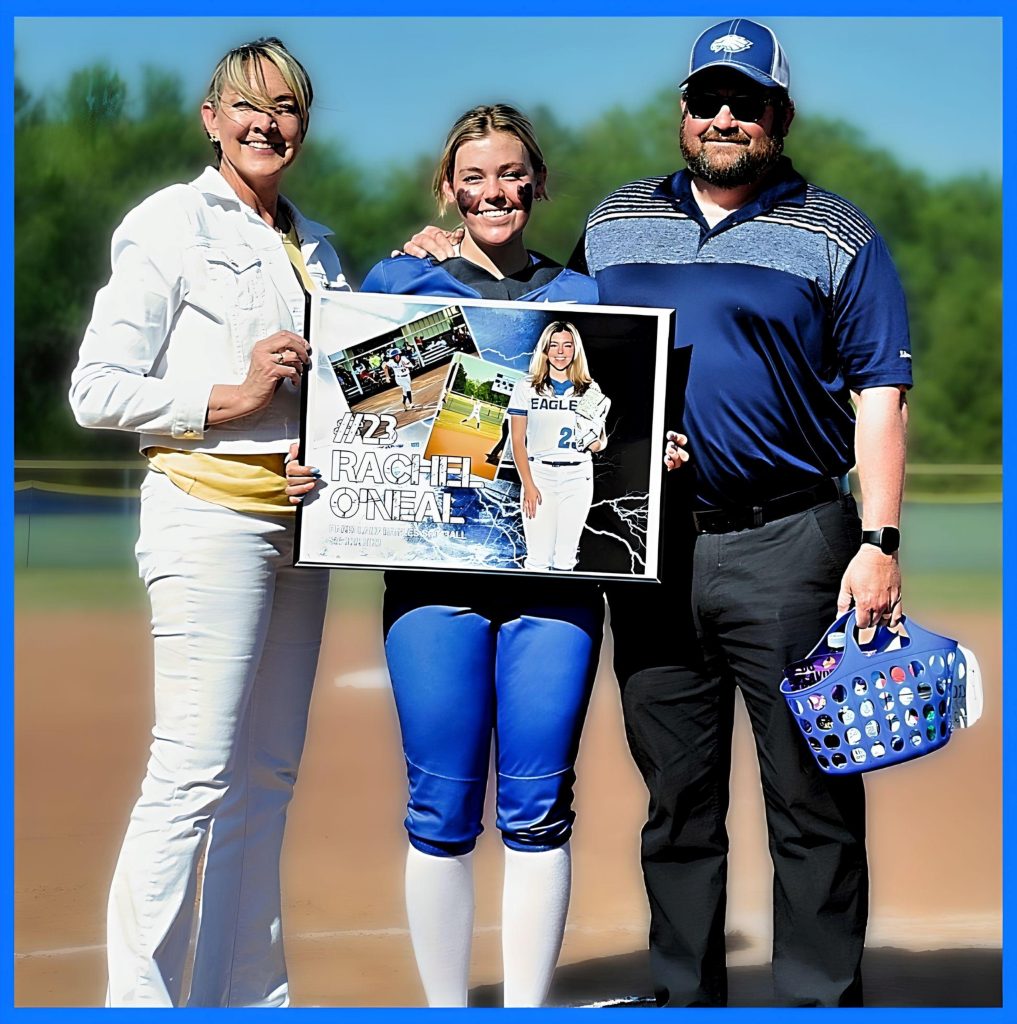
Rachel O’Neal is flanked by her mom, Michelle O’Neal, and father, Jeffrey O’Neal, on Softball Senior Day (RNN Sports File Photo / Jim Best)

Rachel and her family lived in Hawaii for five years before relocating to Paris after her father’s retirement as a military officer. The family relocated to Paris in Rachel’s fifth grade year of school in 2015. I asked her what it was like living in Hawaii, and Rachel said, “I liked it. I really enjoyed it, but the downside was seeing people move away a lot, and that is the kind of sad thing about it. But I do have friends that are everywhere; I have a friend that lives in Pennsylvania, Washington, DC, California, Florida…just like everywhere. I still keep in touch with them and that’s nice. Like if I ever see them, I just have this bond with them forever, which is really nice. But, I liked it a lot (living in Hawaii) living on a base. I always felt really safe, and I always got to…like my mom always said that we had summers in the 80s and we got to just run around. Just hang out, play, do whatever we wanted to do. So, I really enjoyed it…it was very good years in my life.”

The future career that awaits Rachel is virtually unlimited. She will have the opportunity to go as far as she wants to go, and / or go in any direction with her career that follows her interests. “When I get out of the military, I definitely want to become a traveling nurse. That would be just a really good opportunity.” In this writer’s opinion, it is so exciting to visit with young people like Rachel who have their entire lives ahead of them. And Rachel’s hard work has put her in the position that she enjoys today, and the sky is the limit for her. How exciting and heartwarming is that!

And part of that hard work now includes getting herself ready to report for Army ROTC in August. I asked the soon-to-be freshman cadet what she was doing to get herself in shape for her reporting date, and she said, “I have been going to the gym every day; I do need to go on more runs because we are going to be running a lot. But I have been lifting weights…it has just been nice to relax a bit, but I have been working at the pool (Paris municipal swimming pool). We have been doing our lifeguard certification, so I am now Red Cross certified as a lifeguard. I am also CPR certified now, and I am not sure if they will want that when I first begin nursing school, but at least I know that I have that too.”

Rachel graduated from Paris High School in May with High Honors. Her final grade point average at graduation was 3.80 on a 4.00 scale. As a result of her investment into earning not only a high grade point average, but a grade point that included several challenging classes such as pharmacology, Rachel is now the recipient of the Arkansas Challenge Scholarship, the National Artillery Scholarship, and the National ROTC Scholarship.

As time draws near, Rachel is excited about going to school in Fayetteville. She will move into her new residence in mid-August and classes will begin August 15. She will take an academic load of general University classes her freshman year along with some nursing school prerequisite classes that year, as well. She doesn’t plan on participating in the Greek system or in fall rush, but she thinks she will play intramural sports with her ROTC fellow cadets. The time commitment for ROTC would all but prevent her from having time for sororities. “I think I will want days to rest when I have them available from ROTC. I think I will be too busy (to be in a sorority). I think I will make all of my friends through ROTC anyway. It is like a big sorority or fraternity anyway.”

Rachel’s plans reflect upon a mature, young adult who not only has her priorities in their proper perspective but is also refreshingly exciting to see and listen to a young adult think ahead to goals that have been set and plans that have been made to see her to the fulfillment of those goals.

Anyone who knows or has a military member in their family knows all too well that travel and relocation are just part of being in the active military. Rachel and her family have lived all over the world, and adapting to change and meeting new challenges is certainly not new to the O’Neals. Now that Rachel as symbolically closed one door on her high school education and another opens when she reports to the University of Arkansas, I asked her about her feelings during this time of transition. She responded by saying, “I think making the change to being more independent, because, you know, that you go from being with your parents and there is a lot of structure there to being on your own and having to make sure that you do everything yourself. I have to make sure that I have my priorities straight and I make and manage my own schedule. Nobody is going to be forcing me to go to school, so it will be interesting to see that I force myself to go to class and make dinner at a certain time and make sure that I do the other things that I need to do. It’s kind of making the transition from being a kid to being an adult.”

So I will suggest to our readers that Rachel O’Neal is well on her way to becoming the adult that she aspires to be. In many respects, she exhibits more maturity than many, regardless of age. She is a tribute to herself and to her loving family who have supported her and have given her the guidance and tools to be successful.

Rachel O’Neal lettered in three sports in her first three years of high school (RNN Sports File Photo / Jim Best)

RNN Sports would like to say congratulations to Rachel O’Neal for her success in high school in both academics and in athletics, and we wish her all of the best when she starts college at the University of Arkansas this fall. We can’t wait to follow her career and see just how far this outstanding Paris graduate will go!

River Valley & Oklahoma Teams Participate in Charleston Football Camp

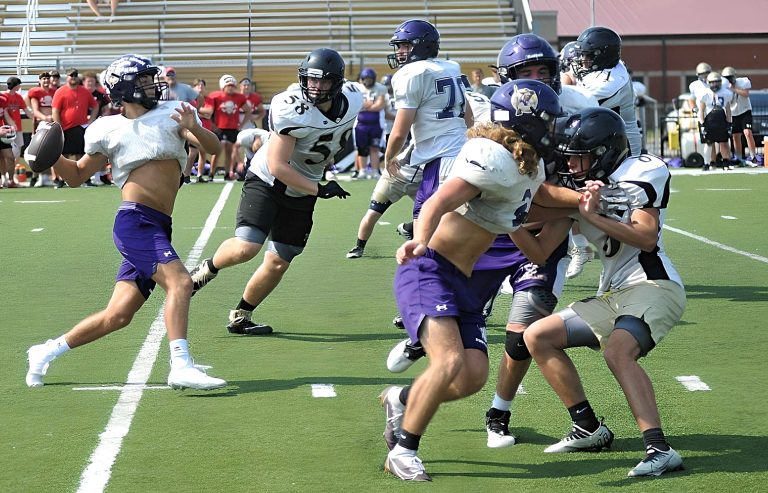
Teams from across the River Valley, including Paris and the host Charleston Tigers, joined three teams from Oklahoma at the Charleston football camp held at Alumni Field on June 5. Charleston will also host camps on June 12 and July 17 before fall practices open in August.

The warm weather was accentuated by the artificial surface at Charleston giving the players a chance to acclimate to the upcoming summer heat. Players practiced in helmets, shoulder pads and shorts with coaches blowing quick whistles to avoid possible injuries at the end of plays.

Teams rotated quickly in and out after every play with all teams having the opportunity to play a lot of snaps on both offense and defense. The camp was efficiently run by the Charleston staff, and each year the camp is well-attended by many schools. And once again, I would like to recognize and commend all of the coaches for conducting the camp in a safe manner, protecting the players as they get used to the rising temperatures going into the summer months of workouts.

At publication time for this story, both Paris and Charleston will have participated in the second camp that was held on Monday, June 12th. But the camp has also included such River Valley schools as Lamar, Ozark, Pottsville, and Danville. Oklahoma schools who participated were Poteau, Heavner, and Panama.

The camps are an important part of summer workouts, especially for young teams that have little playing experience on the varsity level. It is difficult to draw any conclusions about a team’s progress in the short padded sessions, but it is an important part of drilling of plays and sets that were installed in the spring, as well as improving conditioning leading into fall practice.

All Arkansas high school programs will observe the Arkansas Activities Association’s mandatory dead weeks period that this year will be June 25- July 8. No organized workouts or on-campus workout facilities will be available to high school athletes across the state during this time.

After the dead weeks break, most teams will return to organized workouts on July 10. Camps and workouts will continue in July, and preseason practice will begin in August for most teams.

Unofficially, “Zero Week” games will be played on August 25 (date has not yet been published on the AAA website.) Not all teams will open their seasons on Zero Week. Paris has played Zero Week games for the past several years, while Charleston, for example, has not scheduled their opening games until the following week when the Week One games officially open the season. Teams playing Zero Week will have a bye in their schedules, usually around Week Three before the start of the conference portion of their schedules.

Stay with RNN Sports for River Valley football coverage throughout the season!

Hard Work & Dedication Propels Eagles’ Sam Muldrow to College Basketball

PARIS- RNN Sports has highlighted Paris seniors who are moving on to play college sports in the 2023-24 school year. For the small 3A school in Western Arkansas, the Eagles athletic department has produced a proportionately large class of players who will be playing next year at various levels of collegiate competition.

Eagles basketball player Sam Muldrow is part of that list that also includes Jayden Wells, Mason Bradley, and Brailey Forst. So, for the small town of Paris, this is a big thing and is very exciting to the Big Blue Nation of fans that have followed them for several years.

Sam Muldrow, a three-year starter at Paris, will play next school year at National Park College in Hot Springs. Sam started one game in his ninth-grade year, and subsequently started every game from that point forward.

After playing for four different head coaches at Paris in his career, the hard-working Muldrow made the most of his high school opportunities to further his career to play at junior college.

The opportunity to play at junior college keeps his career alive, but also gives him the chance to play with Division I or II talent that may have had injuries or academic challenges that prevented them from being recruited at a higher division school. That opportunity will allow Sam to transition into more of an outside shooter and develop his body for a transfer opportunity later.

Last week, I had the opportunity to visit with Sam on the phone to talk about his high school career, his parents’ support, and the opportunities that await him in Hot Springs. Sam’s interview, along with the other Paris athletes that I have conducted over the past school year was once again a delight to do, and as much as I have always been impressed with Sam as both a person and as a basketball player, our interview impressed me even more of him.

We began our conversation by talking about Sam and his class of basketball players having played for four head basketball coaches. When I asked him about what that was like, Sam started by saying, “It was definitely tough. Having to adjust to a new coach every year and a different coaching style, different plays, and it was also hard personally for me. I would develop a personal relationship with a coach and then he left. I wouldn’t say I was upset with him; he has to do what he has to do, but it was just tough. It’s hard to deal with; but I am a hard worker, so I was able to get through it.”

That work ethic has propelled Sam into an opportunity to play at the next level when he enters college. But in high school, Sam also shouldered an expectation to score every night to give his team a chance to win. Sam carried this expectation with class and determination. I asked him what carrying this expectation felt like for more than three years in high school, and he graciously responded by saying, “Yes, I felt that every night. Not to sound cocky or bitter, but the truth was that if I wasn’t putting up a certain number of points in scoring, then, we had a big chance of losing. There was a bit of pressure there, but I felt prepared, and I put in a lot of work. I felt prepared to do that every night.”

And from my observation of covering Sam and the Eagles over the past four years, there seems to be a fine line between being a scorer and being an unselfish teammate who is always willing to distribute the basketball to another player who may have an open shot. Sam did this naturally his entire high school career. When I asked him about being both a scorer and a distributor of the basketball, he replied by saying, “I’ve always wanted to get my teammates the ball. I’m not the type to take a lot of bad shots, shooting it every chance I get. I believe in getting my teammates involved, as well.”

Sam’s unselfish play was always obvious to Eagles fans. His play always appeared to focus on the team winning the game versus how many points he could make individually. He was always a team player for the Eagles.

A seemingly large number of Sam’s points were scored by him slashing to the basket and taking the ball inside for the shot. In doing so, Sam took a lot of contact every night. When I asked him about the toll this took on him throughout each season, he shared, “Getting to the basket was always my main way of scoring, running the floor and getting to the basket. I played against physical defenses, and it was definitely tough. Now, going on to the next level, I will have to develop a jump shot from outside way more because of the size I will face in college. But I think I will still be able to get to the basket.”

Before our interview, I asked Sam’s coach from a year ago at Paris High School, Andrew Tencleve, for any comments he may have on Sam’s play and contributions in high school and his moving on to play college basketball. Coach Tencleve responded by saying, “Sam produced for us all season and not just in terms of scoring. He also led us in rebounding and created several turnovers on defense. All year, opposing teams had to find ways to account for him since he created so many mismatches. What’s impressive about him is how even keeled he always plays; never too high, never too low. He’s had the goal of playing college ball for a long time. He’s an incredibly hard worker, and it tends to pay off for players like him that work hard and have a motor. College coaches see that and value that, so I don’t think anyone can ever count him out of anything.”

Moving forward into his college playing career, Sam hopes to make the most of his opportunities to play at National Park to develop as a player and have a transfer opportunity later to a larger program. Sam added, “My plan is to go there (National Park), develop, and play against great competition. Junior college is often times like Division I, Division II players that maybe, couldn’t make the grades, or whatever for a four-year school. They go to a junior college, so I will be playing with them. I think it is a great decision for me to go there to develop as a player. But yes, my goal is to transfer to a four-year school and see where it takes me.” Sound thinking on Sam’s part, and I wouldn’t bet against him and his chances to eventually end up in a Division I or II program in one to two years.

College coaches have projected Sam to play more of a guard or outside shooting role than he did in high school. Sam added, “Believe it or not, I had a bit of a different role in travel ball than I did in high school. That’s where I got most of the looks from college coaches who watched me play. My stepdad and coach (Roy “Chuck” Ludgood) would let me play whatever position I wanted to play. A lot of times I would run as a shooting guard and definitely shot the ball on the perimeter; I shot the ball a lot more. So, in college, with the size difference, it is different than high school. I’m big enough to play forward in high school, but to play in college, I would be able the height to play point guard or shooting guard positions. So, I going to be counted on to be a guard, probably a combo-guard who can run the point, but I will definitely be counted on more to score and not a pass-first point guard.”

Sam has played travel ball since the sixth grade. He and former Eagles player Jesse Wells played together both in travel ball and for the Eagles. Sam and Jesse played on the same travel team from their ninth-grade years of high school until the two graduated. Sam said, “We were on three teams together. The last team we played on was the one my stepdad coaches, and we played the most together on that team.”

Sam is both realistic determined about his abilities and his opportunities to play college basketball. He shared this by saying, “I know I can get to that level someday (Division I or II).” And I completely agree.

College coaches began to show an interest in Sam his junior year of high school, or admittedly, some interest at that point. But same candidly shared that most of his interest occurred late in his senior year. “I would say that most of it (college interest) was at the end of this season. I had some looks my junior year and into that summer, like getting invited to college camps. My stepdad was a huge help because he runs a lot of AAU tournaments, and he knows a lot of college coaches. He would contact them and would send them video from games and then they would invite me to tryouts and that is how I got most of my looks from college coaches. A lot of other guys would get looks from others just sending video to colleges, but my stepdad would send me to the tryouts and the workouts at the colleges, and I would go in there and play against college players. And that was really tough at first. It (playing in college) will be really tough because the speed, size, and quickness of the athletes is tough to play against when you are used to playing against high school players. Going to one of the tryouts, one of my firsts, there was a big guy from Paris, France, and while I was guarding him, he bumped me with his shoulder, and I flew backward. I have never been hit that hard in games. It was definitely a wake-up call for me.”

Academically, Sam is considering a career path that will incorporate his love for sports. Athletic training, physical therapy, strength training, etc., are all possible options he is considering starting next fall. Sam share, “I will probably end up studying like sports medicine, or like a physical therapist, or a strength and conditioning coach. I would love to be a basketball athletic trainer and strength and conditioning coach all in one.”

So, as our conversation ended, I came away more impressed with Sam than I ever have been. And his tribute to his family was both touching and right on the mark. Sam’s stepdad, Roy Ludgood, and his mom, Nikki Ludgood, have supported Sam and his dreams all the way. When I asked him about his family’s support, Sam shared, “It (their support) has been huge. Especially Chuck (Roy Ludgood) coming into my life. As soon as he found out that I wanted to play college basketball, he told me that it would be the hardest thing I would ever do. He told me that I would have to continue to work hard, and he set up so many opportunities for me and that has been a huge blessing. He instilled a lot of confidence in me. I’ve had confidence issues in me my entire life, and he has just helped me play with a lot more confidence. And my mom, she supports me no matter what, but she is on me when I have a bad game. She’ll definitely tell me about it, but that is a blessing as well. I need someone like that to keep me levelheaded. Also, my real dad (biological father) lives in Las Vegas right now, but he has been a huge blessing as well. He watches every game online, and kind of like Chuck, he has instilled my work habits, working hard. My dad is one of the hardest working people I know. He has also helped me be more confident. He told me if I wanted to make this happen (play college basketball) I would have to stay grounded and would have to work harder than anyone.”

Carrying the high expectations of fans and friends can be both a blessing and a burden for high school players. Although the intentions are often positive and not meaning to hurt the player, it can be a burden and sense of pressure on the athlete who is expected by many to play in college after their high school careers. I asked Sam about this, having played high school ball in a small town where everyone closely followed him and expected him to play in college. Sam responded by saying, “Seemingly every game I played I would have someone come up to me and ask where I was going to play at, even if I didn’t know yet. There was definitely and expectation that I felt, which I would say was my fault because I had let everyone know very early on that was my goal, but yes, there is definitely some added pressure when you have people asking you all of the time.”

But knowing Sam the way I think I do, he will turn that experience into a positive and will use it to prepare him for even greater pressures that come with playing in college. Facing fan criticism, hostile playing environments on the road, etc., are all things that Sam is looking forward to and will be used as more motivation to play even harder and to be successful. In short, Sam is a winner both on and off the floor, and he will be successful in college due to his great work ethic and character as a person.

And by the way, I am going to add one last point about Sam. Sam is both an excellent student in the classroom as well as on the court. Sam was an honor graduate and is not going to junior college because of he had grade issues in high school. Sam, from our conversation, is going there to develop his body and to transition his basketball skills to play the combo-guard position and to shoot the outside shot. There is certainly no stigma attached to going to junior college, but I want to make sure that in this story I do not mislead our readers into thinking Sam is going the junior college route because of academic issues. Junior college is a great place for many student-athletes for a variety of reasons, and Sam’s choice to attend National Park is a very good decision in this writer’s opinion. His time at National Park could set him up for even bigger opportunities that could come his way over the next one to two years.

On behalf RNN Sports, I want to thank Sam Muldrow and his high school coach, Andrew Tencleve for their time in contributing to this story. Sam, just like the other three members of his graduating class that we have talked to over the past year, are great student-athletes and will represent themselves and the Paris community with pride over the next 4-5 years as college players. We wish them all nothing but the best of success, and we can’t wait to follow them and share their accomplishments with our readers as they play out their lifetime dreams.

Congratulations to Sam Muldrow and his family, Roy and Nikki Ludgood on both raising a fine man and for supporting him for so many years as he has worked to fulfill his dream of playing college basketball!


Legendary Mansfield Coach of 14 State Titles Set to Retire

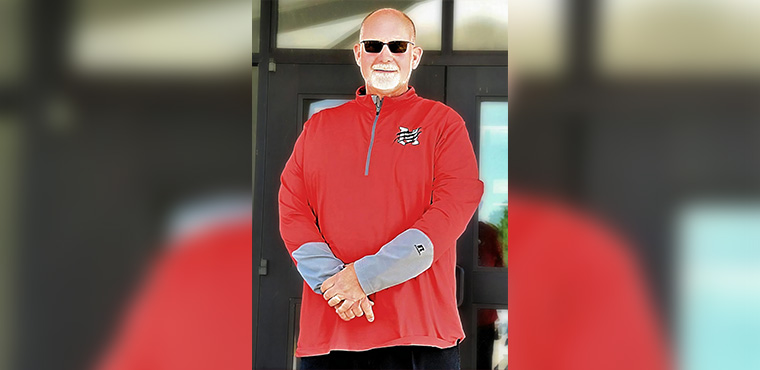
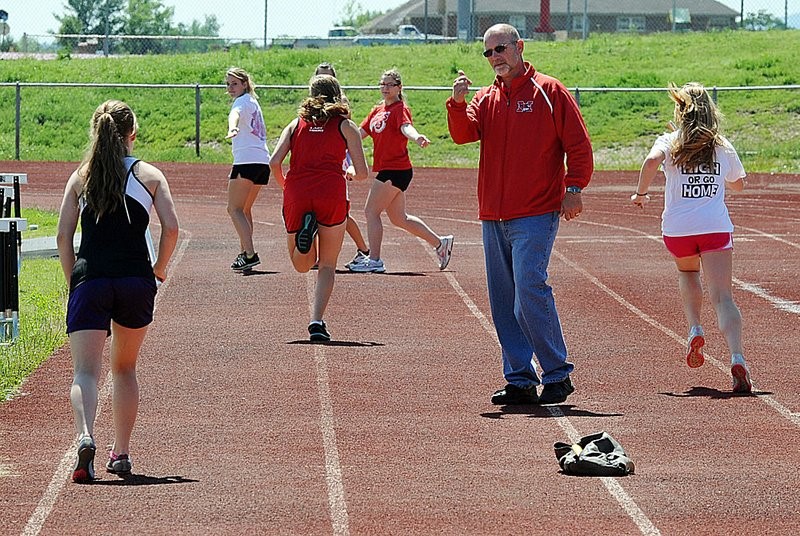
MANSFIELD– After just shy of four decades of coaching, legendary Mansfield track and field coach, John Mackey is retiring. The coach that led Mansfield to 14 state titles in the sport, will leave behind a void that will be impossible to replace.

Known as a coach who is dedicated to the smallest details of his constant thought and planning that always went into his coaching and administration of track meets, Mackey has produced not only state team titles in the sport but has produced athletes who have gone on to have great success in college. He is a tireless worker who was always seen at school on Sunday afternoons, working on his classes or preparing for the upcoming weeks’ events in athletics. Mackey served as athletic director for the district for many years, and he managed every detail with endless hours, days, and weeks when others had long since gone home. If it had his name on it, he was going to do whatever it took to see the task completed in the right way.

In the classroom, Mackey was an excellent teacher of higher mathematics. For many years, he taught Algebra and was as dedicated to teaching his classes as he was to his coaching. In full disclosure, I worked with him for a number of years as his principal, and I can openly share with our readers that John is an excellent teacher, and his loss in the classroom will be perhaps lost more or as much as his coaching will be felt.

So last week, I had the pleasure of interviewing John for this story. Since my retirement in 2019, we had visit some on some different occasions, but this was the first conversation we had the opportunity to have in sometime since my retirement. It was a pleasure to reconnect with him, and I hope you enjoy his story as much as I did.

After growing up in Greenwood and later attending the University of Arkansas, John met his future wife, Debbie who lived in Mulberry. The two then moved to the Northeast Arkansas community of Corning where John worked as began his coaching career. Mackey coached in Corning three years before he began to look for an opportunity to return to Western Arkansas where he grew up and was more familiar. That opportunity opened up in Mansfield, and for the next 35 years, Mackey called the Home of the Tigers his home. Over the years, he has had several opportunities to take other jobs based upon the success he had at Mansfield, but he never left. He always felt that it would be foolish for him to leave a community that had been so good to him and had given him the opportunity for success. Mackey was fully invested into the program he had built at Mansfield, and in short, he didn’t want to leave. He was always mindful of the athletes in his program, and he felt a sincere sense of obligation to them.

It is no secret that both John and his wife Debbie are extremely organized and have a keen sense to details. In fact, Debbie used to joke with me that she re-arranged the furniture in their house often. When I asked him about this, John laughed and said, “Debbie is the world’s best housekeeper. She doesn’t just clean, it is a spring cleaning almost every time. She is the kind that will lay down on her back and put her feet on the side of the piano and scoot it. She would not wait on me. I had to be really careful when I came home. I learned early coming home in the dark to turn a light on after stubbing my toe or tripping over a piece of furniture.”

But it was this attention to detail that served Mackey well and earned him the reputation across the state of not only having great teams at the state level but hosting well-organized and managed track meets. Mackey said, “I would cover every scenario in my planning and would try to cover those bases. I would worry a little bit sometimes about who is going to do this or if they have thought about everything that I have. It may be putting out buckets with tennis balls for exchange zones, putting ice chests out with water for whoever is running the benches down to the smallest details, sharpening the pencils, etc. There are so many tasks that need to be done and I would play every scenario over and over again to have a back-up plan and to put the puzzle together. It may take me a little bit, but I would figure out how to do it. For players, I would think about what if this happened, or that happens, and would always have a backup plan.”

Track has been Mackey’s passion for a long time. When I asked him about this, he shared, “It’s not what I started out doing. I loved football and basketball. Jerry Efurd who ended up being a principal at Greenwood High School, was the track coach when I was in high school. I really didn’t want to be a part of track back then. Around my tenth-grade year, he caught me in the gym trying to dunk a basketball. I just wanted to spend every moment in the gym. He came up to me and said “I need you to come high jump.” I told him that I didn’t know about that, and he said, “I’ll teach you.” He talked me into high jumping and that got me hooked on it for the next three years. Eventually, I would fill-in and run or do whatever it took for the team to be successful. We had a pretty good program, so I had a good backround in that (track).”

But when John started his coaching career, track was still not what he wanted to coach. He explained, “I loved football because that is what I was probably best at, and I wanted to coach basketball. So I started volunteering with the football program (at Corning) and with basketball that first year. By the time spring showed up, they needed someone to help in track with the high jump, so I just started working there.”

After the move to Mansfield, opportunities came his way with turnover in various sports. “I had never coached all of the other events in track. I had just coached my high jumpers. So, after all of the other avenues of coaching football and basketball at Mansfield, I felt that track was a “landing spot” for me, and my position was that I would coach whatever. I went to clinics and learned that there was much more to coaching track than running hard. There is strategy involved, managing the athletes, maximizing scoring, and can be a challenge. Some people think I am a decent teacher enough, and I always felt that track, in some ways, required more teaching than some of the other sports. Seventeen events and each one is unique, and I had to learn how to teach event. I took over track at Mansfield in 1999. My first goal was to be match the previous year of being at least second in state. We were second for a couple of years, in fact, four years in a row. Then I thought my goals were high enough if all we were trying to do was to finish second.”

And that’s when his historic run of state title began. Mackey’s team won 17 conference titles in 25 years, including six runners-up. We had a fourth-place team in 2019 and then COVID hit in 2020. So, once I figured out that I didn’t want to be second anymore, we started winning. “

Mansfield coach John Mackey pushed every athlete to improve their personal bests (Image Credit: Arkansas Democrat Gazette)

So legendary for the Tigers, coach John Mackey is the only Mansfield head track coach that has ever coached in the Tigers’ current stadium. The next coach will have gigantic shoes to fill.

Mackey’s run included state titles in both indoor and outdoor track and field. “We had kids that believed in themselves. “We did everything from the ground up (building the track program at Mansfield). I am not saying we didn’t have some good help.”

Often times, at many schools, the district may prioritize other sports and add track coaching as a secondary responsibility to a newly-hired coach’s job description. Football and basketball are the primary sports at both schools, and this can be seen at many schools. So for the district moving forward, I am sure great care is being considered in Mackey’s replacement. Not only will he be very difficult to replace as a classroom teacher, but the next track coach will be inheriting a program that has been extremely successful and has brought Mansfield more state titles than any other sport at the school, and that coach will almost certainly feel the pressure to maintain the success of the program that Mackey built.

And a big part of that success was his involvement of athletes who did not necessarily meet the profile or skills of playing in other sports. On the girls side of the athletic program, athletes who may not necessarily translate to good volleyball, basketball, or softball players, often found a home in John’s track program and later went on to become good track athletes. One such example is Meghan Rose who became and outstanding distance runner in high school under John’s coaching and later went on to run in college. A program alumnus such as Rose, in my unsolicited opinion, would be a good consideration to continue John’s legacy in the Mansfield track program.

When asked about his track athletes, John said, “We’ll take anybody. Everybody has talent. I would tell our athletes that there are no starters in track. Everyone could make a contribution to the team’s success. I found that success is in the relationships with others and genuinely caring about others.”

Student-athletes like John and his approach to the program. His program always had good participation numbers, even with the end of basketball season and the start of softball in the spring. Students found a home in track where they knew he cared about every athlete.

Mackey also knew that students participating in track were also developing skills that would help them in school and later in life. “Time management is critical for students.” He knew that travel time to meets, practice time, etc., students had to still maintain their grades in school, and he would not let them use the sport as an excuse to miss school or to miss assignments. If a student had an assignment, for example, the day following a meet, he expected the student to plan for it and to have their work done so that they met the classroom deadline just like any other student was expected to do. Such expectations pushed students to be successful in both school and in the sport of track and field, and more importantly, later on after graduation.

Life after retirement for an educator and coach of 38 years will be the next challenge. Mackey is open about the challenges of retirement. He is going to miss his students, athletes, colleagues, and the many friends and supporters of not only him and his program, but also the many others around the state. After working seven days a week and 16 hours a day, it will be difficult for him to just slow down. He will concentrate on their grandson, reuniting himself with his wife Debbie, and taking the opportunity to travel. But retirement will be an adjustment, and he is aware of this and is thinking about how to address the rest of his life.

John is an excellent writer, and one day you may see a book he has written on a variety of topics that were inclusive in his career. But for now, in his words, “We are going to do stuff when we want to. We may actually go see the world a little bit. Other than that, our plans revolve around our grandson. We are the ultimate helicopter grandparents.”

But as much as things change, with all of the changes that result from legends such as John Mackey who retire, and the changes that occur for other reasons, the facts remain the same. The spirit of competition and championship success that John Mackey brought to Mansfield lives on well into the future. The principles of success, and the work and commitment that are necessary to achieve success, remain the same. When I think of Coach Mackey, I think of a quote from perhaps the greatest distance runner that has ever lived. In the sport that Mackey loves so dearly, Steve Prefontane, who ran distance at the University of Oregon and for the United States Olympic team in the Munich Olympic Games in 1972, is thought to be one of the greatest runners of all time. Prefontane, or “Pre” as he was known to his teammates and competitors, was always known for giving his all in every event he ran. And in the same way that John Mackey coached his many champion runners and field event athletes, the words of Steve Prefontane come to mind, “To give anything less than your best is to sacrifice the gift.”

Coach John Mackey has a gift and a passion for coaching, and he gave his all to every athlete he coached. He did not sacrifice his talent for teaching and coaching every child who came to him. But that is what the great ones do. Coach Mackey has the gift, and he has never sacrificed that gift.

Image Special to RNN Sports / Mansfield School District

On behalf of everyone at RNN Sports, and as someone who had the privilege to work alongside of him, I wish him a very happy and well-deserved retirement. He will be missed by so many. But we are all happy for him and his wonderful wife Debbie who now have the time together that they have given so much of to others over the years.

Well done, John Mackey. You should be in the Arkansas Hall of Fame of Coaches. You have earned it.

“Just Roll with It” Serving up Recipes and Humor

By Sheri Hopkins
Lifestyle Contributor

Hello everyone! Beautiful day in the neighborhood today. Love this time of year, except for the ants, flies, snakes and other critters. Seems like the flies are awful this year. Lots of folks killing snakes also. I don’t like snakes, but I don’t want to kill the black snakes. Actually, I don’t want to kill any of them, I just want to run from them. Have you seen me run? I can’t run, but I bet if a snake was chasing me, I bet I’d kick it in gear.

Do any of ya’ll remember when Gina Epperson got snake bit? Let me tell ya, I still love to tell that story. She is one person that is scared to death of a snake. I mean she really is, and this just made her worse. She was off work because it was her daughter, Cheyenne’s birthday, July 8. There is a memorial cross set up for Cheyenne on Dayton Road. It has been there since she passed away, and Gina always takes something out there for her birthday. The Nicodemus family always takes a wreath or some sort of flowers out there on that day also. Gina drives out to Dayton Road in the heat of the day to put something on the cross. I’m at work and all of a sudden, she comes hobbling to the front door of the bank, very disheveled looking. Her face was bright red, hair standing on end and she was breathing heavy. She was a sight to see.

Here is what happened. She was going down in the ditch to put her flowers out and she sees a snake crossing the road quite a way down. So, she just stops there in the ditch and let the snake cross the road and make its way down in the ditch in the opposite direction of her. She is watching the snake and says it was just like she yelled “hey, I’m over here, come and get me.” That snake turned around and looked her right in the eye and came chasing after her like a streak of lightning. She tries to run up the steep ditch and she is making tracks like Fred Flintstone trying to get out of that ditch, kicking and screaming with that snake on her heels. She is hysterical by this time, oh if only I had been there to record this episode. She finally gets up the hill, but not till after the snake bites her and she runs and gets in her car. She don’t know if the snake is hanging on her or where it’s at. That’s when she proceeds to drive to the bank to ask me what she needs to do.

I tell people I’m a doctor and I do good diagnosing folks, that’s why she came to see me. Fortunately, the snake only got one fang in the back of her leg. Good thing she was fast on her feet and kicking like a crazy woman. Her leg turned black and was swelled for about two weeks. She lived to tell about a snake bite. If ya’ll could have seen her walking in the bank that day, it’s a look I will never forget.

Moral of this story is, don’t ever trust a snake in the grass. Hope y’all have a great week. Remember happiness is a choice. This week’s recipe comes from Sue Moore. It sounds so good for this time of year. Y’all enjoy this tasty dessert.

CREAM CHEESE PINEAPPLE PIE
1 8 oz. cream cheese, softened
1 cup powdered sugar
1 cup crushed pineapple, drained
1 8 oz. tub whipped topping
1/2 cup granulated sugar
1/2 cup melted butter
20 graham crackers, crushed fine
1/4 cup shredded coconut
1/4 cup drained pineapple, drained
In a medium mixing bowl, mix the cream cheese with an electric mixer until light and fluffy. Gradually add the powdered sugar and mix until well combined. Mix in the whipped topping and beat till fluffy. With a spatula, fold in the crushed pineapple and set aside. In a small mixing bowl, mix the crushed graham crackers and granulated sugar and melted butter until well combined, then pat mixture into a 9×9 baking dish. Now, I always take the easy way out, and buy a graham cracker crust and use that instead of going to all this trouble, that’s me. Spoon the filling in the crust and smooth with a spatula. Top with shredded coconut and pineapple. Refrigerate for two hours or until firm. You can also add a few cherries on the top.

Biggest Threats to a Comfortable Retirement

If you save and invest for decades, you’d like to know you can retire without financial worries.
Nonetheless, you still have to be aware of some threats to a comfortable retirement — and how to
respond to them.

These threats include:
• Inflation – Inflation has been high recently, but even a mild inflation rate can seriously erode
your purchasing power. In fact, with just a 3% inflation rate, your expenses could double in about 25 years — and your retirement could easily last that long. So, if you’re going to rely on your investment portfolio for a sizable part of your retirement income, you will need to own a reasonable number of growth-oriented investments, such as stocks or stock-based funds, whose potential returns can equal or exceed the inflation rate.
• Excessive withdrawals – Once you retire, you should establish a withdrawal rate for your
portfolio — an amount you can take out each year and still feel secure that you won’t run out of money. Some people make the mistake of withdrawing too much, too soon, once they’re retired. Your withdrawal rate should be based on several factors, including your age at retirement, the size of your portfolio and the amount of income you receive from other sources, such as Social Security. A financial professional can help you determine a withdrawal rate that’s appropriate for your needs.
• Market volatility – The financial markets will always fluctuate. When you’re still working, this
volatility may not be such a problem, as you have years or decades to recover from short-term
downturns. But when you retire, you don’t want to have to sell investments when their price is down. To help prevent this, you can tap into the cash in your portfolio, assuming you have enough to cover several months’ worth of living expenses. You could also draw on a CD “ladder” — a group of CDs that mature at different times — to provide you with resources for the next few years and allow your equity investments time to recover their value.
• Unexpected costs – You had them when you were working, and you’ll probably have them
when you’re retired: the furnace that breaks down, the car that needs a major repair, and so on. But if you’ve established an emergency fund containing a year’s worth of living expenses, with the money kept in a liquid account, you may be able to “ride out” these costs without jeopardizing your investment portfolio. Be sure to keep these reserves separate from your typical day-to-day accounts to avoid the temptation of spending your emergency money.
• Health – Retirees may face more health concerns than younger people, and those concerns
often come with larger medical bills. That’s why it’s important to maximize the benefits from Medicare or your Medicare Advantage plan. Also, if you contributed to a Health Savings Account (HSA) while you were working, and you haven’t depleted it, you can use the money in retirement. As long as the HSA funds are used for qualified medical expenses, withdrawals are tax- and penalty-free, and won’t be included in your income. This could help keep your income below certain levels, lower your Medicare premiums or avoid the 3.8% surtax on net investment income that can be assessed on high-net-worth taxpayers.

Retirement can be a pleasant time in your life — and you’ll enjoy it more if you’re prepared for
the challenges that face all retirees.

This article is provided by Jeffrey O’Neal, Financial Advisor
Edward Jones
20 N Express St, Paris, AR 72855
479-963-1321
jeffrey.o’neal@edwardjones.com
edwardjones.com/jeffrey-o’neal
Edward Jones, Member SIPC

Researchers turn to AI, remote sensing to find cause of pine declines

By Mary Hightower
U of A System Division of Agriculture

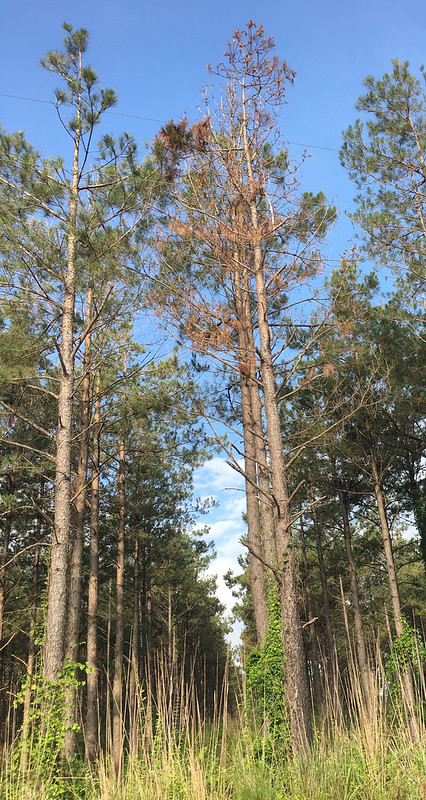
Researchers plan to use artificial intelligence and remote sensing alongside some good old-fashioned detective work to find the cause of the pine decline seen in parts of Arkansas.

The decline has taken the form of browning and dropping of needles in stands of mature pines in southeastern Arkansas. The ailment has also resulted in the deaths of some trees.

Forestry experts from the Arkansas Department of Agriculture, the University of Arkansas System Division of Agriculture, University of Arkansas at Monticello and the Arkansas Forestry Association are working with colleagues across the southeastern United States to determine what’s going on with these stands.

In April, Grant Beckwith, Arkansas County extension staff chair, said he’d received calls from people concerned about pine trees whose green needles were turning brown and dropping.

Ford toured the areas and found that “all the trees dying were loblolly pine. About half of the dead trees show a proliferation of cones and is a reaction to stress and often before mortality.

“The decline could have a variety of causes. They could be stressed by several years’ of very wet springs,” said Vic Ford, a forester who is associate vice president for agriculture and natural resources for the Cooperative Extension Service. “That stress can leave trees weakened and vulnerable to damage from insects, disease or even herbicides.”

Other stress factors include drought, saturated conditions, lightning, injury to stem or roots, soil disturbance around the roots, crowded conditions and pollutants. Ford noted that in Arkansas County, the living trees around the dead ones showed various signs of stress.

Similar symptoms appeared in Ashley and Chicot counties.

Tech tools

Researchers are using a variety of approaches to investigate the causes. Samples from affected trees have been sent to a diagnostic lab at Auburn University. Results weren’t expected to be returned until later this month.

“We can use artificial intelligence, drones and geographic information systems to tease out clues to this decline,” Ford said. “We will need all the tools at our disposal to solve this case and find why forest health in these areas is being affected.”

Ford said that “conducting a survey and placing the locations on a map will help us to determine commonality of affected plots. 

“Plot locations on these images can be used to determine soils, topographic features, stand characteristics, and changes of tree and environmental changes over time,” he said. “This information is compiled with a geographic information system. This large and complex data set needs to be analyzed so that important factors can be identified. 

“Artificial intelligence programming can take complex information using several information sources and produce results. These programs allow the machines to discover information that is pertinent to cause and eliminate potential factors,” Ford said. “These routines learn from other dataset, computer routines, and mathematical models and can apply relationships within the plot data to cause and effect based on machine learning.”

Don’t panic

Michael Blazier, dean of the College of Forestry and Natural Resources at the University of Arkansas at Monticello, urged forestland owners to be patient until the exact cause of the decline can be pinpointed.

“What we don’t want is people to panic,” he said. “I’ve heard from landowners who are cutting and burning trees that appear to be in decline in an effort to keep anything from spreading. At this point, that kind of action might be premature. Determining how to change forest management in afflicted stands has to be evaluated on a case-by-case basis.” 

“All of us are working hard to solve this issue that affects so many not only in Arkansas, but also the southeastern United States,” Blazier said. “Forestry, whether it’s through timber or the recreational opportunities it affords, is very important to the economies of the state and the South as a whole. It’s important we use all of our resources together to figure this out.”

Members of the public can report pine tree discoloration and/or mortality by filling out this survey: arcg.is/1HyHCu0.

To learn about extension programs in Arkansas, contact your local Cooperative Extension Service agent or visit www.uaex.uada.edu. Follow us on Twitter and Instagram at @AR_Extension. To learn more about Division of Agriculture research, visit the Arkansas Agricultural Experiment Station website: https://aaes.uada.edu/. Follow us on Twitter at @ArkAgResearch. To learn more about the Division of Agriculture, visit https://uada.edu/. Follow us on Twitter at @AgInArk.

About the Division of Agriculture
The University of Arkansas System Division of Agriculture’s mission is to strengthen agriculture, communities, and families by connecting trusted research to the adoption of best practices. The Division of Agriculture conducts research and extension work within the nation’s historic land grant education system through the Agricultural Experiment Station and the Cooperative Extension Service.

The Division of Agriculture is one of 20 entities within the University of Arkansas System. It has offices in all 75 counties in Arkansas and faculty on five system campuses.

The University of Arkansas System Division of Agriculture offers all its Extension and Research programs to all eligible persons without regard to race, color, sex, gender identity, sexual orientation, national origin, religion, age, disability, marital or veteran status, genetic information, or any other legally protected status, and is an Affirmative Action/Equal Opportunity Employer.