79.6 F
Fort Smith
Tuesday, June 23, 2026
Home Blog Page 39

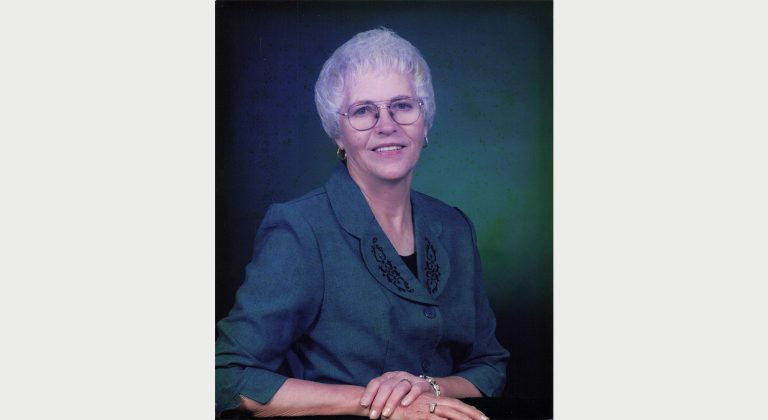
Obituary: Lillian (Lea) Hanna (1939-2026)

Lillian Eugenia “Lea” Hanna passed from this life on 9 January 2026 at the age of 86 years. The third of five daughters of Everett Ray and Lillie May Murphy Fortson, Lea was born 11 December 1939 in Leachville, Arkansas. That is where she met Jim Hanna, whom she would marry on 7 Sept 1957. She graduated from Leachville High School in the class of 1958, where she played clarinet in the band. Later, Lea competed in archery with Jim and others. Lea and Jim celebrated 66 years of marriage before he passed on 5 November 2023.

Lea grew up in the cotton fields of northeast Arkansas and, as a little girl, was tasked with providing the meals for the other family members as they worked. That work ethic stayed with her throughout her life as she made a comfortable home for her husband and their three children. No one ever left her house hungry. She fed her family Sunday dinners for years, as well as provided food for holidays, church dinners, and funerals. Even in her later years, she cooked the grand- and great-grands’ favorites and sent the food home with them. She loved music and taught herself how to play the guitar as an adult. She sang in the church choirs at Parks Baptist and Temple Baptist and regularly played and sang specials on Sundays and at other events. Lea was a willing worker in different areas at both churches for decades, helping in the kitchen, the nursery and children’s church, and VBS.

Lea loved decorating her home, growing beautiful plants and flowers, having a large garden, setting up at shows and sales with Jim’s woodcrafts, and fishing. While she enjoyed being a homemaker, she also worked for several years at the Waldron Furniture Factory as an upholsterer and later, worked side-by-side with Jim on their Parks farm where they ran a successful broiler and feeder calf operation. She was a hard worker at whatever she did and was always busy.

Lea is survived by a son, James Hanna and wife Ginger; a daughter, Elainea Allen and husband Joe; a daughter-in-law, Carolyn Hanna; six grandchildren: Jimmy Hanna (Terra), Charlie Allen, Jenny Ravey, Hannah McCullah (Blaine), Montana Jennings (David), and Michael Hanna (Sarah); a step-grandson Indy Luther; great-grandchildren: Braden, Caden, Kennedy and Kadie Hanna; Briar Allen; Jacob and Rylee Ravey; Allen McCullah; Legend and Ellis Turpin and Onalee Jennings; step-great-grandchildren, Gabriel Luther, Hunter Covey, Breanna Vaughan and Jackson Vaughn; and several nieces, nephews, and many friends.

Welcoming Lea in Glory is her husband Jim, her parents; a son, Kenny Hanna; a grandson Christopher Hanna; and four sisters, Billie, Mary, Barbara, and Brenda.

Lea’s visitation will be Sunday, January 11, 2025, from 3:00 p.m. until 5:00 p.m. at the Heritage Memorial Funeral Home Chapel in Waldron, Arkansas.  A graveside celebration of life will be Monday, January 12, 2025 at 2:00 p.m. at Square Rock Cemetery. Arrangements are entrusted to Heritage Funeral Home.

The family would like to thank the caring staff at Dalton’s Place, the wonderful hospice staff at Gentiva and Brooken Hill, the helpers who stayed with her, her Temple Baptist Church family, and Heritage Memorial. Memorials may be made to the Gideon’s Bible Ministry or the charity of your choice.

Strength Beyond the Fireground: Supporting the Mental and Physical Health of Firefighters

Firefighters and first responders are trained to run toward danger when others are running away. While the physical demands of the job are obvious—heavy gear, intense heat, and long, exhausting calls—the mental and emotional strain is often less visible, yet just as heavy.

Firefighters routinely encounter traumatic scenes: serious injuries, fatal accidents, house fires that destroy lives, and medical emergencies involving children, neighbors, and friends. These experiences do not simply end when the call is cleared. They can follow responders home, affecting sleep, relationships, and overall mental health. Over time, cumulative stress, burnout, anxiety, depression, and post-traumatic stress can take a serious toll.

Abu Sufyan Mian, “Sam”

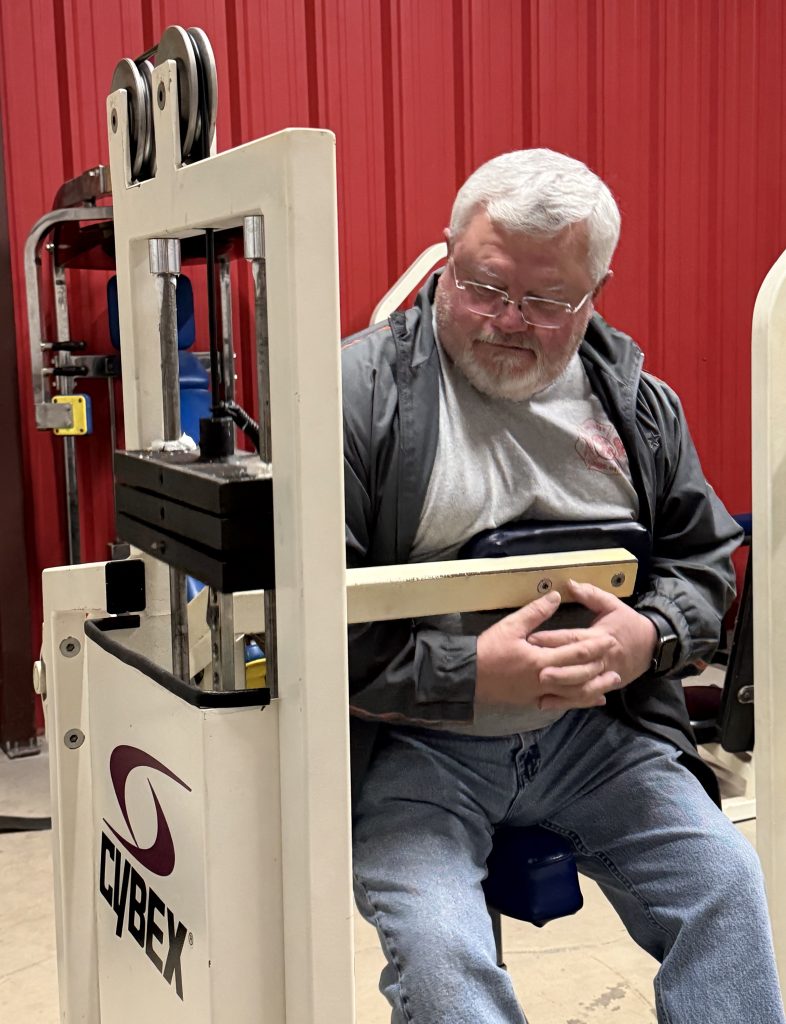
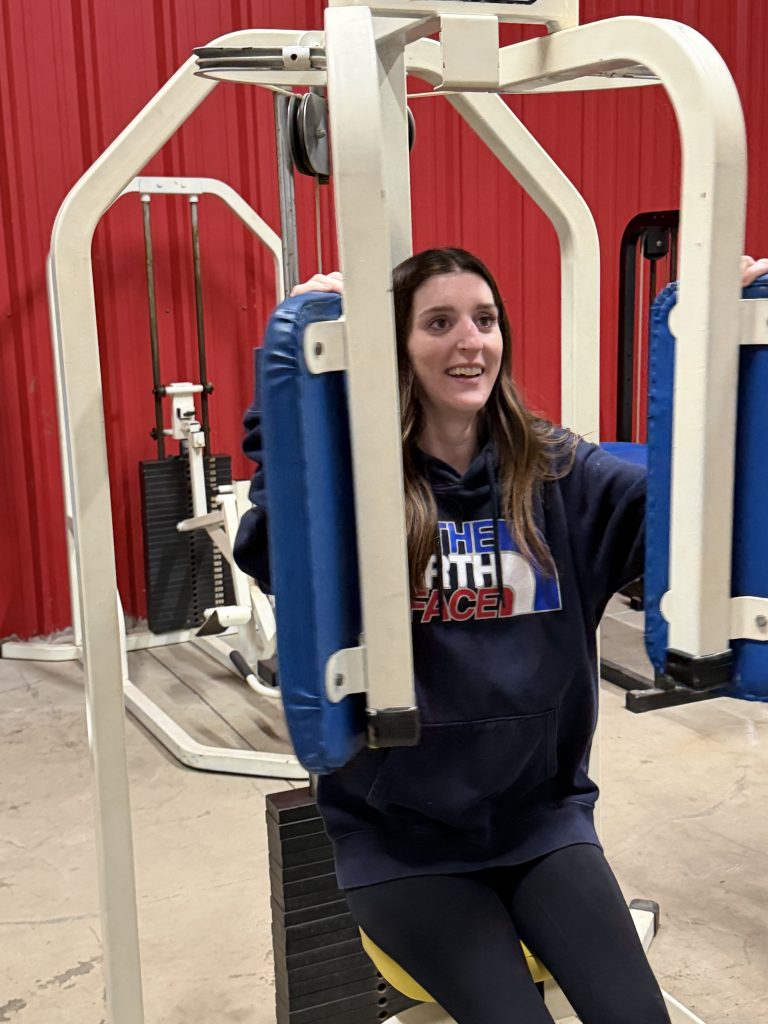
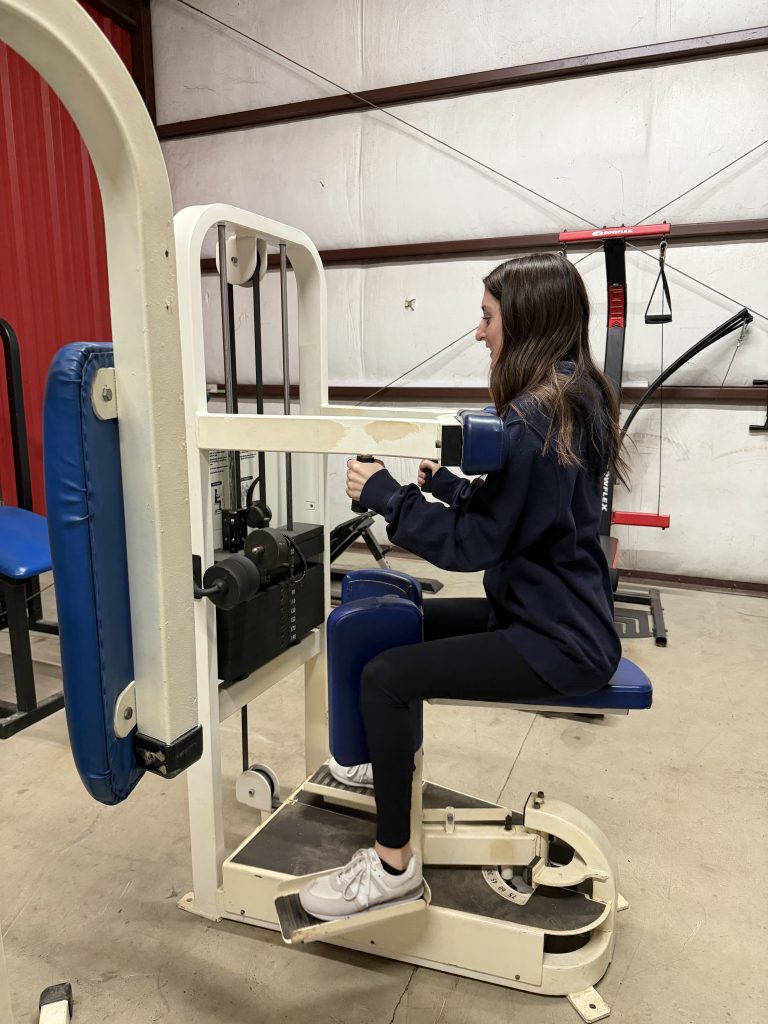
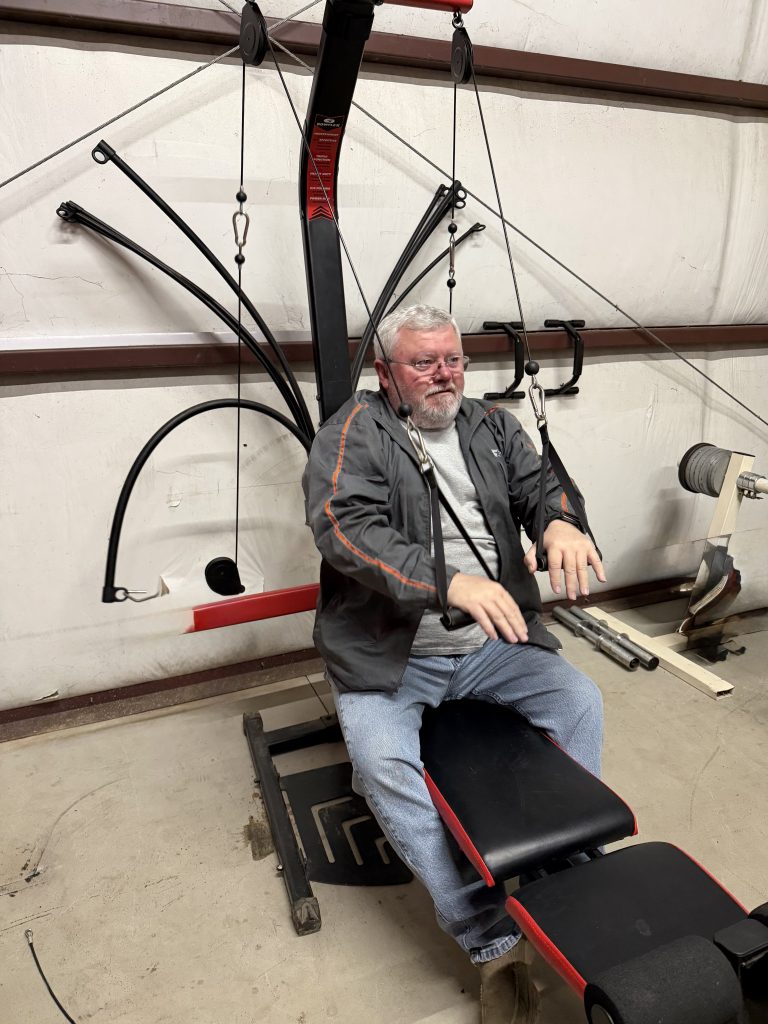
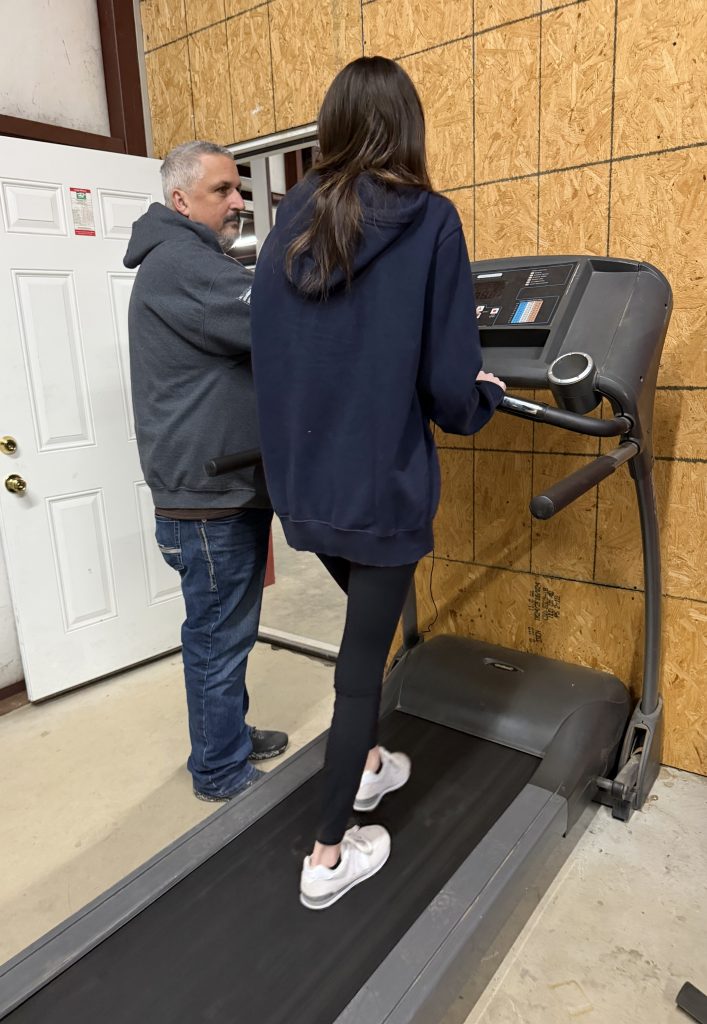
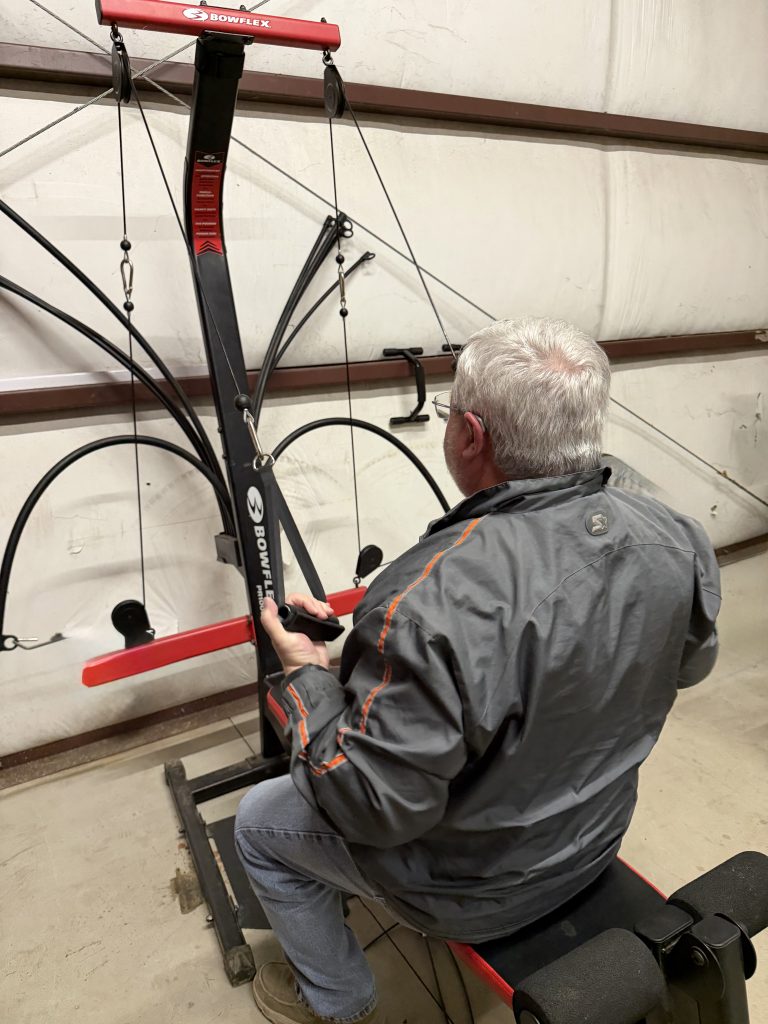
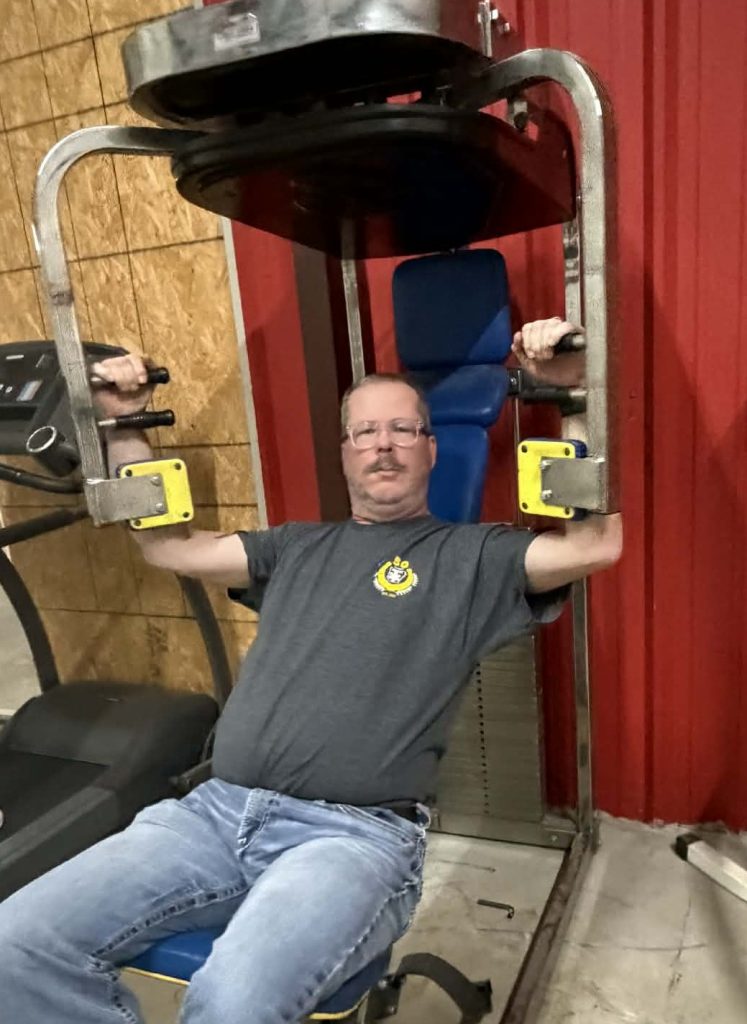
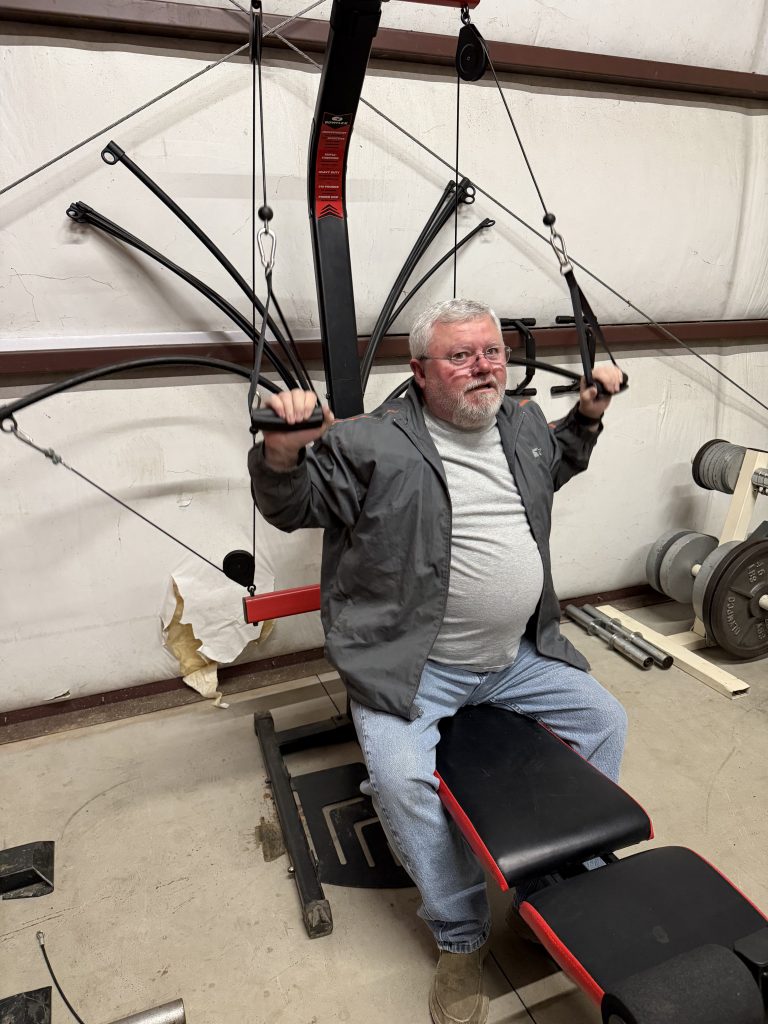
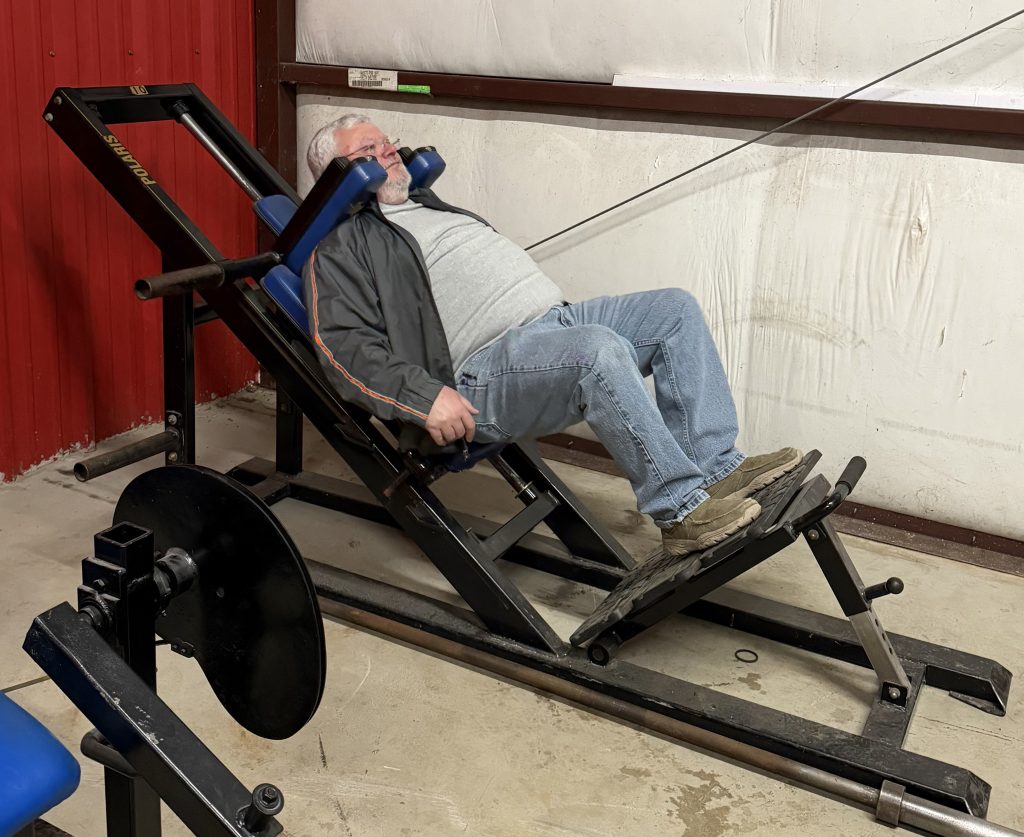
That reality is one reason the recent donation to the Hackett Fire Department carries deeper meaning than just new equipment. Abu Sufyan Mian, known as Sam, owner of Hugs n’ Biscuits, generously donated a full gym of equipment to the department—an investment not only in physical strength, but in mental resilience.

“We focus on training. But physical and mental fitness is an important aspect of what we do,” said Fire Training Officer Todd Johnson. “This job exposes firefighters to things most people never see. Having healthy outlets to manage that stress is critical.”

Regular physical activity is widely recognized as one of the most effective tools for managing stress and improving mental health. Exercise helps regulate sleep, reduces anxiety, and provides a constructive way to release tension—something firefighters desperately need after difficult calls. A gym within the station also creates a space where firefighters can decompress together, talk openly, and support one another.

For many first responders, peer support is a lifeline. Working out together strengthens bonds and encourages conversations that might not otherwise happen. Those informal moments—between sets or after a tough shift—can help firefighters process what they’ve seen and remind them they are not alone.

Members of the Hackett Fire Department expressed gratitude for the donation and shared their enthusiasm for putting the equipment to use. They see it not just as a benefit for today, but as a long-term step toward sustaining careers, protecting mental health, and reducing burnout.

As awareness grows around first responder mental health, contributions like this highlight an important truth: supporting firefighters means caring for the whole person. By investing in both physical conditioning and emotional well-being, communities help ensure that the people who protect them are given the tools they need to stay healthy, resilient, and ready—on the fireground and beyond.

Arvest Foundation awards $280,500 in 2025 to Fort Smith area organizations

The Arvest Foundation recently announced a total of $280,500 in grants were given in 2025 to 21 organizations in Fort Smith, Van Buren, Alma and Greenwood.

“These organizations are vital to our communities,” said Mike Jacimore, president of Arvest Bank – Fort Smith region. “On behalf of the Arvest Foundation, it’s an honor to help play a small part to support their incredible work.”

The following organizations received grants last year:

Arkansas Colleges of Health Education (ACHE) will use its funding to support scholarships.

Arkansas Family Alliance (AFA) used its funding to establish the Crawford County Care Portal to provide proactive assistance to families and children in crisis by connecting churches, businesses, and individuals to real-time needs.

Arkansas Game & Fish Foundation (AGFF) will use this multi-year gift to support renovations to the Huckabee Nature Center.

Cedarville Public Schools used its funding to purchase a book vending machine to reward good behavior and foster a love for reading.

Community Rescue Mission used its funding to purchase printers.

Crisis Center for Women used its funding to purchase commercial washer and dryer units for the Fort Smith shelter.

Downtown Fort Smith SERTOMA Club used its funding to provide hearing aid devices for the hearing impaired who cannot afford them.

Fort Smith Museum of History will use its funding to support building and exhibit renovations.

Fort Smith Night to Shine is a prom-like experience for those ages 14 years and older with special needs that includes a red carpet, limousine rides around the parking lot, dinner, dancing, karaoke and crowning Kings and Queens.

Fort Smith Regional Chamber of Commerce will use its funding to support economic development in the Greater Fort Smith region.

Greenwood Adaptive Playground used its funding to purchase playground equipment for the new adaptive play area.

Greenwood Arts Academy used its funding to purchase equipment and mirrors for the ballet room.

Hometown Alma used its funding to purchase and install historical markers to display in downtown Alma that share the community’s story with residents and visitors.

Hope Campus used its funding to purchase a backup generator for the shelter and ensure continuous refrigeration and central power during emergencies.

Inventors Hall of Fame used its funding for underserved children in Fort Smith Public Schools to attend the organization’s Camp Invention summer STEM program.

Mercy Health Foundation used its funding to support construction of the new Mercy Fort Smith Cancer Center, which will help expand oncology care for patients and families in the River Valley.

Methodist Village used its funding to provide supplies for their community caregiver series.

New Start for Family & Children used its funding to purchase a new AC unit and make driveway repairs.

River Valley Nonprofits used its funding to host the organization’s annual nonprofit fair.

Sebastian County Opioid Taskforce used its funding to support the 2025 Sebastian County Opioid Task Force Summit for experts and community leaders to discuss the critical issues surrounding substance abuse, particularly the effects of opioids on youth, as well as strategies for prevention and intervention.

South Sebastian Literacy League used its funding to provide weekly programs for toddler and preschool story time and afterschool programs for school-age children and teens.

Resident Press (Scott & So. Sebastian County edition) 01/14/26 Vol. 8 No. 02

This content is reserved for RESIDENT INSIDER members.

Please or subscribe to view.

Greenwood Resident 01/14/26 Vol. 6 No. 02

This content is reserved for RESIDENT INSIDER members.

Please or subscribe to view.

Resident Press (Lavaca, Charleston, Paris edition) 01/14/26 Vol. 5 No. 2

This content is reserved for RESIDENT INSIDER members.

Please or subscribe to view.

“Just Roll with It” Serving up Recipes and Humor

Hello everyone!!! Such wonderful weather in the River Valley!! Christmas is over, decorations are put away, and we are on to a new year. I decided to cook dinner for my family on New Year’s Day. The menu was meatloaf, cabbage and smoked sausage, black-eyed peas, fried potatoes, ham, mac and cheese, and for dessert we had coconut cake and peach angel food cake.

The family starts arriving, and keep in mind it is warm on New Year’s Day and I have the air on. Here comes the nephew with a coat on, zipped all the way up under his chin, and a pair of shorts. I say, “Get that coat off—are you crazy?” I’m telling y’all, he does the craziest things.

Then we decided to relive the Nashville trip where we all stopped to go to the bathroom and my nephew decided to flush the toilet with his foot. His foot slipped and he ended up tearing the whole seat off the toilet. You could hear all the noise coming from that bathroom—we thought someone was in a fight. We laughed and laughed over that. He didn’t want to touch that toilet and ended up having to fix it.

The rest of this is about me. Most of y’all know me, and I look like a woman most of the time. Sometimes I have a mustache and partial beard. Ha ha!! The first time I went to Cane’s Chicken was in Fayetteville, and there was a group of us women that went. They always ask your name, and a few of us women were standing there close to the counter waiting on our food. The young man working looks right at me and yells, “David!” None of us say a word, so he looks at me again and says, “Are you David?” I’m thinking, for real? I respond, “No, I am not David, I am Sheri.” He acted like I was lying.

The kids and I went to Cane’s in Fort Smith—we love it—and ordered our food and got my senior citizen discount. The young man says, “Can I get your name?” I respond and say, “Sheri.” He says, “Cherry?” I repeat, “Sheri.” He says, “Cherry?” again. I said, “Sheri.” It took about four tries for him to get my name right. I might as well wear a sign on my back that says, “Kick me!”

I’m telling y’all, we have crazy stuff happening to us all the time. But life would be so boring if something wild and crazy wasn’t going on. Y’all have a nice week and hug your loved ones.

Butterfinger Poke Cake
1 yellow cake mix (you can also use devil’s food or chocolate)
1 can of sweetened condensed milk
1 jar of caramel ice cream topping (around 12 ounces or so)
8 ounces of Cool Whip
4 full-size Butterfinger candy bars (crushed)
Mix cake according to box directions and bake in a 9×13 pan. While the cake is baking, mix the sweetened condensed milk and caramel ice cream topping together. When the cake is done and still hot, poke holes in the top and pour the milk mixture over the cake. Allow to cool completely.
Sprinkle two of the crushed candy bars over the cake. Spread the Cool Whip on top and sprinkle the remaining crushed candy bars over that. Keep in the refrigerator.
Yummy! And if you want to use another candy bar, just go right ahead.

State Capitol Week in Review from Senator Terry Rice

LITTLE ROCK – Most laws from the regular 2025 legislative session become effective 90 days after the Legislature adjourns sine die, some include language that make them effective on a certain date, and some officially became law on January 1st.  

One of the most impactful new laws is Act 1008, the removal of 0.125% sales tax on groceries.  This removes language regarding the tax from state laws; however, local sales taxes will remain unchanged. 

Another law, Act 631 allows for those using SNAP benefits to meet work requirements by volunteering at any public entity that receives state funding.

Act 708 changes an unemployment benefits law that requires a person receiving benefits to report at least five work search contacts weekly and the state job board should match open jobs with those on benefits. 

Legislators also passed, Act 427, the Strengthen Arkansas Homes Program.  This allows state officials to provide financial grants to certain property owners and nonprofit organizations to assist with and promote the mitigation of losses to insurable dwellings due to catastrophic wind events.

Act 875 increases the disability onset age to 46 years old instead of 26 years of age.  This means that if the disability occurred before that age, they can be eligible for the Achieving a Better Life Experience Program.  That program allows individuals to create a “tax-advantaged savings account” to cover qualified expenses.

Act 748 allows for a law enforcement agency that trains an officer to seek reimbursement from each law enforcement agency that subsequently employs the law enforcement officer within 24 months after the completion of the training. 

Act 880 allows for property owned by a trust or limited liability company to qualify as a homestead for purposes of the property tax exemption for disabled veterans and surviving spouses and minor dependent children of disabled veterans in certain circumstances.

Another new law creates an income tax credit to encourage corporations to relocate their headquarters to Arkansas.  Act 881 allows for a corporation that relocates with an income tax credit of up to 50% of the payroll for new full-time permanent employees. The corporation would have to meet certain requirements to be eligible.  The director of the Arkansas Economic Development Commission may also offer a tax credit of up to 10% to the company.

Several new changes to healthcare laws will also be effective January 1, 2026, including: 

Act 866 mandates coverage for baby deliveries in a licensed birthing center under a health benefit plan.

Another law, Act 424, mandates coverage for all modalities, types, and techniques of healthcare services provided for breast reconstruction surgeries.

Legislators approved Act 628, which mandates coverage for treatment of diseases and conditions caused by severe obesity under a health benefit plan on and after January 1, 2026, and establishes requirements for a covered person to qualify for coverage.  The law applies to those 18 years old or older. 

CWD-positive deer found in Grant, Sevier counties

by Randy Zellers

The Arkansas Game and Fish Commission Tuesday confirmed that white-tailed deer from Grant and Sevier counties have tested positive for chronic wasting disease.

Two hunter-harvested deer from Grant County were identified by the Arkansas Department of Agriculture’s Veterinary Diagnostic Laboratory through the AGFC’s free CWD surveillance network and were confirmed positive for the disease after a more thorough test was performed by the Wisconsin Veterinary Diagnostic Laboratory in Madison last week.

One of these deer, a 2½-year-old buck, was taken southwest of Sheridan. The second deer, a 3½-year-old buck, was killed by a hunter near Grapevine. Both were taken during the modern gun portion of the 2025-26 deer hunting season.

One hunter-harvested 4½-year-old buck tested positive in Sevier County. The deer was taken on the north side of De Queen Lake in De Queen Lake WMA, about 4 miles from the Oklahoma-Arkansas state line.

These are the first cases of CWD in Grant and Sevier counties, and the source of these infections is unknown. The nearest known positive case in Arkansas to these new cases is more than 80 miles away.

According to AJ Riggs, wildlife health biologist for the AGFC, 470 CWD samples were submitted in Grant County before these first positive cases, and 403 CWD samples were submitted in Sevier County before its first positive case.

According to Cory Gray, chief of the AGFC’s Research Division, all hunters who harvested these CWD-positive deer have been notified, and arrangements are being made to dispose of the meat.

“We are stepping up surveillance efforts in these two counties and are asking for hunters’ help by submitting any harvested deer in these areas to one of our CWD testing locations,” Gray said. “In keeping with the AGFC’s CWD Management and Response Plan, we will not change any regulations regarding these findings before the end of the 2025-26 deer hunting season.”

AGFC Director Doug Schoenrock says the agency will evaluate the need for any expansion of the CWD Management Zone and regulations concerning deer hunting during the hunting regulations-setting process once the season is over.

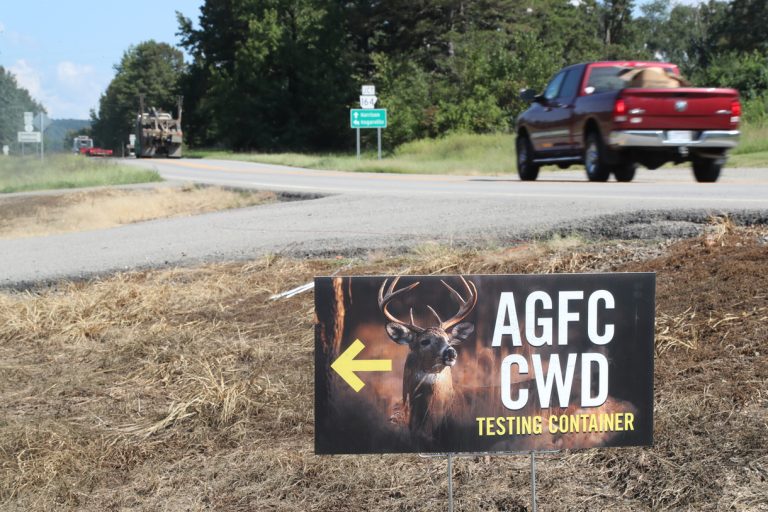
“The best way hunters can help is to get their deer tested for CWD each time they are successful in the woods,” Schoenrock said. “It’s 100 percent voluntary and 100 percent free. You just bring the animal’s head to one of our testing locations with about 6 inches of neck still attached and follow the instructions to label and bag it before placing it in the cooler. That’s it. We’re committed to getting in touch with any hunter whose deer tests positive for the disease and we can make arrangements to dispose of the meat for you.”

A list of CWD-testing facilities is available at www.agfc.com/hunting/deer/chronic-wasting-disease/cwd-testing-options.

CWD is a fatal neurological disease that affects deer, elk, caribou and moose. It was first detected in Arkansas Feb. 23, 2016. Since the first detection, AGFC has tested more than 68,293 deer and elk from across the state. To date, 2,218 deer and 60 elk have tested positive for the disease in Arkansas.

Research indicates that CWD is caused by a misfolded protein called a prion that is transmitted through feces, urine and saliva. Prions can survive for years in soil and plants. CWD can have an incubation period of at least 16 months, which means infected animals may not show immediate signs of disease. CWD prions accumulate throughout the body and affect an animal’s nervous system. The diseased prions cause normal cellular proteins to misfold into abnormal shapes, which accumulate until neural cells cease to function. Infected animals begin to lose weight, lose their appetite and develop an insatiable thirst. They may separate from their herds, walk in repetitive patterns, carry their head low, salivate, urinate frequently and grind their teeth. Research conducted in Arkansas has demonstrated that CWD can have a negative impact on white-tailed deer populations in areas with high disease prevalence.

Visit www.agfc.com/cwd for more information.

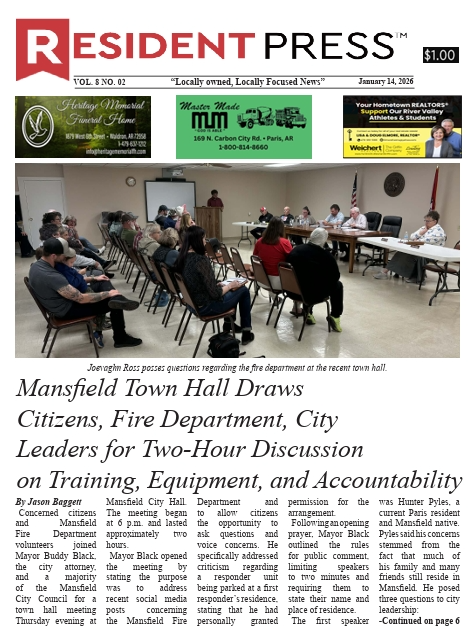
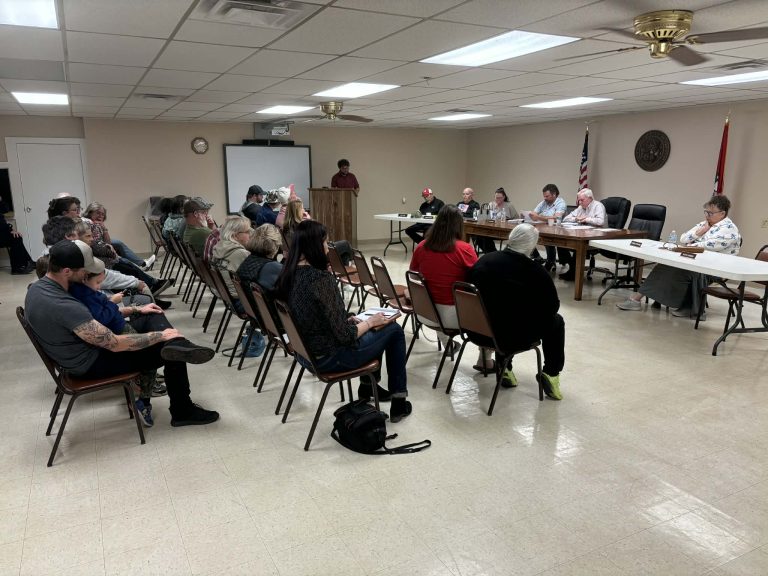
Mansfield Town Hall Draws Citizens, Fire Department, City Leaders for Two-Hour Discussion on Training, Equipment, and Accountability

Concerned citizens and Mansfield Fire Department volunteers joined Mayor Buddy Black, the city attorney, and a majority of the Mansfield City Council for a town hall meeting Thursday evening at Mansfield City Hall. The meeting began at 6 p.m. and lasted approximately two hours.

Mayor Black opened the meeting by stating the purpose was to address recent social media posts concerning the Mansfield Fire Department and to allow citizens the opportunity to ask questions and voice concerns. He specifically addressed criticism regarding a responder unit being parked at a first responder’s residence, stating that he had personally granted permission for the arrangement.

Following an opening prayer, Mayor Black outlined the rules for public comment, limiting speakers to two minutes and requiring them to state their name and place of residence.

The first speaker was Hunter Pyles, a current Paris resident and Mansfield native. Pyles said his concerns stemmed from the fact that much of his family and many friends still reside in Mansfield. He posed several questions to city leadership.

The first question referred to the number of active fire fighters. Pyles asked why of 12, that only two were current on their AFTA-certified training. “Why are the minimum state standards of 16 hours of training not being consistently met?”

The second question related to active, AFTA certified trained members and funding. “Why are we filing for state grant money through Act 833 stating that we are meeting standards when we are not?”

Fire Chief Jesse Keeth was not present due to illness but was reached by phone. Keeth stated he was unsure about the certifications and would need to review the records.

Huntington Fire Chief and Nationally Registered EMT Duane Logsdon was present and addressed a correction related to a previously published Resident News article regarding an “ambulance” at a football game.

In the January 7, 2026, article, a quote stated that “Allen questioned why the nearby onsite first-response unit, located across the street, did not respond during the medical emergency on November 28.” Logsdon clarified that the vehicle referenced was an air truck, not a first-response unit. He explained that the air truck is used exclusively to refill SCBA tanks and to provide a warm, dry shelter for injured players, and that it is not equipped or staffed to respond to medical emergencies.

Logsdon also explained that Act 833 funding is not a grant. Pyles responded that there are still requirements tied to the funding. During discussion, Pyles stated the requirement is six firefighters with a minimum of 16 hours of training, while Logsdon said he believed the requirement to be 12 hours.

Adam Hecox addressed the council, expressing concern that neither the mayor nor council members had readily available documentation related to the issues citizens came to hear about. He also raised concerns about city conditions, including odors and what he described as a “dying downtown.”

Bobby Musgrove spoke about his years of service with the volunteer fire department. Steven Moore spoke emotionally about the night his father passed away, describing performing CPR for 27 minutes.

“If my daughter went down on the sidelines and your EMT stayed in the ambulance and didn’t get out to perform chest compressions,” Moore said, “then he does not need to be in that ambulance. EMTs and firefighters — why would you not come help?”

Kevin Jones, a paramedic firefighter, stated the department’s primary issue was not funding, but manpower. “We need volunteers — people willing to complete 30 hours of training per year, and at least 15 hours for EMR,” Jones said.

Jovaughn Ross also directed questions to the fire chief. Pyles later asked Mayor Black whether anything could be done about expired SCBA equipment. Black responded that the city could apply for grants, noting that grant season was approaching.

Mansfield firefighter David Thomas questioned Pyles directly, prompting Pyles to ask Thomas about his own certifications. Thomas said he had completed a water shuttle class and a ropes class. Pyles then questioned whether the city was in violation of his FOIA request if those training certificates had not been provided.

City Attorney Travis Plummer questioned Pyles about his profession and asked whether he was familiar with the National Association of Emergency Medical Technicians. Pyles responded affirmatively. Plummer asked, “What is the point of all of this?” Pyles replied, “I just want better training. That is my whole goal. I’m not here to shame anybody. We have a lack of training, but we can do better.”

Councilwoman Julie Thomas encouraged residents to reach out to council members directly, stating that citizens can contact council members, or attend meetings if they have genuine concerns. Firefighter David Thomas later asked for mutual cooperation with Pyles regarding future training efforts, to which Pyles agreed.

Mayor Black addressed concerns regarding photos of a rescue unit parked at a church. He explained that the ambulance had been on a call earlier that evening and that responder John Cochran attended church nearby. “He does not drive the rig to personal places,” Black said.

Ivanna Ross expressed appreciation for the volunteer fire department but criticized the tone of the city’s response to citizen concerns. “When citizens express concerns, it creates apprehension to speak up,” she said. “This was mishandled, but it educated a lot of people.”

Mayor Black stated that housing the rescue unit at a private residence is allowed as long as it remains within city limits and helps shorten response times.

Jeremy Pennington, who lives near Cochran’s residence, raised concerns about the vehicle being stored outdoors, citing potential risks such as theft, damage, and animals. Firefighter David Thomas responded that the time saved is critical. Pennington disputed claims that the unit is always returned to the station when Cochran leaves town.

Cochran addressed the concerns, stating that while he is not on duty 24/7, he carries his response gear with him at all times and often responds using his personal vehicle and fuel. “The year before, I spent over $2,000 of my own money on gas responding to calls,” Cochran said.

Billy Coplin, Cochran’s neighbor, stated that the rescue unit is monitored by multiple cameras. Dylan Thomas spoke in defense of the department, encouraging citizens to assist through volunteering or donations and expressing support for the fire chief’s efforts to implement changes.

Before adjourning the meeting, Mayor Black praised Cochran’s dedication, stating that the department responded to 333 medical calls last year and that Cochran missed very few.

Dana Adkins, wife of Northwest Scott Fire Chief Donnie Adkins, spoke about the strong relationship and mutual aid between departments. Danielle Woodard, Hartford city recorder and Mansfield firefighter, addressed questions regarding fire dues.

With no further comments or questions, the town hall meeting was adjourned.