81.6 F
Fort Smith
Saturday, July 4, 2026
Home Blog Page 412

2nd Annual Fort Smith International Film Festival Tickets On Sale June 14

2nd Annual Fort Smith International Film Festival tickets go on sale Tuesday June 14. We have received 364 submissions from over 50 countries including the Cherokee and Choctaw Nations. “It’s exciting to see that our film festival is growing and becoming even more international,” explains executive director Brandon Chase Goldsmith. “We have gotten submissions from close to ten additional countries and over 10 more hours in film than we received the first year. Not only are the quality of our entries increasing, but more people around the world are discovering Fort Smith Arkansas!” Our festival screeners are busy watching all 135 hours of film as we pick the best of the best. We will announce our final line-up in August.

Presented by Arvest Bank, the 2022 Fort Smith International Film Festival will be August 26 & 27 at TempeLive. Built in 1929, the masonic temple houses several rooms with original art deco fixtures and Egyptian themed murals, which will serve as the backdrop for screening rooms and filmmaker workshops. Harkening back to the venue’s past as a theater, TempleLive will provide an all-in-one movie going experience for festival goers and filmmakers.

The theme for the second year will be “Borderlands. ”Located in an original wild west border town, the 2022 Fort Smith International Film Festival, celebrates Borderlands, where the stories of our lives exist. Our shared humanity is experienced at the borders between countries, nations, states, cities, neighborhoods, languages, races, genders, cultures, social economic classes, and ages. Borderlands are where innovation happens, realities are challenged, novel concepts and fresh identities are born and questioned. Film acts as a threshold between actuality and fantasy capturing the moment a border is established, defended, or overcome. For filmmakers, art is our manifest destiny, and the 2ndAnnual Fort Smith International Film Festival, will be a theatrical gateway to creativity’s wild west, where all perspectives and points of view are welcomed.

We have a limited number of VIP tickets ($30), which give you the best seats in the house, access to the filmmakers, actors, and more. Our goal is to keep the festival accessible, general admission are $10 in advance and $15 Day of. You can get your tickets at FortSmithFilm.com.

****Additional Film Programing****
Borderlands Film Series
June Movies

Fort Smith (June 16) – The River Valley Film Society presents Borderlands, a monthly film series, which showcases some of the 132 movies screened at the 2021 Fort Smith International Film Festival. “Come out and enjoy 10 movies for only $5,” Brandon Chase Goldsmith, executive director Fort Smith International Film Festival explains, “We are featuring international, regional, local, and indigenous short films from our first film festival.” Grab some popcorn, a drink and bring your friends and family out for a theatrical event at TempleLive. (June 16, Doors 6:30, Show 7:00pm).

Experience movies that you won’t see at the big movie chains. Mark Williams’ (36 min) “Ikaiyana la chi” ( I Will Remember) exposes the unknown stories of the last Choctaw removal to Oklahoma in 1903 by train, the cultural impact it had on the Choctaw people and a certain Oklahoma community.  In Samer Al Sayegh’s (15 min) “Luna,” Karim, a Lebanese teenage boy with feelings of insecurity meets an equally unwanted classmate named Luna through a presentation about the eclipse happening the next day. Arkansas filmmaker Johnnie Brannon’s (9 min) “Ladies Night” tells the story of three best friends who get together for a night of wine and to share their deepest darkest secrets. “Decolonized Cooking with Chef Nico Albert” by Jeremy Charles (9 min) shows when it comes to Cherokee cooking, professional Chef Nico Albert takes pride in taking our food to the next level and as the singer of a metal band in her spare time, really, her whole life is next level. Jessica Graham (10 min) highlights the 100th anniversary of women’s suffrage in the United States, with “Into Light,” which bringing to life suffragist Inez Milholland’s inspiring final speech. Colleen Thurston’s (11 min) “Sardis” takes us deep into the Choctaw Nation, where a picturesque lake hosts an unusual sight: an island populated by rows of headstones, the last relic of what was the town of Sardis, Oklahoma.

Additional shorts include winner of Jen’s Kitty Rehab Best Animal Movie, Roman Sinitsyn’s (6 min “Cop,” “RAT” by Todd Strauss-Schulson (5 min), awarded Best Drama Short 2021, Bett Helms (3 min) “The Ceiling Man,” and “Road Friend” by Aleksei Borovikov (2 min).

10 International, Regional, Local, and Indigenous short films
June 16 ($5 – Doors 6:30p – Movie 7pm)
TempleLive
200 N 11th St, Fort Smith, AR 72901
Fort Smith International Film Festival
August 26 & 27 (GA $10 Adv, $15 Day of, VIP $30)
TempleLive
200 N 11th St, Fort Smith, AR 72901
For more information FortSmithFilm.com


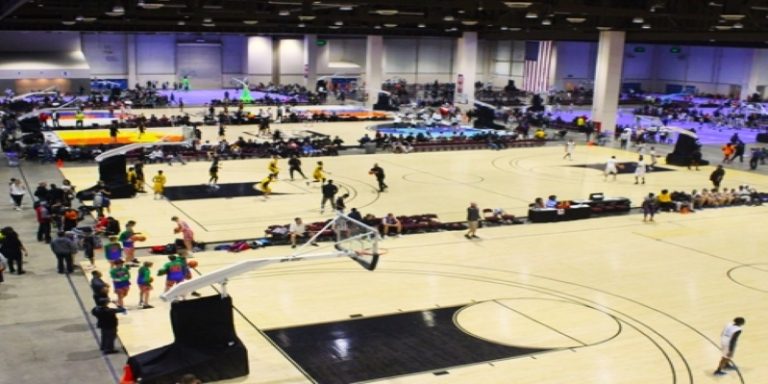
Travel Ball…Is it Worth It?

I know…the mere title of this story is just short of blasphemy to some serious sports fans. As a serious sports fan myself, I have often pondered this question. It has appeared to this writer that the “travel ball industry” has reached the point of just short, or having exceeded that of being out of control. Every year, I see parents investing increasingly larger amounts of time, money, and hope into what they believe will be their child’s ticket to playing in college, or perhaps even professionally.

I must preface my remarks by saying that I am a huge sports fan, and I have spent much of my life supporting and promoting athletes at all levels. In fact, in my retirement, I spend much of my time providing publicity to high school athletes playing the sports they love.

This article was written in the spirit of being thought provoking and not to advocate for or against travel or club sports. As the story will tell you, I had a son play travel sports, and I currently have a granddaughter who plays travel sports. But I have to ask myself and both raise the question about when our children became a multi-billion dollar industry. In a time of economic hardship for many people, I think it is appropriate to ask this question.

Gone are the days when scholastic sports consisted of students playing one, two, or maybe three sports per school year. Summers were spent having fun or being a kid, and for the most part, players worked out on their own to get ready for the school sports year that often began with August practices. Players avoided the air conditioner at home, and spent time outside either working in summer jobs, or working out to be in shape to report to August practice. Parents either worked or stayed home, but they were not taking time off from work and / or traveling with their children seemingly every weekend to tournaments or practices. And now, there is the additional cost and investment into personal trainers. It is not enough to play and practice every week, but now, our kids are working out with personal trainers in between games, tournaments, and practices.

The seductive lure of travel ball has been huge. It is a multi-billion dollar industry that puts money into the local economies of towns and cities that host weekend and week-long tournaments. Time Magazine (Time.com) has stated that the travel ball industry is a $15 Billion per year industry. Hotels, restaurants, community facilities, and the travel ball organizations themselves all benefit from the multitudes of players and their families that flock to the tournaments each weekend in hopes of being seen by college recruiters. And now, add to this expense the cost of gasoline that is regionally costing between $3.80 to more than $4 per gallon. Factor in inflationary costs, and all of the above-mentioned costs are now approximately 8% higher than they were a year ago. Depending on where the tournament is located, the market in which it is located (large or small city), and other costs that I have listed above, the literature suggests that the per player costs to the parents can be anywhere from $300 to more than $2000 per weekend. In fact, tournaments are taking place all over the country, and players and their families may be flying, renting cars, taking other forms of ground transportation (such as UBER), and incur hidden costs such as tips, and other miscellaneous costs. All in all, it adds up to a hefty price tag.

If it sounds like I am against travel ball, well, I certainly understand how you would think that. But there is a side of my thought that wonders if parents and players have been misled. The industry has done a very good job of convincing everyone that this is, and may be the only path, to playing beyond high school. Organizations will often promote their tournaments by saying, “there will be many college scouts in attendance.” That may, or may not be true. Certainly, not in all cases, but in some, there are scouts present. But common logic tells me that there are so many tournaments being played nation-wide, there cannot physically be scouts present at every tournament. Certainly, the high-profile AAU tournaments, for example, are a hot bed for not only college scouts, but for head coaches of the most prolific Division 1 programs. But the local, or regional tournament, not always so. According to what you read, some of the AAU coaches are paid quite well. Organizations make large sums of money on entry fees, concessions, photos, and souvenirs. Parents and fans pay stiff admission charges to enter the building to watch their kids play..and in some cases, there is not adequate seating available.

All of this has had a ripple down effect into high school athletics. Some high school players are now being told by their scholastic coaches that they will not either have a roster spot or will not start the next season if they do not play summer travel ball. And if the coach does not tell them that, there is the culture of expectation that a player knows they have to play summer travel ball to have a chance to play for their school teams. It is pressure on the player and their families, and even becomes a point of contention within schools when players in season in another sport attempt to play off-season club sports at the same time. Time, attention and energy is diverted from the in-season sport, and coaches of the in-season sports often begin to resent other coaches who expect their off-season players to play club sports while in-season with another sport.

But all of this, in my opinion, is just the nature of sports today. It has all changed from the scenario I described earlier of the way things used to be. Opinions will vary; there are certainly those who devoutly believe in travel sports and their perceived value of helping players get to college or beyond. And there are, people who look at the cost and the potential benefit and say it is not worth it. I wonder: Is it worth giving up a player’s childhood to practice and play every week, or, dedicate themselves to just one sport in the name of developing into a college player in that sport.

According to the website, berecruited.com, approximately 33% of college athletes quit, get cut, or get asked to leave the program before they graduate. Factor in burn-out that begins to be apparent in high school after kids have played virtually year-around from their younger years, and the promise or fulfillment of a college sports career fades even more. Playing in college is a job, and for many, it is not fun. It requires a full-time commitment and a virtual forfeiture of any semilence of a college student life. Often times, the player is on campus practicing when everyone else has gone home for the holidays, or, has not reported to school to start the semester. Bottom line, if the player is doing it because they believe that is what they think their parents want them to do, chances are high that they will be part of the 33% that the website suggests.

College athletic scholarships are not guaranteed, and most are renewable each year. A college program can offer and rescind an offer at the last second, leaving the athlete without anywhere to play. A program can also rescind the scholarship during the player’s tenure at a college or university. Compare this reality to that of an academic scholarship that is renewable and within the student’s control as long as they make the required grade point. Students who can walk-on a team with “preferred walk-on” status may have the most secure financial circumstances with respect to paying for college. Preferred walk-ons are treated with the same amenities and preferences as those who are on athletic scholarships. But unlike athletic scholarship players, their tuition, room and board, and supplies are paid by other means (academic scholarships, loans, parents, etc.) But unlike athletic scholarship players, the athletic department does not have an athletic scholarship to take away from them, and, they do not count against the athletic department’s total amount of allowable scholarships. Case in point, I had a basketball player who had been recruited by a Division 1 school. He was desirable to them because he was a good student who would qualify academically for financial aid. They signed him and was able to add him to their program and not use an athletic scholarship that could be subsequently be used to get another player who was not as qualified academically. So parents out there, a preferred walk on offer is a good offer if your child has good grades and test scores.

For female athletes, the website scholarshipstats.com states that the odds of playing college sports are listed as follows:

Softball

Odds of playing on any college roster: 11:1

Odds of playing on a Division 1 roster: 59:1

Basketball

Odds of playing on any college roster: 15:1

Odds of playing on a Division 1 roster: 91:1

Volleyball

Odds of playing on any college roster: 17:1

Odds of playing on a Division 1 roster: 91:1

For male athletes:

Baseball

Odds of playing on any college roster: 8:1

Odds of playing on a Division 1 roster: 47:1

Basketball

Odds of playing on any college roster: 18:1

Odds of playing on a Division 1 roster: 116:1

Football

Odds of playing on any college roster: 11:1

Odds of playing on a Division 1 roster: 36:1

Does playing travel ball improve these odds? Who knows. But one would have to ask if the odds listed above included players who have played travel ball…that would be interesting to know.

So, it may appear so, but the purpose of my story is not to discourage students from travel ball, or for setting a goal and working hard to meet the goal of possibly playing in college. There are many stories of kids who played travel ball and have gone on to highly successful careers in college. Some, if you talked to them, would not change anything about their path to college, or their playing experience in college. Like pursuing college academically, it is all virtually up to the student. Once on a college campus as a freshman, students must accept and mange well the responsibilities of attending class, studying, and managing their time and money. All of these are huge factors to an 18 year old student who may or may not have been away from his or her family for much time at all.

The bottom line is that the question of playing or not playing travel ball is a question that each player and family has to make. It becomes a decision of priorities for each family, and, in some cases, is a gamble if it is predicated on playing collegiately. Otherwise, if it is made for the love of the game, and parents want their kids to have the experiences of travel and playing a sport they love, that is certainly another proposition all together. After all, a monetary investment into an ACT tutor is perhaps the most cost-efficient and sure fire way of getting a child to college. At an average cost of $25 to $50 per hour for a tutor, the likelihood of getting a child’s ACT score up high enough to earn an academic scholarship is much greater than the cost of travel ball and the likelihood of securing an athletic scholarship. At $300 to $2000 per weekend for travel ball, that same amount of money will pay for a lot of hours of tutoring that will pay off, regardless if the child attends college, or attends college and plays college sports. So again, as a sports fan, and a parent who had a son play travel baseball, I would say that investing in an ACT tutor is the most predictable way to invest money in my child’s college future…certainly higher odds than the ones listed above to play college sports. If the goal is to go to college, academics is the most sure-fire way to get there. But that is the question….is the investment into travel ball for the child, or is it the dream of their parents for their sons or daughters to play on the big stage? That is a question that can only be answered honestly by each parent or athlete.

As a matter of full disclosure, I had a son that played travel baseball within the Little League organization for several years. And yes, there were many weekends that we would have the car packed with uniforms, equipment, food and drinks, and we would immediately leave after work on a Friday afternoon and go to a tournament where he would play Friday night, all day Saturday, and most of Sunday afternoon. We would then drive home, unpack, get cleaned up, and drag ourselves into bed to start the school / work week that would begin on Monday morning. And this was a routine we kept for most of the spring and summer. It was expensive, time consuming, and changed our priorities. Everything revolved around playing each weekend, and, in the end, he did not play college baseball. We certainly had great memories of watching him play, and I think he enjoyed playing. But, it was a big expense and took a lot of time away from his childhood. As a parent, I ask myself if it was worth it.

For everyone who has or is currently doing the routine I just described, that is certainly a question that I am sure they have asked themselves several times. And without a doubt, it is question that each player and family has to ask themselves, and that is up to each and every family.

Just a thought….is travel ball worth it?

Tips for Improving Internet Connection in Rural Communities

So many people dream of living off the beaten path. However, as with most things, there’s more to rural living than meets the eye. For example, it’s common for those living in the area to experience poor internet speeds due to the remote location.

No matter what you use it for, everyone needs access to the world wide web. The good news is that there are ways to enhance your speeds for better streaming, gaming, and web surfing. Whether you work from home or use it for fun, here are some tips for improving internet connection in rural communities.

Troubleshoot Your Connection

Before you switch providers or purchase new equipment, try troubleshooting your connection. There might be an easy fix to your problems that doesn’t require a complete overhaul. Contact your internet company and have someone run tests on your connection, cables, and equipment. It could be as simple as physically adding an ethernet cable to connect you to the router.

Reposition Your Equipment

Many times, troubleshooting will recommend moving your equipment around for a better connection. Many homeowners try and hide their routers and technical tools for better aesthetics, but this often causes problems. Routers work best in high, open, and unobstructed areas. If you consistently experience slow speeds, try repositioning your equipment or working closer to your router.

Use Internet-Boosting Devices

If you can’t fix your problems with troubleshooting and repositioning, try using something like a hot spot to boost your connection. These devices act like wireless access points and allow you to get on the internet no matter where you are. If you have a smartphone, you likely already have this capability. If not, you can purchase inexpensive hot spots from almost any electronic store.

Look Into Different Providers

Sometimes you can try everything to boost your speeds and still have zero luck. If that’s the case, consider looking into different providers and see what they can offer you. Many smaller companies offer reliable internet for rural areas that big-name companies might overshadow. Do some investigative work, talk to your neighbors, and use your resources to find the best plan to meet your specific needs.

It’s almost impossible to navigate life without some sort of internet access, and you shouldn’t have to sacrifice it to live outside of the city. These tips for improving internet connection in rural communities should make accessing the web a breeze. Now, you can enjoy all of the incredible things about country living without any of the technical hassles.

Tips for Operating a Log Splitter Safely This Summer

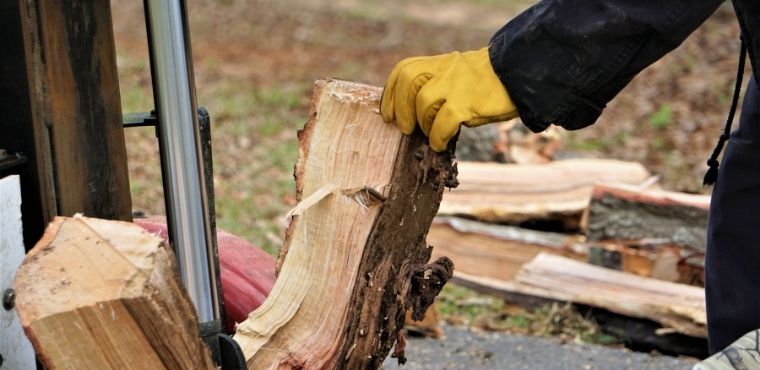
Whether you’re getting rid of extra materials from your landscaping efforts or chopping up wood for a bonfire, log splitters are great machines to have during the summer months. High-powered and durable, these pieces of equipment can take hundreds of pounds of wood and quickly cut it down to manageable loads. However, log splitters can be dangerous, so if you’re going to use one of these devices in the coming months, it’s vital to know how to do it in a low-risk way. These are our top tips for operating a log splitter safely.

Understand How Your Machine Works

Before operating any type of heavy machinery this summer, including your log splitter, it’s vital that you first know how it works. These machines may look simple to use at first glance, but there are many fine mechanics to understand if you want to avoid injury. Familiarizing yourself with log splitter hydraulic systems will be especially important because they help generate the force necessary to split thick logs. Hydraulic log splitters are also better for preserving your long-term health because they don’t require much manual labor.

Find the Perfect Work Location

Once you know how your machine operates, make sure you find the right location for woodcutting. Log splitters should never run on uneven ground with their wheels engaged. Not only can this cause your machine to get away from you, but it also increases the risk of slippage while you’re cutting wood. Stability is crucial for the best, and safest, results. So, only work in areas with flat, dry, and solid ground. Additionally, you should always immobilize your log splitter with wheel locks or wedges to ensure it stays firmly in place during operation.

Never Operate Your Splitter at Night

Lighting is another factor to consider when using your log splitter this summer. While we have more daily sunlight during this time of year, you should discontinue using these machines in the evening. Constantly moving parts require your full attention to avoid injury, and you need as much light as possible to see what’s happening in front of you. Make sure that you’re only operating these pieces of equipment in the morning or afternoon when the sun is at its highest.

Wear the Proper Protective Gear

The most important tip for operating a log splitter safely is to always wear the necessary protective gear during the spitting process. Whether you’ve used a log splitter once or several times over the years, you should never forget to wear gloves, goggles, and specialized work boots. This gear keeps certain areas of your body protected from the machine and the potential debris from the splitting wood.

When you’re cutting wood on your property, there’s a high risk of injury—no matter the type of equipment you’re using. So, use these tips to help keep you safe and sound as you go about your project.

Paris Football to Play in First Summer Camp at Charleston June 13

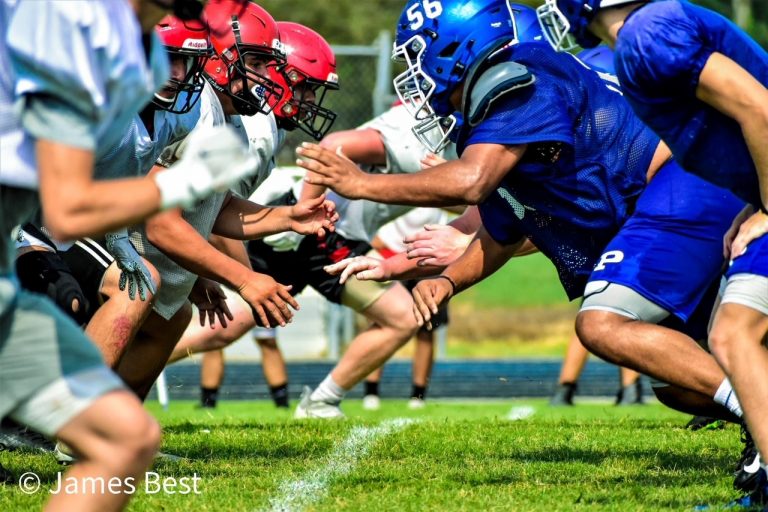
It’s hard to believe; it was not long ago that we wrapped up the 2022 high school sports season with state playoffs in softball and baseball. But now that the school year has come to an end, football programs across Arkansas are beginning summer workouts and camps to continue their preparation for the upcoming Fall season that will begin in August. For the Paris Eagles and other area teams, the first summer camp where teams will play against other schools will begin on June 13. The Eagles will travel down Highway 22 to play at Charleston in a camp that will feature ten teams.

Playing at Charleston will be the host Charleston Tigers along with Paris, Booneville, Danville, Two Rivers, Lincoln, Ozark, Lavaca, Muldrow, and Lamar. Quite a diverse field of teams that will include two conference schools for the Eagles, Danville and Two Rivers, and will be the first opportunity for a young Paris team to see where they measure up going into the 2022 season. Conference 3A-1 powerhouses Charleston and Booneville will be at the head of the class in the camp, along with Class 4A Lamar.

RNN Sports will have photos and a feature story of this camp in the June 22 issue of the Logan County Edition newspaper that is available to readers by subscription.

Stay with RNN throughout the summer for updates on area high school football as teams move toward the start of another exciting high school football season!

Timepiece: The Waldron War

By Dr. Curtis Varnell

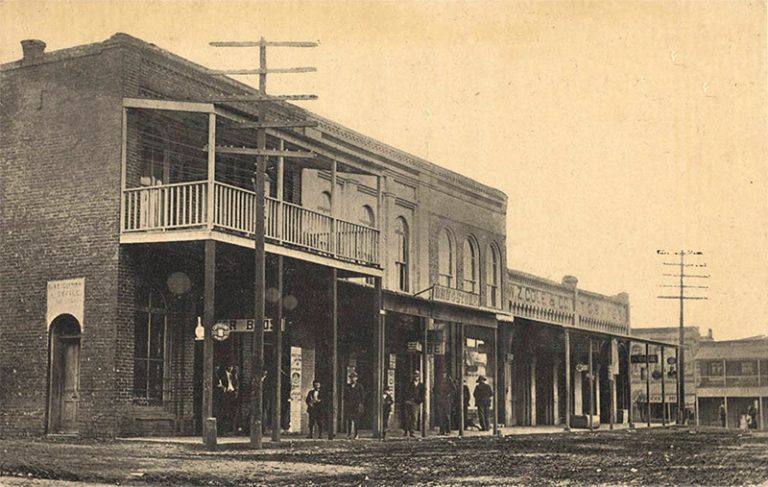
Passing through the River Valley today, one little realizes the animosity, hatred, and violence that once erupted into what is known as the Waldron War. An offshoot of the bitterness created by the Civil War, the Waldron War developed as a result of factionalism within the Republican party and the differing opinions on how to rebuild the state.

When federal forces occupied Arkansas in 1863, there was an immediate effort to reenter the Union.  Arkansas went about setting up a government, one not officially recognized by the federal government. Once military forces were removed from the state in 1868, representatives were elected to write a new state Constitution. The new Constitution was opposed by the Democratic party as well as the conservative branch of the Republican, both of whom were opposed to the radical approach of the national Republican party. The Republicans divided into two camps; one representing unionists from the state and called scalawags, the other representing out-of-state unionists and derisively called “carpetbaggers.”   Powell Clayton, a carpetbagger and first governor, was able to manipulate his political base enough to maintain order. Chaos reigned after the 1872 election with both Republican candidates claiming victory. With less than three thousand votes separating them, both sides claimed voter fraud and both were probably correct. Pulaski county alone had more people vote than were on the voting rolls. The two opposing Republican governor candidates; Joseph Brooks and Elisha Baxter, squared off and began organizing militia groups in support of their positions. The result is known as the Brooks-Baxter affair and resulted in open battles between the two sides. Eventually, Baxter was declared the winner by President Grant but animosity continued between the various factions.

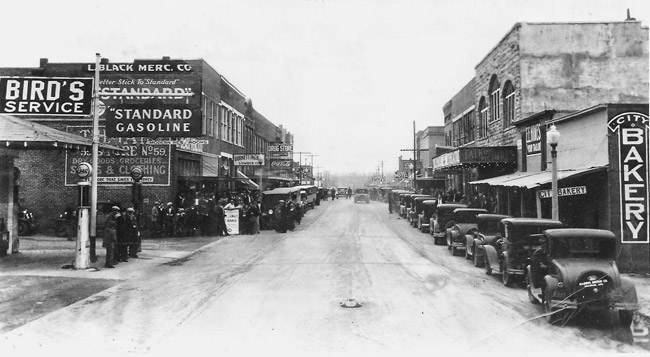
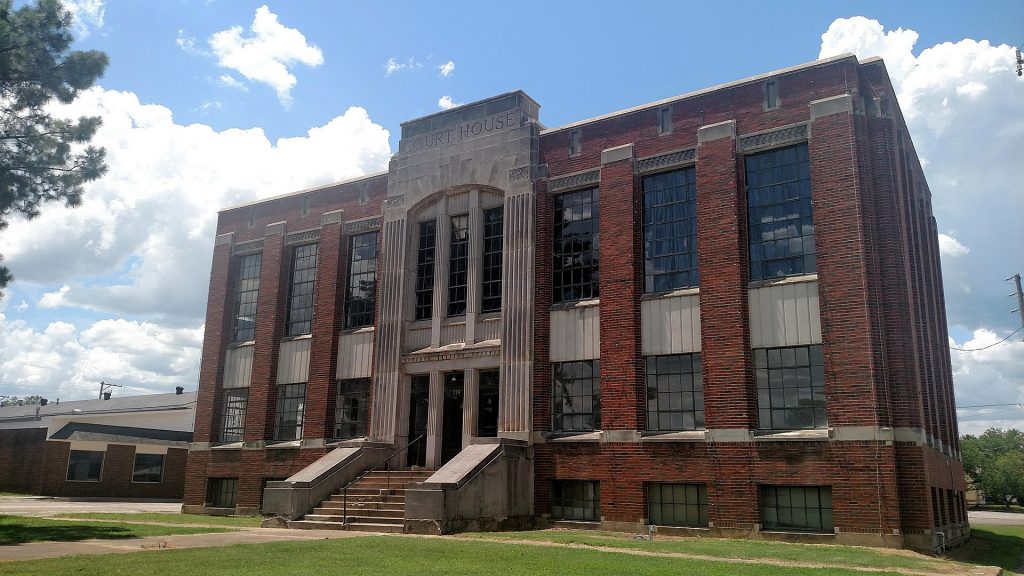
The political factionalism, old animosities left over from the Civil War, and discontent with the graft and dishonesty of politicians boiled over in 1870.  The residents of the River Valley, always a well-armed and fractious group, decided to take matters into their own hands.  In Logan County, armed groups burned the court house and groups in Johnson County fought over the site of the county seat. Those were minor to what occurred in Waldron. James Bethel and W.J. Ellington’s race for Scott County state representative ended in accusations and rumors of fraud.  Bethel, declared the winner, failed to show up in Little Rock to begin his term.  His body was eventually located and his death attributed to everything from natural causes to outright murder.  The election of 1872 was even more contentious and editors of several local papers stoked the flames by providing unreliable and inflammatory views. Books of office and election papers disappeared resulting in Governor Baxter requiring a complete new voter registration. Fighting broke out between competing groups and Cerop Malone was shot.  Sheriff Floyd was charged, acquitted, and left the state after sustaining a gunshot himself.  Opposing militia groups were formed and undeclared war erupted across the county.  No one knows the number of injuries or death that resulted from the violence. By 1876, the infighting had resulted in the murder of several citizens and the Waldron business district being burned to ashes. Governor Miller eventually called up seven companies of the Arkansas national guard and stationed the Arkansas Attorney General in Waldron in order to maintain peace. Even then, civil order was not restored until after the election of 1878.

Conversation swirls around me as I sit in the Charbroiler café.  People discussing the weather, local sports, and farming.  One of the most peaceful and friendly towns I know, Waldron serves as a reminder of the positives that people can achieve when they let the evils of their past disappear.

Quorum Court Awards Money to Sodie Davidson Park

0

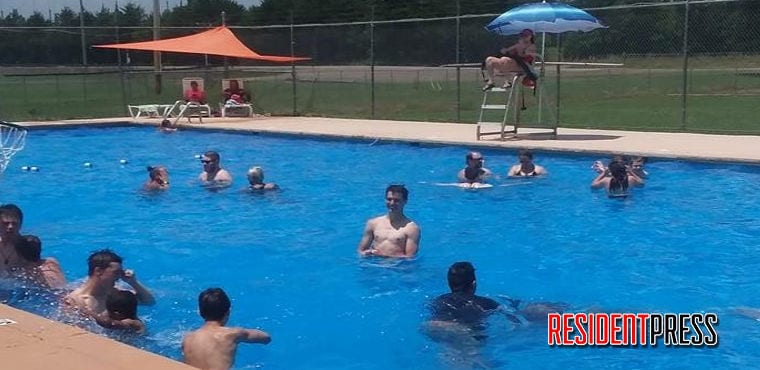
Sodie Davidson Park recently announced that the Scott County Quorum Court had awarded funds for building and repairs.

Seventy thousand dollars was allocated to rehab the pool. The project will also include new plumbing for all three pools, two new diving boards, and new LED pool lights.

The park has partnered with Burton Pools and Spas for continued construction.

Currently, the pool is closed while under construction. However, you can monitor the park’s Facebook page for an opening date. They tentatively plan to accept pool party reservations in July – August.

City of Mansfield Fireworks Ordinance

ORDINANCE NO. 2021-2 AN ORDINANCE REPEALING AND REPLACING ORDINANCE NOS. 81-3, & 86-4 AUTHORIZING THE SALE AND SHOOTING OF FIREWORKS WITHIN THE CITY
LIMITS OF THE CITY OF MANSFIELD, ESTABLISHING PENALTIES FOR VIOLATION
OF SAID ORDINANCE, AND FOR OTHER PURPOSES
WHEREAS, Ordinance No. 81-3, passed and approved by the City of Mansfield,
Arkansas, on September 14, 1981; and Ordinance No. 86-4, passed and approved by the City of
Mansfield, Arkansas, on August 11, 1986, each address the topic of fireworks and it has been
determined that a new Ordinance is necessary for purposes of clarification; and
WHEREAS, the City Council of the City of Mansfield, Arkansas, has determined that it
would be in the best interest of the citizens of the City of Mansfield, Arkansas, to authorize the
sale of fireworks within the city limits of the City of Mansfield and to further regulate the usage
of fireworks within the City limits of the City of Mansfield; and

NOW, THEREFORE, BE IT ORDAINED, BY THE CITY COUNCIL OF THE CITY
OF MANSFIELD, ARKANSAS; THAT
Section 1:
Ordinance Nos. 81-3, and 86-4 are hereby expressly repealed.
Section 2:
All persons desiring to sell fireworks within the city limits of the City of Mansfield, Arkansas shall apply with the Mayor and Fire Chief for the issuance of a permit. A permit fee of $250.00 shall be paid at the time of such application and such funds shall be credited to the City’s fire prevention fund within the City of Mansfield Fire Department Fund.
Along with the $250.00 permit fee, such individual or organization shall also provide to the
Mayor and Fire Chief a copy of the State Permit required for the sale of fireworks. Any permit
issued by the City of Mansfield, shall only be valid for the same period of time as authorized by
the Arkansas State Firework Sales Permit provided by such entity. Further, such permit will only authorize the sale of fireworks within commercial zones of the City of Mansfield. The proposed location for the sale of fireworks must be provided to the Mayor and Fire Chief in writing at the time of the application. The Mayor and Fire Chief shall have discretion not to issue the permit, if in his/her opinion, ample parking and road accessibility is not available at such site.
Section 3:
Shooting of fireworks within the city limits of Mansfield, Arkansas is hereby prohibited and declared unlawful, except from 12:00 noon until 11:59 PM on July 3rd, 4th, and 5th and from 12:00 noon December 31st thru 1:00 AM on January 1st of each year, providing a burn ban is not in effect at the time.
Section 4:
Any person or entity that is issued a permit for the sale of fireworks within the City of Mansfield under Section 2 of this Ordinance shall be required to post the language contained in Section 3 of this Ordinance in at least two (2) conspicuous locations where the fireworks are to be sold under such permit.
Section 4:
It shall be unlawful for any person to ignite any fireworks or cause any fireworks to travel closer than three hundred (300) feet from any school, church, or business establishment within the city limits of the City of Mansfield.
Section 5:
This Ordinance shall not apply to the City of Mansfield, Arkansas sponsored events, to include the Mansfield Public School District, that may from time to time sponsor its own fireworks display.
Section 6:
The fee required under Section 2, shall be waived as to any applicant presenting at the time of application, a written form reflecting their 501 (c) (3) status having been issued exempting them from federal income tax. The remaining portions of this Ordinance shall apply to them for the permit fee.
Section 7:
In the event the county Judge issues a burn ban, it shall be a violation of this Ordinance to shoot off any fireworks within the city limits of the City of Mansfield, Arkansas, during such burn ban.
Section 8:
Any person, firm, co-partnership or corporation violating the provisions of this Ordinance shall be guilty of a misdemeanor and upon conviction thereof shall be punished by a fine of $25.00 for the first offense, $100.00 for a second offense, and $500.00 for a third offense. Each offense shall constitute a separate offense.
Section 9:
The City Council of the City of Mansfield finds that the uncontrolled and unregulated sale and use of fueworks creates a hazard to the health, safety, and welfare of the citizens of the City of Mansfield, and therefore, an emergency is hereby declared and this Ordinance shall be in full force and effect from and after its passage and publication.

PASSED AND APPROVED BY A 6-0 MAJORITY OF THE CITY COUNCIL OF THE CITY OF MANSFIELD, ARKANSAS ON THIS 19 DAY OF August, 2021.
Clerk / Recorder:
Becky Walker
Mayor:
William “Buddy” Black

This is Arkansas Seminar

By Dr. Curtis Varnell

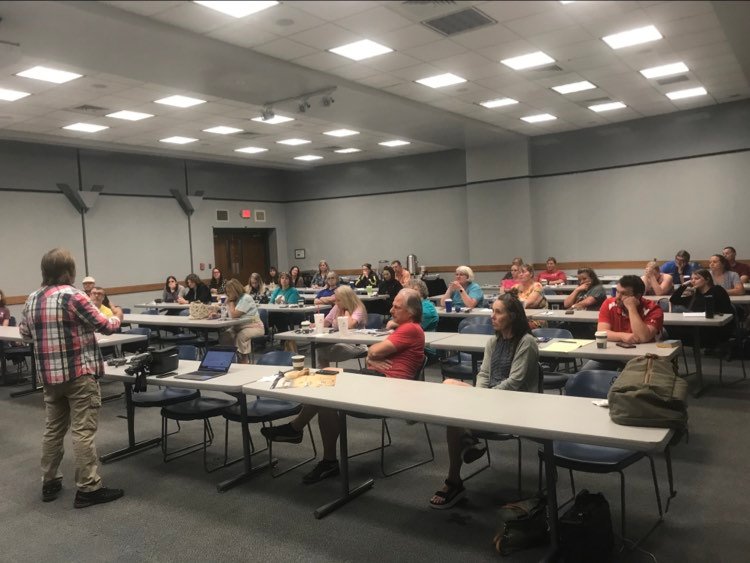
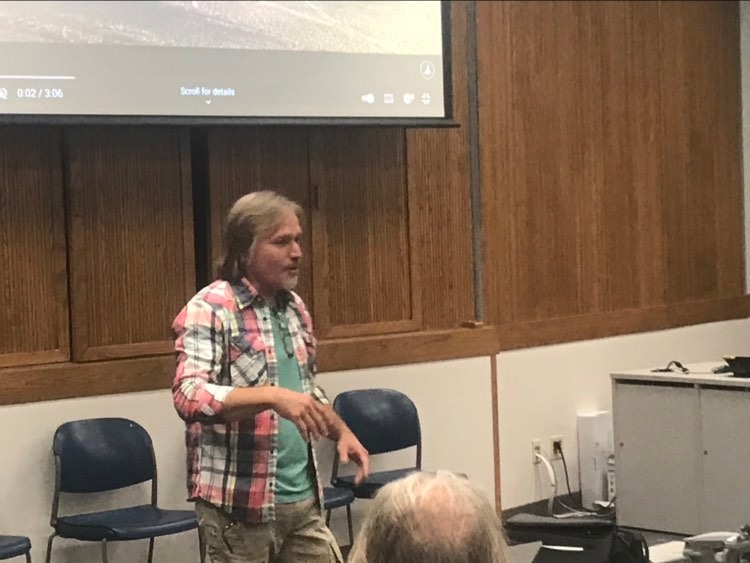
U/A Fort Smith and GFESC cooperatively hosted the 12th annual This is Arkansas Seminar on June 7 at Echol hall on the Fort Smith campus.  Over forty teachers from area schools attended the all-day session.

The seminar was initially organized to promote the inclusion of Arkansas history, science, and the arts into the school curriculum.  Arkansas, often thought of as a backwater site, has had considerable input into all facets of the above and, by using our local information as a hook, the subject matter becomes of much more importance and interest to students. In many instances teachers can begin the study of a period of history or science by talking about local items and then link them to what was going on at the national or even international level.  This leads to better understanding and retention of information because the lesson is pertinent to the world in which the student lives.

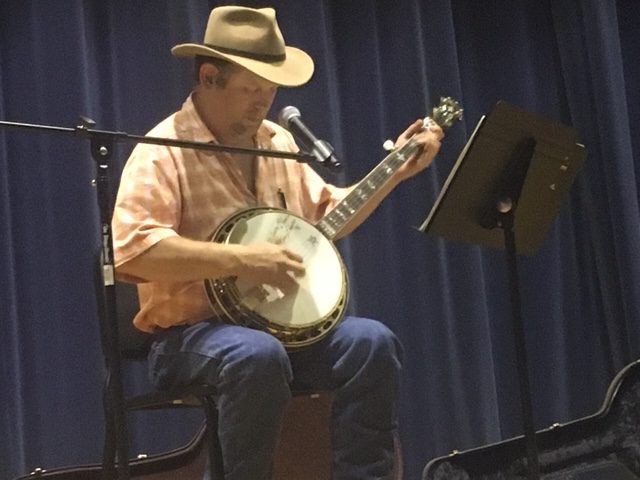
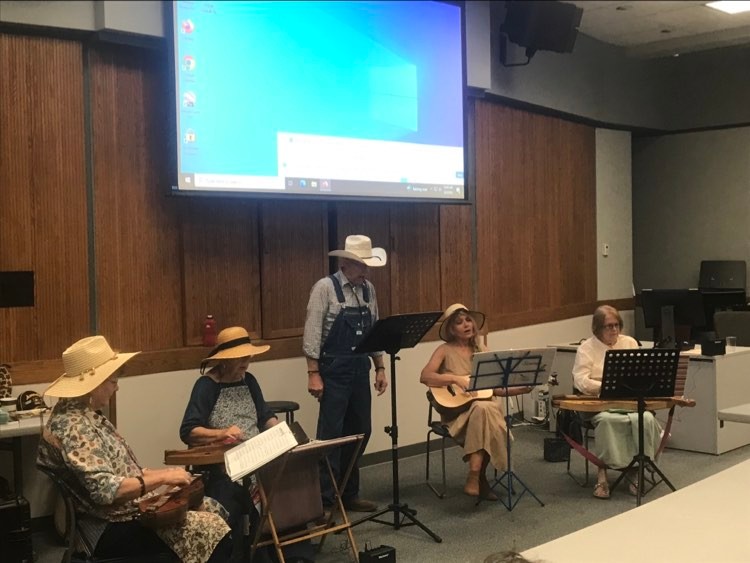
This year’s line-up included several outstanding presentations over a wide-range of topics.  Mr. Cody Faber began the day with an overview of the Fort Smith National Park and the services the park can provide in interpreting Arkansas and national events.  Sweet String, a local group than provided music, entertainment, and the history of mountain music with a dulcimer and stringed instrument presentation.

Aaron Chastain, an instructor from Springdale schools demonstrated the use of technology in the classroom.  Using camera, sound equipment, and a drone, his students created a video of the Smith hospital in Paris.  The overview demonstrated how classrooms can integrate an interdisciplinary approach to teaching literacy, history, science, math, and technology into one unit of study.

Mr. Patrick Millard of Waldron started off the afternoon session with peals of laughter with his home-spun humor in using the telephone and music to demonstrate the different world students of today live in than did their parents.  

The key-note address was my Mr. Tom Wing of U/AFS as he presented a living history of the Mexican War and how it affected Arkansas and the world.  Mr. Wing is a Fort Smith native, a university professor, and a curator at the Drennan House in Van Buren.  A gifted speaker, he held the audience spell bound with real to life stories of Albert Pike, Archibald Yell, and other key figures in Arkansas history.

Teachers are required from 45-60 hours of professional development during the summer session.  GFESC will continue sessions for the next two months, offering teachers the content and methodology to continue to develop their teaching skills.  A typical day for the educational cooperative includes as many as a dozen teaching sessions daily in everything from physics to the arts.  Sessions are held at the cooperative, at area schools and universities, as well as outdoors and at the Huckabee Nature Center.  School is never out for teachers, it’s just all a part of the job to provide the best possible education for our students.

Next-Level Upgrades You Need for Your Outdoor Space

An outdoor space can be simple, just some grass and dirt, but it can be so much more. If you put some time and effort into your yard, you can turn it into an oasis. Here are a few next-level upgrades you need for your outdoor space.

A Raised Garden Bed

One of the best things you can add to your outdoor space that will bring in new life and simultaneously provide you with lots of fruits and veggies is a garden. However, a standard garden can take up a lot of space and force you to get on your knees. Avoid this by investing in a raised garden bed! This way, you can grow plenty of beautiful plants and harvest them much easier. On top of this, a raised garden bed protects your plants from predators, such as rabbits and deer.

An Above-Ground Pool

When many people think of upgrading their backyards, their minds immediately go to pools. It’s a smart option, and you can get a lot of use out of it, but it’s also incredibly expensive, difficult to maintain, and sits there collecting dirt for over half the year. People have some misconceptions about above-ground pools, but they seem to be the better option because you can tailor them to meet your specific needs. You get the benefits of a pool, but you don’t need to tear up your yard to put it in.

Invest in a Pergola or Awning

You should enjoy your outdoor space all year, but that can be difficult when a big part of that year is underneath snow or in scorching temperatures. Thankfully, you can navigate these two extremes with a pergola or awning. These can provide you with some much-needed shade or keep snow out of a small area. This way, you can enjoy your outdoor space all year from the comfort of your back porch.

A Fire Pit

Whatever time of the year it is, something that can get everyone outside telling stories is a fire pit. They are great for all times of the year, and there are various options to meet your needs. There are smaller DIY ones that you can build yourself, or you can have a permanent fire pit installed professionally. Either way, you create a lovely space outdoors that you and your friends can enjoy year-round.

These are a few next-level upgrades you need for your outdoor space, and once you install any one of them, you can immediately feel the benefits. All of these will encourage you to spend more time outdoors, and all that fresh air and vitamin D from the sun will revitalize you. Get outdoors today and turn your yard into an oasis.