After a win against the Mena Bearcats, the Dogs traveled to West Fork to play the Prairie Grove Tigers in the first round of the Duel at the Dome. With the Dogs playing back-to-back nights they came out sluggish but managed to keep the game close and kicked it in during the 4th quarter.
The Dogs started out in their 2-3 zone defense and forced the Tigers to shoot perimeter shots and they quickly buried two deep threes. Waldron came out slow in the 1st quarter. They had problems finishing inside layups and turning over the ball. Coach Atchley brought in a whole new group to try to spark some momentum, but the Dogs continued to struggle from the field. After a layup from Ethan Mayberry and two free throws from “Fish” McConnell the Dogs ended the 1st quarter down 4-12.
Trenton Hunt got the 2nd quarter started for the Dogs with a post move layup to make the score 6-13. The Dogs stuck to their zone defense and allowed the Tigers to get a lot of offensive rebounds. After a free throw by Camdon Holcomb the Dogs switched to a full court press defense to try to force some turnovers and that is what they accomplished. Chris Lopez and Kason Moudy both got steals that led to easy transition baskets layups to get the Dogs within 6. Going into halftime McConnell nailed a 3-pointer to make the score 16-19 at half.
Coming out of the half the Dogs extended their half-court zone and put some pressure on the Tiger ball handlers. Waldron was able to get their offense going after Payton Justice converted an old-fashioned 3-point play. Shortly after Hunt got a short jumper to fall to get the Dogs within 4 with the score of 21-25. The Bulldogs were still having trouble turning the ball over, allowing the Tigers to get transition points. To end the 3rd quarter McConnell splashed back-to-back 3-pointers to make the score 27-32 advantage Tigers.
Waldron came into the 4th quarter determined to take the lead and that is exactly what they did. Ethan Mayberry quickly buried a 3-pointer and shortly after got an and-one layup to fall to put the Bulldogs ahead at 33-32. The Dogs continued their press defense and sped up the pace of the game. Prairie Grove was able to grab the lead but only momentarily as Mayberry added another three to make the score 38-37. The Tigers began a full-court press of their own, but the Dogs were able to beat it as Holcomb made a short jumper and Hunt added a layup to put the Dogs up 42-39. With the clock against the Tigers, they were forced to foul and send the Dogs to the free throw line. After two missed free throws by the Dogs the Tigers had the ball with a chance to tie the game and send it to overtime, but Tigers final shot fell short and allowed the Dogs to take home the close win with the final score being 44-41.
Ethan Mayberry and “Fish” McConnell led the Bulldogs in scoring with 11 points apiece. Hunt finished the night with 8 points and Justice added 5.
The Bulldogs will travel back to West Fork to play the Bergman Panthers on December 2nd at 6:30 in the semifinals of the Duel at the Dome.
The Dogs came into Thanksgiving break on a two-game losing skid against DeQueen and Fort Smith Southside to make their record 5-2. Looking for an opportunity to get back on track, the Dogs traveled to Mena to play the Bearcats. The rivalry between the Dogs and Cats runs deep in Scott County, and the Waldron fans flocked to Bearcat arena to watch their boys play.
“Fish” McConnell opened the game for the Bulldogs with a long three-pointer to ignite the crowd. The Dogs began in a 2-3 zone defense which has come to be a staple for them. Trenton Hunt was able to get an elbow jumper to fall to make the Dogs lead 5-3. With the Dogs playing zone the Bearcats were shooting outside shots early which led to long rebounds. The Dogs were not able to come down with many rebounds which gave the Bearcats a lot of second-chance opportunities. Waldron was sloppy with the ball in the 1st quarter, and they were unable to finish on a lot of good looks from inside. After a Camdon Holcomb put-back layup the 1st quarter ended with the Dogs down 7-12.
To begin the 2nd quarter the Dogs extended their zone to put some pressure on the ball handlers. Drew Owens nailed a 3-pointer and quickly after got a steal which led to an Ethan Mayberry layup to tie the game at 14. Sophomore Chris Lopez checked into the game for Waldron and quickly made an impact by getting a layup to fall. After the layup, the Dogs began to full court press the Cats which led to some Mena turnovers. Waldron was able to capitalize with Owens getting a floater to fall and Trenton Hunt burying a 3-pointer to make the Waldron lead 22-18. Coach Atchley elected to leave a small-ball lineup in the game with 5 guards on the court. To end the half Lopez was able to go coast to coast and finish a nice layup to make the score at halftime 26-23 Waldron advantage.
The Bulldogs were firing on all cylinders in the 3rd quarter. Hunt went on an 8-0 run by himself that included two three-pointers and a layup to make the score 33-25. The Bulldog’s press and zone proved to be too much for the Bearcats to handle as they only scored 2 points in the whole quarter. Owens was again able to get a steal which led to an easy transition layup to push the Dogs lead to 37-25. After a technical foul by Mena, Waldron had all the momentum. The Dogs were able to get to the line and force turnovers. Hunt ended the 3rd quarter with a 3-pointer from the logo to make the score 45-25 in favor of Waldron. The Dogs went on a 19-2 run in the 3rd quarter.
In the 4th quarter Mena was the one that was applying the pressure. The Bearcats were able to force a lot of turnovers and had numerous second chance opportunities. They were able to get the game within 9 points after being down 20 with a score of 50-41, but after the Dogs were able to beat the press twice in a row which led to two Camdon Holcomb layups, the Bearcats were forced to foul.
The Dogs put the game away from the free throw line and ended the game with the final score being 57-47 advantage Waldron.
Trenton Hunt led the Dogs in scoring with 16 points. Owens was the second leading scorer with 9 points. Holcomb added 8 points and 6 rebounds and Lopez had 7 points.
The Bulldogs will play the Prairie Grove Tigers on December 1st at 7:00 at West Fork as part of the West Fork classic tournament.
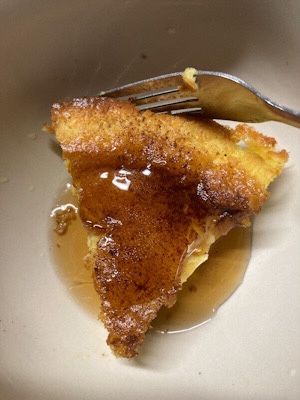
Pancakes are super easy to make, but I have discovered German pancakes are even easier. The flavor isn’t the same since Dutch Baby pancakes use eggs as the main ingredient, it does present a very unique and delicious flavor.
This will probably be our Christmas Day breakfast this year, it is just so easy and all of us enjoy it which cannot be said about many breakfast foods. Once you see how easy it is you may have the same reaction!
Ingredients
-6 eggs
-6 tablespoons butter
-1 1/2 cup milk
-1 1/2 cup flour
-1 teaspoon vanilla
– 1 teaspoon salt
Directions
1. Preheat oven to 425*. Grease 9×13 pan.
2. Add all ingredients to blender. Pulse until well combined.
3. Pour ingredients into pan, cook for 14-15 minutes. Your pancake is done when it is puffed up around the edges and a golden brown.
Top with syrup, powdered sugar, fruit, or whatever your taste buds desire. I sprinkled some cinnamon on mine after cooking
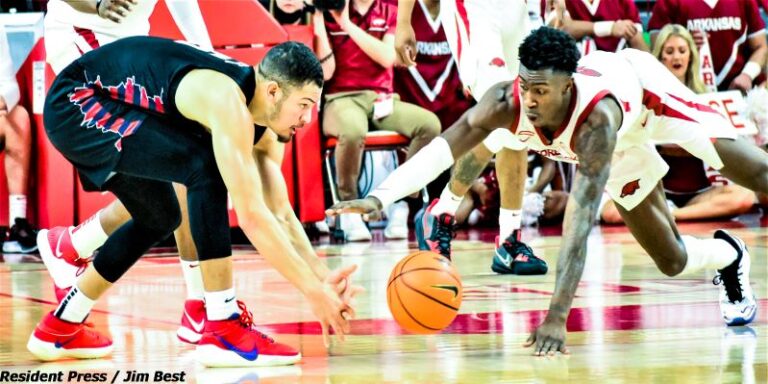
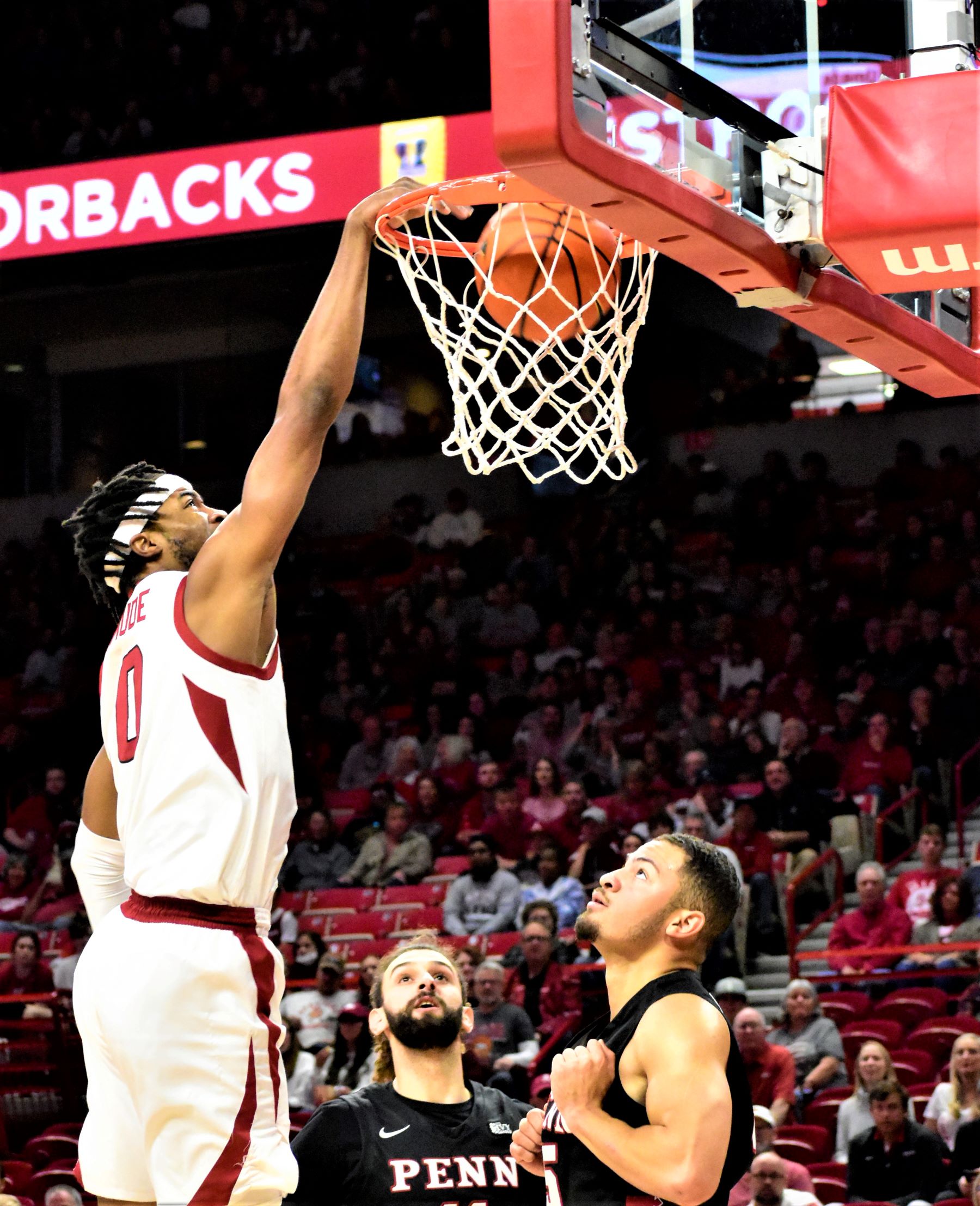
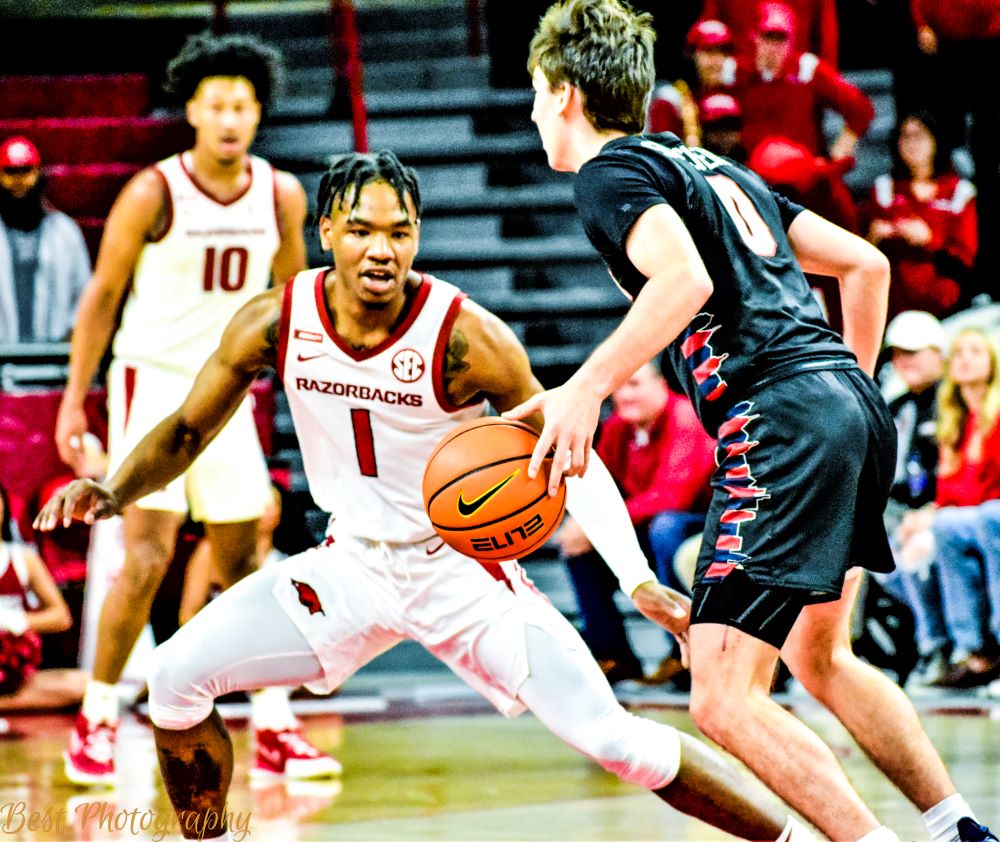
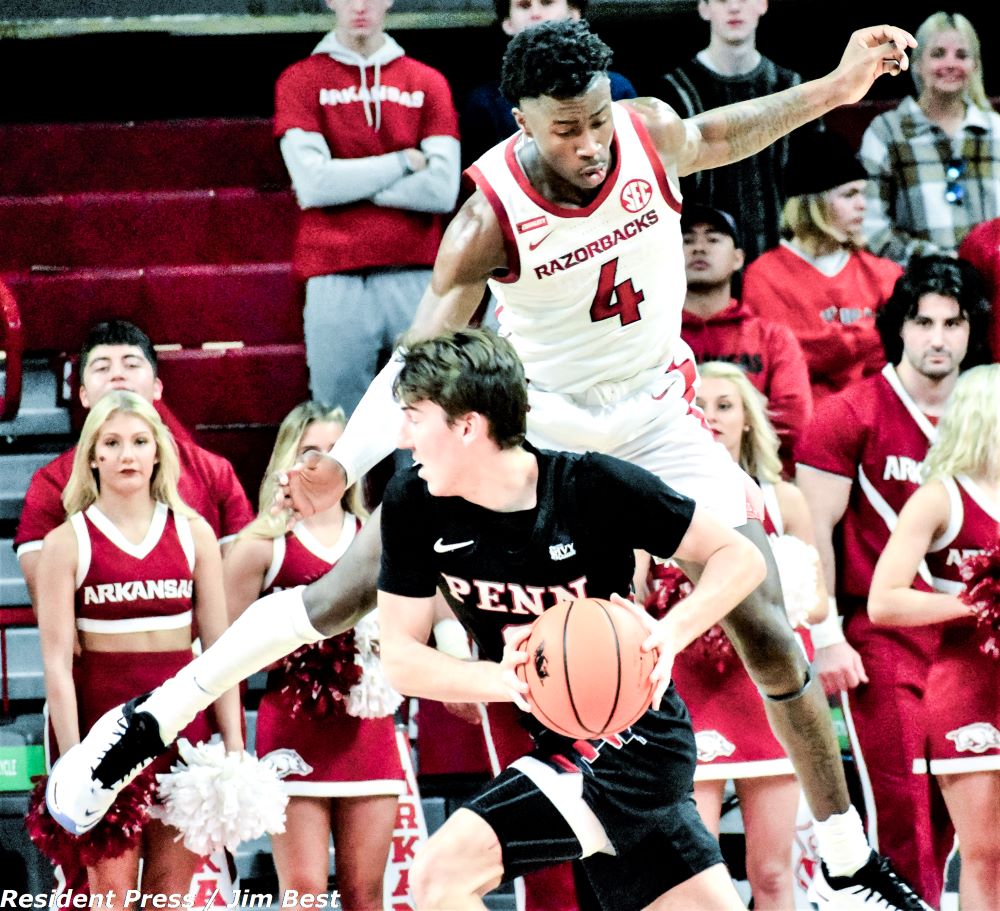
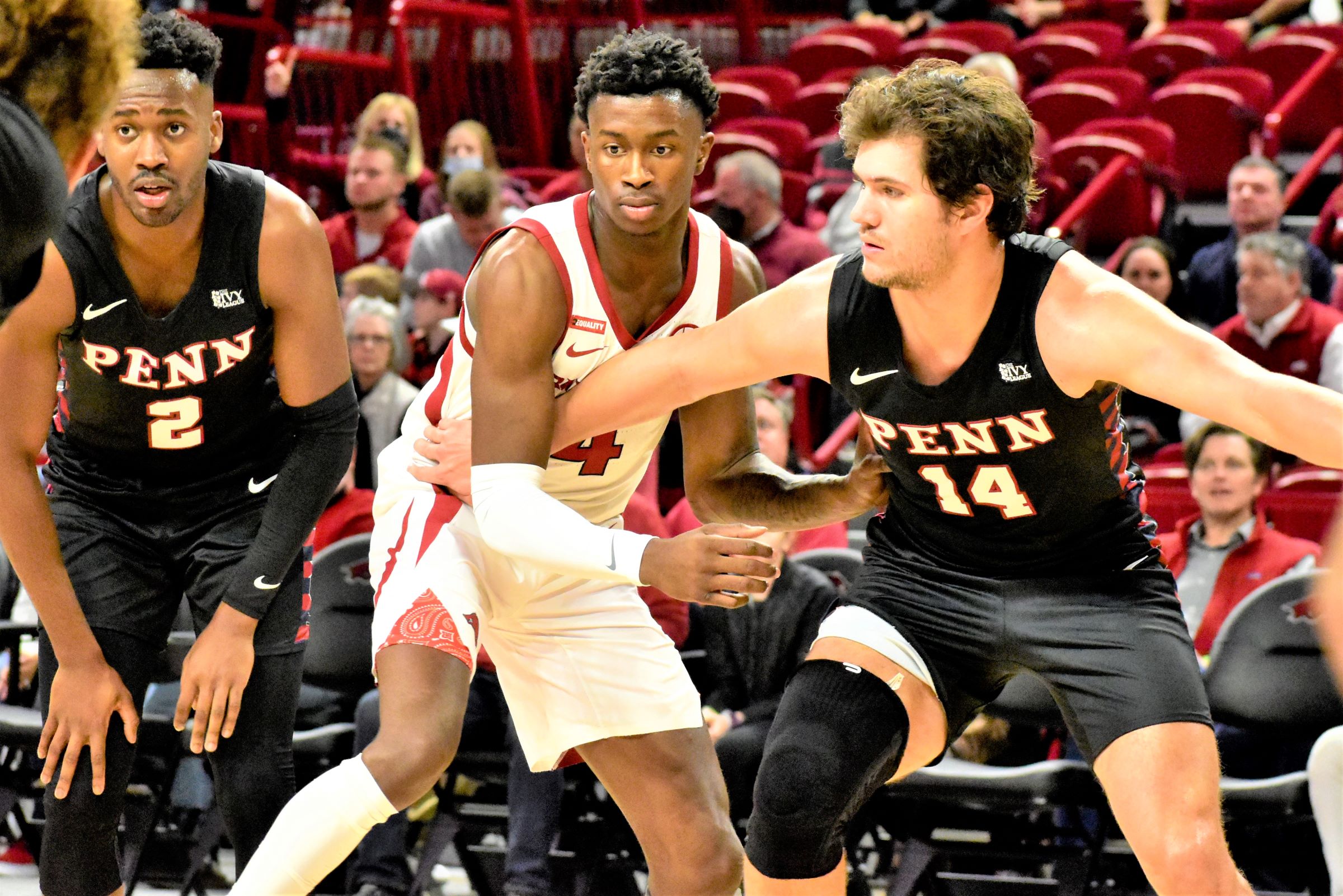
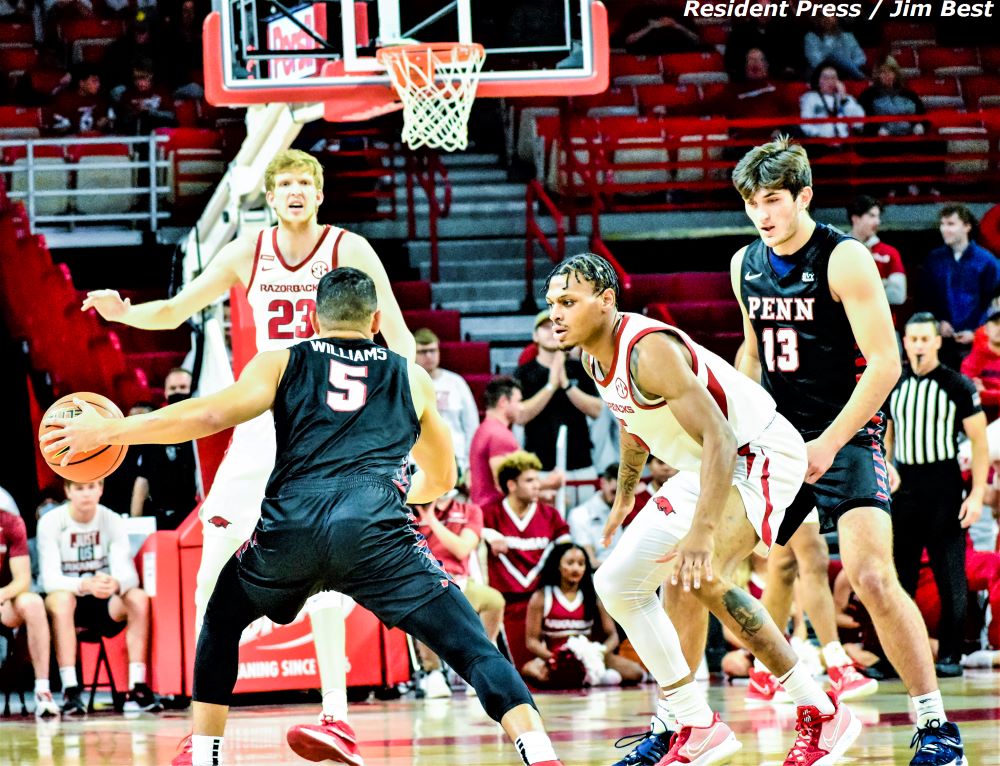
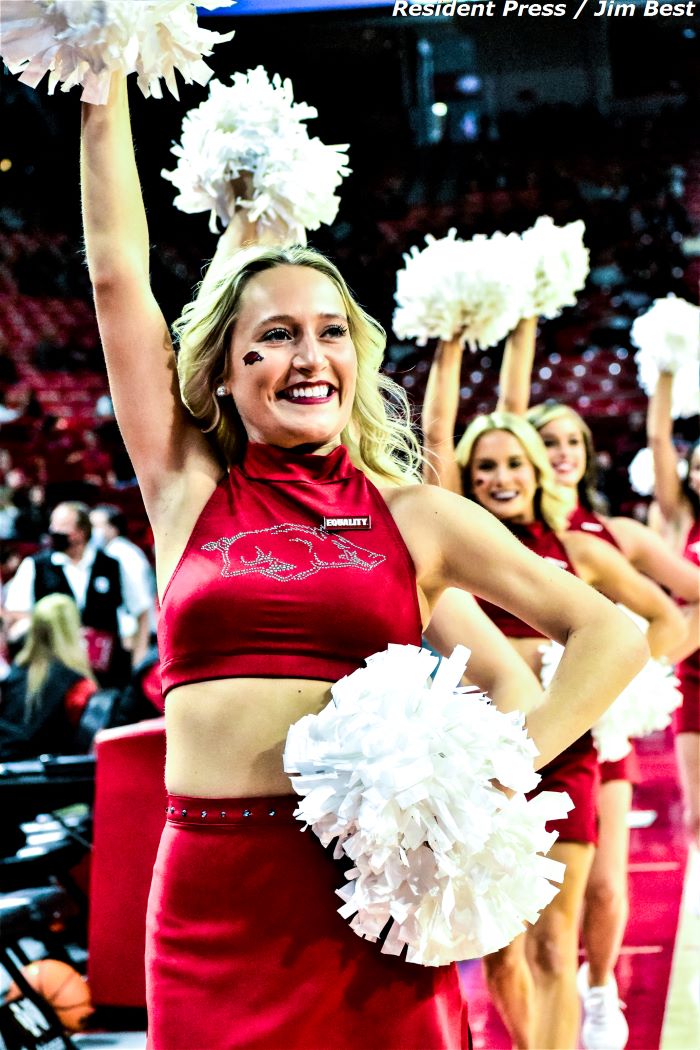
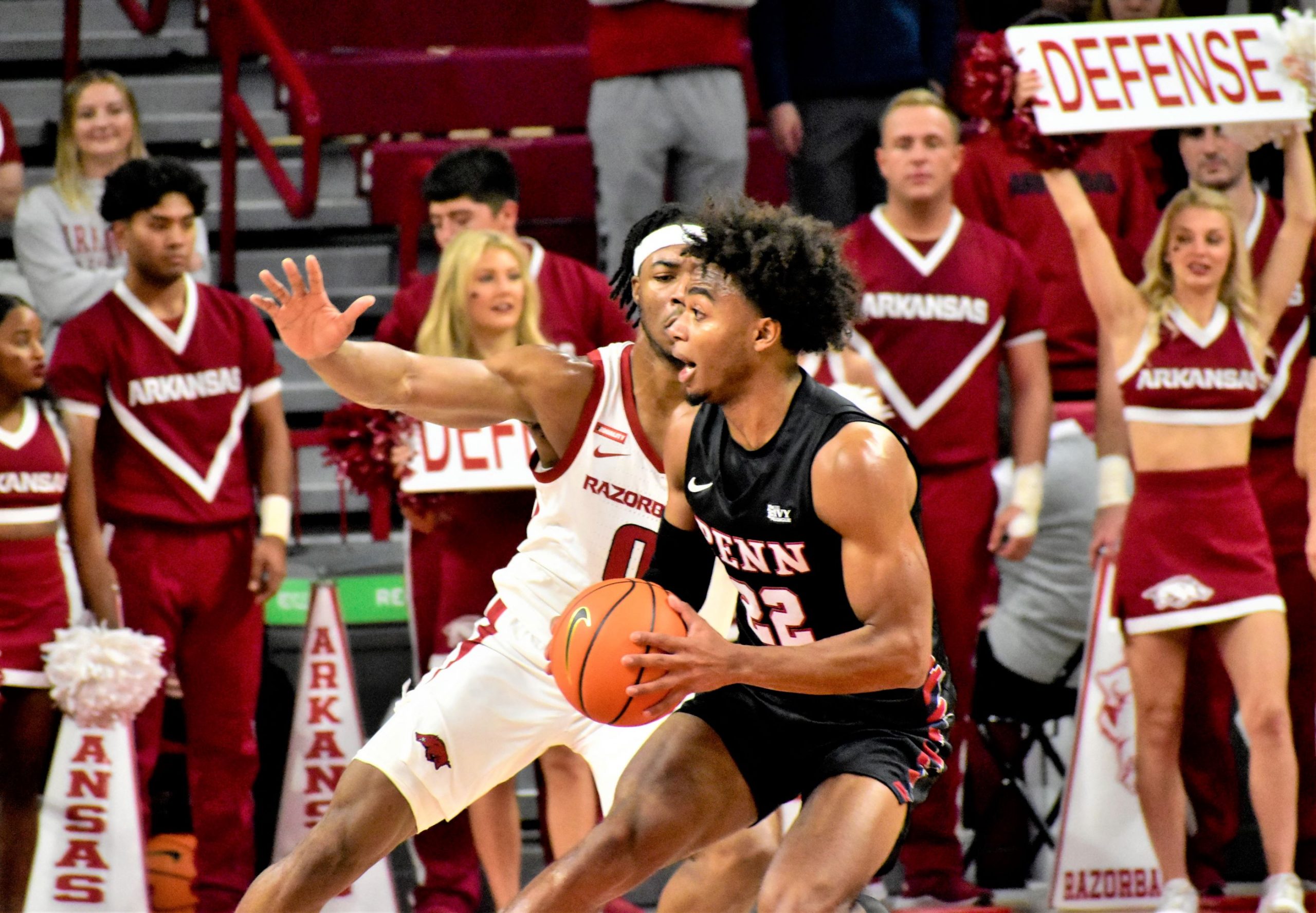
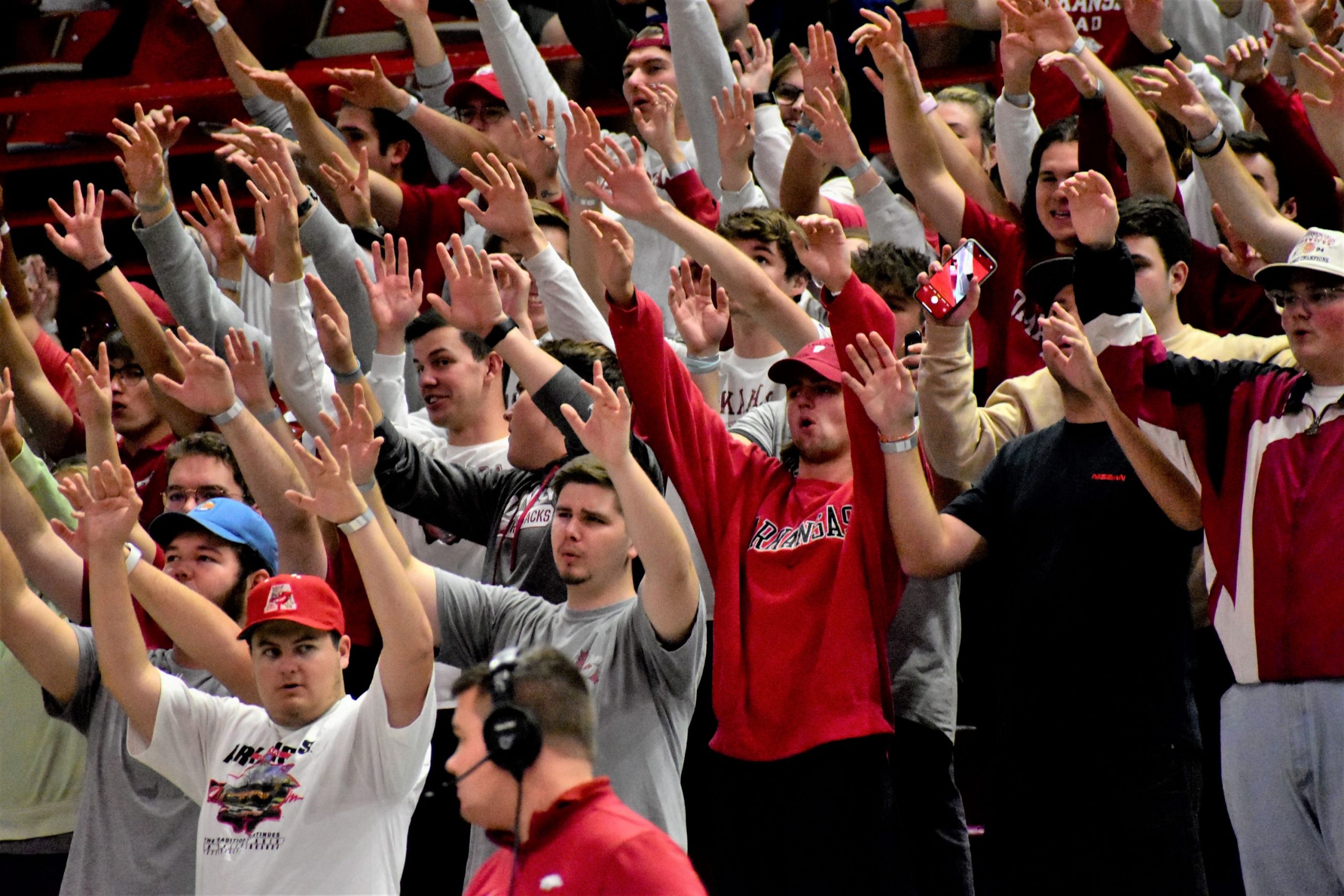
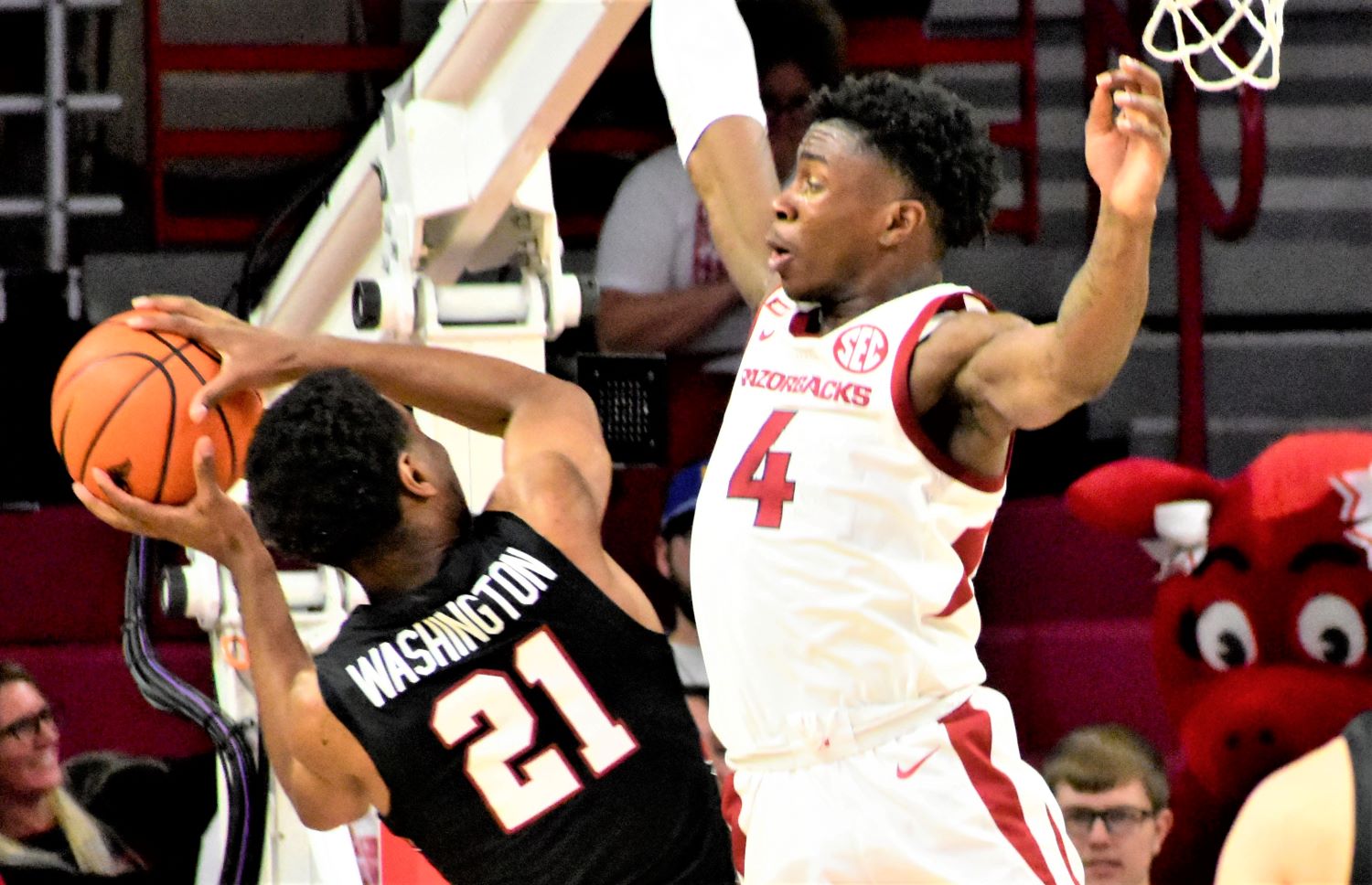
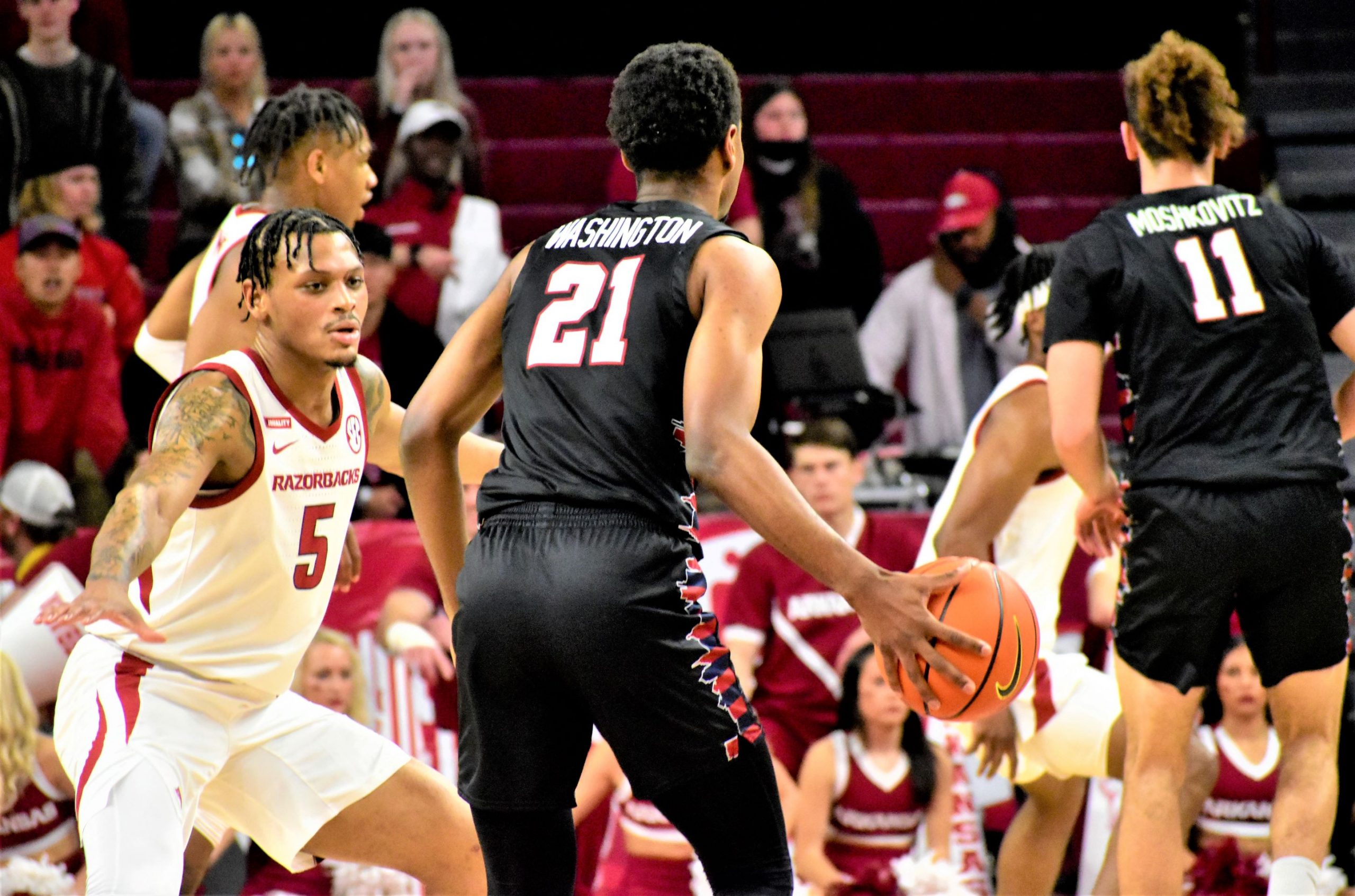
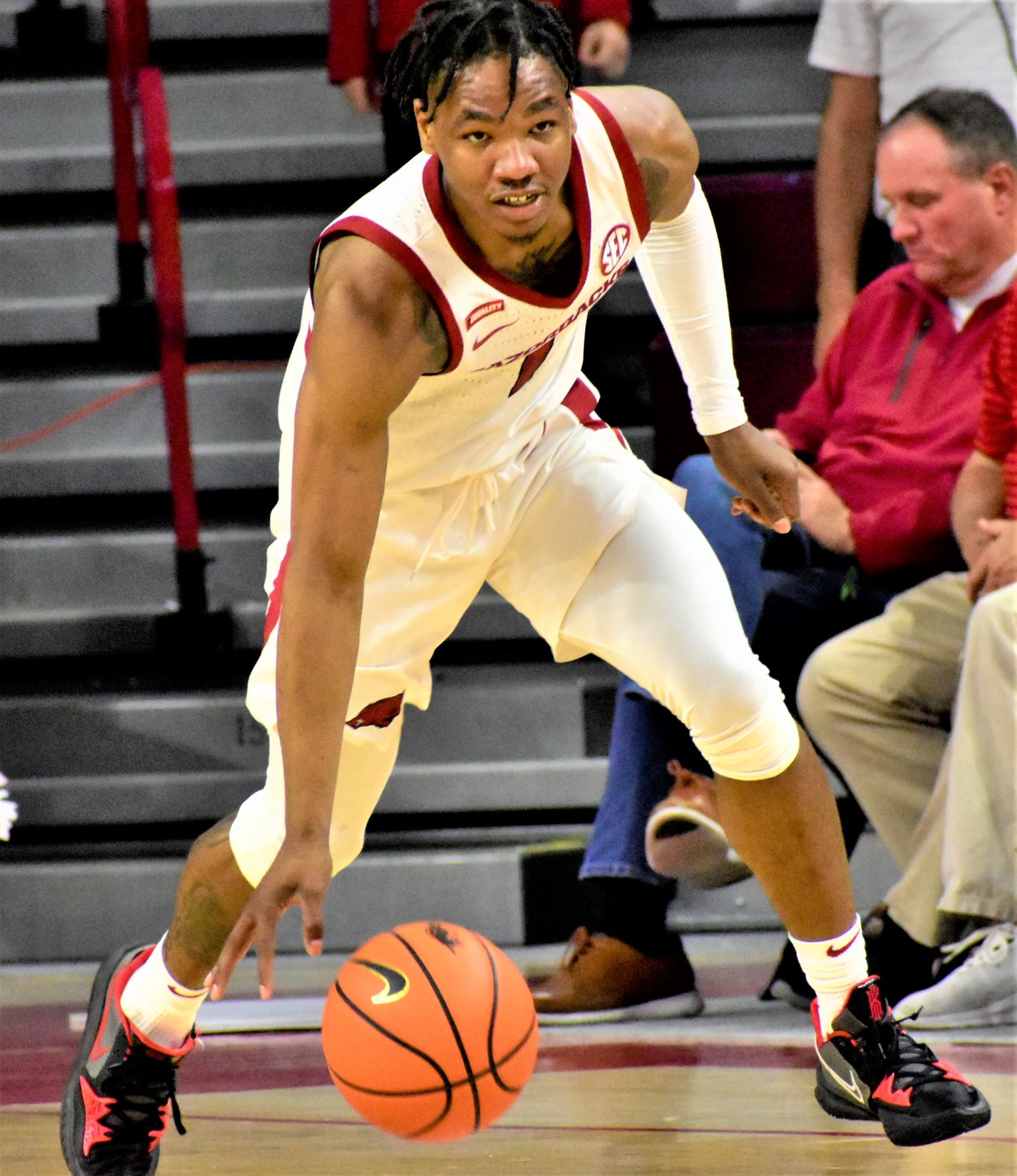
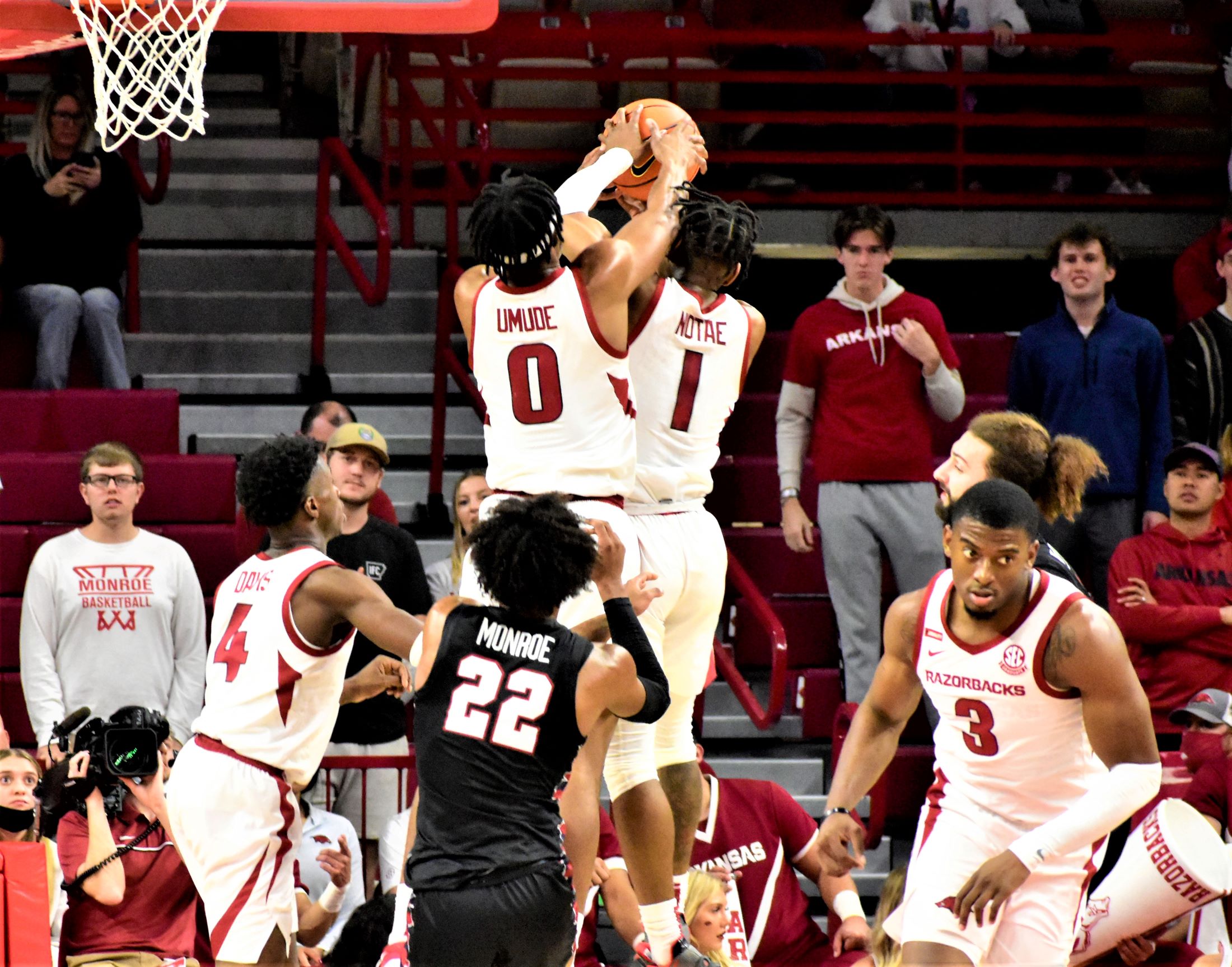
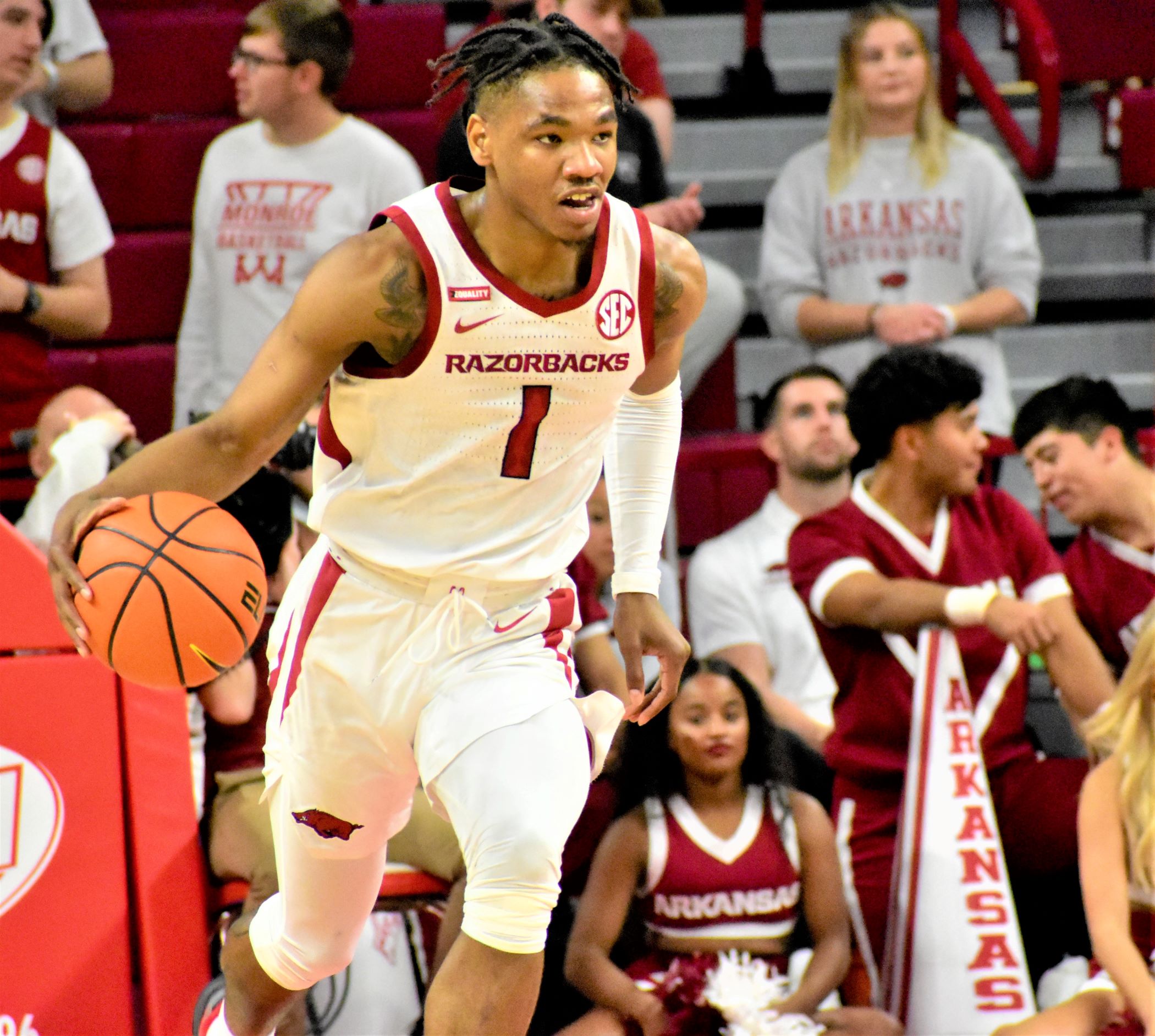
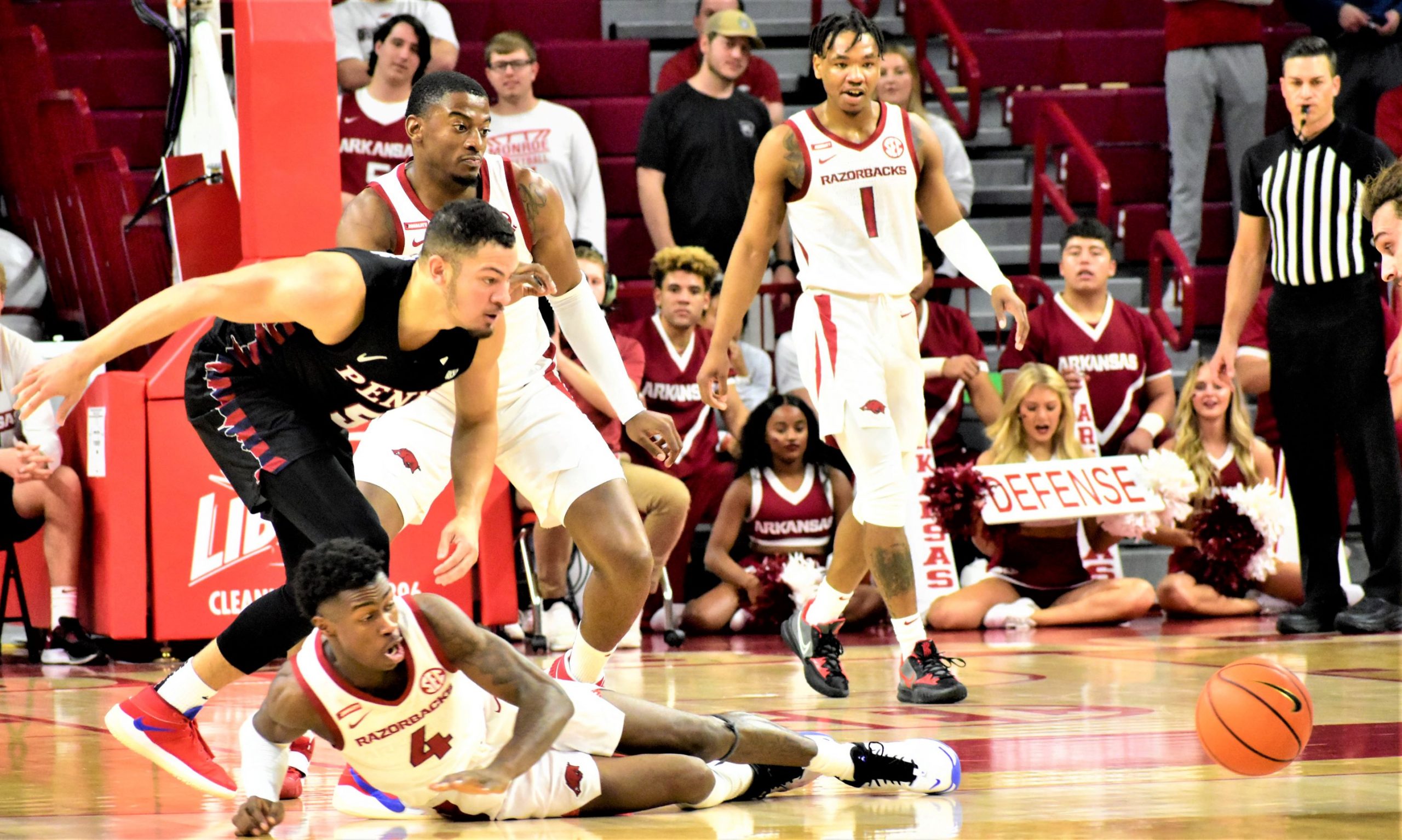
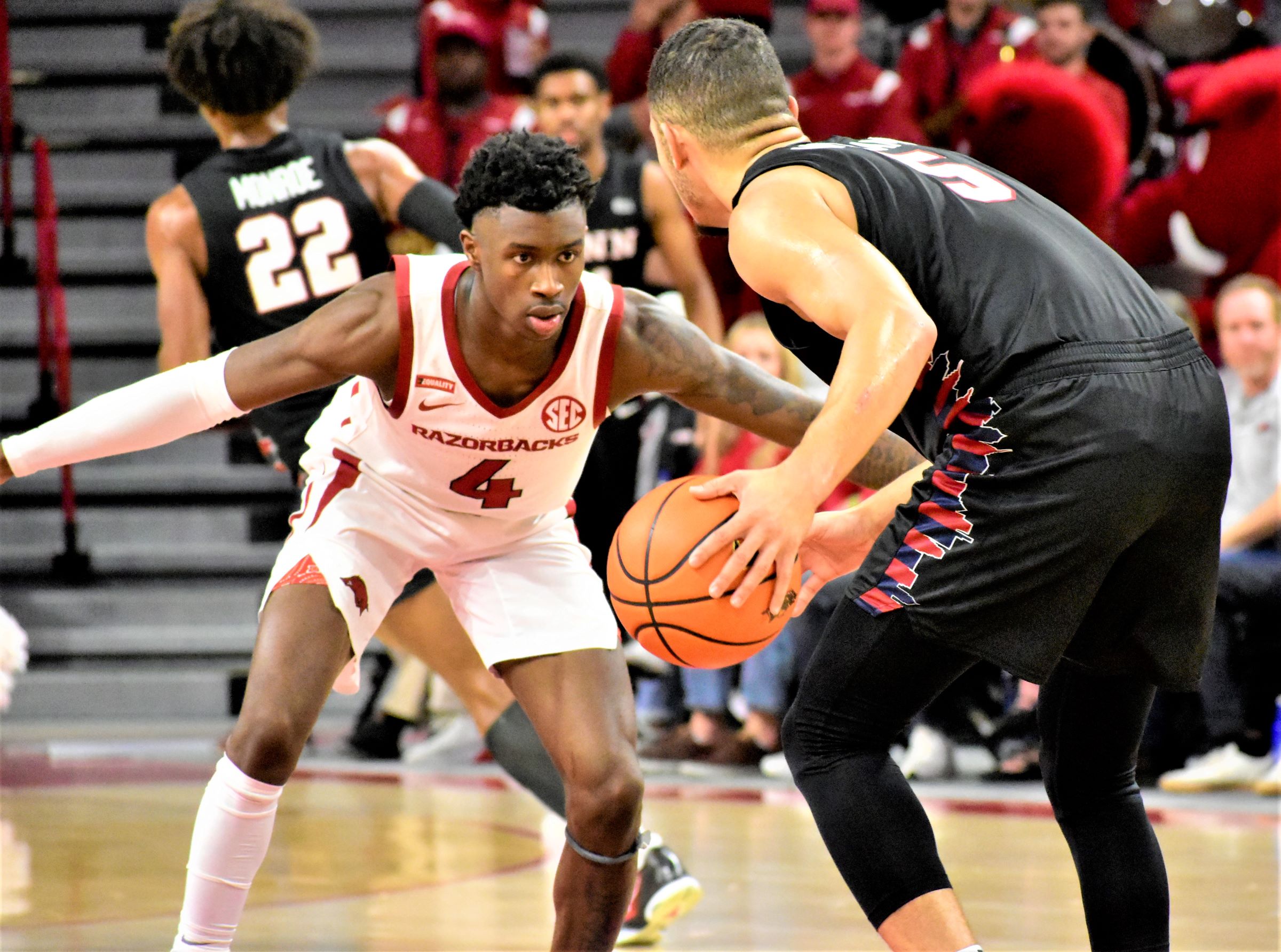
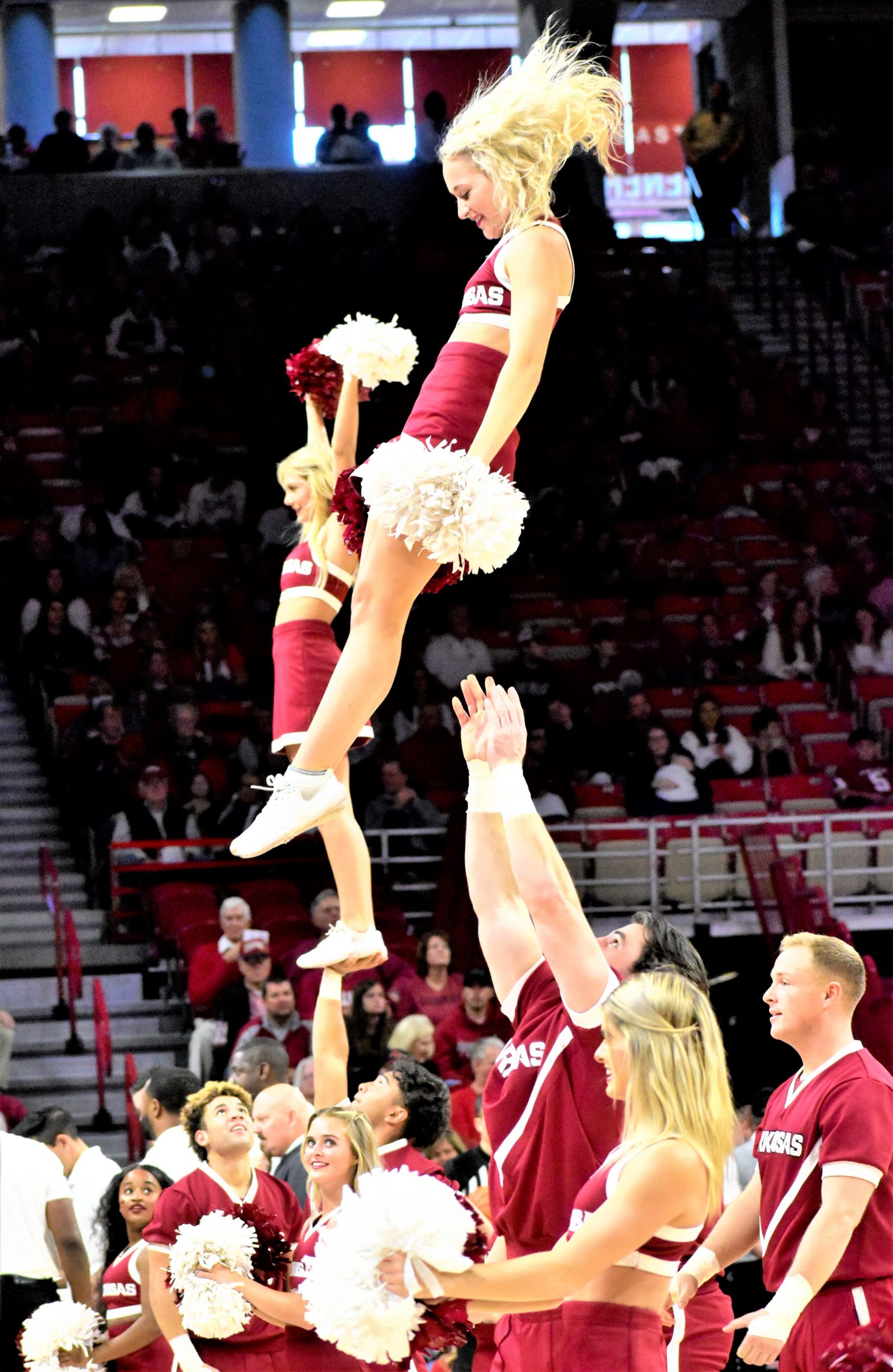
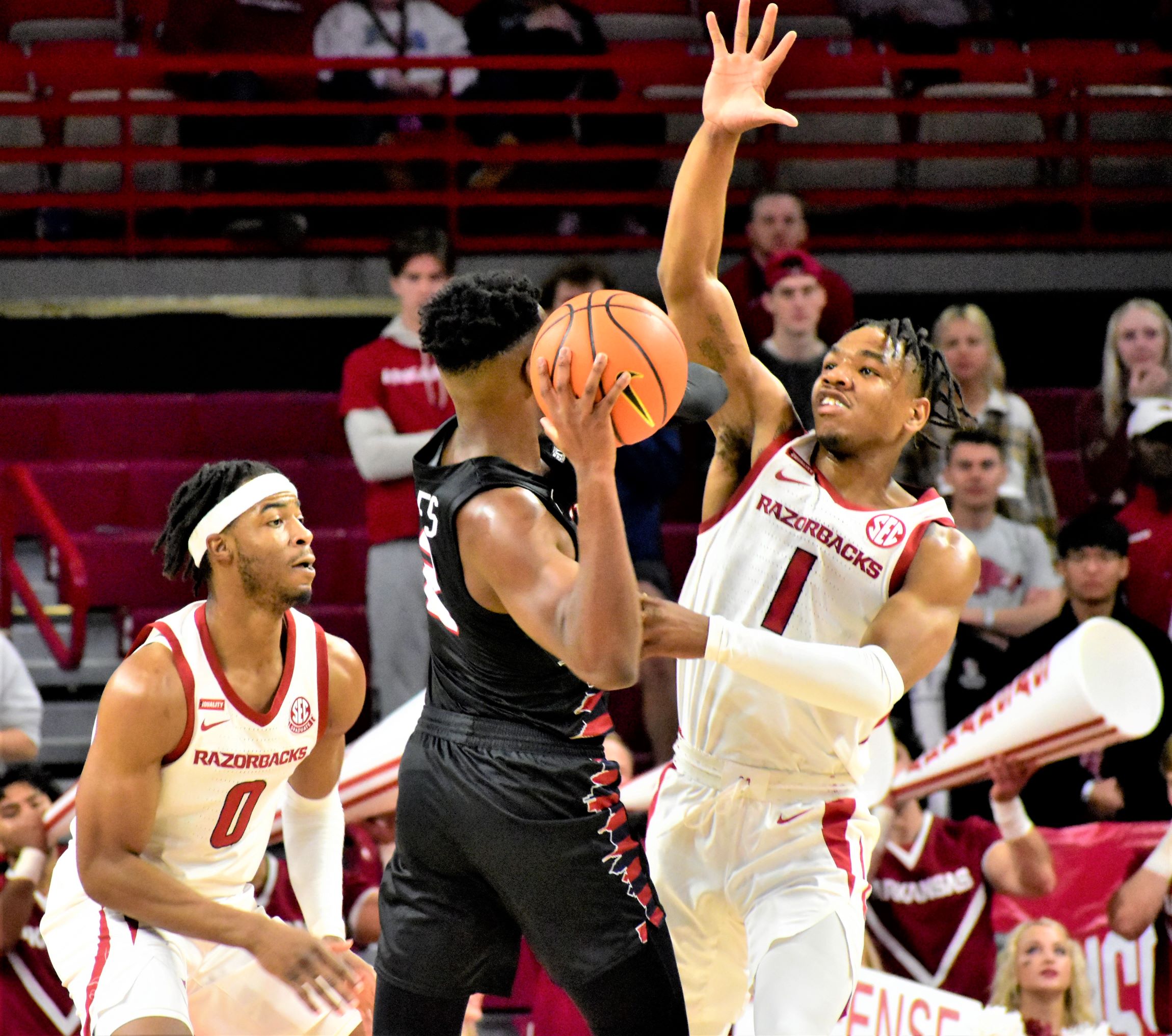
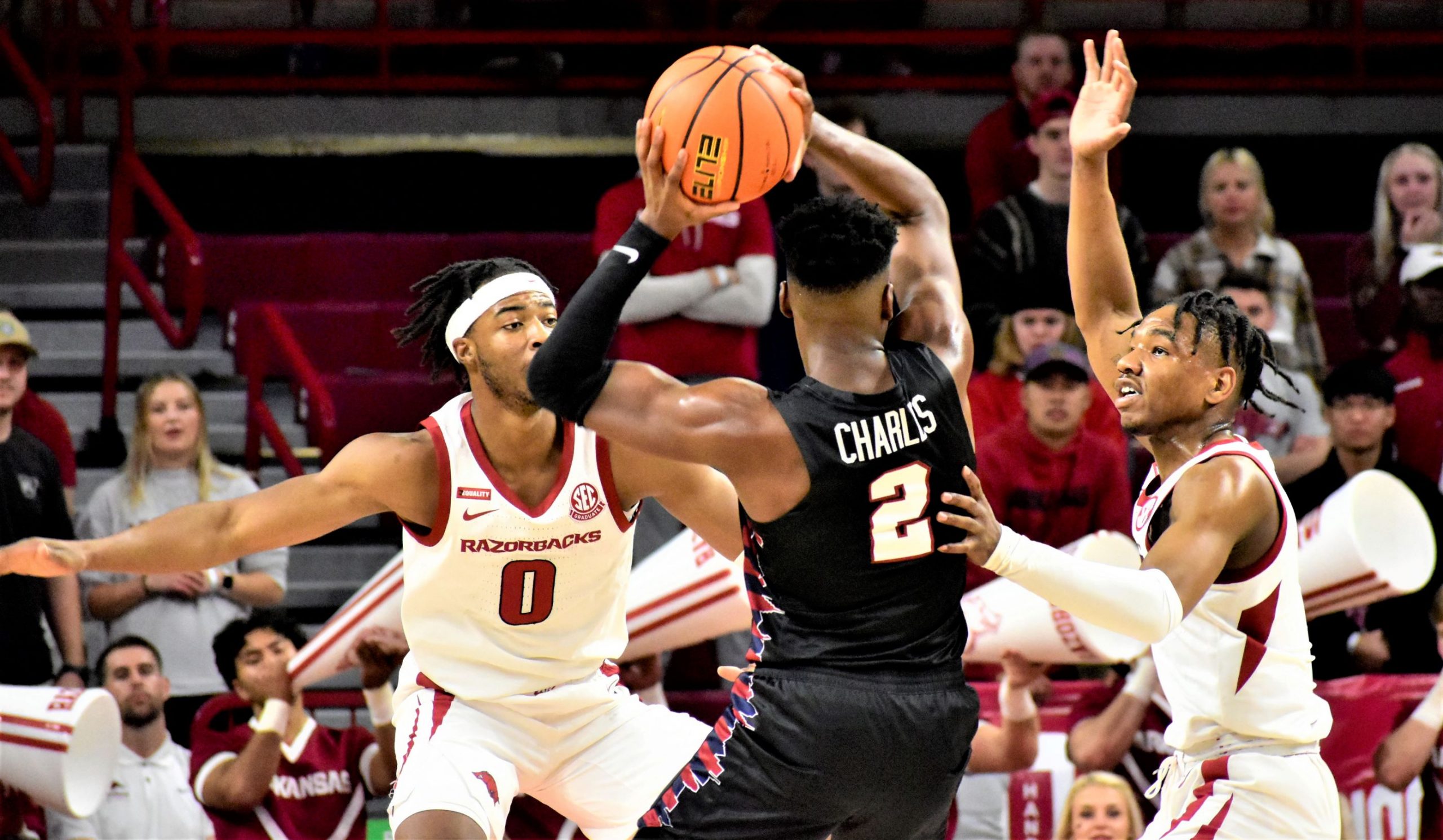
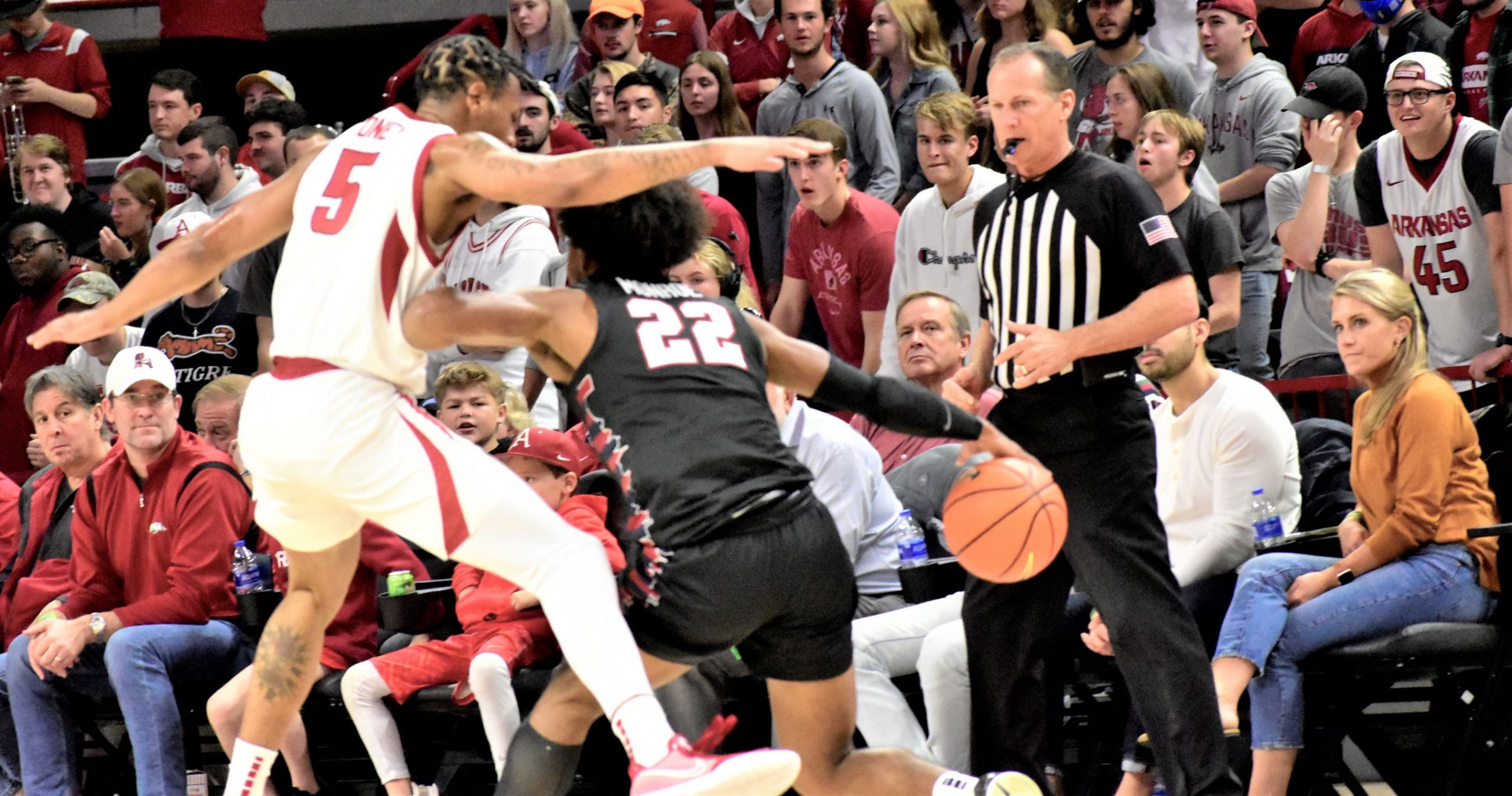
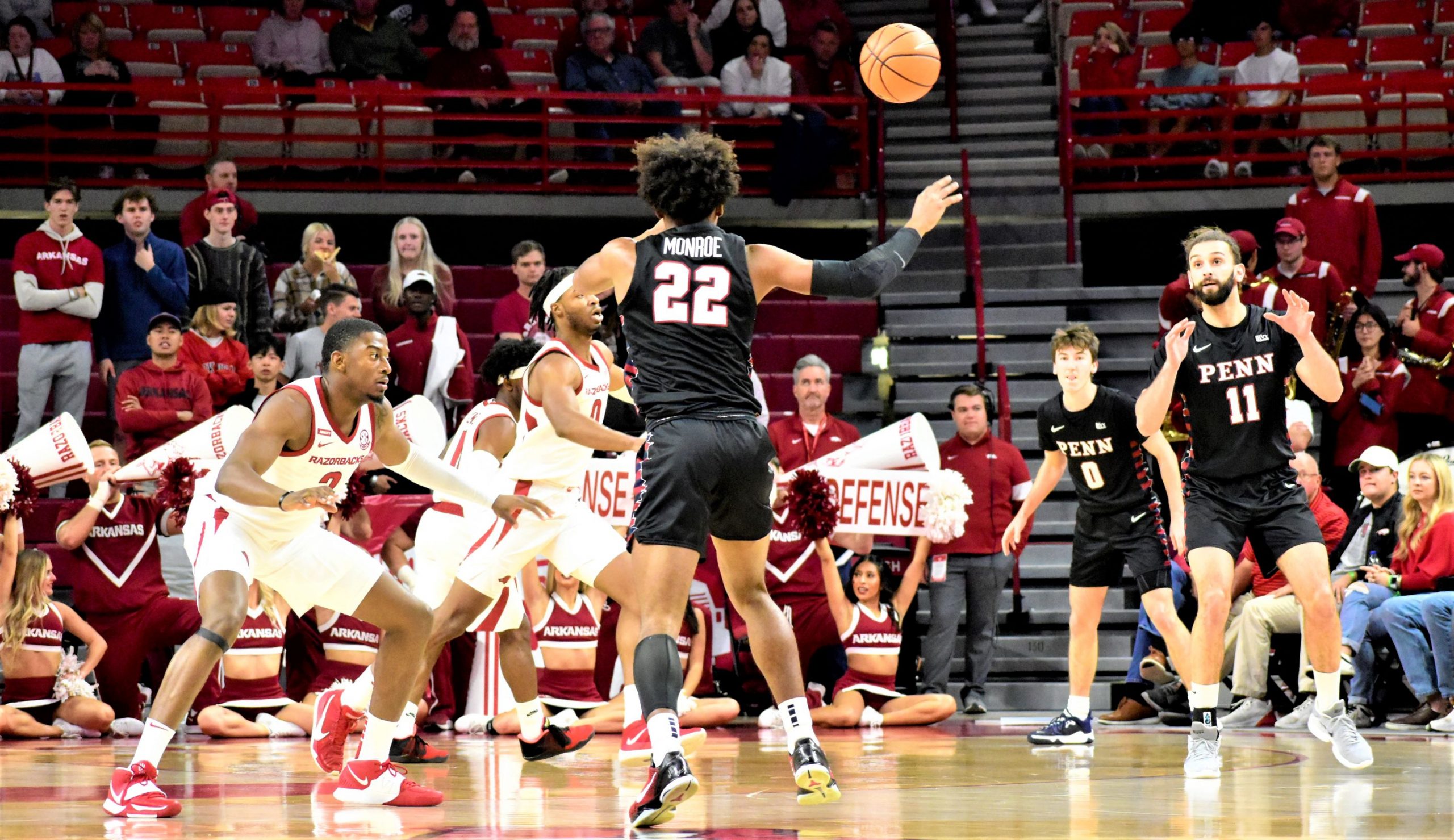
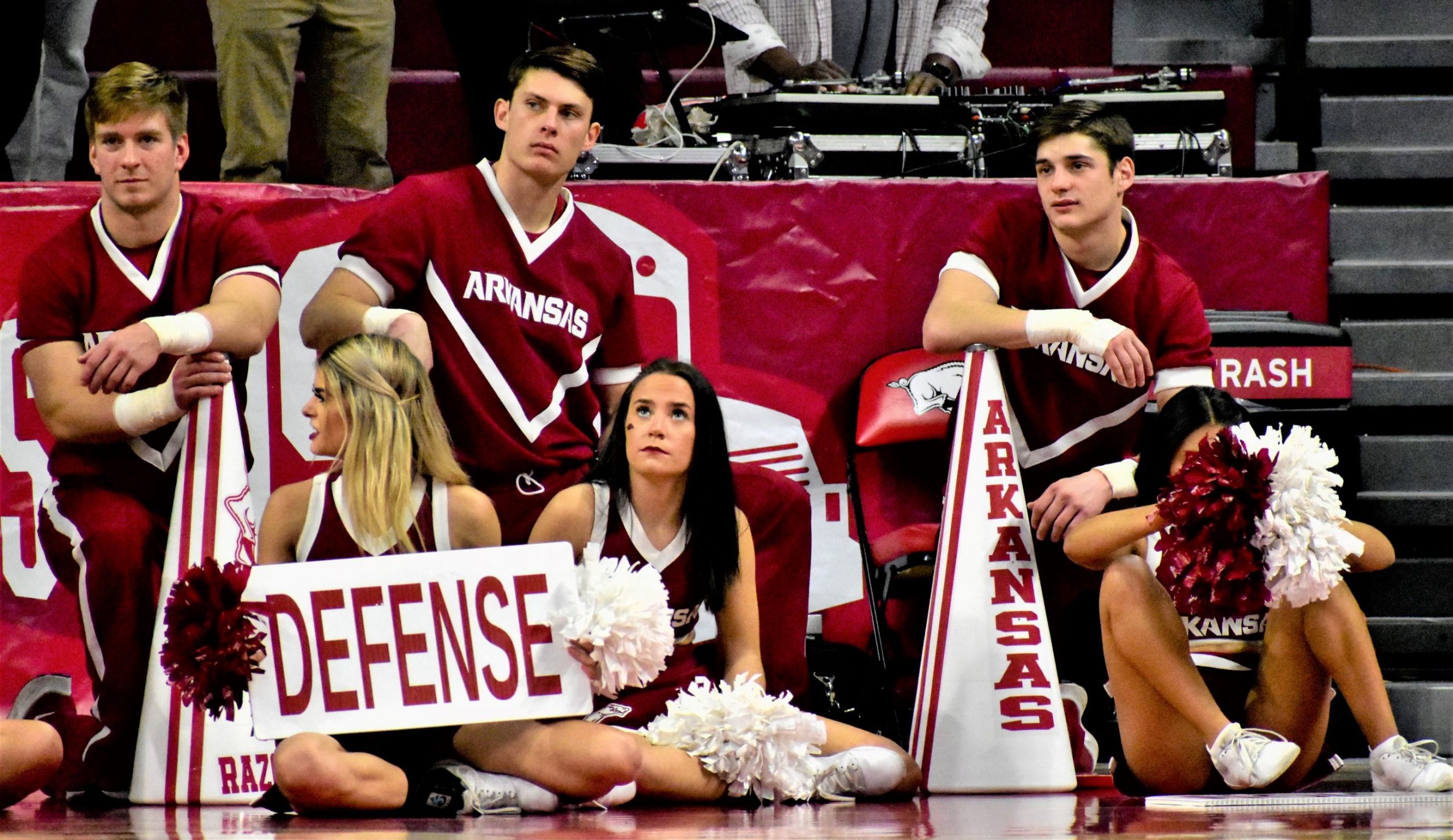
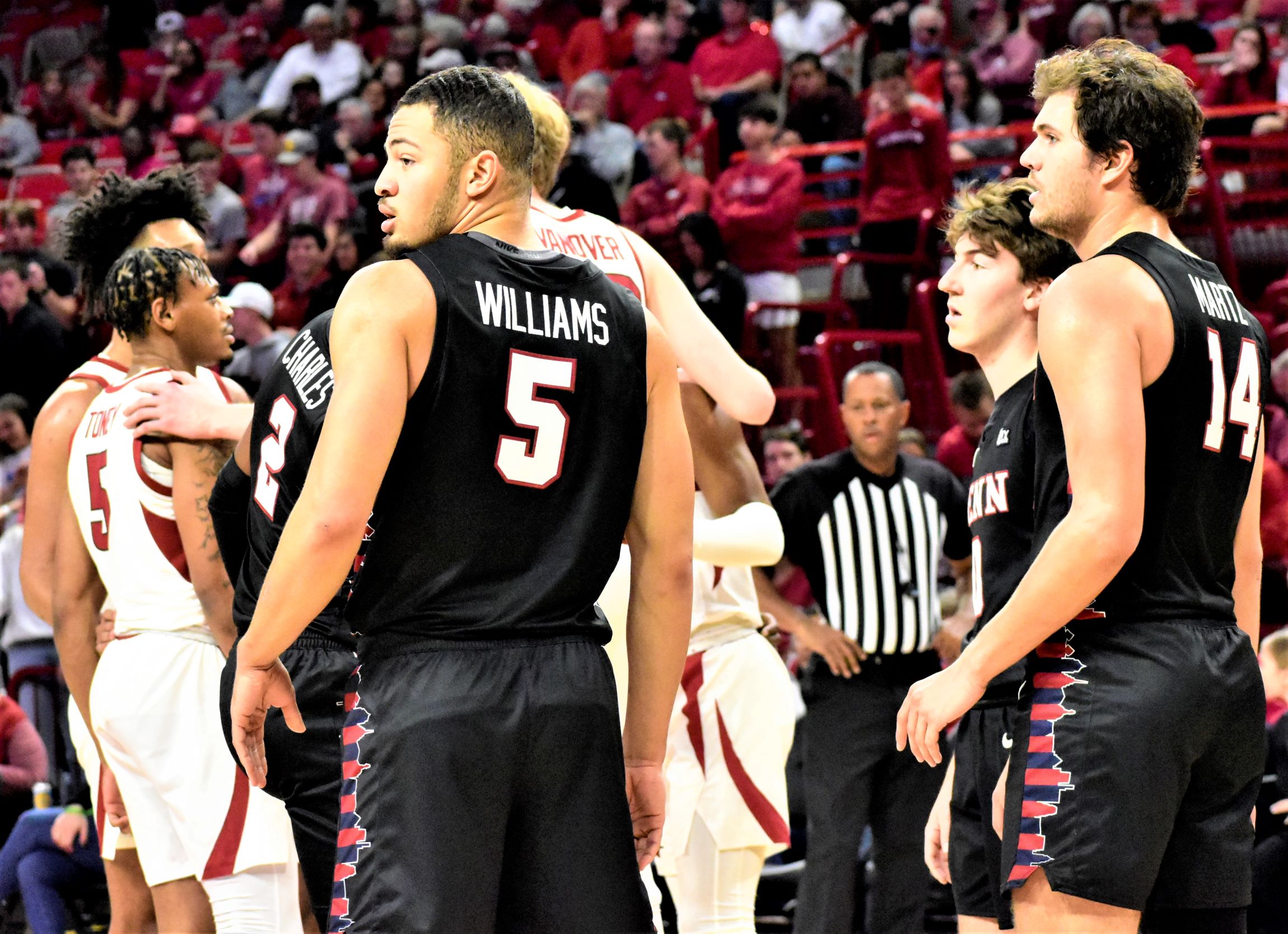
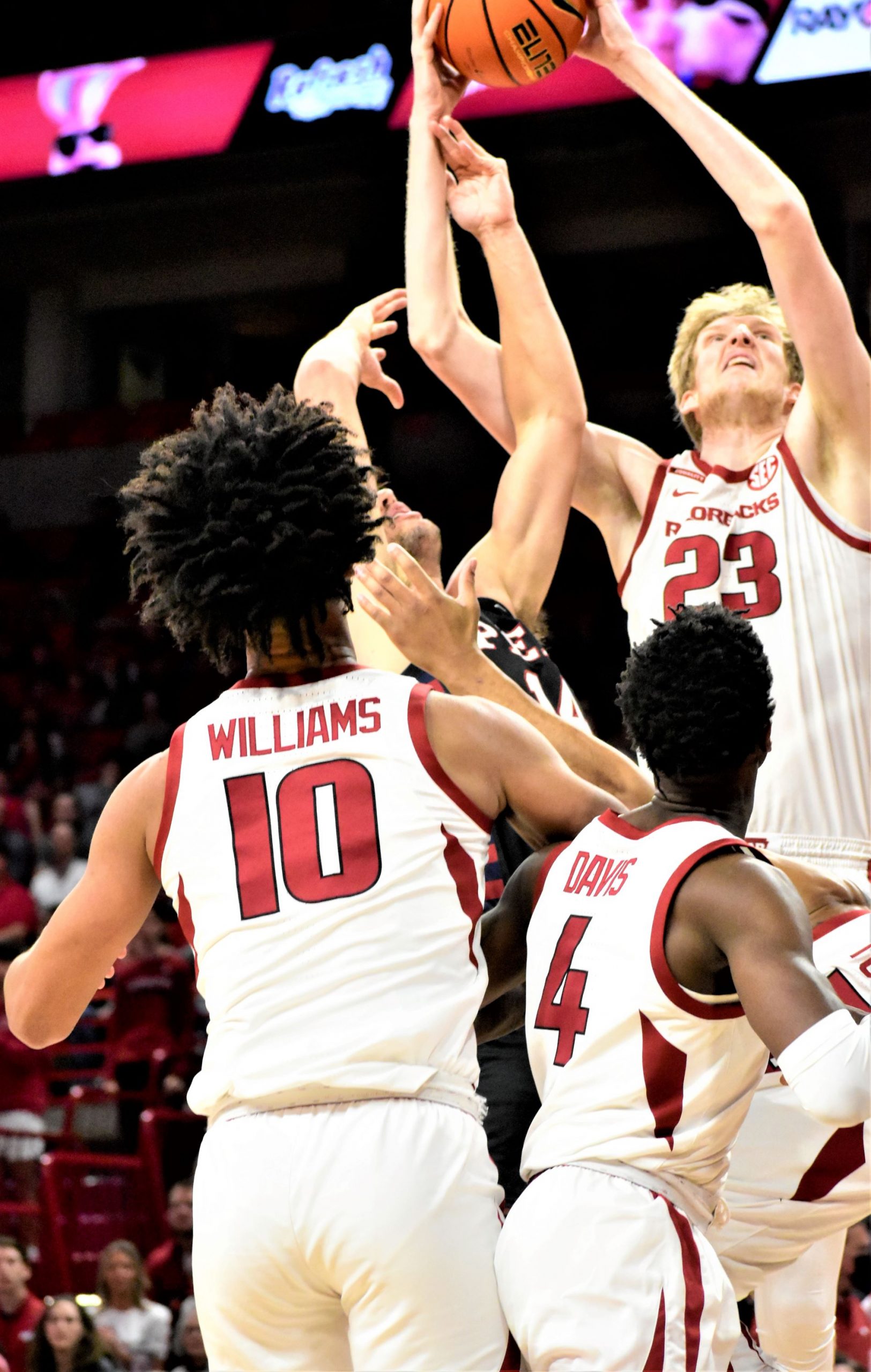
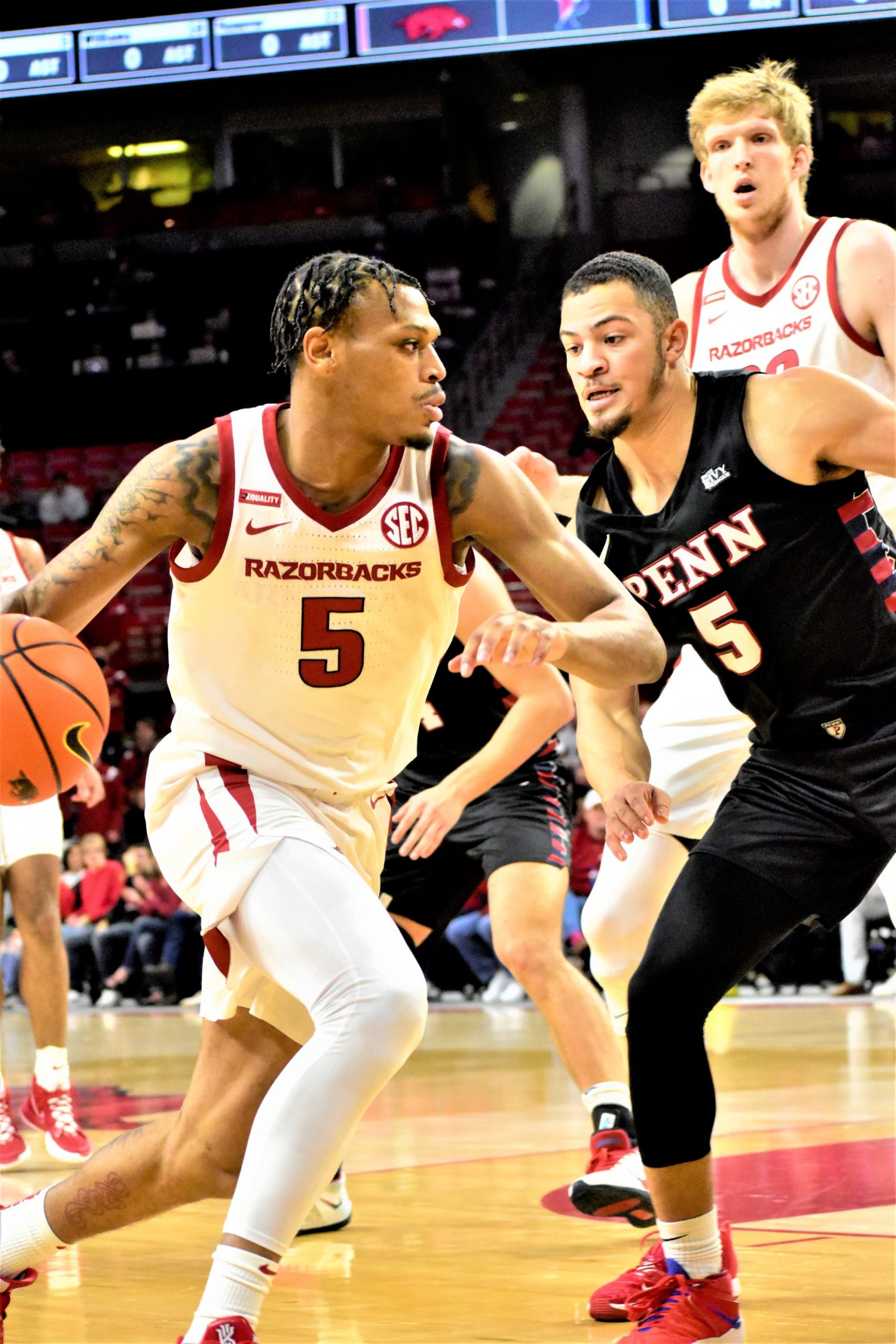
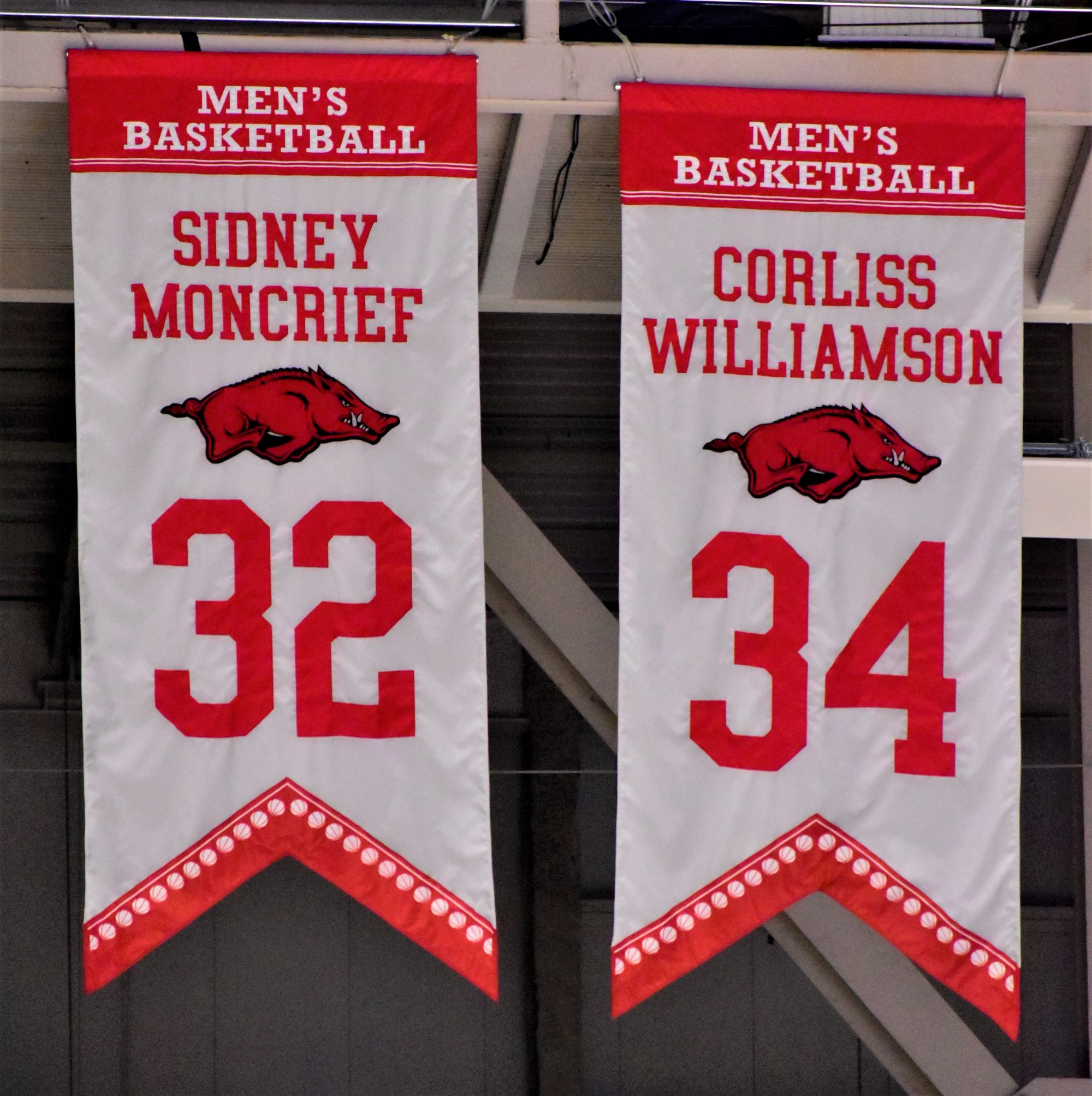
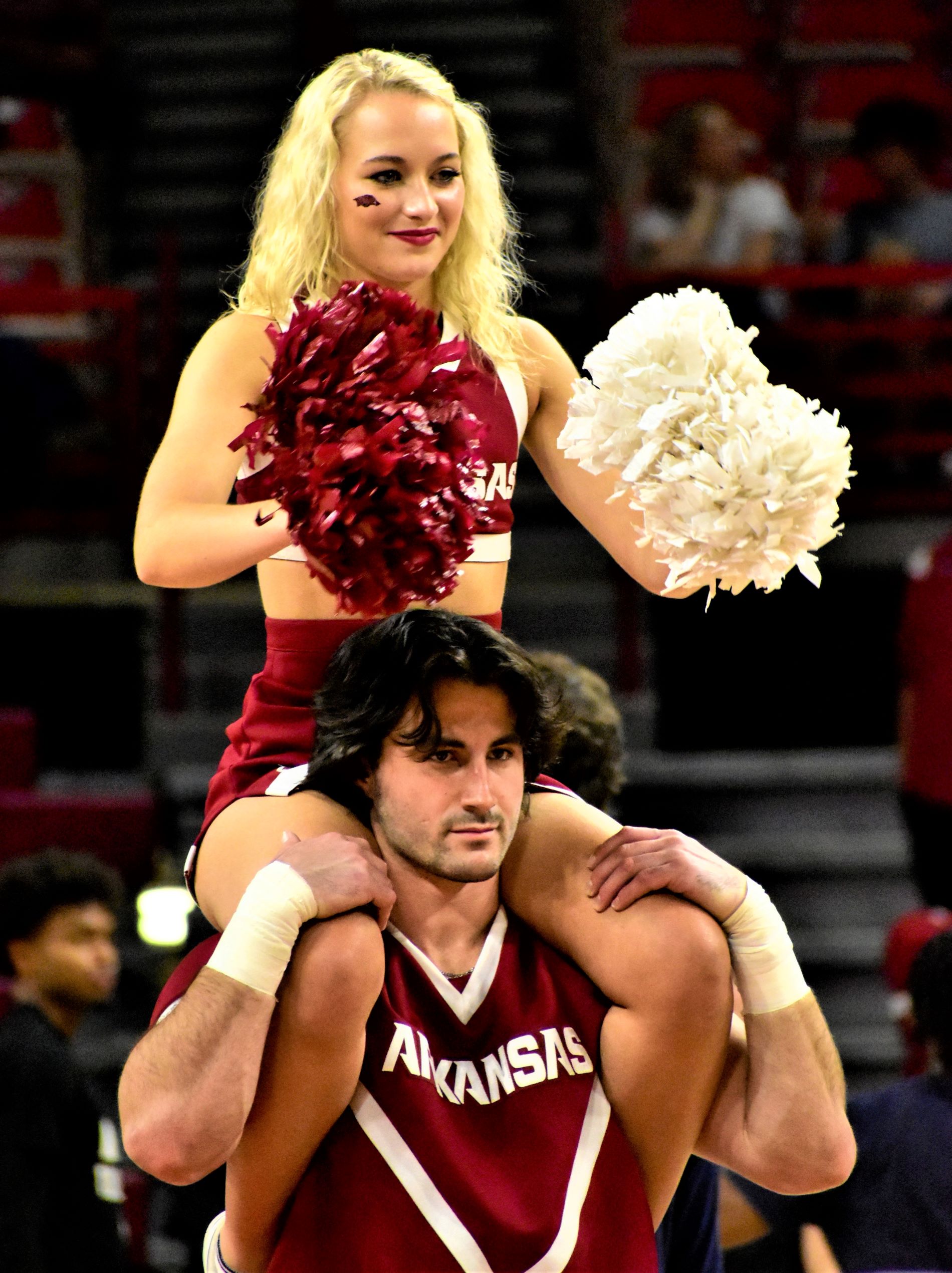
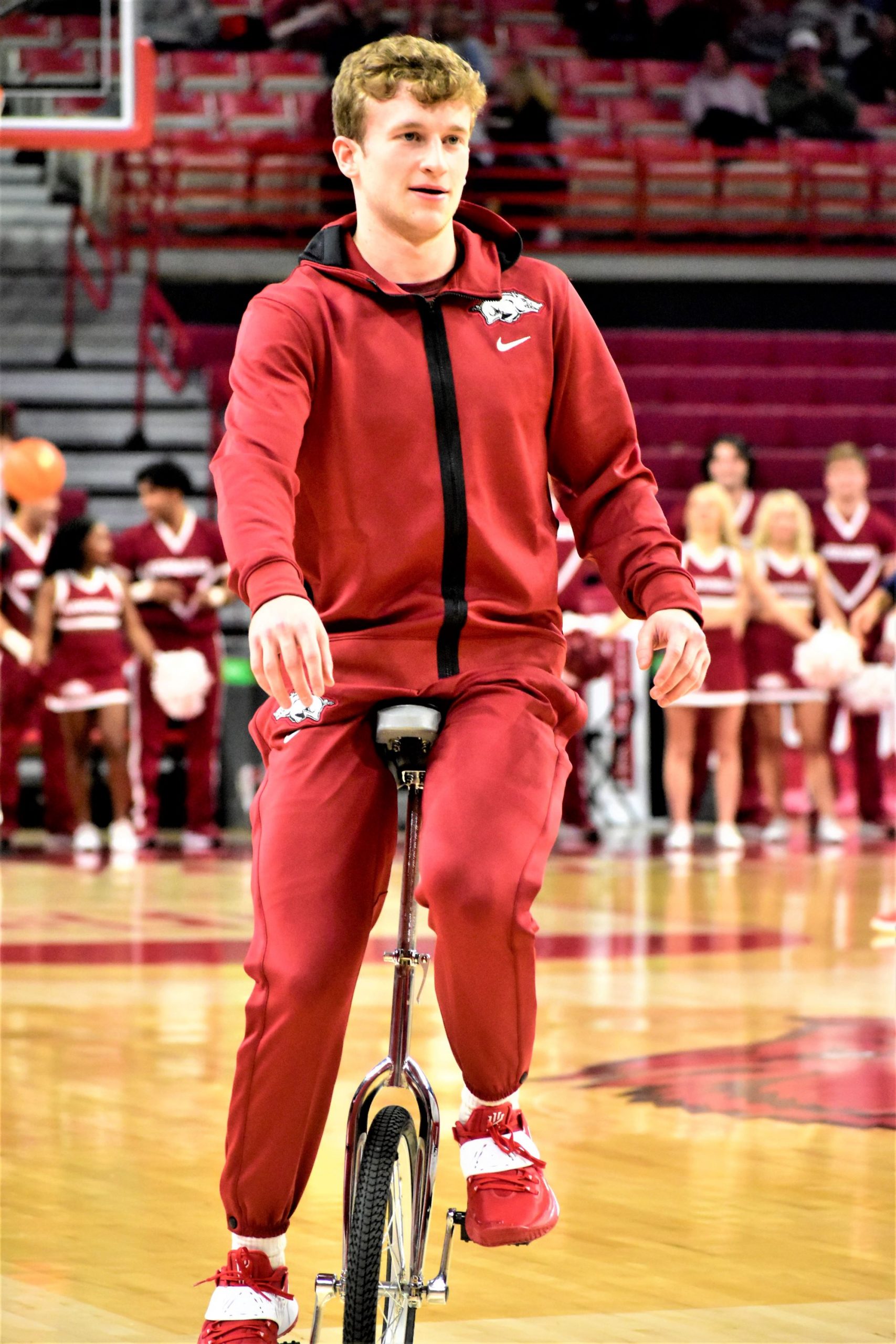
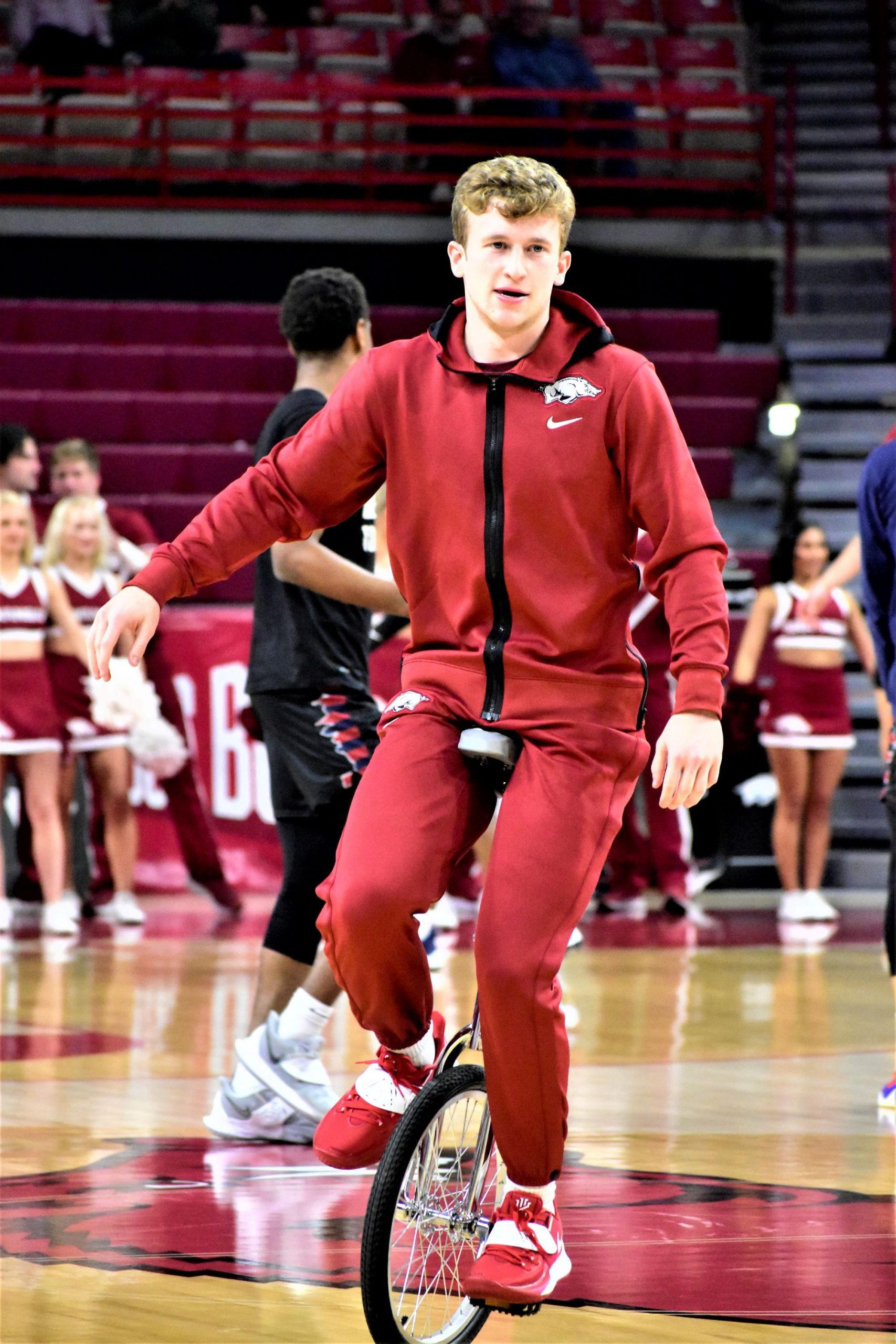
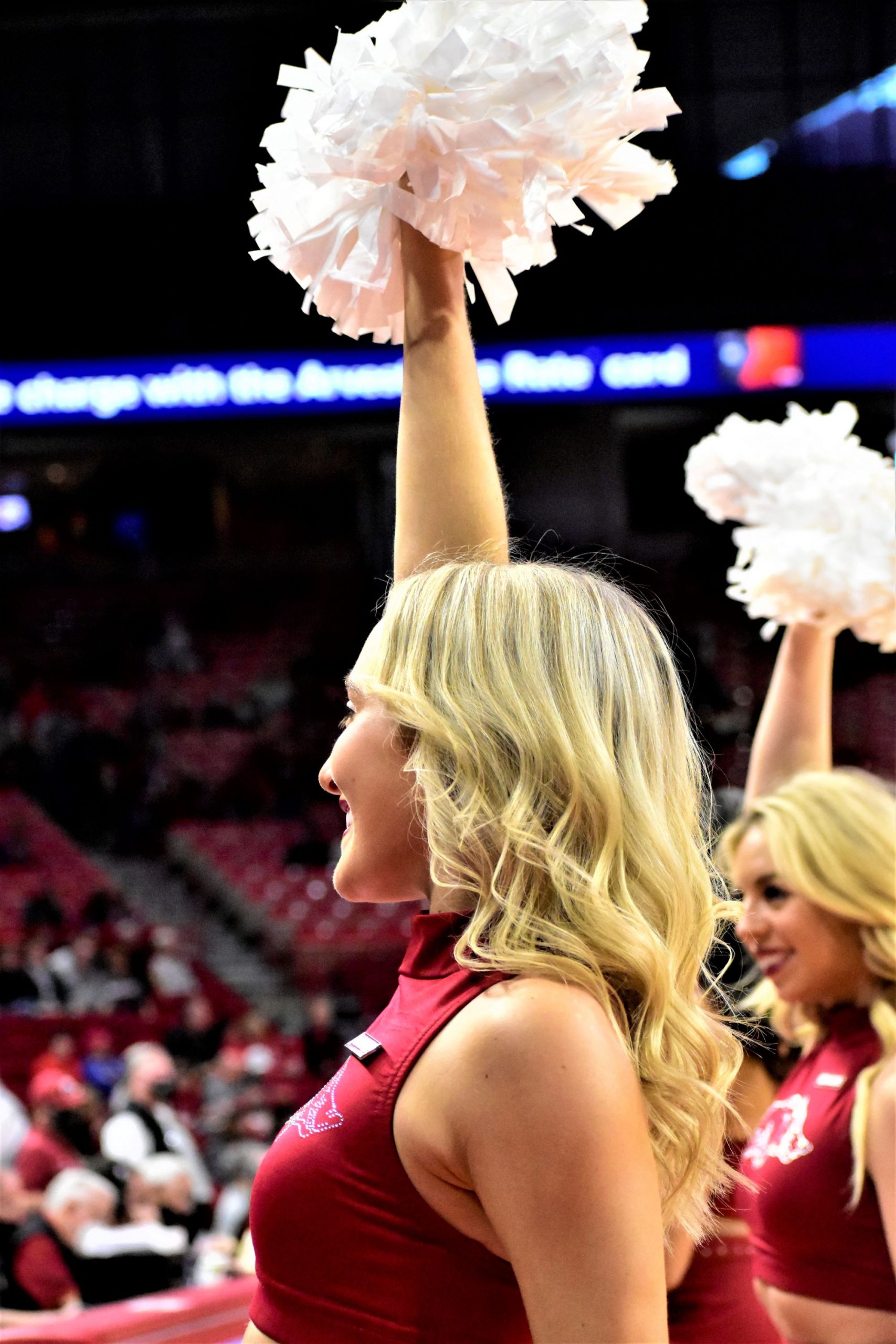
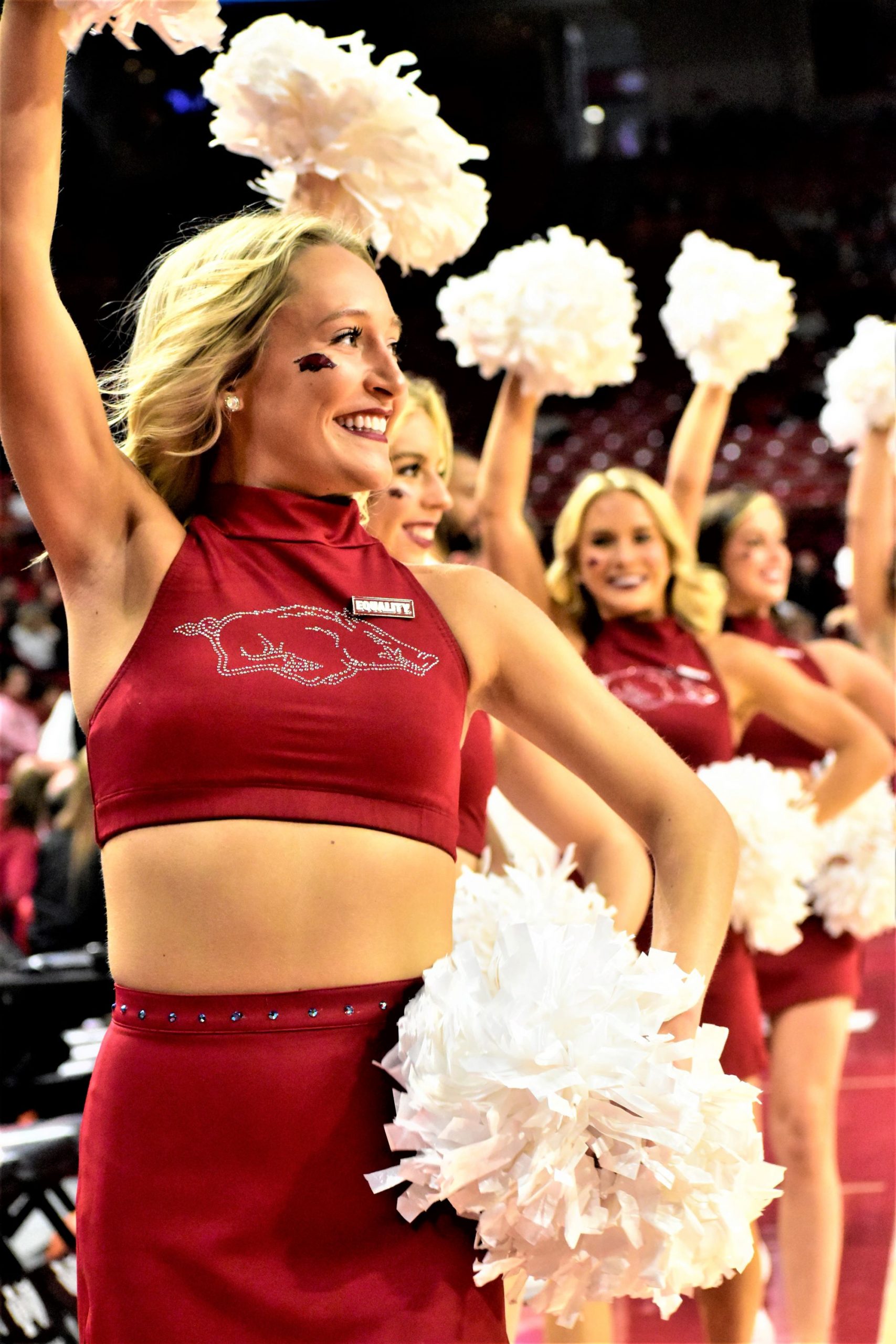
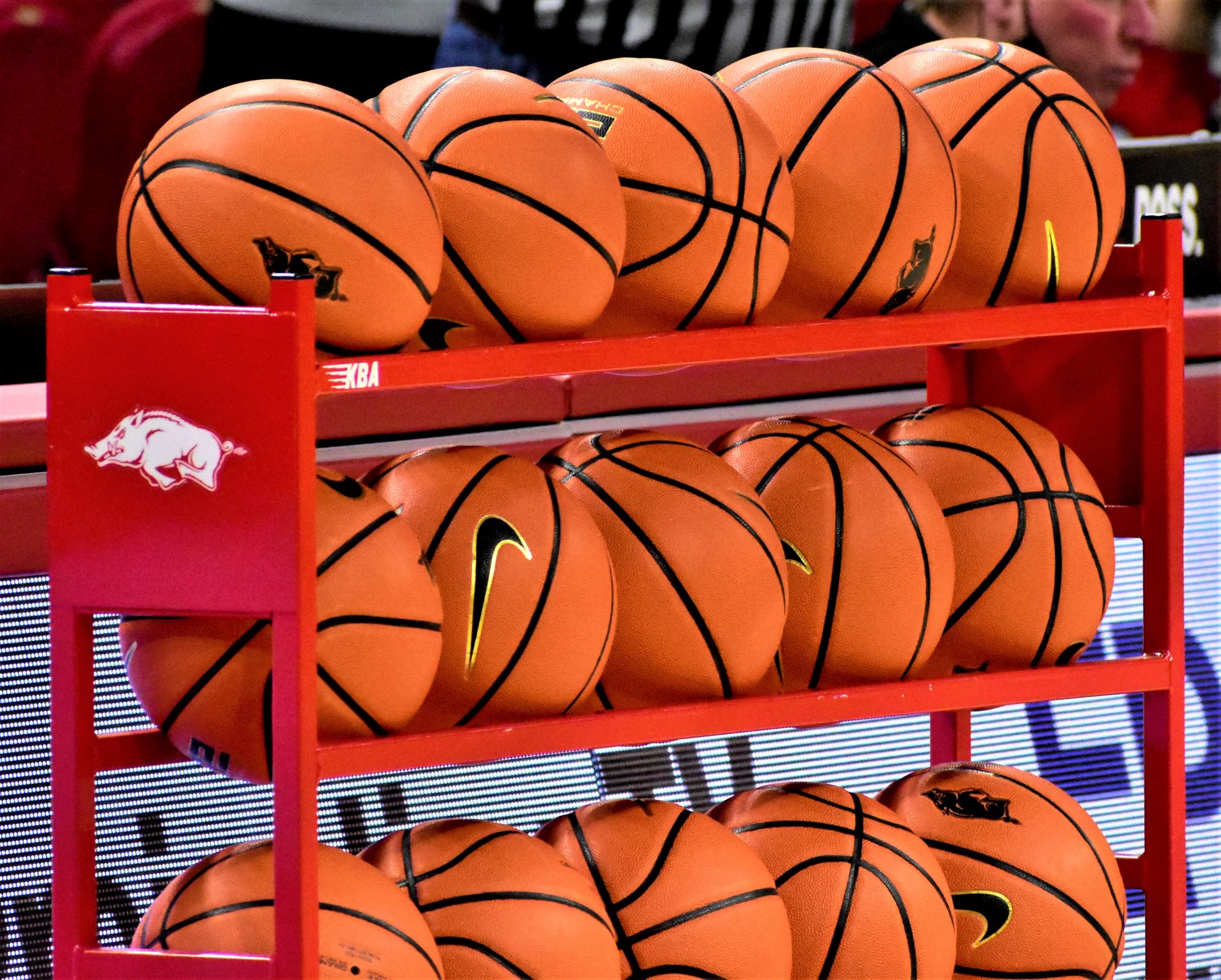
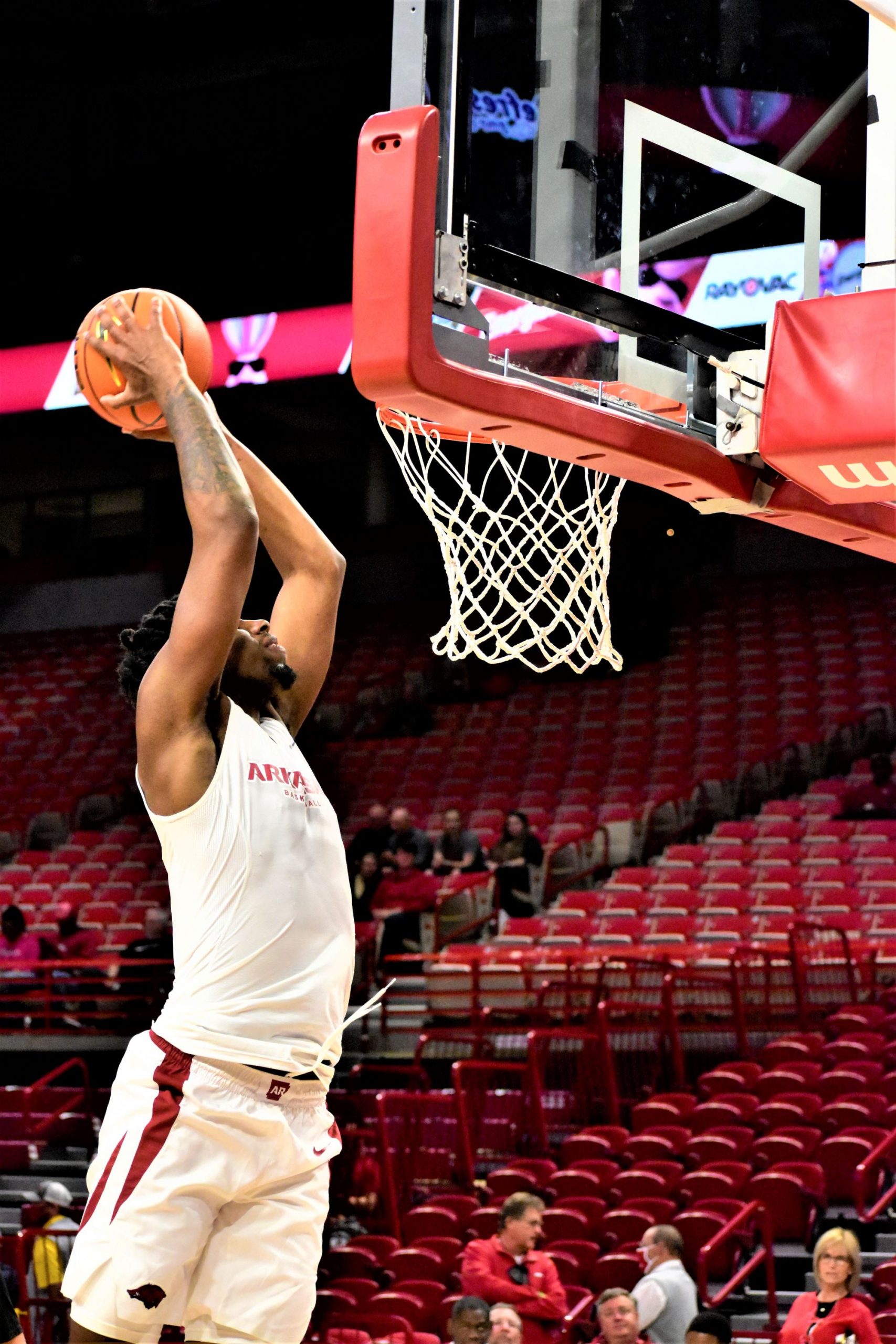
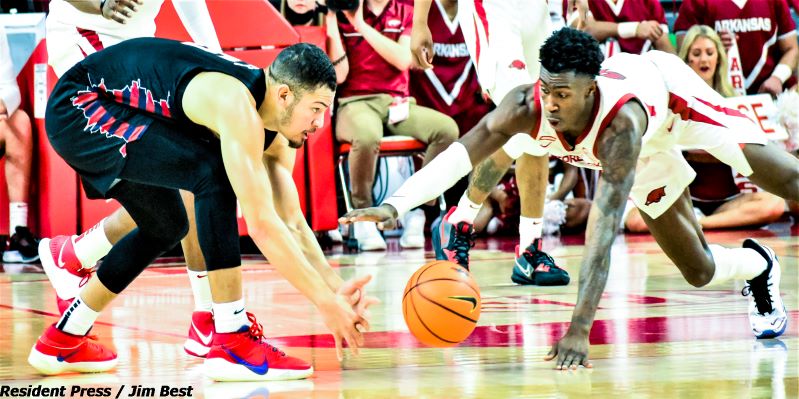
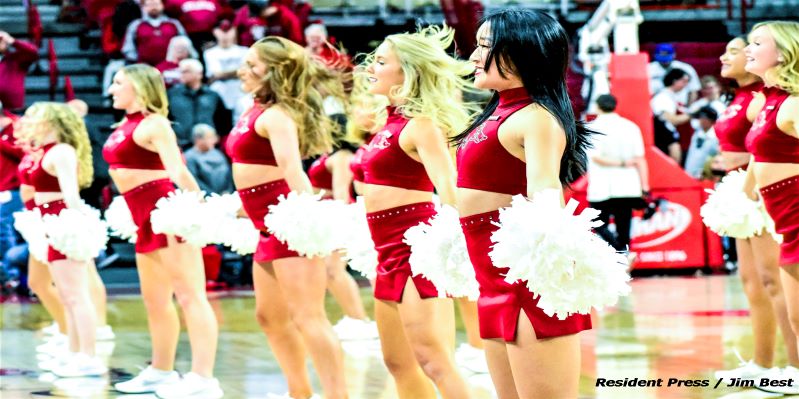
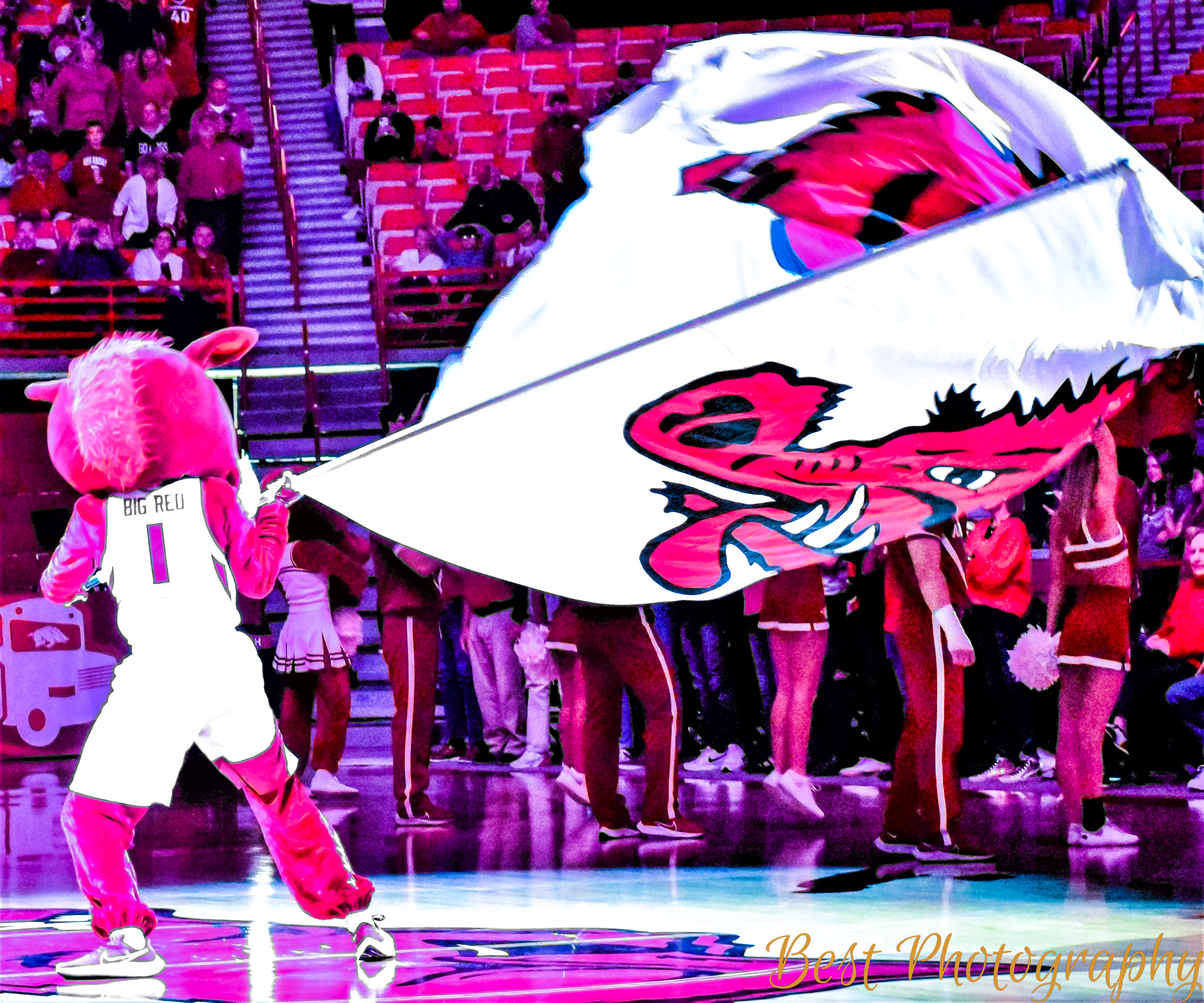
On Sunday, the Arkansas Razorbacks, ranked tenth nationally, defeated the Penn Quakers from the Ivy League, 76-60. Resident Press was on the floor for the game to bring you action photos from the game! The photo essay below is the first of monthly Resident Press Sports exclusive feature that will highlight a different Razorback sport in a photo essay that is a bonus for our readers!
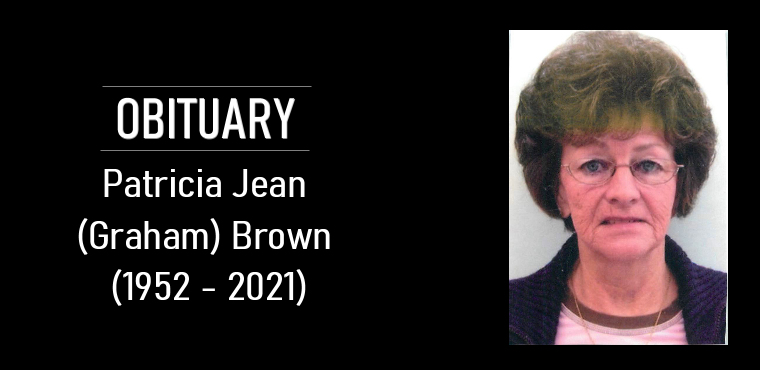
Patricia Jean Brown,69, of Waldron, Arkansas, went to be with her Lord and Savior, November 26, 2021 in Waldron, Arkansas. Patricia was born February 15, 1952 in Mena, Arkansas to Thelma Imogene Wolfenbarger and Odean Graham.
Patricia loved to sing and could be found at the dance or senior center on the weekends singing Loretta Lynn songs. She quilted and made numerous quilts and crocheted many Afghans.
Patricia leaves behind to cherish her memory her girls: Sonia Vines (Scott) of Lavaca Arkansas, Teresa Hardin (Shannon Hudgens) and Crystal Brown of Waldron, Arkansas, and step son Keith Brown of Waldron, Arkansas. She will always be remembered by her grandchildren: Elise Godfrey, Jennifer Pantlick, Faith Martin, Tucker Hardin, Caleb Martin, and TaLynn Hardin. Patricia is also survived by her mother Imogene Frazier, sister Lisa Graham both of Waldron, Arkansas and Rhonda Hopper (Ken) of Sallisaw Oklahoma as well as special friends Sheila Webster Lucy Tomlin and Nubbin Kastle.
Patricia’s life celebration will be 2:00 p.m., Tuesday, November 30, 2021 at the Heritage Memorial Funeral Home Chapel in Waldron, Arkansas with Rev. Pat Ray Biggs officiating.
Patricia was preceded in death by her father Odean Graham, and grandparents: Thelma Wolfenbarger, Otis Wolfenbarger, Coin Graham
Patricia’s pallbearers will be Keith Brown, Tucker Hardin, Caleb Martin, Scott Vines and Shannon Hudgens.
You may leave words of comfort and remembrance for Patricia’s family by visiting: www.heritagememorialfh.com.
To send flowers to the family or plant a tree in memory of Patricia Jean (Graham) Brown, please visit our floral store.
We are on the eve of an exciting time, elections. Wait, what? You’re not looking forward to the onslaught of tv commercials and mailings from candidates scowering for your vote? Well, I get it. But as the filing periods open for candidates I want you to know that this IS an exciting time.
As Americans, we still have the freedom to cast our ballots and choose the candidate who aligns with our personal ideals and beliefs. For some, their duty, as they see it, ends there. But, there’s more, so much more to holding our government accountable.
Now, I am not going to pretend I know all the answers, I can barely scratch the surface in this humble editorial. However, I see it each and every day. Disgruntled citizens who take to social media to vent their frustrations. I am grateful we have that right, too. But at what point do we seek change?
Change won’t come easily, and at a sacrifice, most aren’t willing to make. Involvement beyond the ballot box…there are so many opportunities locally and beyond. In the last election, there were so few poll workers it was a struggle for those who showed up.
What about running for a local office or school board? I spoke with the county clerk once and she told me there was such little interest in the school board race she had to ask the candidates to come down to vote for themselves. Folks, that’s sad.
With the upcoming election on the horizon, I am seeing a few candidates come out who are just everyday, common folks. They feel a call to step up and do what they feel needs to be done. I love that! I would love to see others do the same.
We will be co-hosting a political event with Scott County’s newly formed Tea Party in December. This is your chance to go beyond the ballot box. Show up, ask the questions, get first-hand information to help make you a better-informed voter!
As the temperatures begin to drop in Arkansas, we look to the Arkansas Department of Transportation’s iDrive Arkansas app for weather related road conditions.
But, did you know that iDrive also allows drivers to report areas of state highway that need attention?
“We appreciate motorists who take the time to let us know when they come across something that requires our immediate attention,” the website states. “From potholes to damaged signs and sight distance problems to debris on the road, use the form… to make a report.”
To learn more about the iDrive Arkansas app and submit a maintenance request click –HERE-.
By John Lovett U of A System Division of Agriculture
While food safety is important year-round, the holidays bring the topic to the forefront as families gather to feast on a smorgasbord of hot and cold foods that can attract tiny, unwanted guests called pathogens.
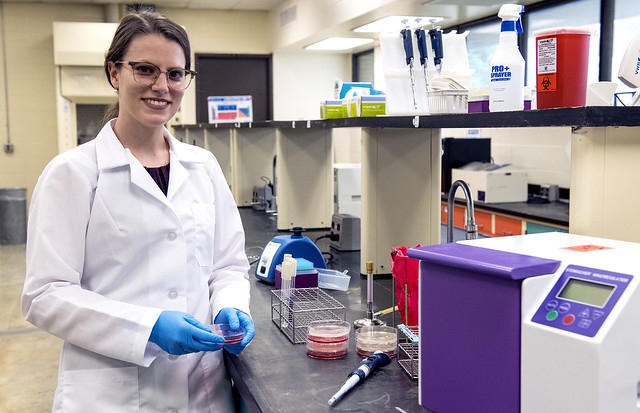
Jennifer Acuff, assistant professor of food microbiology and safety in the Department of Food Science at the University of Arkansas System Division of Agriculture, says all foods are subject to risk, but following food safety practices can help prevent sickness.
“We all eat food, and they’re all subject to some kind of contamination or risk every now and then,” she said. “My research gets to kind of pick apart those risks and try to figure out how we can protect consumers.”
Acuff conducts research for the Arkansas Agricultural Experiment Station, the research arm of the Division of Agriculture. Her current research focus is related to food safety in low moisture foods, like powders, nuts, dried fruits and spices.
Temperature is key
Several factors contribute to a pathogen’s ability to grow to dangerous levels, but temperature is the easiest to control at home, Acuff said.
“Certain factors like temperature, the atmosphere, nutrients, and water … those all play a part in how bacteria grow. And one of the most important ones that consumers can control very well is temperature,” Acuff said.
According to the Centers for Disease Control and Prevention, the top five germs that cause illnesses from food eaten in the United States are Norovirus, Salmonella, Clostridium perfringens, Campylobacter and Staphylococcus aureus, also known as staph.
Each pathogen has a different level of an “infectious dose,” or the number of bacterial cells required to get someone sick, Acuff added. So, someone can’t look at a food and know if the bacteria have reached an unsafe level, she said. That’s why she and other food safety experts generally recommend people not leave food sitting out at room temperature for more than about two hours.
“We have a lot of good data that shows above two hours is really pushing the limit on allowing dangerous bacteria to grow to dangerous levels,” Acuff said. “If you can just put up your leftovers you can stick to the normal family fights of politics and religion,” Acuff said. “The last thing you want to do is add on fighting over a toilet to that, or a trash can.”
If prepared foods like turkey and dressing, honey ham and deviled eggs are left at room temperature too long, they enter what is called the “danger zone” and give bad bacteria the perfect breeding ground to grow to harmful levels. That “danger zone” is between 40 and 140 degrees, Acuff said.
“A lot of the foodborne pathogens that we get sick from really enjoy our body temperature,” she said. “So, at room temperature, about 70 to 80 degrees, they grow very well.”
Besides leftovers, thawing frozen meats inside the refrigerator is also a best practice, she added, to allow for even thawing and limit bacterial growth.
The makings of a shelf stable food
When foods have characteristics that prevent bacterial growth at room temperature, they are considered shelf stable, Acuff said.
With baked goods, low “water activity” levels often contribute to products being shelf stable. Water activity refers to water that is “free” in the food and not bound by something else like sugar. While high-sugar foods like jam and fruit pies have a high moisture content, their water activity is low. Water molecules in those foods are bound to sugar, which means bacteria present can’t access the water to grow, she explained.
A pecan pie, for example, may seem like a pie with a lot of moisture and ripe for bacterial growth. But harmful bacteria will find it harder to access that water because it is bound to sugar on the molecular level, she explained. Pumpkin pie, on the other hand, does not have as much sugar binding up the water, so bacteria will find it a more conducive environment, she said.
“If it has whipped cream on it, I’d definitely get it into the fridge,” Acuff said.
Hand hygiene and cross-contamination
Other than temperature control, Acuff said to pay close attention to hand hygiene and avoid cross-contamination between produce, ready-to-eat foods, and raw meats.
“A lot of foodborne illness gets transmitted person to person, and food plays a part in that, but using proper hand hygiene can go a long way in protecting your family,” Acuff said.
Any kind of food that has been handled — for example, a turkey that has been cut up to eat — needs special attention, she said.
“You might have washed your hands, but your hands are not sterile, so they are not completely without bacteria,” Acuff said. “After about two hours or so, some of the bacteria that came from your hands might have grown to an amount that could really get someone sick.”
In the food preparation stage, Acuff said she keeps in mind the “order of operations” by cutting up produce and then raw meats for cooking to avoid potential cross-contamination. Or she may also just use a different cutting board and a different set of knives and tongs on the items.
“If you bring home raw chicken and you mishandle it with not washing your hands well enough or rubbing your hands on a towel without washing them and then essentially cross-contaminating something else … you could get yourself sick just from a salad because you handled chicken 30 minutes earlier and didn’t maybe do the best things in your own kitchen,” Acuff said.
To learn more about Division of Agriculture research, visit the Arkansas Agricultural Experiment Station website: https://aaes.uada.edu/. Follow us on Twitter at @ArkAgResearch and Instagram at @ArkAgResearch.
About the Division of Agriculture
The University of Arkansas System Division of Agriculture’s mission is to strengthen agriculture, communities, and families by connecting trusted research to the adoption of best practices. Through the Agricultural Experiment Station and the Cooperative Extension Service, the Division of Agriculture conducts research and extension work within the nation’s historic land grant education system.
The Division of Agriculture is one of 20 entities within the University of Arkansas System. It has offices in all 75 counties in Arkansas and faculty on five system campuses.
The University of Arkansas System Division of Agriculture offers all its Extension and Research programs and services without regard to race, color, sex, gender identity, sexual orientation, national origin, religion, age, disability, marital or veteran status, genetic information, or any other legally protected status, and is an Affirmative Action/Equal Opportunity Employer.
Resident News Owner/Publisher Jason Baggett announced on Friday, November 26, that Caden Fuller of Waldron would be joining the RNN team of sports contributors.
“Caden has a true passion for sports,” stated Baggett. “It is a real privilege to have him on our team!”
Fuller, a Waldron native, is a 2021 Waldron High School graduate. He is currently attending the University of Arkansas in Fort Smith.
“I love sports and I’ve played them my whole life,” Fuller stated. “I was in football, basketball, baseball, and track, and played summer baseball two years for the Fort Smith sportsman team. When I’m not going to school or fishing, I’m usually doing something sports related, either watching or playing. I am excited to be part of the RP team!”
This is part one of a two part series on the Army / Navy football classic as told by West Point graduate Jeff O’Neal of Paris. This year’s game will be played on December 11. The second part of this series will publish on Saturday, December 18.
It’s Thanksgiving Day, and while most of us are spending the day with family, eating, and watching our favorite Thanksgiving Day football game, there are members of the U.S. military who are stationed both at home and overseas watching over us and protecting us all. So, for starters, I want to thank all of the members of the military, both past and present, who protect us all so that we can enjoy days such as today. Our debt to you is enormous, and we can never fully repay what each of you has done for all of us.
But there is no doubt that football is a part of the Thanksgiving Day tradition for many, and today will be no different. And perhaps the most meaningful game of them all is not actually played on Thanksgiving Day, but played in early December: the annual Army / Navy football game. Historically, the game was played the first weekend in December. But when Power Five conferences began playing conference championship games on that weekend, the game was pushed back a week for a national television audience. So on that weekend in December, the only college football game played that day and that can be watched on television is the Army / Navy Classic.
The traditional battle between the two most prestigious military academies is packed with tradition and meaning. There are traditions and customs that are highlighted by the television networks during their broadcasts each year, and there are those that only former cadets and midshipmen close to the programs know and remember. But to me, your writer, the most significant impact this game has on me is knowing that each player on the field, and each cadet and midshipman in the stadium, will serve our nation, including service in all parts of the world, and in some cases, in all conflicts and theaters of war. On game day, they give it their all, and on “game day” in service or in battle, they give it their all.
As part of my coverage of Paris sports, I make many acquaintances. People who have played for the Eagles, parents, student-athletes, and community members. One such acquaintance I have made is that of retired Army colonel Jeff O’Neal of Paris. Colonel O’Neal is a West Point graduate and served a distinguished career in the United States Army as an officer at many levels of leadership and appointments throughout the world. Recently, I had the pleasure of sitting down with Jeff to interview him about his career, his experience at West Point, and the meaning of the annual Army / Navy game. I recorded over two hours of his experiences that he shared with me, and I have to tell our readers…I found every minute of his interview to be fascinating. In fact, I could listen to Colonel O’Neal for hours!
But before we get into his interview, it is noteworthy to provide a little background on the Army / Navy game itself. In fact, it is much more than a football game to many. But from a football perspective, it represents all that is pure in the game of college football. Few, if any, of the players on either side will ever have a chance to play professional football upon graduation. And if you extend this to the United States Air Force Academy that was, originally, designed and organized from the “blueprint” of West Point, with the flight restrictions on an airman’s size and weight, the chance of an Air Force graduate playing professional football are even more remote.
To the players at Army and Navy, they are focused on playing on our nation’s team, the U.S. military. And the game is a national treasure, a tradition where football fans and citizens alike stop to watch the only game that is played that day. It is always nationally televised, and it is a fan favorite. Every player gives it their all, and every player plays with heart and emotion. The players may not be as big, their team speed may be a bit slower, and they may not be playing for a national championship, but, football fans would not trade this game for anything.
The United States Naval Academy traditionally plays the University of Notre Dame, as well. Why is that noteworthy? Because during World War II, Notre Dame was having financial problems and was having difficulty sustaining operations as a university. The Naval Academy struck an agreement with Notre Dame to use part of its campus as a training facility, and the revenue paid to Notre Dame by Navy was enough to keep the university in operation. Since that time, Notre Dame vowed to always invite Navy to play every year in football. No doubt, the annual game produces revenue for both schools, and the promise to play was a way of repaying the Naval Academy for coming to its rescue financially during a very tough period in its history.
United States Naval Academy, Annapolis, MD (Image: usna.edu)
In 1963, Navy defeated Army 21-15. Navy’s All-American quarterback, Roger Staubach, led the number two-ranked Midshipmen to victory with the Army comeback falling short at the Navy two yard line. But with all of its dramatics, that was not the story of the day. The game took place on December 7, 1963, approximately two weeks after the assassination of President John F. Kennedy. Roger Staubach had just won the Heisman Trophy a few days before President Kennedy’s assassination, and the question became should the game be played as scheduled. Some say that the Kennedy family wanted the game to be played in honor of the President who had served in the Navy himself. But regardless of who influenced the decision to play, the game was played before 100,000 people at Municipal Stadium in Philadelphia, and the game itself gave millions of Americans a brief reprieve from the mourning of their President’s death. Players on both sides played their hearts out, just as they always do, and the result was a dramatic finish that saw Navy go on to the Cotton Bowl to play Texas.
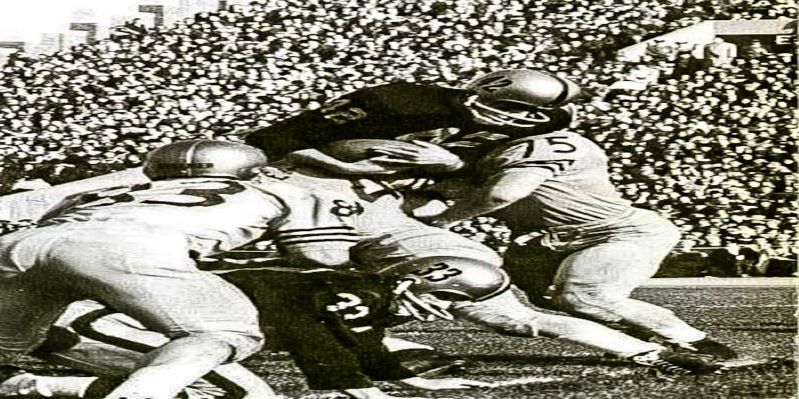
The 1963 game helped a grieving nation move on from the assassination of a U.S. President (Image Credit: Capital Gazette)
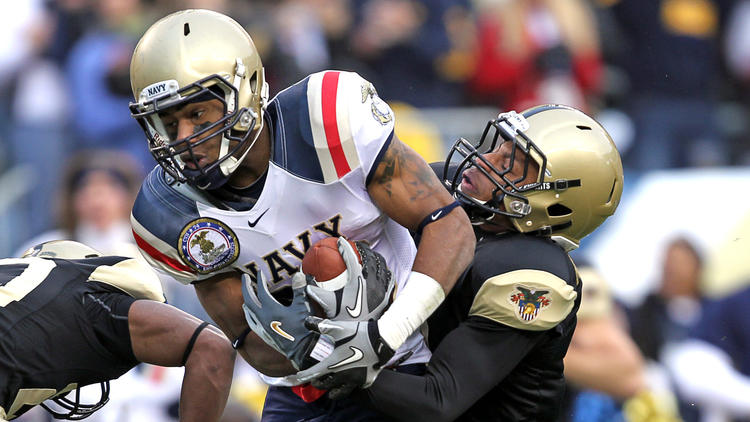
Fast forward to 2001 when the Army / Navy game followed another national tragedy; the attack on 9/11, and was played on December first of that year. Again, playing in Philadelphia, which is traditionally played there because it is geographically the approximate halfway point between the two military campuses, both teams did not enter the game with good records. But significantly, the game again helped the nation move forward. Tragically, and serving as a reminder of the true significance of the game, two players in the game were later killed in action as they served their nation. Army cadet and later officer J. P Blecksmith was killed by a sniper in Iraq in 2004, just three years after the game, and in 2010, Navy lieutenant Brendon Looney was killed in a helicopter crash in Afganistan.
The Army / Navy game helped a grieving nation again in 2001 following terrorists’ attacks on the US (Image: Baltimore Sun)
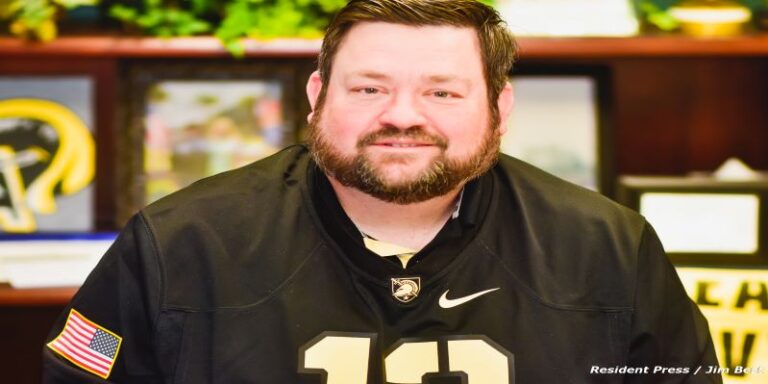
So, when I went to Colonel O’Neal’s office in Paris for his interview, I was excited with anticipation as to the stories he would tell. But I must confess that my head was swimming; there was so much I wanted to know, but in fairness to our readers, I struggled with how to succinctly tell his story where it would make sense to you all. But very soon after I met him at this office, I was greeted with him fully adorned, wearing an Army football jersey, and was shown photos of his son who is a junior at West Point, and another son who is a graduate of Missouri University of Science and Technology. And oh by the way, they have a daughter, Rachel, who is a junior and played on the state championship Paris High School volleyball team this year!
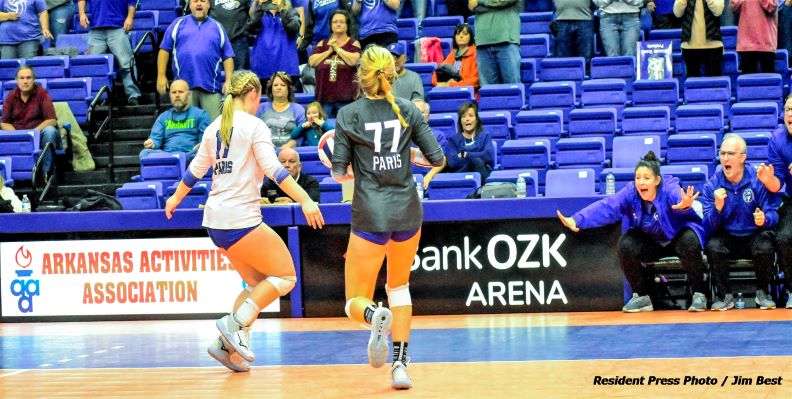
Abbey Walker (17) and Rachel O’Neal (77) watch the last Hackett shot go out of bounds to give the Lady Eagles the 3A state championship (Resident Press Photo / Jim Best)
Colonel O’Neal is rightfully proud of his service and his experience at West Point. In fact, if you look up the admission data on applicants to West Point, the admission rate is 10.3%. So, for every 100 applications to attend college at the United States Military Academy, approximately ten are admitted. And those ten are admitted conditionally pending “nomination”, meaning they must be nominated by a United States Congressman. In Colonel O’Neal’s case, he was nominated by former congressman John Paul Hammerschmidt. Hammerschmidt represented the third congressional district in Arkansas from 1967-1993.
Jeff works as a financial planner for Edward Jones of Paris. Not surprisingly, Jeff has been a success in every work of endeavor he has ever attempted throughout his adult life. But it is a long way from his days as a student and later graduate at County Line High School, studying at West Point, serving a long and successful military career as an officer, and upon retirement from the military, working as part of the high school faculty at Subiacco Academy before entering into private business. Jeff has a wonderful and very interesting story, and it is our pleasure at Resident Press to bring it to you.
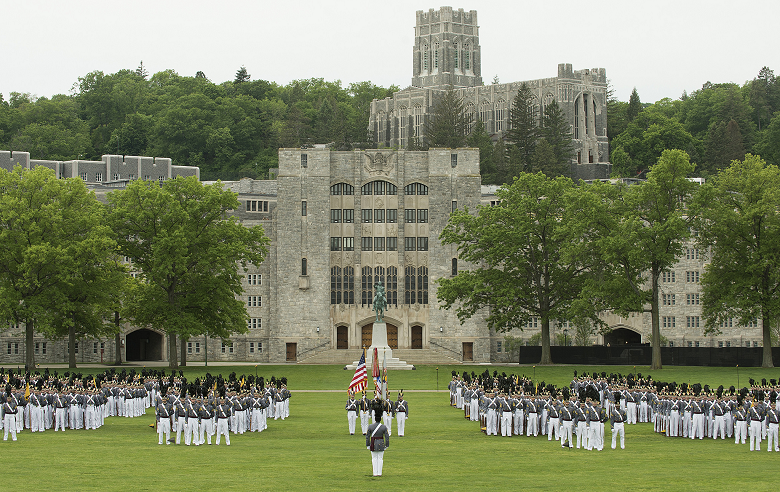
United States Military Academy at West Point (Image: Westpoint.edu)
Jeff graduated from the United States Military Academy at West Point on May 31, 1990. When I asked about the start of Jeff’s subsequent military career, he began by saying, “I was commissioned as a field artillery officer, and went on to serve over 25 years; 25 years and five months. I got to go to several places.” I invited Jeff to tell me about those places and he then told a story that fascinated me for over two hours.
He began his story by saying, “To start off, I went to Fort Sill, Oklahoma to field artillery school. You do your basic training there; officer basic training course. Then I went to the First Cavalry Division; working with multiple-rocket launching systems. The rockets, as a platoon leader, so as a 22 year-old, I had the responsibility of a $9 million system and 25 soldiers under me. So, it was pretty cool. I became the second in command of that battery. I did that for about two years, and then became an executive officer of a cannon battery. I really enjoyed that because you are out in the field more, shooting, and I was in charge of all of the maintenance and logistics of the battery. From there, I went back to Fort Sill for the officer advanced course and then on to the Republic of Korea to a place called Camp Hovey which is about 15 miles from the DMZ (demilitarized zone). So in Korea, there was a certain seriousness added to my experience to that point. That was in 1994-95. When the regime in North Korea was ramping-up, we had two pilots in a helicopter crash across the DMZ. Tensions were pretty high. We worked approximately 90-100 days straight without a day off. We trained artillery to go to certain battle positions in case anything ever started. Then, I started off as a battalion plans officer; which meant I put together the war plans, rehearsals, training, and exercises. Then I became the adjutant or human resources person. We processed all the issues that soldiers really care about such as pay, awards, evaluations, travel and leave.”
After Korea, Colonel O’Neal went to the 101st Airborne Division at Fort Campbell, Kentucky. “I spent almost four years there. I was a captain there. During that same time, I went to Ranger school there, as well and went to the Ranger program in the winter. As an officer at Fort Campbell, I was the person who coordinated the artillery fire, mortar fire, and close air support fire. That was a great job. I had a great group of fire supporters, observers, that work with the infantry battalion. So, I did that for about a year and a half, and then became a battery commander. I was in command of a 105 firing battery. Loved this job; was probably my favorite job in the Army because it was fast-paced. You’ve just got to know what your doing. It is the Army way; you get to demonstrate your competence every day. It doesn’t matter who you are or where your from; you get to demonstrate your competence every day.”
Colonel O’Neal’s job performance with the 101st was exemplary, and as a result, he was nominated and placed as an observer / controller at the Joint Readiness Training Center that meant that “you coach, mentor and make sure people are safe in the training rotations. So, I got to see every rotation go through there, and I got to work with some phenomenal guys. So, for two years, I did that. My son Jackson was born there, and my other son Beau, who is now at West Point, was born after that. “
From Fort Polk, Louisiana, Colonel O’Neal was selected again to a very prestigious position at Command and General Staff College. “And, 09/11 happened. I’m a major now, and at the College, it was kind of like a draft pool. All of these units wanted to get you to their units. So, you interview with people. I wanted to be in the action, and at that time immediately after 9/11, we were graduating in May 2002. So, I started to look at going to the 10th Mountain Division. I knew one of the battalion commanders there from Korea. He wanted me to go to Fort Drum so me and one of my buddies decided that we were going to be two majors who go to Fort Drum (New York) from the field artillery. Fort Drum is near the Canadian border, and it is very cold and very snowy, so credit to my wife Michelle for agreeing to go there. Everyone was gearing up for war in Afghanistan. I was coordinating fire for brigades of approximately 5000 troops. Things started creeping up in Iraq and rumors were out there that we would be part of the invasion in Iraq.”
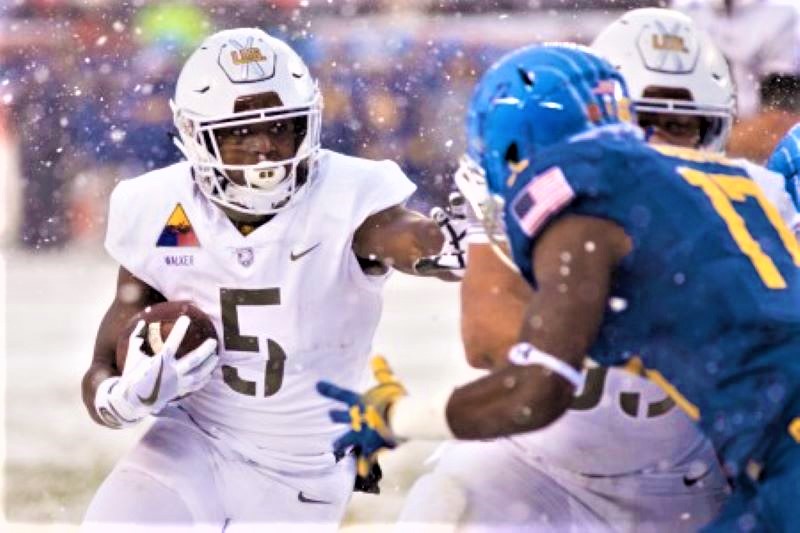
2018 Army / Navy Game; Army wears 10th Mountain Division uniforms on a snowy game day against Navy (Image Credit: army-mil.com)
And then, as it often does, Colonel O’Neal received orders to “pack his bags”, he was going to Italy. “I went to go see the battalion commander and he said to pack my bags, I had like two days, I was going to Vicenza, Italy, to work with the 173rd Airborne Brigade. Orders were for the 10th Mountain to be attached to the 173rd and then go into Iraq to open up the door to the front. So, I don’t even know if we are going to war or not, but I am packing my stuff and I eventually walked right into rehearsals for airborne support for Iraq. When “Shock and Awe” had started on March 17, my guys stepped off one flight line and walked to another to go to the war in Iraq.” Colonel O’Neal’s force seized the town of Kirkuk in Iraq the same night that Baghdad fell.
During the occupation of Iraq, Colonel O’Neal’s 10th Mountain Division that was attached to the 173rd Airborne, set up counter fire artillery. After the regime change in Iraq, O’Neal’s commander return to the states and Jeff became in charge of the unit in Iraq. “We set-up the government of Kurkuk which was a province of approximately 850.000 people at the time. So, we did things initially like set up banks, set up detention centers, and working with the guys who were just elected to the government. So, you had Kurdish, Turks, and Arabs elected to the city council. So, me and my staff, which was a major, two captains, and three lieutenants and like a couple of sergeant first class, we started working with the city council. I met with city council chairman every day. I met with the governor of Kurkuk every day. It was kind of like, this is what we need to do today. That’s when we realized that things culturally are different in America. But, you adjust and overcome.”
As Colonel O’Neal’s story continued, I became more and more amazed at the variety of experiences and responsibilities that he had in his career. At one point in his interview, I asked him if had felt prepared to do things like train personnel, set-up governments, etc. He responded by saying, “It was a challenge, and it was on the job learning. But a lot of it was just growing up in the Army, being at West Point, and always having been put in situations where you have to figure things out. Ranger School was a lot like this too, so you just have to persevere and know that you are going to find a way. A lot of trial and error, but you learn from your mistakes. Looking back, we were not specifically trained for those things, but through the training and education that you get in the Army, you just use your ingenuity and find a way.”
Colonel O’Neal served as an officer with now Chairman of the Joint Chiefs, General Mark Miley. Miley served as O’Neal’s brigade commander in 2004. O’Neal’s unit spent the better part of the spring that year preparing to go back to Iraq. In fact, he remarked, “I am sure to Michelle, it seemed like we were already deployed.” In June, the unit first went to Kuwait and later to Baghdad. I was second in command and often served as the acting battalion commander, speaking with now General Miley, everyday.
The year of 2005 was eventful for O’Neal in both good and bad ways, and he admits that the year is one that sticks in his mind. “On January 1st we lost our first soldier, and a week later we lost another soldier. So, 2005 is an “interesting” year for me for various reasons. The first soldier that died on January 1 as a second generation Hatian immigrant from New York City who had volunteered for a patrol that day and lost his life from an IED (improvised explosive device.) The soldier who died a week later was from Minnesota from a Native American Indian reservation and he too died from an IED.
I asked Colonel O’Neal about how this affected him as both a person and as an officer who lost men under his command, or he himself and his exposure to dangerous situations that could lead to additional loss of life. Jeff responded by saying, “We knew going in that it was not a matter of “if” but “when” with respect to taking casualties because of where we are. It’s just a way of life, and you just have to know that it could happen every day. I went on patrol and into a lot of bad places a lot. I am still in contact with those guys. They came through and did a great job. Michelle will probably tell you that I have not slept very well since 2005. At West Point they put you under stress, and it is about being able to accept failure sometimes and learn how to react and learn from it. So, you have to react under stress.”
Jeff will tell you that his wife, Michelle, was very important in her role in both their marriage and her support of Jeff’s service in the military. Jeff commented that in 2005, “On the home front, Michelle was raising two boys and later was pregnant with Rachel. So, she is going through that and raising two boys, and was due in January. Rachel was due on January 19th, and I had already talked to my commander about going home at that time. I told Michelle that I could not be home on January 19th and that she would have to put it off (Rachel’s birth) for a couple of days. So, I made it home on the night of the 20th and then Rachel was born the next day.”
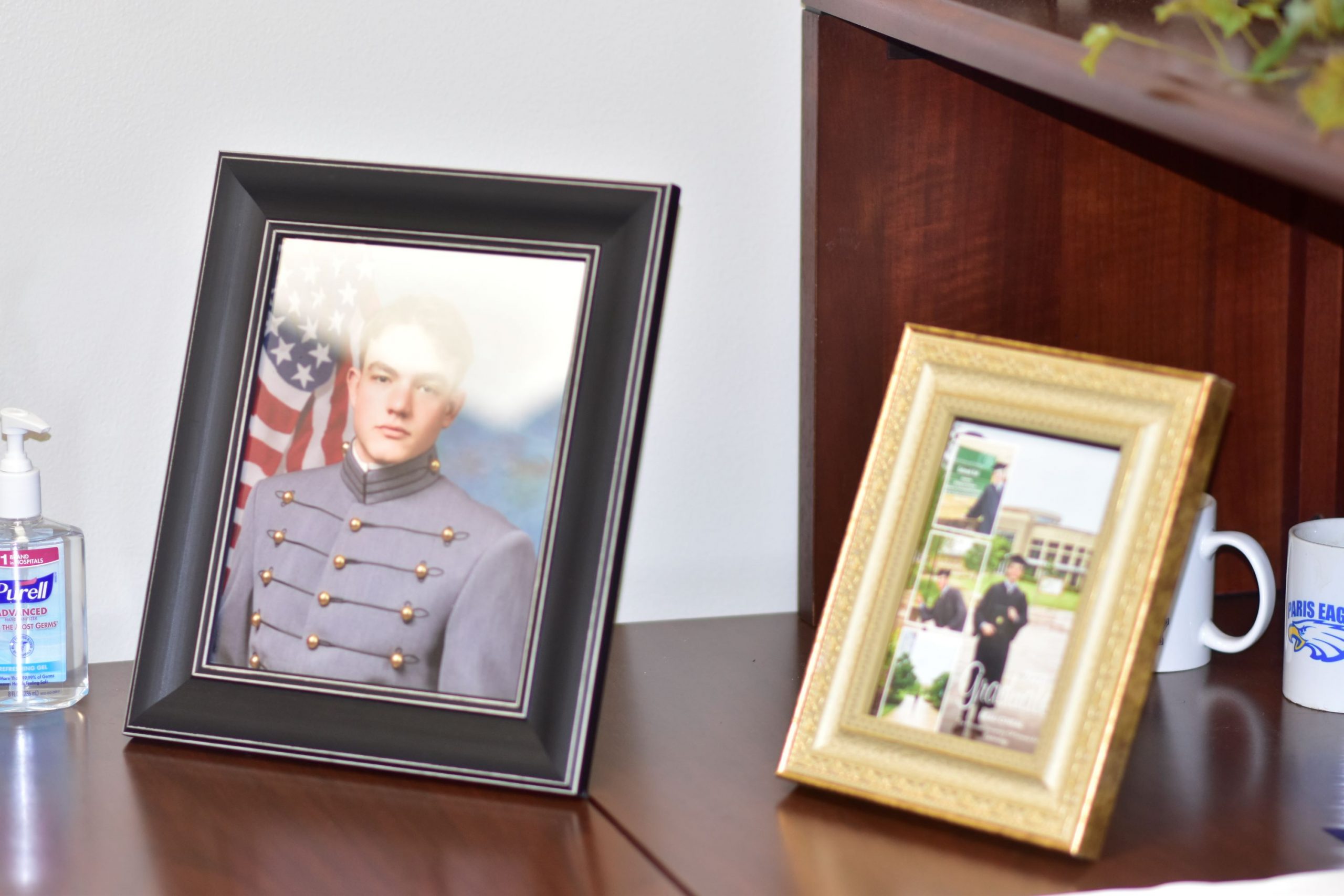
Photos on O’Neal’s desk of his sons Jackson (left) and Beau. (Resident Press Photo / Jim Best)
Colonel O’Neal served in Hawaii in one of his final leadership positions performing such functions as being responsible for logistics and operations in the Pacific with duties that included briefing not only his superiors but members of Congress on budgets and requested funding for operations in the Pacific. But Hawaii would not be O’Neal’s final theater of service; as he eventually closed out his career with a third tour of duty in Iraq. Indeed, West Point provided the foundation for his career, and Jeff served all over the world and at various levels of command with distinction as an officer and as a West Point graduate.
So, when one looks at the military career of Jeff O’Neal, you can close your eyes and imagine the careers, experiences, and levels of command that the cadets and midshipmen both on and off the field at this year’s game will experience after December 11. Jeff shared with me the experience of this awesome game and its traditions.
“The very first day (as a cadet) it is about “Beat Navy.” Among all of the craziness going on in your life at that time, it is the one thing that unifies everyone; upperclassmen and plebes. So, huge deal, and it was always kind of a relief to the plebes that you could go the “Beat Navy” route. A lot of times, you could fall back on Beat Navy. If you say Beat Navy, maybe some kind of grace would be given to you. Even on exams during game week, if you put a Beat Navy on your paper, you might get a bonus point or two.”
“So plebe year, you are part of the fourth class system. Which meant that you got hazed and duties you had to do. And you always did it under pressure. Anytime you went to an upperclassman’s room you are subject to harassment.”
A tradition of the game, the “Prisoner Swap” includes a portion where Midshipmen attached to West Point, and Cadets attached to the Naval academy would be sent back to their home sides for the game.
But perhaps the most visual and well-known tradition is the march of the Cadets and Midshipmen onto the field prior to the game. On December 11 of this year, Colonel O’Neal will be at the stadium to watch his son Beau participate in the march just as he did in the late 1980s. One week after the game, Resident Press will pick-up Jeff’s story from here.
Part two of this story will publish in Resident Press on December 18. Following this year’s game on December 11, watch for Colonel O’Neal’s story of his visit to the game to watch the annual rivalry and to see his son march onto the field during the pregame ceremony. Colonel O’Neal has graciously agreed to share his photos from the trip, and we will publish them for our readers in Resident Press.
So until then, on behalf of all of us from Resident Press, we wish you and your family a Happy Thanksgiving, and we hope you enjoy the day with your families and others whom you love and who love you. We all have so much to be thankful for, and on this day, we thank everyone in the military, especially those who cannot be home today. Thank you all from the bottoms of our hearts for your service to this great nation.
Happy Thanksgiving, and watch for the conclusion to this story on December 18 in Resident Press.