


Lavaca Honors Retiring Police Chief Randy Toon
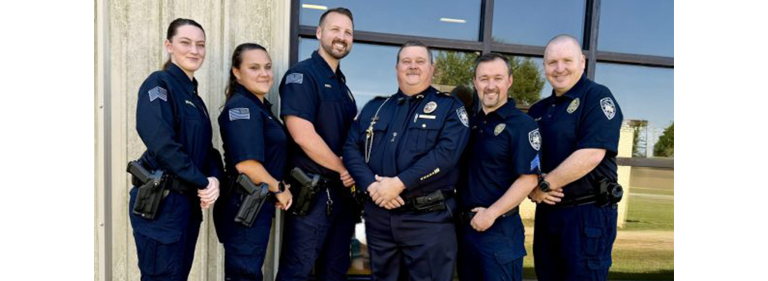
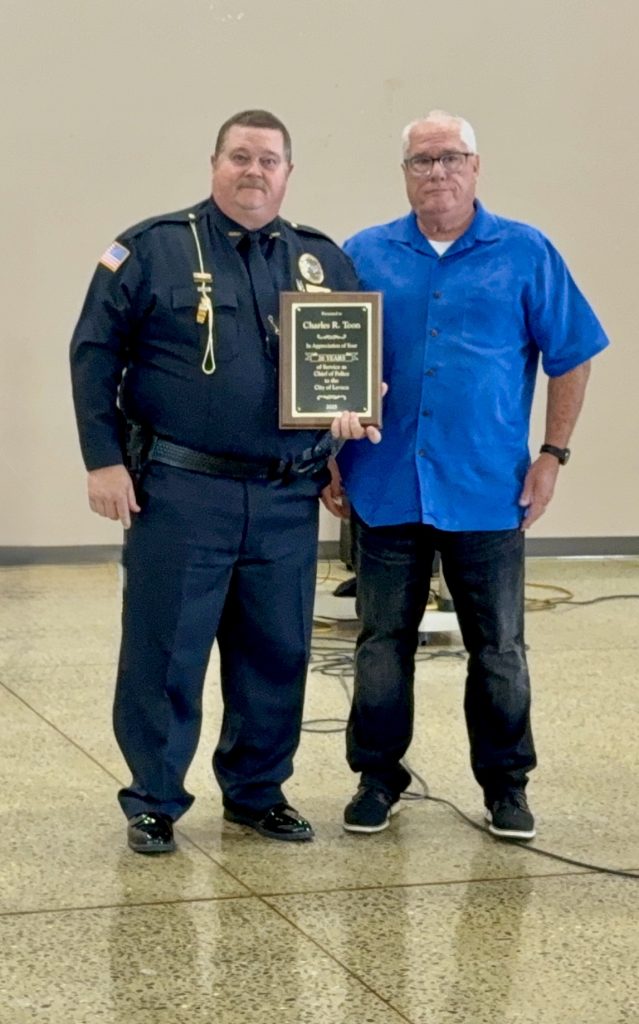
Family, friends, city officials, and members of law enforcement gathered at noon on Saturday, September 27, to celebrate the retirement of one of Lavaca’s most respected leaders, Police Chief Charles “Randy” Toon. The ceremony was filled with emotion as the community reflected on the decades of service Toon devoted to the city.
Chief Toon has served the City of Lavaca for 30 years, leading the police department with dedication, fairness, and a steady commitment to public safety. Over the course of his career, he became known not only for his leadership skills but also for the kindness and respect he showed to everyone he encountered.
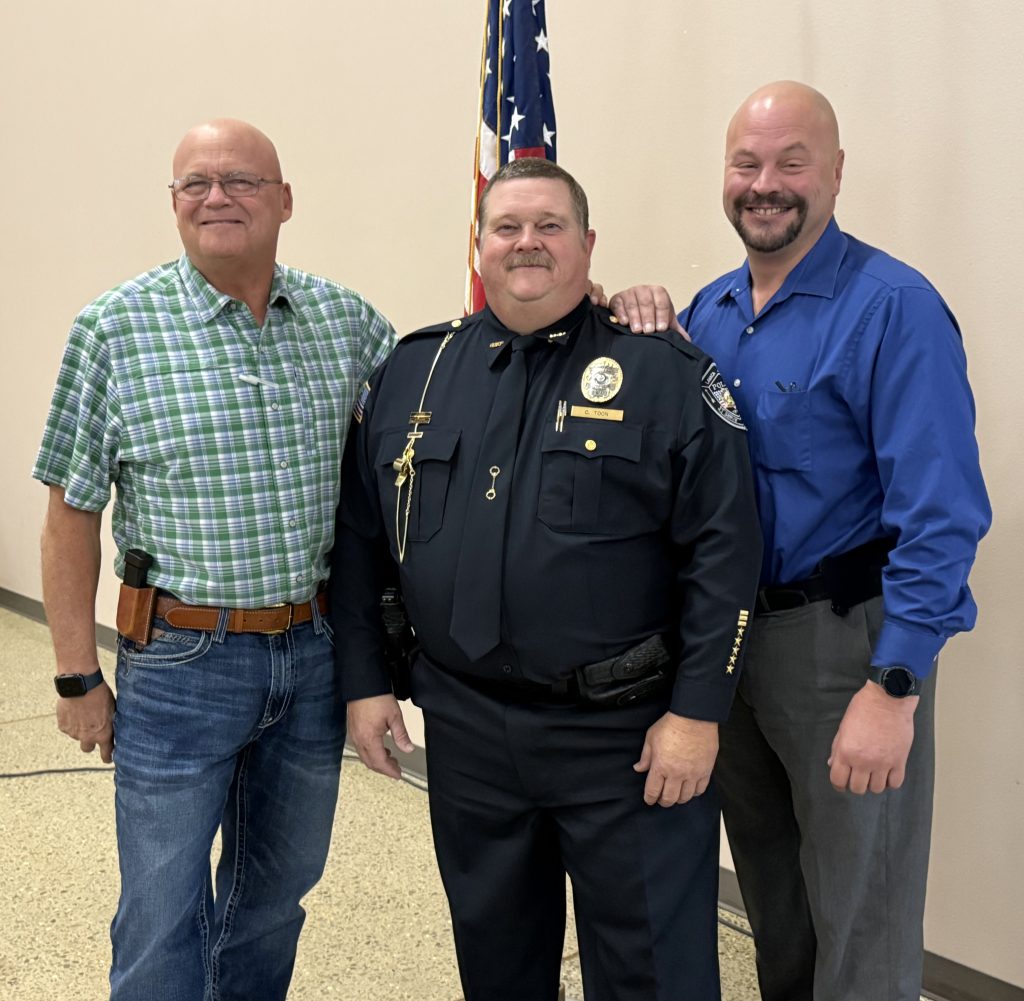
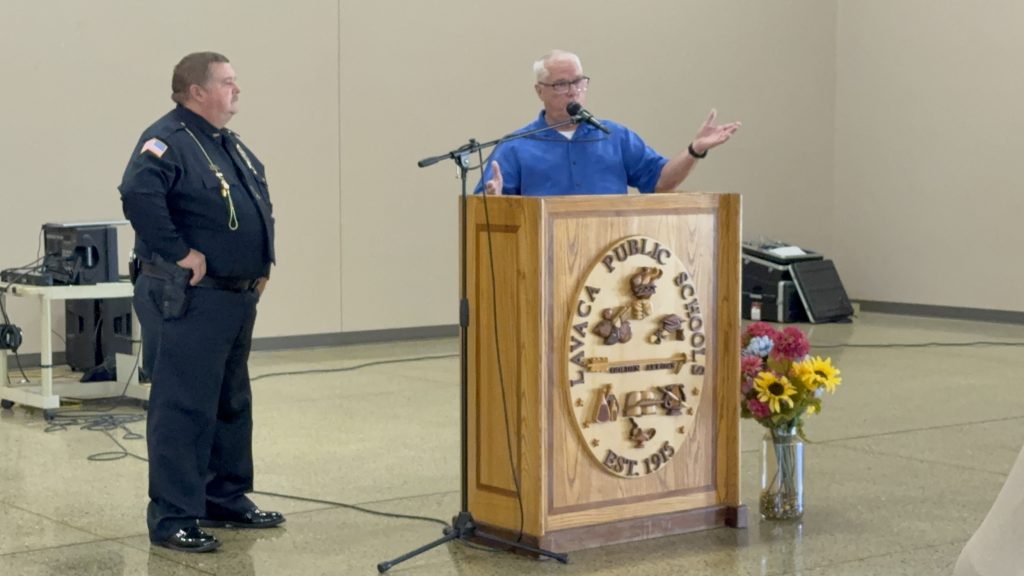
The event drew a strong turnout, with members of the Lavaca Fire Department joining Sebastian County Sheriff Hobe Runion, Chief Deputy John Miller, and other law enforcement officials to honor Chief Toon’s career and legacy.
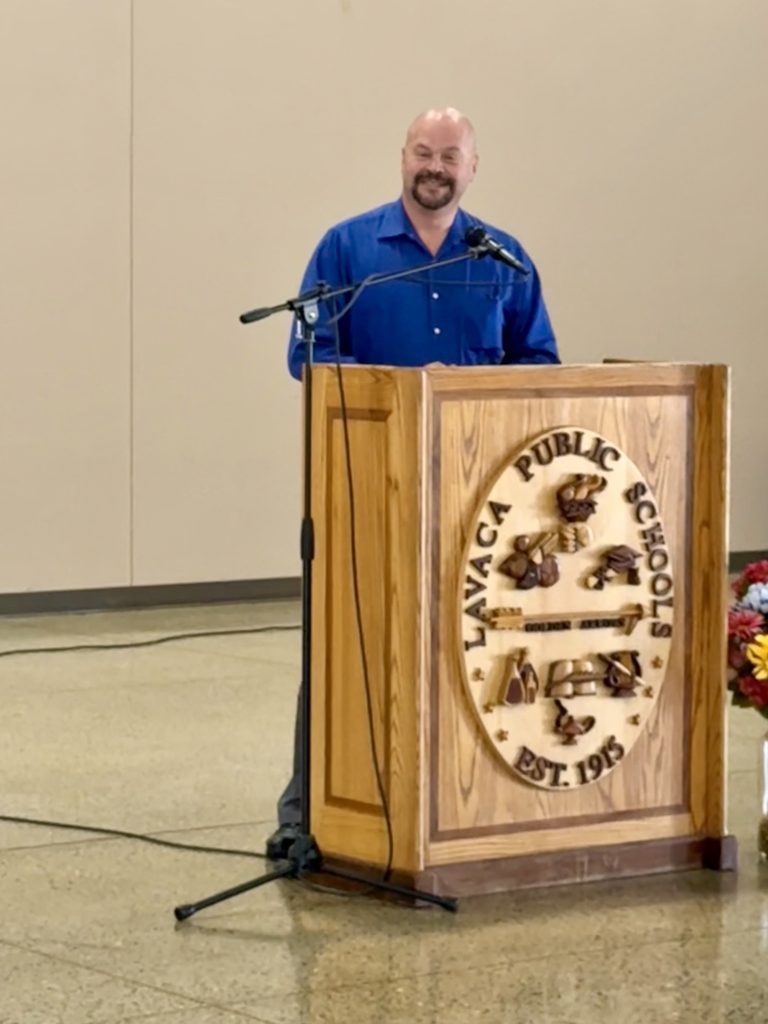
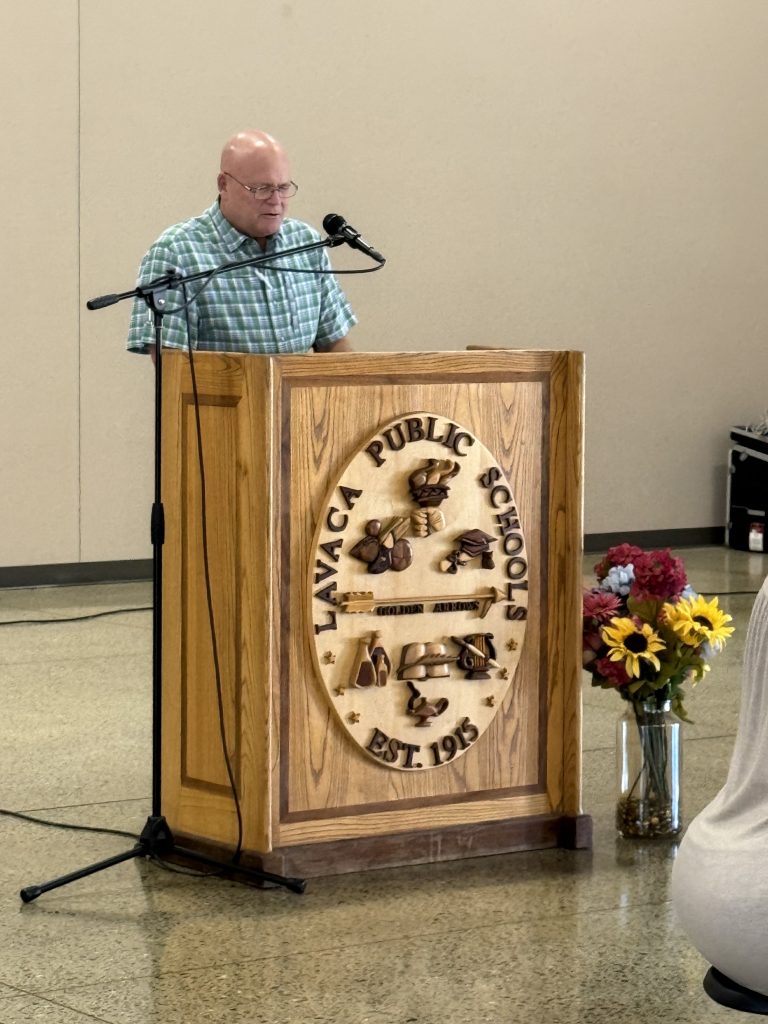
(Left) Chief Deputy Miller led the Pledge of Allegiance and reflected on moments of brotherhood that truly made the difference. (Right) Sheriff Runion led a powerful prayer of thanksgiving.
Lavaca Mayor Hugh Hardgrave reflected on the challenge of finding the right words to capture Toon’s impact. “I knew it would take some time to find the right words,” Hardgrave said. He went on to highlight that Toon was deeply loved in the community and recognized for treating all people with respect, regardless of their circumstances. Hardgrave praised Toon’s leadership, describing his years of service as both dedicated and inspiring.
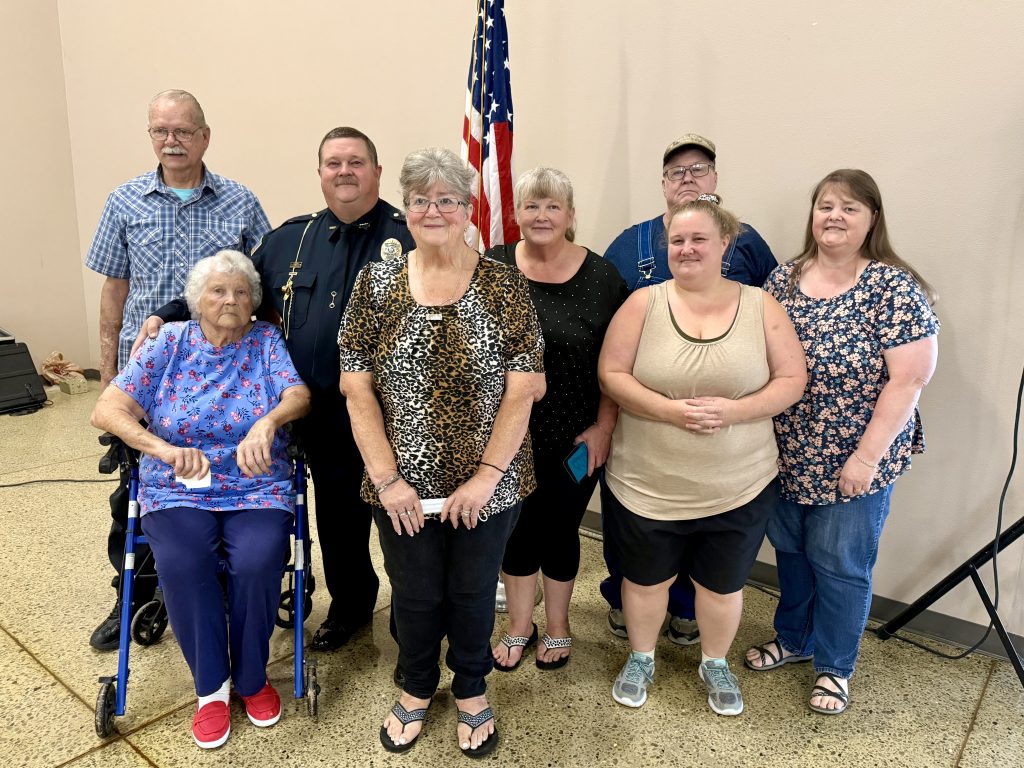
As Chief Toon begins his retirement, the community he served so faithfully looks back on his career with gratitude. His influence and example, leaders noted, will continue to shape Lavaca for years to come.



The Measure of Leadership
Leadership, in its purest form, is influence. It is the ability to guide, inspire, and shape decisions that affect not only individuals but entire communities. Yet leadership is also a fragile thing, vulnerable to the character of the one who holds it. A good leader can strengthen and uplift. A bad leader can erode trust, sow division, and leave behind long shadows of harm.
I have personally seen both kinds of leadership at work—and the results could not be more different. Leaders who led by example, who encouraged and empowered others to rise to challenges both personally and professionally, equipped those around them for success. The result was not just immediate progress but a legacy: generations of new leaders who would go on to achieve greatness, honoring those who had paved the way before them. In these cases, leadership became a gift that kept multiplying, leaving a lasting mark far beyond the leader’s own tenure.
Conversely, I have witnessed leaders who were self-focused, concerned only with issues that affected them personally rather than the greater good. Instead of inspiring, they drained the energy of those around them. The outcome was predictable—low morale, waning interest, and eventually, collapse. Their leadership, built on self-interest, proved fragile and unsustainable.
The vulnerability of bad leadership is obvious but often overlooked. A leader driven by arrogance, fear, or self-preservation cannot withstand scrutiny because their foundation is weak. When challenges arise, they seek scapegoats instead of solutions, loyalty instead of truth. Their power may appear strong, but it is brittle.
By contrast, good leadership is resilient because it is rooted in service. A good leader understands that strength is not measured by domination but by the ability to listen, to admit mistakes, and to elevate others. Vulnerability, for them, is not a liability but a bridge—an invitation for others to join them in building something greater than any one person could achieve alone.
What distinguishes good leadership is not perfection but integrity. People will forgive mistakes when they trust the heart behind the decision. They will endure hard times when they believe their leader is sacrificing alongside them. They will stand firm when their leader’s courage shines brighter than their fears.
In the end, leadership always reveals character. Bad leadership collapses under the weight of its own flaws, while good leadership endures because it is anchored in values that do not change with the winds of convenience. I have seen both, and the contrast is stark. The choice before us—whether in our communities, workplaces, or families—is clear: we can follow, and more importantly, model the kind of leadership that empowers others and leaves a legacy of strength and honor.
Because the world will always have both. The difference lies in the example we set.