76.4 F
Fort Smith
Saturday, June 20, 2026
Home Blog Page 7

Timepiece: Loud Talkers, Dunkers, and Holy Rollers

By Dr. Curtis Varnell

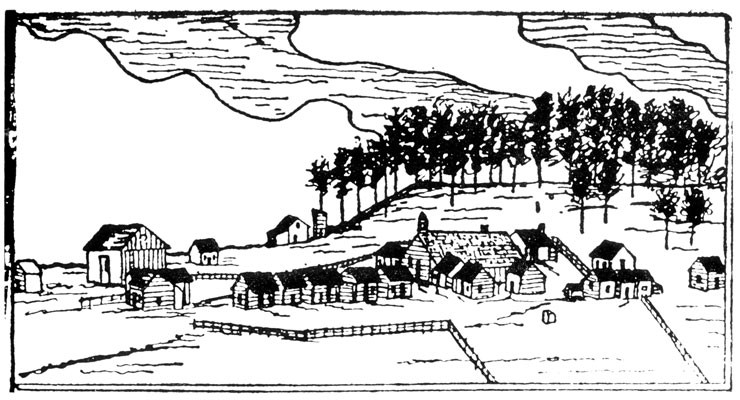
Churches and religious faith have always been an important facet of life for people of Arkansas. Presbyterian, Methodist, and Baptist missionaries were some of the first people to move into the region. Many of these arrived to minister to the Indian population years before white man arrived in the area. Dwight Mission (Methodist) was established just west of Russellville to convert and educate the Cherokee. Native Americans often named the various denominations by their most noticeable aspects. The Methodists- known at that time for their fiery demeanor and sermons were called the Loud Talkers.

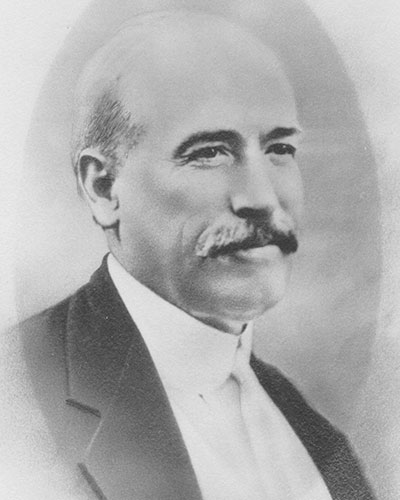
Gorman and Imogene Daniels 1940

Baptists, known as dunkers because they practiced immersion baptism, soon arrived in the state and quickly became the largest denomination. Southern Baptists today still have more members than any other Protestant denominations in Arkansas.

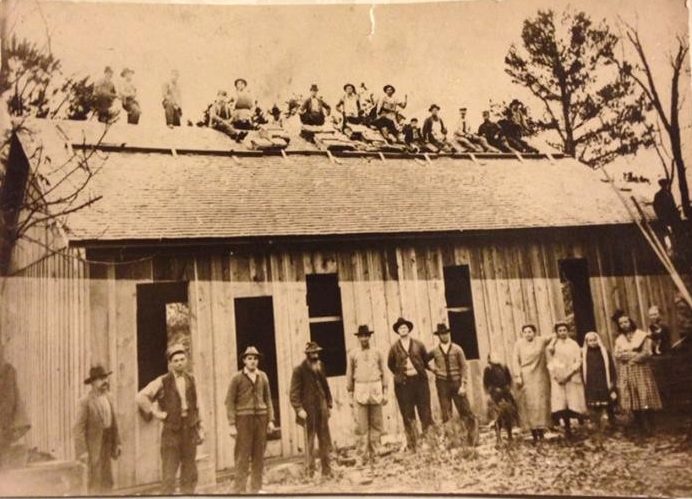
1912 AG builds church at Sorghum Hollow Road

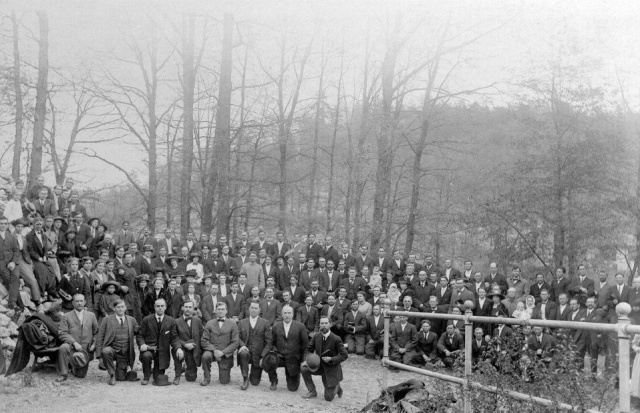
The term Holy Roller came into being early in the 20th century with the formation of the Pentecostal movement which included the Pentecostal Church of God, Jesus Only, Holiness, Assembly of God, and the Apostolic Church of God. The movement started as an outgrowth of a 1906 revival in Los Angeles. Adherents, emphasizing the spiritual gifts of speaking in tongues and healing, saw themselves as the third Great Awakening. The movement spread across the U.S. with a hot bed of adherents in Arkansas. By 1912, they were conducting revival services in Russellville, Paris, Booneville, Greenwood, and in many of the small communities across the state.

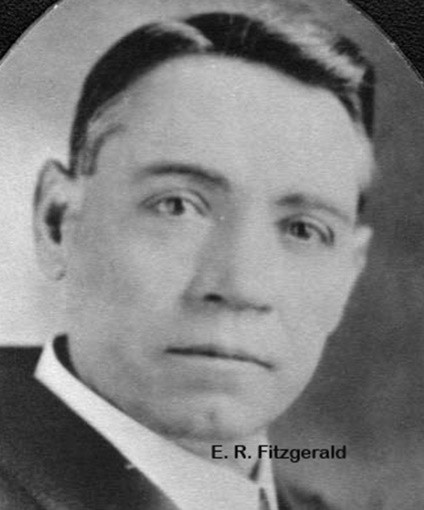
The Assembly of God denomination was formed during a 1914 meeting held near the Mountain Valley water headquarters in downtown Hot Springs. The Rev. E.R. Fitzgerald preached throughout the region and established many of the churches that became charter members of the Assemblies of God.

Early revival meetings were often held in brush arbors or outdoors during the summer time after the crops were planted and growing. A speaker would arrive in the area, set up a stage, and services would be held nightly during meeting that would go far into the night. These nightly services would sometimes continue for weeks and would attract people from throughout the region. Many people came out of religious zeal while others came to watch. Many of the older boys and men would remain outside the arbor during the meetings and would spend their time smoking, gossiping, and sometimes even passing the bottle around the group. Pentecostal services were exciting- new gospel songs were sang with accompanying music from guitars,

piano’s, hand clapping and much enthusiasm. This was followed by preaching- loud passionate preaching accompanied by dramatic movement and prayer. Calls to the altar resulted in tears of passion and rejoicing and speaking in “tongues.” Overcome by the word, people would often jump in joy or run around the encampment, much to the delight of the onlookers. Derisive terms of Holy Roller, Pew Jumpers, and worse were ascribed to the believers.

Dwight Mission at Russellville

Today, the Assembly of God has over 62 million adherents worldwide and over 3 million within the U.S. It is the only major denomination founded within the state of Arkansas.

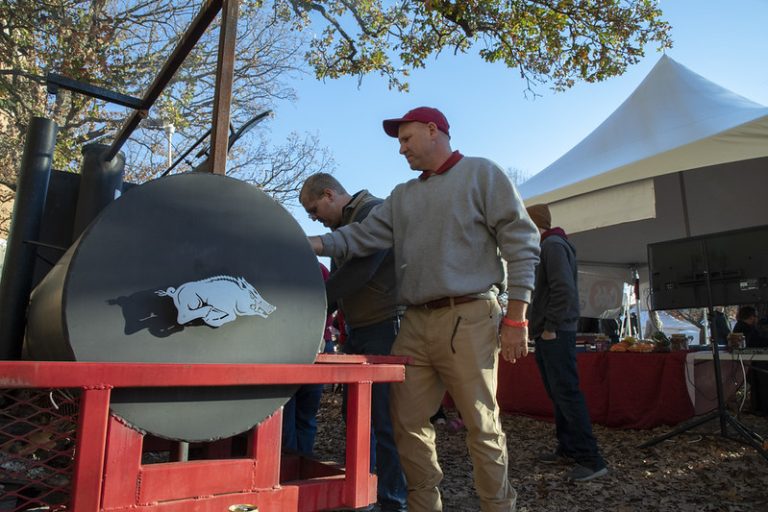
The science of barbecuing: grilling, smoking and beyond


By Ryan McGeeney 
University of Arkansas Division of Agriculture

“Barbecue,” as anyone in the South can tell you, is a loaded word. 

“It means different things to different people,” said Janeal Yancey, extension animal science instructor for the University of Arkansas Division of Agriculture. But, she said, one thing ought to be clear: “Barbecuing” is not for hamburgers.

“I grew up in Texas, and in my mind, ‘barbecuing’ is a low and slow smoking process,” Yancey said. “I would never say I’m ‘barbecuing’ a hamburger. If I was going to cook a hamburger on a grill for Memorial Day, I’d say I’m grilling it. But I might say in the same sentence that I’m having a ‘backyard barbecue.’”

Semantics aside, grilling and smoking offer two different flavor profiles based on two different chemical reactions, Yancey said.

“When we grill things, such as hamburgers, you’re using a really high heat, usually using some kind of wood fire or charcoal, that creates a char on the surface of that meat,” Yancey said. “It makes a really nice brown or blackening color, and it creates a delicious flavor.

This is known as the Maillard reaction, in which sugar and protein under heat create the color and flavor grilling enthusiasts love.

“You probably have to go back to cavemen cooking meat over a fire to understand why our brains like that,” Yancey said.

The low and slow of it all

“With barbecue — that would be more of the low and slow smoking — there’s some different chemistry happening there,” Yancey said.

During the smoking process, the smoke generated from burning wood interacts with proteins in meat and poultry. The fats and proteins in the meat absorb the chemical smoke, creating a new, smoky flavor. The process also denatures the meat, causing it to lose structure, which is how it becomes fall-off-the-bone tender.

“You can use the combination of smoking and grilling techniques to get a nice char on the outside of a brisket, along with the pretty pink and nice smoky flavor on the inside,” Yancey said. 

“The pink color comes from the nitric oxide interacting with the proteins in the meat. You’ll see that in hams, hot dogs — any of our cured meats,” she said.

Safety first

Yancey said that whether you’re grilling or smoking, heat is the key ingredient to killing off bacteria and making the meat safe to eat.

“When it comes to cooking things quickly, especially with ground meat such as hamburgers, make sure to get the whole patty to 160 degrees Fahrenheit,” she said. “With a steak, the internal temperature can be cooler, because the inside of the steak won’t have the bacterial load that you can have on the inside of a hamburger.

“When you’re smoking meats, you’re cooking it for so long, you’re going to reach those temperatures without any problem,” Yancey said. “Those cookers can reach 180 degrees or more, and the process takes hours. Killing bacteria is a combination of high temperature and time.”

Yancey said it’s also important to avoid cross-contamination through shared plates and other surfaces, where cooked meats may be exposed to bacteria left behind by its raw forebears. 

“It’s important to remember that plates are a one-way street,” she said. “You’ve got one plate carrying uncooked meat that goes out to the grill — that needs to then go in the sink or the trash. Then you’ve got a different, clean plate that carries cooked meat from the grill to the serving table.”

Yancey advised chefs to use a meat thermometer to assess the internal temperature for hamburgers, poultry or raw sausage.

“Don’t try to use color to assess whether it’s done,” she said.

To learn about extension programs in Arkansas, contact your local Cooperative Extension Service agent or visit uaex.uada.edu. Follow us on Facebook and Instagram. To learn more about the Division of Agriculture, visit uada.edu. To learn more about ag and food research in Arkansas, visit the Arkansas Agricultural Experiment Station at aaes.uada.edu. 

Arkansas EHC members’ textile art featured in Crystal Bridges’ “America 250: Common Threads” exhibit

By Rebekah Hall
University of Arkansas Division of Agriculture

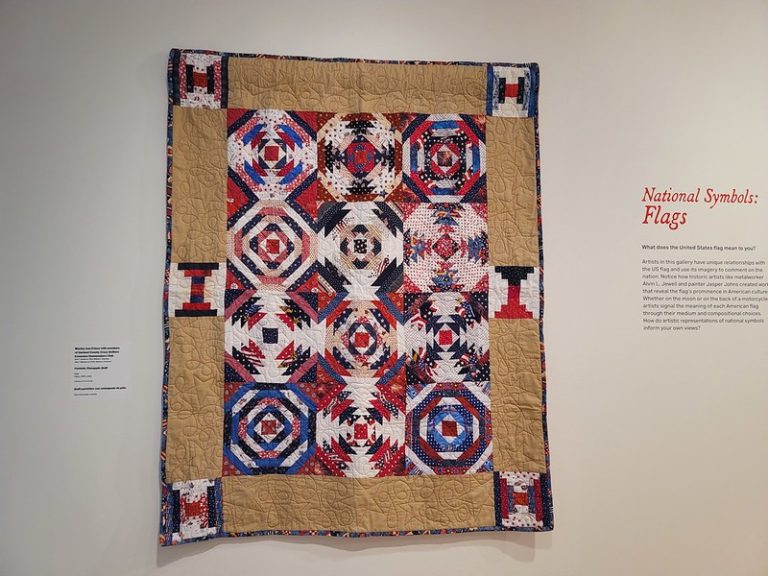
Anna Goff said it was a “sincere honor” to have a quilt made by her late mother, Ann Prince, selected for the “America 250: Common Threads” exhibit at the Crystal Bridges Museum of American Art.

“Everyone who knows anything about her has said this is something that she would have been so very proud of — to be able to see her work displayed in a museum,” said Goff, extension family and consumer sciences program associate for the University of Arkansas Division of Agriculture.

The exhibit, which opened March 14 and continues through July 27, celebrates the 250th anniversary of the signing of the Declaration of Independence and the centuries of American art and civic participation that followed.

Prince is one of two members of the Arkansas Extension Homemakers Council, or EHC, program whose textile works were selected for the exhibit.

Laura Hendrix, extension professor of personal finance and EHC adviser for the Division of Agriculture, said Arkansas EHC learned of the opportunity to submit items to the exhibit through Ayanna Bledsoe, director of inclusion and belonging for Crystal Bridges.

Bledsoe is a current participant of LeadAR, the extension leadership development program, and became familiar with EHC through her experience in the program.

“When Ayanna heard about the Common Threads exhibit, she thought of the handcrafted items that are made by extension program participants, including EHC members,” Hendrix said. “We sent out a call for proposals to EHC club members to submit items for the exhibit, and Crystal Bridges staff selected two pieces.”

Hendrix said EHC members have a “long and successful history of using their time and talents to improve and strengthen communities.”

“EHC members used surplus cotton to make mattresses in the 1930s and ‘40s, and they also made quilts, clothing and other handcrafted items,” Hendrix said. “Extension educators throughout the decades have taught EHC members, who then use their new skills to create items that improve life and enhance the environment for their families, friends and communities.”

Today, EHC members make teaching dolls for doctors to use at Arkansas Children’s Hospital, quilts for local veterans and lap quilts and bibs for nursing homes, Hendrix said.

“We are delighted to have EHC items on exhibit at the Crystal Bridges Museum of American Art,” Hendrix said. “This is a great opportunity to share the history of EHC with museum patrons and to encourage EHC members to visit the museum.”

Passing on heritage skills

Prince was a member of the Hot Spring County Gifford EHC club for 40 years. She also joined the Garland County Crazy Quilters and Saline County EHC quilting clubs to expand her skills and teach others.

“After she started taking different skills classes through EHC, she became one of the teachers, and that was something she really enjoyed doing — getting to share her passion with others and show how it made a difference in her life,” Goff said.

Goff said her mother had 69 years of sewing experience when she passed away in June of 2025. Of the 10 pieces of Prince’s work that Goff submitted for consideration for the Crystal Bridges exhibit, her “patriotic pineapple” quilt was selected.

Prince made the quilt in 2012 as part of the Garland County Crazy Quilters EHC club’s project to make quilts for local veterans. The quilt was given to her son, Raymond Prince, a veteran of the United States Marine Corps and Army National Guard.

Erin Holder, 36, is a member of the Benton County Extension Homemakers Council. Holder’s large crochet doily, approximately 27 inches in diameter, was also selected for the “America 250: Common Threads” exhibit.

Holder used her great-grandmother’s crochet hook to work on the doily between October 2023 and July 2024, and she then submitted it to the Benton County Fair. She said heritage arts is a focus of her EHC club, and when the call went out for submissions to the Crystal Bridges exhibit, she thought her doily could be a perfect fit.

“A giant homemade doily feels like the epitome of heritage art,” Holder said. “When I was making that piece, I kept thinking to myself, ‘I wonder if I am making a family heirloom right now. Is this going to stick around in our family for generations?’

“Now that it’s in Crystal Bridges, I think it’s so cool that not only did I make this piece with the hook that’s been in our family for decades, but it now has a fascinating story behind it, too,” Holder said. “What an honor to be included in this exhibit.”

Holder said she particularly enjoys the friendship and community she experiences through EHC, similar to the camaraderie her children experience as part of Arkansas 4-H, the extension youth development program.

“As adults, I feel like it’s getting harder to make connections with other people in your community,” she said. “My kids are in 4-H, and that’s one of the big benefits of the program, is that my kids can get connected with other youth who have similar interests in their county and the state. With EHC, I call it 4-H for grown-ups. It’s very similar. I think it’s a great way to meet people, make friends and learn new things.”

Tickets to the “America 250: Common Threads” exhibit cost $15 for adult general admission, and entry is free for Crystal Bridges Museum members, veterans, youth under age 18 and participants in the Supplemental Nutrition Assistance Program, or SNAP.

SNAP participants can call 479-657-2335 to enroll for free entry to temporary exhibitions.

Visit the Arkansas Extension Homemakers Council page to learn more about the organization or contact your local county extension office to learn about clubs in your area.

To learn about extension programs in Arkansas, contact your local Cooperative Extension Service agent or visit uaex.uada.edu. Follow us on Facebook and Instagram. To learn more about the Division of Agriculture, visit uada.edu. To learn more about ag and food research in Arkansas, visit the Arkansas Agricultural Experiment Station at aaes.uada.edu.

About the Division of Agriculture

The University of Arkansas Division of Agriculture’s mission is to strengthen agriculture, communities, and families by connecting trusted research to the adoption of best practices. Through the Agricultural Experiment Station and the Cooperative Extension Service, the Division of Agriculture conducts research and extension work within the nation’s historic land grant education system. 

The Division of Agriculture is one of 22 entities within the University of Arkansas System. It has offices in all 75 counties in Arkansas and faculty on three campuses.  

Pursuant to 7 CFR § 15.3, the University of Arkansas Division of Agriculture offers all its Extension and Research programs and services (including employment) without regard to race, color, sex, national origin, religion, age, disability, marital or veteran status, genetic information, sexual preference, pregnancy or any other legally protected status, and is an equal opportunity institution.


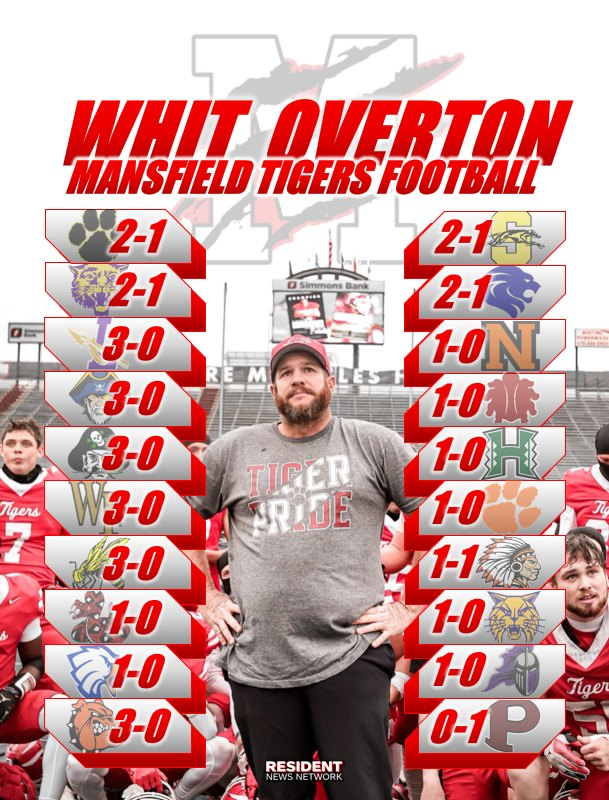
Overton Ready To Out “WHIT” Skeptics Again In 2026

There were sceptics when Whit Overton became the head coach at Mansfield in 2023. He had no proven track record as a head coach because he had never been one. His success as a coordinator at Booneville was overshadowed by Booneville itself being a power program. Tack on the fact that Mansfield’s win/loss record of 58-78 since 2010, with just four Playoff appearances and one Conference Championship in that stretch, and it’s easy to see how skepticism from outside the program could be prevalent.

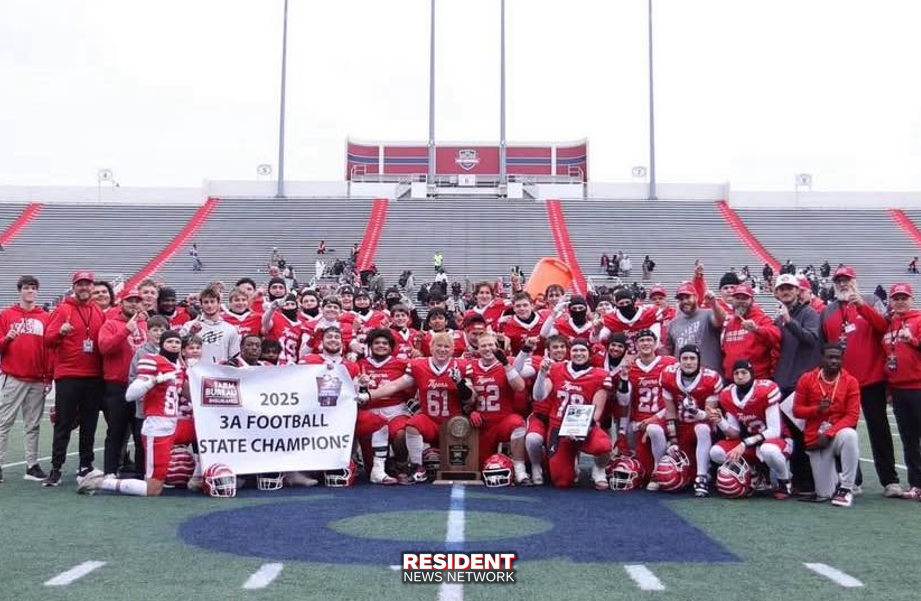
Instead, the skeptics were force-fed humble pie. Not once, not twice, but three straight times. Overton’s 2023 Tigers went 11-3 and made the State Semi-Finals for the first time in school history. Two of their three losses were to the eventual State Champions & State Runner-Ups. In 2024, Mansfield repeated the same record and semi-final appearance, with again having two of their three losses to the eventual State Champions & State Runner-Ups. The only difference was that the Tigers were crowned the 3A-1 Conference Champions for the first time since 2010. Lastly, the historical 2025 season, which blew the doors off the walls. Mansfield recorded the school’s first-ever undefeated season, the first back-to-back Conference Championships, first State Championship, scored a whopping 659 points, and set eleven State Records.

In an interview after the Tigers’ 2025 State Championship victory, Overton admitted that he didn’t see it coming when he hired on in 2023. “I can’t lie”, answered Overton. “I knew we had talent when I got hired but never expected this”. Such success in a three-year span isn’t by mere chance either. Even though Coach Overton doesn’t exactly like the spotlight, it should be noted that the Tigers’ Head Coach has two 3A Coach of the Year awards in his three-year tenure. Overton attributes his individual success to his desire to see his players win. “The awards are nice but it’s all about them. That’s where I get the satisfaction”, said Overton.

If you thought that breaking every football record in the book, winning back-to-back Conference Championships, and the school’s very first State Championship would silence the skeptics, you’re wrong. The same negativity that was dished out in 2023 is already rearing its ugly head in 2026 and spring practice isn’t even over yet. Terms like “one and done” and “lost too many good players” are still being thrown around. Call them doubters. Call them haters. But if you look closely at the past three years, you can also call them wrong.

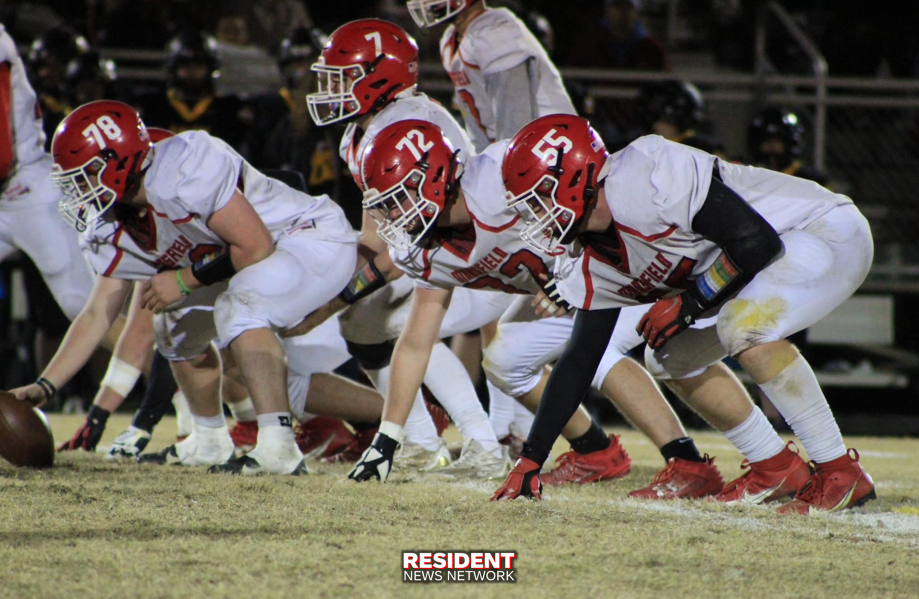
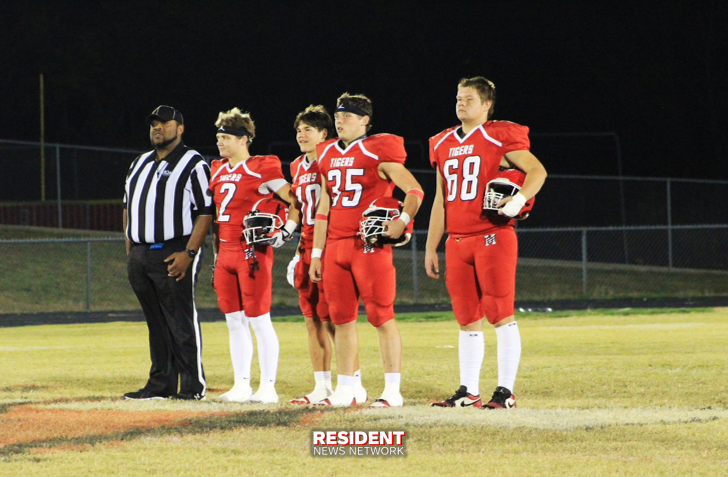
For starters, Overton began his head coaching career at Mansfield with a group of five seniors and his second year with just six. After going 11-3 and making the State Semi-Finals in 2023, many thought outstanding seniors Tyler Turnipseed, Peyton Martin, Turner Wright, Brayden Mays, and Cole Kindle could not be replaced, but 2024 seniors Jeremy Strozier, Daniel Burton, Trey Powell, Dakota Deer, Samuel Burton, and Leland Powell matched their predecessors 11-3 record and took it a step further by beating both Booneville and Charleston for the 3A-1 Conference crown. If replacing the 2023 seniors was hard, then matching the 2024 crew was going to be impossible, right? Wrong. Mansfield almost doubled the number of seniors from the previous two years by suiting up ten seniors. For Mansfield, that was huge, but even that count paled in comparison to many other 3A schools’ senior rosters. Yet again, Overton and his staff found a way to make it look easy. So, while the excuse of “lost too many good players” may ring true in some situations, it doesn’t mean it can’t be done.

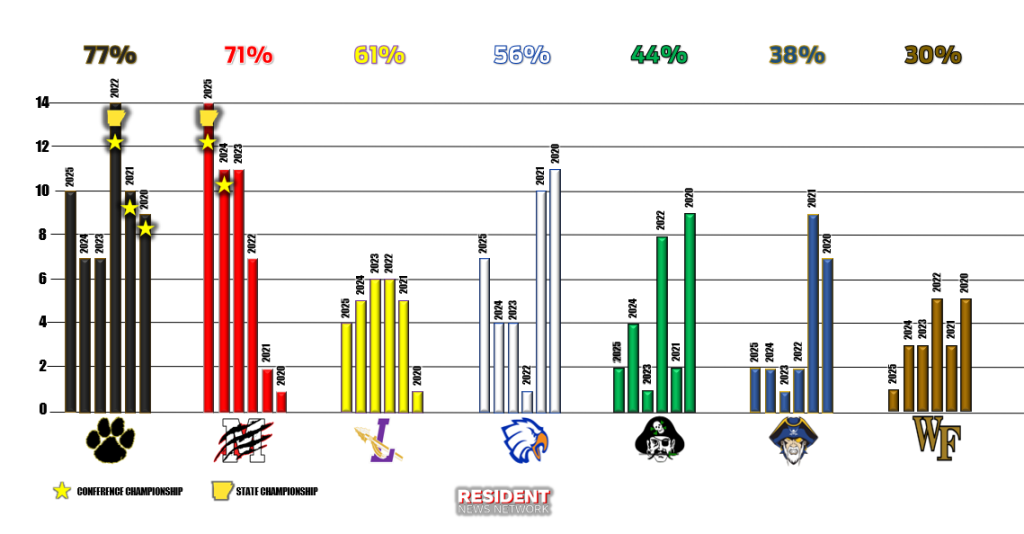
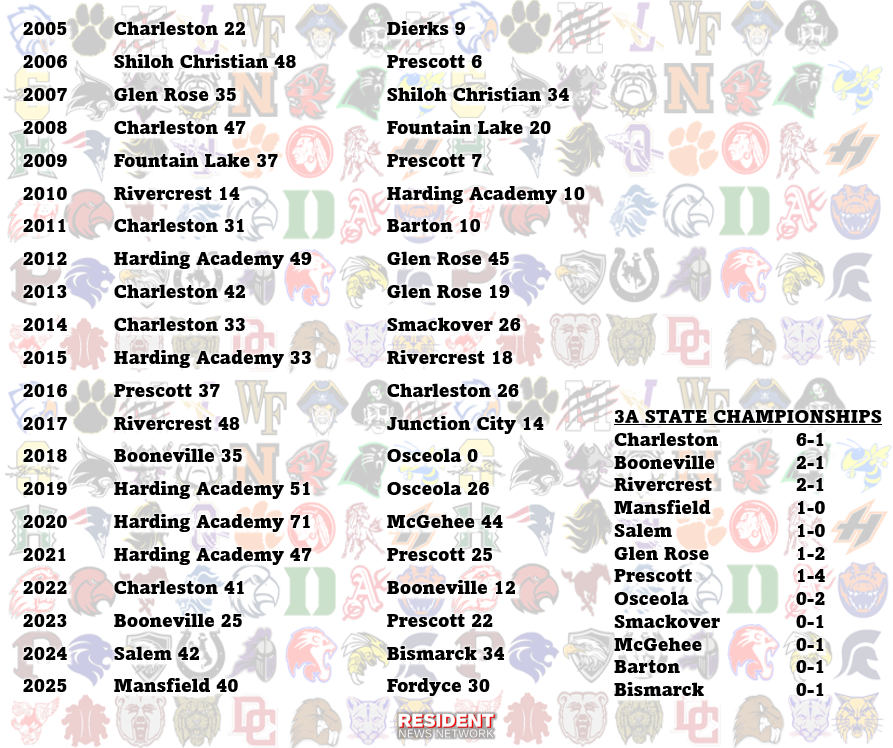
As for the “one and done” concept, many fail to see the overall picture. Yes, winning a State Championship is hard. Out of all of the 47 teams in the 3A for the 2026 season, only eleven current 3A teams have played at The Rock since 2005 and just six have actually won. Since Booneville will be moving up to the 4A, that leaves Charleston and Rivercrest as the only current teams to win the 3A State Championship more than once. Mansfield’s 2025 Championship puts them in the company of Salem, Glen Rose, and Prescott as one-time winners. That means every 3A team will start 2026 with a 2.13% chance to make a trip to Little Rock.

The overall picture that the skeptics seem to be missing though, is the mindset in Mansfield’s football program itself. The Tigers have gone 36-6 since Overton arrived in 2023 and boasted a 85.7% winning percentage. It’s hard to be a “one and done” when you’ve gone through three years and won. Even with all that amazing math and the accolades achieved, some could still say that Mansfield’s fans are living in the past. If that is the case, then here’s a stat that helps boost the future. Mansfield’s Junior High and Senior High combined for a 24-0 record last season. To put that into perspective, combined wins in the SR High from 2018 until 2023 were 25. So even though losing the likes of Andrew Burton, Zander Walters, Alex Hecox, Cooper Edwards, Ethan Martin, Joseph Carter, Cadien Ore, James Bausley, Matthew Burton, and Logan Ore will be challenging, the Tigers will still have years of talent and depth to work with going into 2026.

As the 2026 spring practices come to a close, Coach Overton and his staff will continue to have the Tigers focused on success. The players will have the weight of Mansfield’s previous three years on them and naysayers in their ears all summer so focus will be key. As for the skeptics, let them continue to skepticize. After just a week of spring practices, one thing is definitely clear: the Tigers aren’t looking to slow down any time soon. The weight room is still pumping, the players are still hungry for more, and the planning for 2026 hasn’t stopped since the clock hit 0:00 on December 15th, 2025. Coach Overton along with assistant coaches Layton Robinson, Trevon Moore, Keith Stovall, and the staff’s newest addition, Jace Benesch, will not be holding lower expectations in 2026. The Mansfield Tigers skipped past the skeptics in 2023, doubled down on the doubters in 2024, and turned all of the nay-says into hoo-rays in 2025. Now, Mansfield is looking to leave nothing left for the Negative Nancy’s to nix in 2026.

Arrest Reports 5/17/26

This content is reserved for RESIDENT INSIDER members.

Please or subscribe to view.

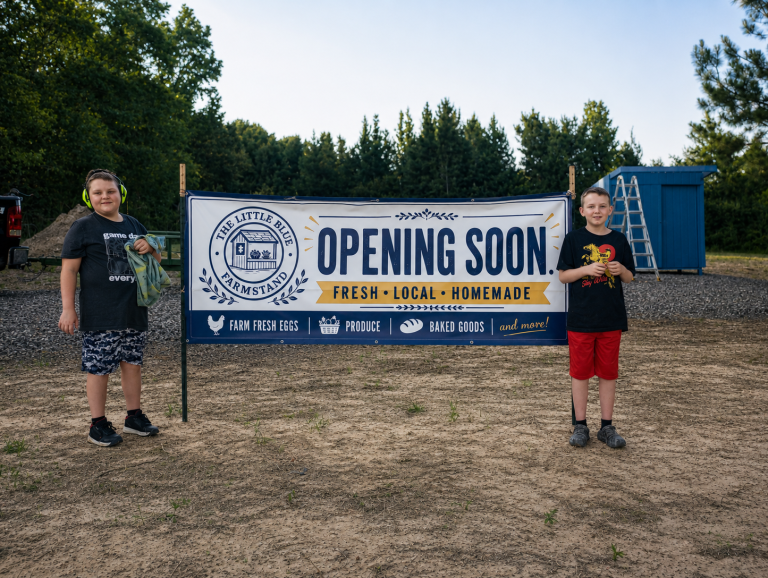
The Little Blue Farmstand

A new hometown farmstand is opening it’s doors in Greenwood this June, bringing fresh food, homemade treats, and an inspiring mission to the community.

The Little Blue Farmstand will officially open on June 1st at 1414 W. Denver in Greenwood, offering a self-serve shopping experience filled with farm fresh eggs, firewood, seasonal produce, homemade goodies, and more. Customers can stop by and shop at their convenience, with payment options including cash, PayPal, Cash App, and Venmo.

More than just a farmstand, the project was created for brothers Treyven and Truett Stimac, ages 9 and 11, who both have profound nonverbal autism. The farmstand is designed to help the boys learn valuable job and life skills while giving them opportunities to become active members of their community.

Family members say the stand is built around simple values — hard work, kindness, and creating meaningful opportunities in a warm and welcoming environment.

The community is invited to stop by, support local, and help celebrate the grand opening of The Little Blue Farmstand on June 1st.

Franklin and Sebastian County Extension office offers ServSafe Manager Course

ServSafe has been the industry standard since 1919 in training millions of people how to receive, store, prepare, and serve food safely. Through the Cooperative Extension Service, we offer training and certifications for the ServSafe Food Handler, ServSafe Manager, and ServSafe Instructor & Proctor programs. The Arkansas Department of Health is now requiring each food service facility to have at least one supervisory employee who has Certified Food Manager training.

 A ServSafe Certified Food Manager Course will be offered on Monday, June 29th at the Franklin County Extension Office located at 300 Airport Road in Ozark, AR. The training will take place beginning at 9:00 a.m.. The course will cost $140 for New Managers and $60 for re-certifications. The course cost pays for the book and the exam. Participants who pass the exam will receive a ServSafe Food Manager Certification good for five years. All participants must pre-register and pay by June 15th.  Class size is limited. Once the ServSafe books are distributed, they are non-refundable.

If you have any questions or would like to register, please contact the Franklin County Extension Office at 479-667-3720 or email Casey Ford at cford@uada.edu.  You can also contact the Sebastian County Extension Office at 479-484-7737 or tbolton@uada.edu.  Persons who require ADA accommodation, language and/or interpretation services for your ServSafe course instruction, and/or examination should notify the County Extension Office as soon as possible prior to the activity. The University of Arkansas System Division of Agriculture is an equal opportunity institution.  If you require a reasonable accommodation to participate or need materials in another format, please contact the Franklin County Extension Office as soon as possible.  Dial 711 for Arkansas Relay.
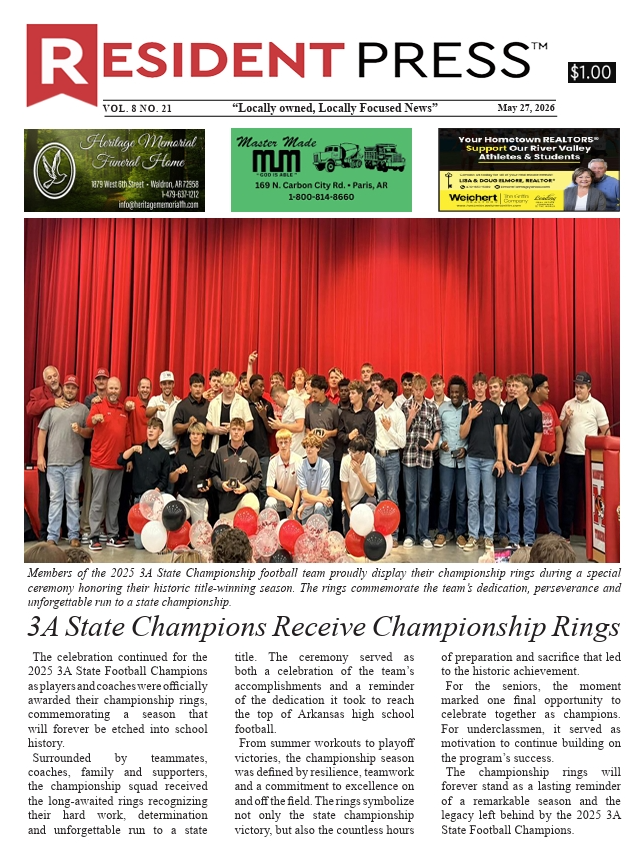
Resident Press (Scott & So. Sebastian County edition) 5/27/26 Vol. 8 No. 21

This content is reserved for RESIDENT INSIDER members.

Please or subscribe to view.

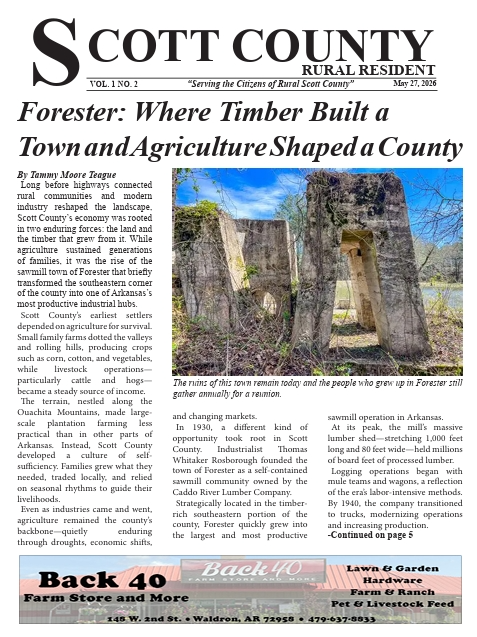
Scott County Rural Resident 5/27/26 Vol. 1 No. 2

This content is reserved for RESIDENT INSIDER members.

Please or subscribe to view.

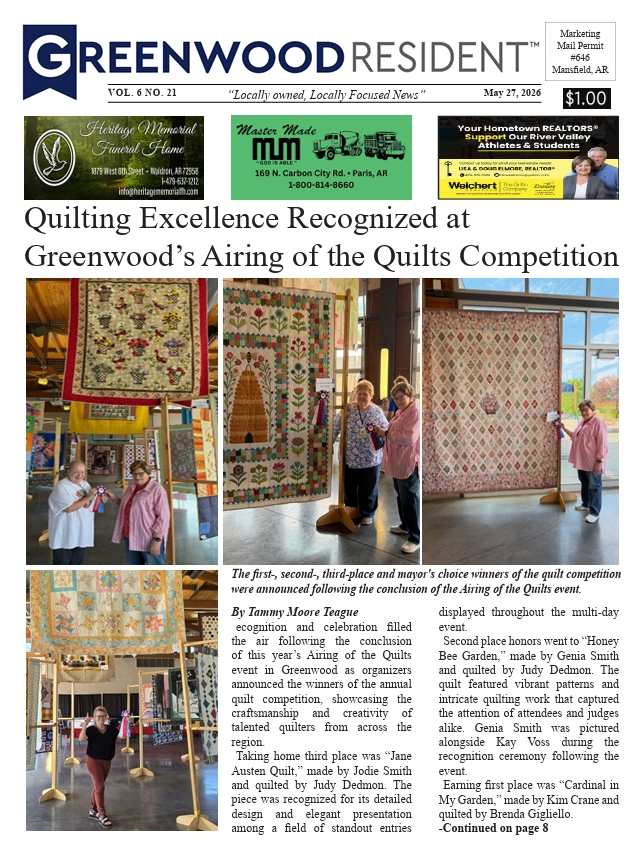
Greenwood Resident 05/27/26 Vol. 6 No. 21

This content is reserved for RESIDENT INSIDER members.

Please or subscribe to view.