

Obituary: Ethel Marie Hutchens Horn (1929-2025)
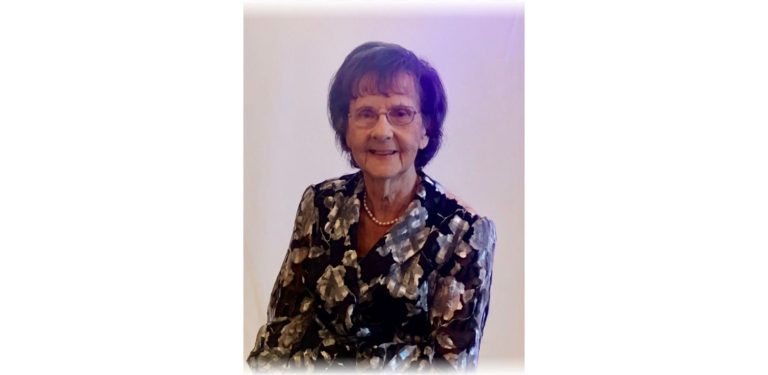
Ethel Marie Hutchens Horn, a beloved mother, grandmother, great-grandmother and aunt,
passed away peacefully on June 7, 2025, at the age of 96. She was born on March 17,1929, in Waldron, Arkansas. Ethel was a godly woman who loved the Lord and her family and set an example for her children, grandchildren and great-grandchildren that will lead them all of their lives.
Ethel was born in Waldron, Arkansas on March 17, 1929, to the late Lewis Stanley Hutchens and Bessie Isabell Self Hutchens. She was married for 67 years to the late Wayne Marion Horn. Ethel lived in Waldron and Scott County all of her life before moving to Edmond, Oklahoma in 2016.
Ethel was preceded in death by her husband, Wayne, in 2016, her parents, her siblings Lester (Callie) Hutchens, Frank (Willene) Hutchens, Floyd Hutchens, Alta Pearl Hutchens, her half-siblings Lora (Vestal) Williams, Leonard (Thelma) Hutchens, Elsie (Orval) Glass, Ruth Taylor and two grandchildren Wesley Horn and Kimberly Taff. She is survived by her children Ruth (Gary) Karraker, Mike (Luann) Horn, Philip (Leigh) Horn, and Trish Horn (Roger Farrell). She is survived by her grandchildren Lincoln Karraker, Eric (Lora) Karraker, Heath (Lacey) Horn, Tanner (Abby) Horn, Sam (Megan) Horn, Nathanael Horn, Evan Horn, Kurstin Thomas, Lily (Bryce) Gfeller, great-grandchildren Eli, Oliver, Barrett, Judge, Navy, Halle and step-grandchildren Cameron, Carrie and Collin Farrell. She is also survived by her sister-in-law Vetra Hutchens and many loving nieces, nephews, cousins and friends.
Ethel loved her Savior, the Lord Jesus, with all her heart, and she loved God’s Word.Though she was a humble, gentle woman, Ethel was a powerful prayer warrior and servant for Christ. Only heaven knows what a wonderful and eternal impact her many years of faithful living, witnessing and prayer have had on her family, her friends and those she met.
Ethel was known for her strong work ethic as well as her kindness, generosity and strength. She was an excellent student in school, graduating valedictorian of her 1946 graduating class at Waldron High School. She was an active member of the Waldron Nazarene Church, joining at an early age. She loved children and served in the church nursery, bringing along the next generation. In her working career, she held positions at the Bank of Waldron and Waldron Public Schools, and retired in 1991 as the Treasurer of Waldron Public Schools. To her family, no one could out-sew, out-cook, out-garden or out-work her with her talented and relentless determination.
Ethel was a special mom, grandmother, great-grandmother. She took a positive approach to life’s deepest challenges and guided her children in love. She supported them in their endeavors and encouraged them that anything was possible with God by their side. She truly exemplified what unconditional love was and what the power of God’s grace could accomplish. Her legacy is woven into the very fabric of their lives. Through her work, her laughter, and her love, she remains with us in countless ways, each a reminder of the full, beautiful life she led. She will be deeply missed, but her spirit will live on in every place and person she touched.
The family would like to extend special appreciation to the caring staff at Tealridge Memory Care and Trinity Hospice for their compassion and loving care.
A celebration of Ethel’s life will be held at 1:30 p.m. on Thursday, June 26, 2025 at the Waldron First Church of the Nazarene in Waldron, Arkansas. The family will receive friends and family following the service in the reception hall. In lieu of flowers, memorial donations may be made to Ethel’s home church, Waldron First Church of the Nazarene,1816 Rice St, Waldron, AR 72958.
A decade in, Arkansas Diamonds program continues to shine
By Mary Hightower
U of Arkansas System Division of Agriculture
Ten years later, the Arkansas Diamonds program is doubling down on its plant trials as it continues to parse the best plants for Natural State Gardens. The program is a partnership between the Arkansas Green Industry Association, the Cooperative Extension Service, local growers and independent garden centers. The emphasis has generally been on plants with vibrant blooms and foliage that fare well in Arkansas’ soils and climate.
Anthony Bowden, extension ornamental specialist for the University of Arkansas System Division of Agriculture, said that instead of a one-year trial period, new selections for the Arkansas Diamond program will have a two-year trial period.
The longer period allows “for a more comprehensive and reliable picture of the performance across variable environmental conditions,” Bowden said. “A single growing season may not capture the full range of stressors that influence plant health and ornamental value, such as unusually mild or extreme weather, pest outbreaks, or inconsistent rainfall.”
Reflecting the variety in Arkansas’ soils and microclimates, Bowden has 37 trial plots in 32 counties including plots at and Hope and Little Rock.
“Plant selection for trial purposes is a strategic process that prioritizes species and cultivars with demonstrated regional adaptability, commercial availability, and potential horticultural value,” Bowden said. “Preference is given to plants readily available from wholesale nurseries or breeding programs to ensure accessibility for growers and retailers if the trial results are favorable.”
Candidate plants are evaluated for durability under such stressors as heat, drought, poor soil fertility and their ability to resist insects and disease. Of course, aesthetic appeal and overall landscape performance are big factors too, he said.
“Feedback from industry stakeholders, including growers, extension agents, and retail garden centers, also informs plant selection to ensure the trials remain relevant to market needs and consumer preferences,” he said.
Bowden said Arkansas Diamonds are ones that can withstand the state’s high summer temperatures, varied rainfall patterns and soil types ranging from sandy loams to heavy clay.
These are plants selected to be brown-thumb-proof.
“Because the trials are designed to reflect low-input residential and public landscapes, plants are evaluated for performance with minimal irrigation, fertilization, or pest control beyond standard cultural practices,” he said. “Preference is given to plants that maintain ornamental value and vigor throughout the growing season under these conditions.”
So how does a plant reach candidate-hood for this program?
“Personally, I like selecting plants for the trial program that have performed well in the All-American Selection trial program across the country,” Bowden said. “That is about a rigorous process as it can get.
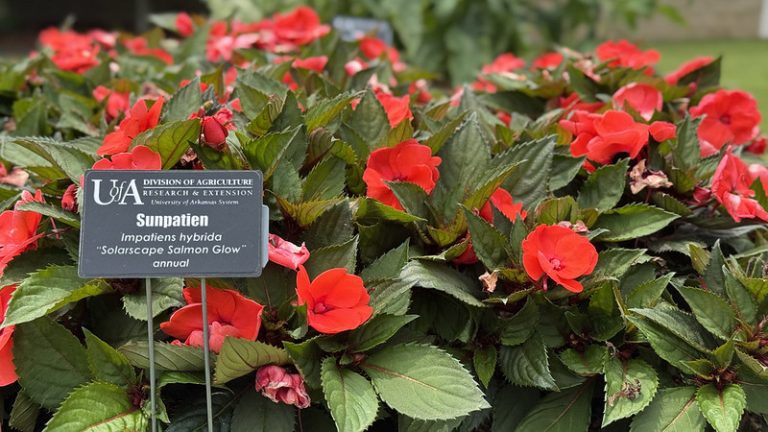
Bowden is currently testing four plants: an impatiens called ‘Solarscape XL Salmon Glow,’ a French marigold ‘Bonanza Flame,’ an ornamental pepper called ‘Quick Fire,’ and a ‘Pink Delicious’ tomato.
“For example, the impatiens that is in this year’s trial is an AAS winner from 2024 and it was an absolute showstopper in the garden at Hope last year as well as other trial gardens I visited at our neighboring universities, so I knew it needed to be evaluated on a statewide basis,” he said. “There hasn’t been a marigold Diamond selection in 10 years, so there was a need to evaluate a popular industry variety to see if it would make sense to be an Arkansas Diamond.”
Bowden has a new set of fact sheets about the four selections deemed “Best of the Decade,” are available for download from the Cooperative Extension Service site.
- Arkansas Diamonds Plants: Polka Dot, FSA6169
- Flamethrower Series Coleus, FSA6170.
- Arkansas Diamonds Plants: Silver Falls, FSA671
- Arkansas Diamonds Plants: Bubblegum®, FSA6172
The full list of Arkansas Diamonds can be found online.
To learn about extension programs in Arkansas, contact your local Cooperative Extension Service agent or visit www.uaex.uada.edu. Follow us on X and Instagram at @AR_Extension. To learn more about Division of Agriculture research, visit the Arkansas Agricultural Experiment Station website: https://aaes.uada.edu/. Follow on X at @ArkAgResearch. To learn more about the Division of Agriculture, visit https://uada.edu/. Follow us on X at @AgInArk.
About the Division of Agriculture
The University of Arkansas System Division of Agriculture’s mission is to strengthen agriculture, communities, and families by connecting trusted research to the adoption of best practices. Through the Agricultural Experiment Station and the Cooperative Extension Service, the Division of Agriculture conducts research and extension work within the nation’s historic land grant education system.
The Division of Agriculture is one of 20 entities within the University of Arkansas System. It has offices in all 75 counties in Arkansas and faculty on three campuses.
Pursuant to 7 CFR § 15.3, the University of Arkansas System Division of Agriculture offers all its Extension and Research programs and services (including employment) without regard to race, color, sex, national origin, religion, age, disability, marital or veteran status, genetic information, sexual preference, pregnancy or any other legally protected status, and is an equal opportunity institution.
Count some quail, tally some turkeys
By Randy Zellers
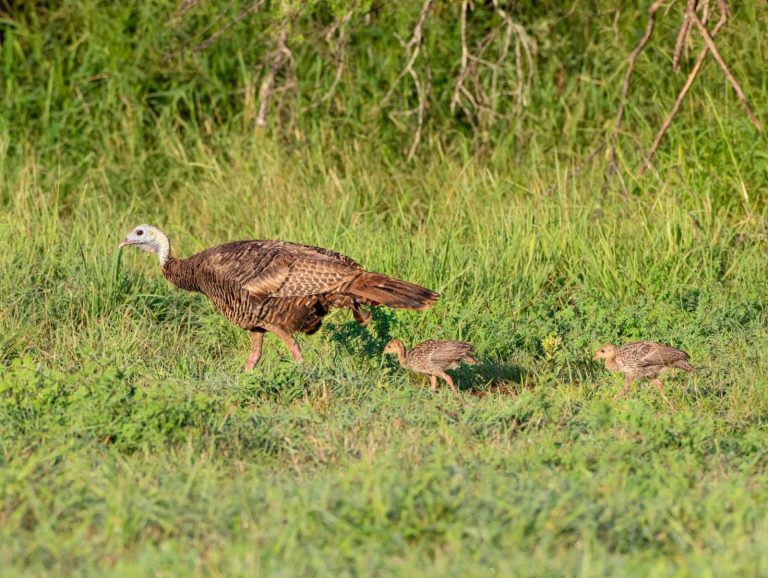
Turkey season may have ended in May, but there’s still good reason to keep the birds on your brain when you head out to your favorite hiking trail or drive the backroads of The Natural State. Conservation-minded individuals can help the AGFC keep an eye on this year’s turkey reproduction by participating in the AGFC’s Annual Wild Turkey and Quail Population Survey, available via website at www.agfc.com/turkeysurvey.
Those hens that went to nest right at the peak of gobbling season should begin to pop out of the cover, guiding their brood of poults to bugging grounds, and this is the best time to gauge the success of this year’s hatch. If you happen to bump into any turkeys, male or female, during your adventures, the AGFC wants to know.
AGFC Turkey Program Coordinator David Moscicki says turkey brood surveys historically were conducted by biologists with the AGFC and partner organizations, but in 2019 the survey was opened up to include input from the general public.
“AGFC biologists still record valuable brood survey data while they are conducting habitat work throughout the state this time of the year,” Moscicki said. “In the last five years, the addition of public sightings has helped paint a more complete picture of the hatch. It also helps us gauge the success of habitat work as well as locate areas that may have seen a decline where we can focus future habitat efforts.”
Data shared in the survey will be generalized across counties or regions, so hunters or other observers providing specific coordinates can submit without fear of giving away their personal hotspot.
Participants are also encouraged to note the size and look of broods they see. The AGFC’s reporting system includes a handy visual guide to help estimate the age of young birds. This can be used to calculate when they hatched and when the hen first began to nest. This information is critical to decisions on hunting season dates and management activities.
“Turkey and quail hunters play it close to the vest when it comes to what they’re willing to share,” Moscicki said. “So we do everything we can in the survey to protect any information about locations of birds and sightings. The more specific location information people are willing to provide, the better it can be used to focus our conservation efforts.”
Any coveys of quail you may scare up are welcome in the survey as well.
Clint Johnson, AGFC Quail Program coordinator, said the focus on giving accurate locations is extremely important when submitting reports of quail coveys and hens with quail chicks.
“Quail populations are a bit more patchy throughout the state than turkeys,” Johnson said. “Quail can be found in every county in the state, but some areas have healthier populations than others. We want to identify those patches and focus our habitat efforts to strengthen them. The data also will help us verify any population increases in areas where habitat work has taken place to show us that we’re on the right track.”
Visit www.agfc.com/turkeysurveys to learn more about how you can help monitor Arkansas’s turkey and quail populations.
Big catfish donation adds smiles for community anglers across Arkansas
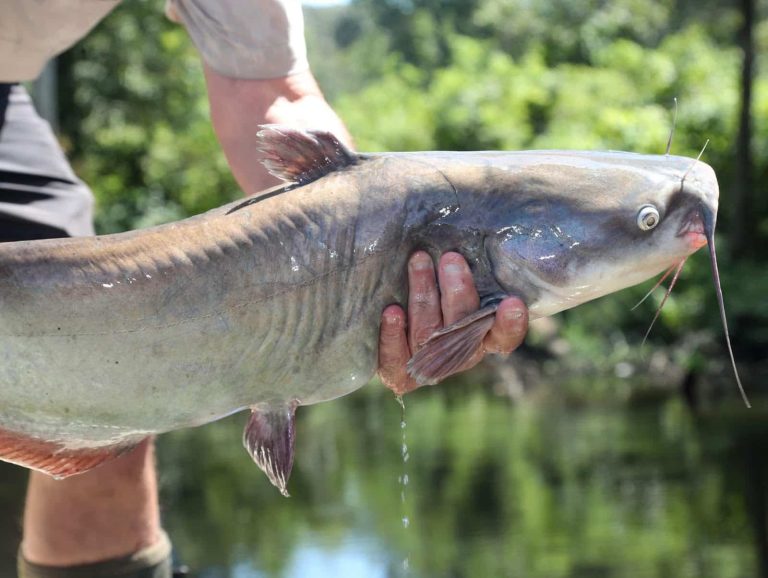
Arkansas Game and Fish Commission Family and Community Fishing Program locations will see some hefty bonus catfish stockings this week, thanks to a generous donation by Baxter Land Company Fish Farm in Desha County. Thousands of catfish ranging in size from 5 to 45 pounds will be hauled to program ponds. The total donated weight of catfish is expected to exceed 20,000 pounds.
Dick Baxter, who was named the Arkansas Catfish Farmer of the year by The Catfish institute in 2023, said most of the fish are in the 5- to 7-pound range, but there are some jumbo-sized blue catfish that will definitely add some excitement for anglers fishing community ponds throughout the state. “The biggest one I’ve seen so far is about 45 pounds, and I wish I could be there when some kid hooks into that fish and has the time of their life,” Baxter said.
The fish were grown to be used in the farm’s spawning ponds and are past the preferred size for most food markets, but they still hold a lot of value in other commercial markets. Baxter hopes the fish pay much higher returns in the future of conservation.
“I really just think it’s important to get new people involved in conservation, and you have to get people excited about hunting and fishing to do that,” Baxter said. “If you take a kid to a pond and they don’t catch anything, they may not know how fun the outdoors can be, but if they go to a public pond and they hook into one of these fish, we may have just created a future biologist or supporter of the outdoors. I think we need more of those experiences everywhere in the state.”
Jason Miller, AGFC Assistant Chief of Fisheries, said this is the fifth time Baxter has donated fish to the anglers of the state. “These fish could still bring Baxter some good profit, but he’s always had a great relationship with us and these donations give us something that we don’t provide through our hatcheries. He’s donated well over 100,000 pounds of fish over the years for people to catch.”
Miller said catchable-sized catfish AGFC hatcheries provide anglers at FCFP locations range from three-quarters of a pound to two pounds because that size provides the best combination of value and numbers for anglers to pursue. “It would require too much pond space on our hatcheries and food to regularly grow fish to this this size for stocking, so this is a treat that we don’t get to offer very often,” Miller said.
Clint Coleman, Assistant FCFP Coordinator, said he can always tell when the big blue catfish come to program ponds by the calls and reactions of regular anglers. “We get calls from anglers and people send in pictures of their big catches,” Coleman said. “People really get a kick out of fighting these bigger fish, but I’d suggest bringing a dip net along on your next fishing trip or two to the ponds. More than one angler has hooked into one just to have it break his line right at the bank when he finally got it within reach.”
Baxter offers this bit of advice for anglers looking to hook into one of these fish. “Be sure you have at least 20-pound-test fishing line and a 3/0 circle hook,” Baxter said. “Suspend the bait about a foot under a bobber and make sure the drag on the reel is loose. Bring a kid and get ready to have a great time.”
Visit www.agfc.com/familyfishing to find a FCFP location near you. Aerial views of the ponds and the most recent stocking dates are available through the program’s web page.

Sharla Derry Honored and Sworn In as ACCRTA Secretary: A Milestone Moment in a Dedicated Career
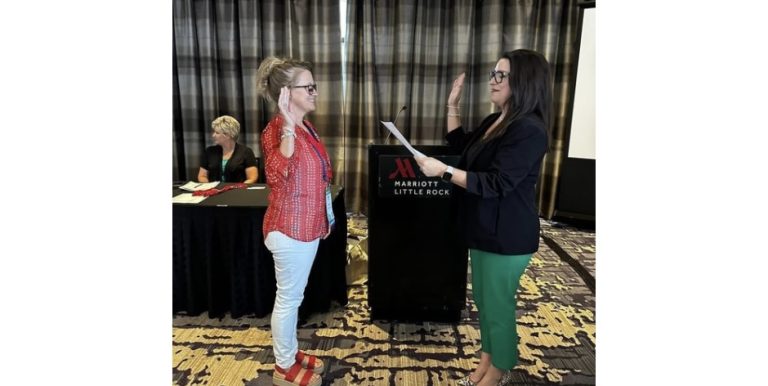
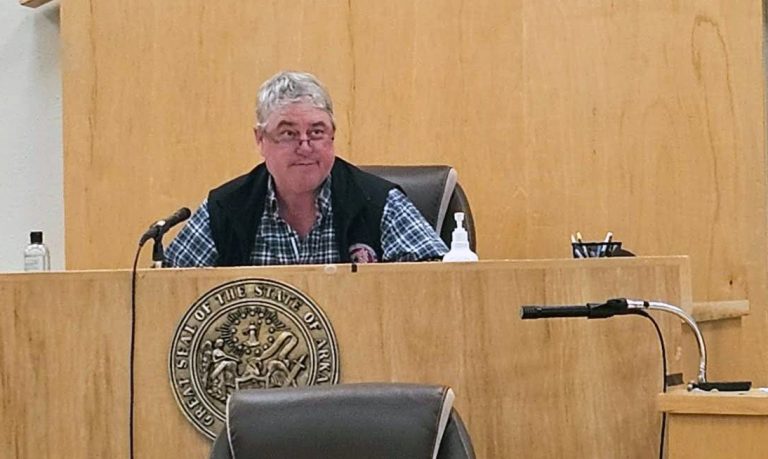
Reciting the Oath of Office as Secretary for the state ACCRTA Arkansas City Clerks, Recorders, and Treasurers Association
Greenwood, AR — June 18, 2025
Yesterday marked a milestone in the distinguished municipal career of Sharla Derry, City Clerk/Treasurer of Greenwood, as she was officially sworn in as Secretary of the Arkansas City Clerks, Recorders, and Treasurers Association (ACCRTA). The ceremony, which celebrated not only Derry’s new leadership role but also her enduring commitment to public service, highlighted her unwavering dedication to good governance and community support.
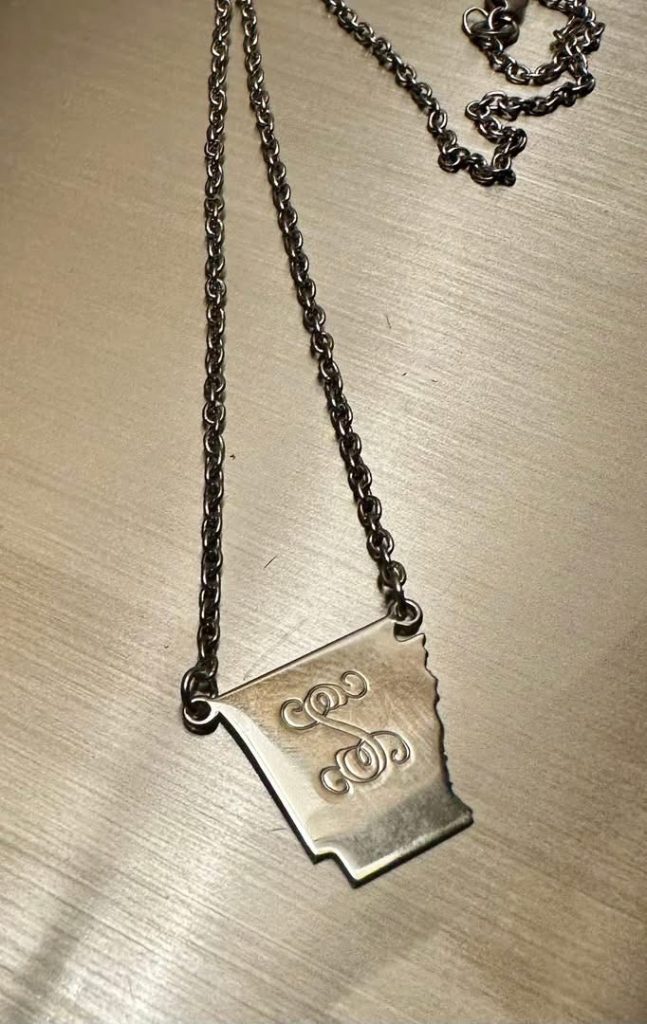
In addition to her appointment, Derry was also recognized for her decade-long commitment to continuing education with the Municipal Clerk’s Institute. As a token of appreciation, she received a charming Arkansas-shaped necklace—symbolic of her connection to and service across the state.
“I am grateful to the people that have trusted and elected me to this profession,” Derry said. “Seeing how much this organization assists the officials in hometowns all over our state who are just trying to make sure they do things right—that’s the fire that motivates me.”
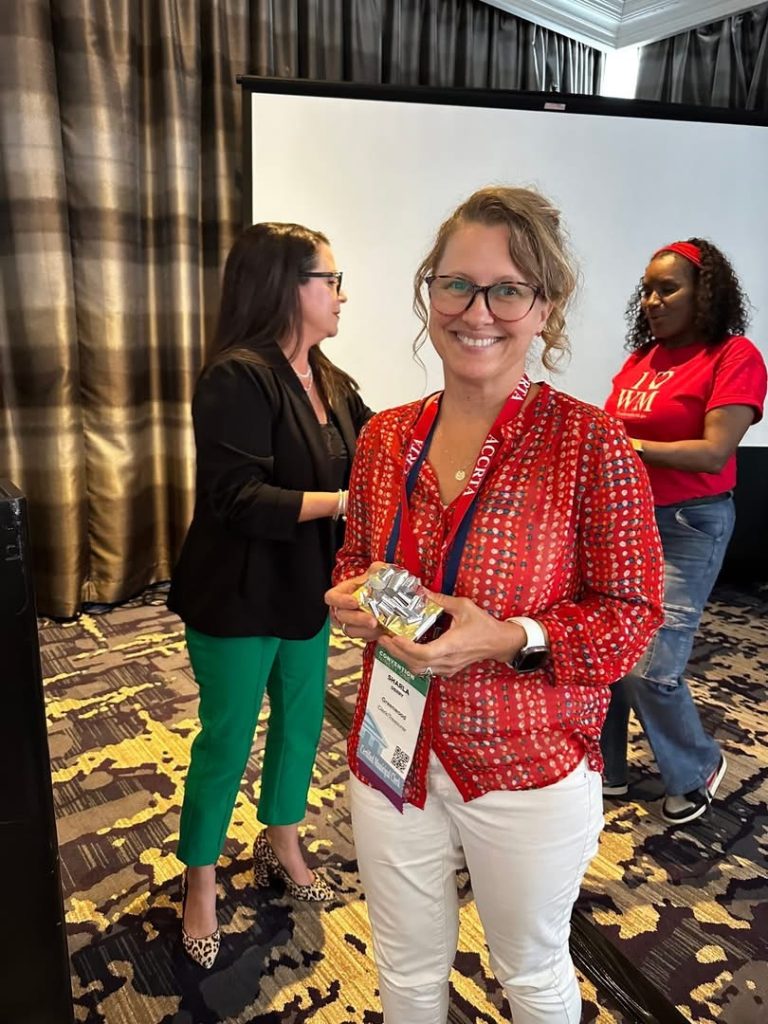
Derry’s journey into city government began in 1998 when Donna Leonard offered her the initial opportunity to work for the City of Greenwood. Her path toward elected office began in 2012 when then-City Clerk Wilma Cabe encouraged her to run, supported by the belief of former Finance Director Dallas Melvin. The rest, as she graciously acknowledges, is thanks to the people of Greenwood who placed their trust in her.
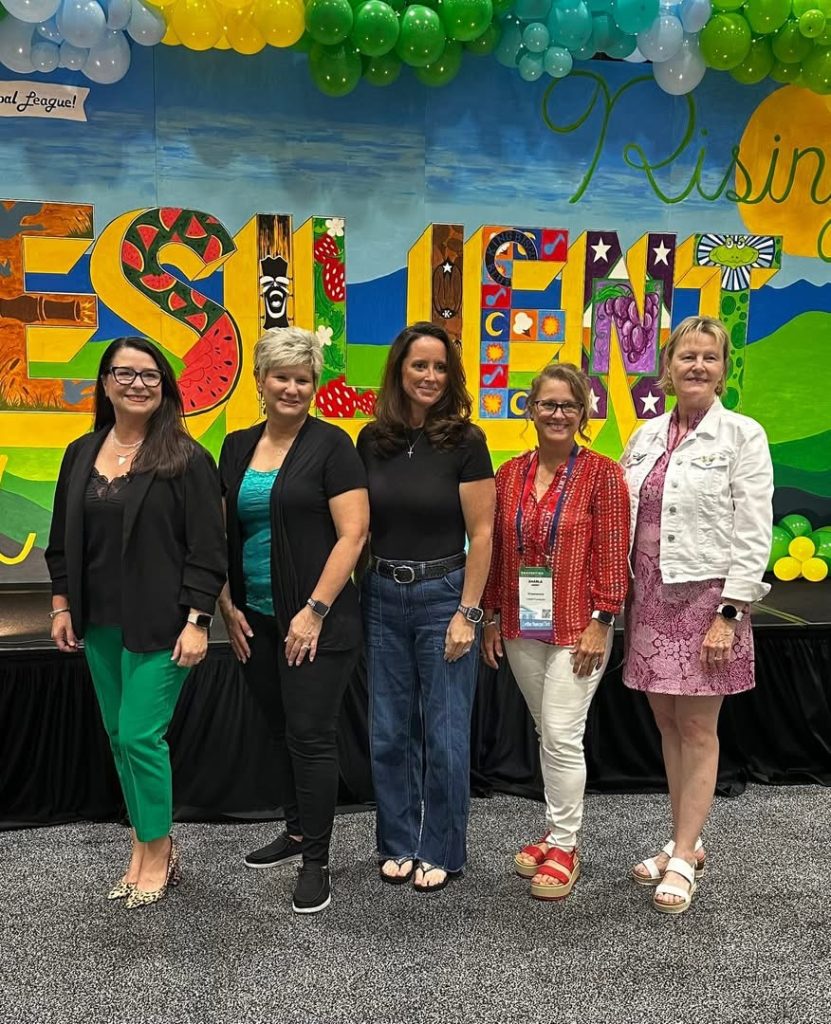
“It takes a village,” Derry reflected. “And I am so thankful for the support system that has brought this opportunity to life.”
Her new role as Secretary of ACCRTA positions her to support and guide city officials throughout Arkansas. Known for its strong network of mentorship, resources, and training, the association plays a vital role in strengthening municipal operations statewide.
“Thank you to the leadership of ACCRTA for trusting me to help lead,” Derry added. “I won’t forget who got me here. I’ll keep doing what’s right, and I’ll keep working to make everything around me even better.”
As Derry continues to lead with integrity and heart, Greenwood and the greater Arkansas municipal community stand to benefit greatly from her servant leadership and steadfast resolve.