



The Capital Report
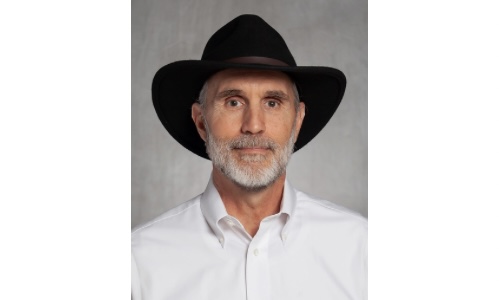
by Rep. Wayne Long
Audit Committee Findings and Issue 3
Arkansas’s Legislative Audit Division reviews the financial reports of cities, counties, special districts, schools, and state agencies to ensure taxpayer dollars are properly accounted for and not stolen, misused, or misspent. Serious findings are not unusual. In fact, we see them at Legislative Audit Committee meetings every month. The following are just two recent examples.
Mineral Springs
In the City of Mineral Springs, auditors reviewed $190,855 in credit card transactions made by the city’s Recorder/Treasurer and flagged $174,309 as improper. That included $92,040 spent on online gambling and $36,946 on personal purchases such as groceries, clothing, and streaming services. Auditors also found $55,931 in improper payments consisting of; undocumented travel reimbursements, duplicate reimbursements, and $33,479 in improper payroll disbursements. The Recorder/Treasurer resigned on November 5, 2025, and was later charged with felony theft of property and tampering with a public record.
Chicot Drainage District and Water System
Auditors found that $206,616 was paid to the bookkeeper or the bookkeeper’s privately owned business beyond authorized amounts and without adequate documentation. Additionally, $10,405 in customer payments were never deposited into the department’s bank account.
Another business owned by a Water System board member, received $167,698 without a contract or formal board action; $153,035 of those payments lacked adequate documentation. The Water System neglected to obtain a required rate study, therefore was placed in fiscal distress in July 2025. The bookkeeper was charged with theft of property on June 23, 2026.
In both cases, the charges are allegations, not findings of guilt.
What does this have to do with Issue 3?
On November 3, voters will decide Issue 3, a constitutional amendment that would let the cities, counties and cooperatives create economic development districts. Those districts could issue bonds, levy certain taxes, and receive public funds for projects without being subject to the state’s existing constitutional debt limits.
My greatest fear is that if Issue 3 becomes part of our constitution, it will open the door to corruption on a massive scale and require many more auditors to uncover the kinds of problemsseen in these two examples.
A constitutional amendment should never be approved on promises alone. Before November 3, voters deserve clear answers about who will oversee these economic development districts, how public funds will be protected, and who will be held accountable when things go wrong. If existing oversight has failed to prevent serious financial abuses in smaller public entities, why should taxpayers assume that larger, more complex projects will be any different?
Once these powers are written into our constitution, the consequences could last for generations.
Before giving government new ways to borrow, spend, and put public money at risk, we should demand stronger safeguards—not simply hope for the best.
More on Issue 3 in my next article.