
72.6 F
Fort Smith
Sunday, July 12, 2026
Home Blog Page 590

Teaching in the Pandemic Age

By Dr. Curtis Varnell

The pandemic has called for changes in local education.  Many of our students are being educated totally through virtual communication.  Others have faced two to four weeks and/or multiple days of virtual education from quarantine or school closure for cleaning and sterilizing.  Nothing about this situation has been easy for our students or our teachers. 

Many teachers are struggling to provide both classroom and virtual lessons- a task that nearly doubles their class preparation time.  Students are struggling; trying to learn chemistry, geometry, and literacy without face to face interaction.

One positive from this situation is that schools and teachers are becoming more and more creative in the presentation of good sound lessons for our children.  Six months ago, the terms zoom, sandbox, meeting rooms, dashboards, and STAR had totally different meaning to us than they do today. All are methods of presenting virtual lessons and making them as much student interactive as possible.

Guy Fenter Education Service Cooperative has been busy assisting teachers in keeping up with the virtual world.  Across the curriculum, staff has worked with district teachers to upgrade computer skills, to develop appropriate grade-level lessons, and to assist teachers in reaching those students who need special assistance.

One of the more innovative approaches was developed by Amber Cobb, science specialist at GFESCS.  Early on, she and fellow specialists Dr. Curtis Varnell and Mr. Brian Schuller developed a booklet of AT HOME science activities that parents could do with their children at home using common household materials.  They also developed several outdoor field trips which allowed students to virtually visit and explore local science locations such as Magazine Mountain trail, caves, and archeology sites.

Taking it a step further, Mrs. Cobb contacted national and state organizations seeking assistance that would promote student interest and participation while providing exceptional educational opportunities for children. 

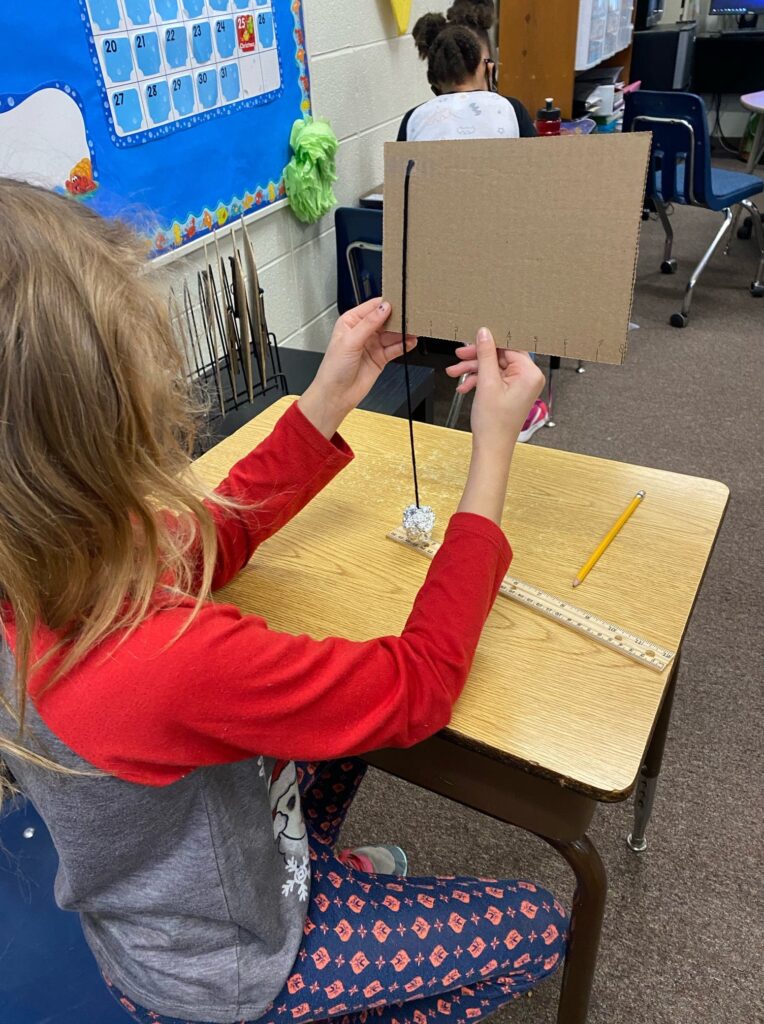
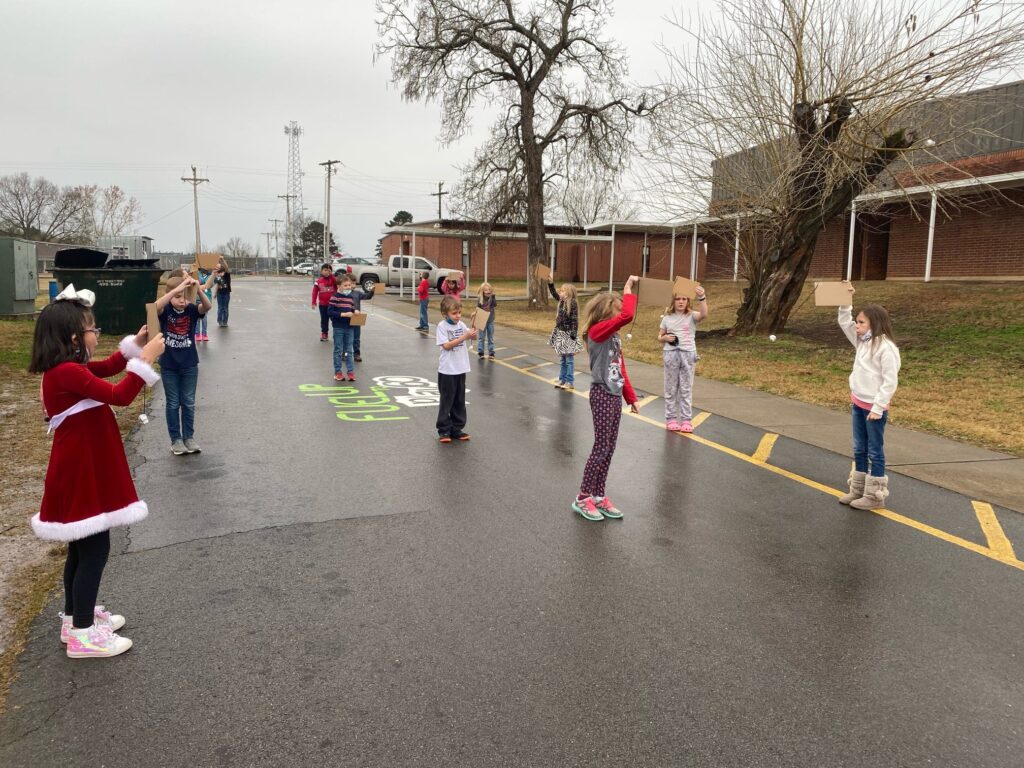
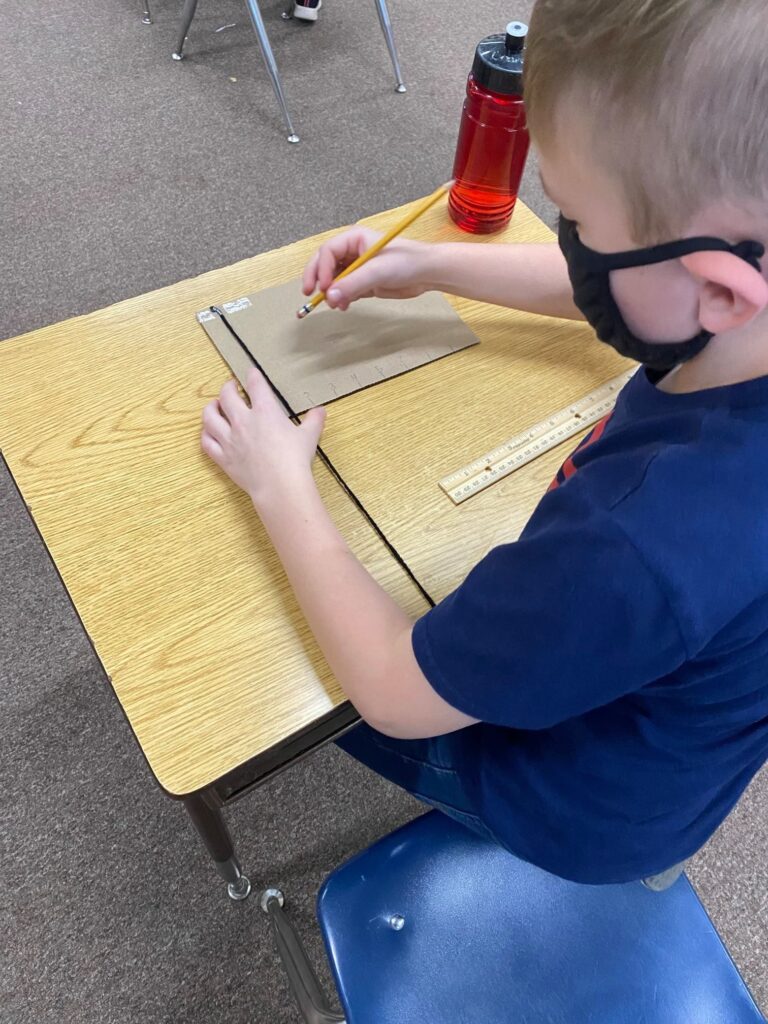
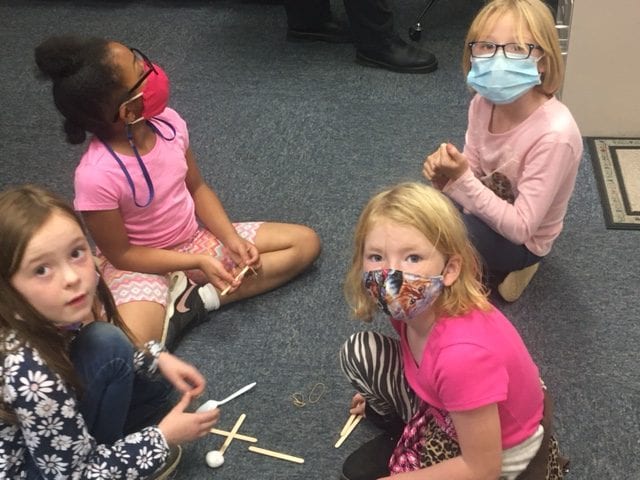
Her first learning partner was NASA.  Working with the educational arm of the space administration, GFESC set up grade level sessions that included talks by NASA experts and the presentation of lessons.  Taking the lesson a step forward, GFESC provided classroom and individual materials so that students could carry out the activity as the NASA expert demonstrated it on line.  The first grade NASA lesson was on weather.  Students worked along with the NASA expert to make weather instruments that they used at home or school.  Lessons for older students included activities about the moon, about rockets, and about Mars.

More than two-thousand area students from twenty-two school districts have participated in the NASA lessons.  Future presentations available for students include lessons from NASCAR, from the National Zoo, and from Arkansas Game and Fish. 

Even in the strange educational time, teachers are finding unique and interesting ways to keep kids involved in the learning. 

Area participating schools include Charleston, Paris, County Line, Clarksville, Lamar, Fort Smith, Greenwood, Hackett, Waldron, Magazine, Lavaca, St. Josephs, Booneville, Cedarville and others.
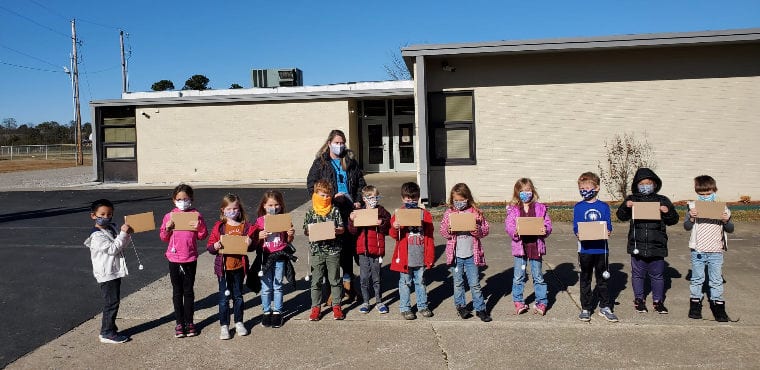
Second grade Paris Elementary students
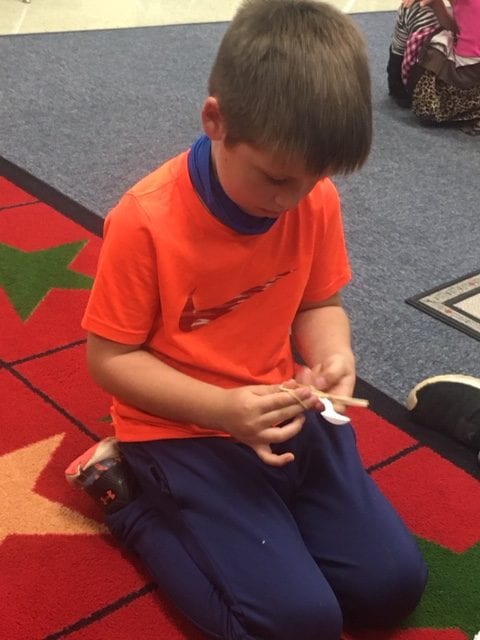
Paris Elementary student Lucas Varnell works on a science project.
A Magazine Elementary student checking for wind direction.
Magazine Elementary first grade students
Working on weather instruments

Ways Firefighters Help the Community

Everyone knows that firefighters help the communities they serve by mitigating and putting out fires—It’s in the name, after all. However, some people may not realize the many other ways that firefighters help serve the areas that they work in. Familiarizing yourself with the many ways firefighters help the community may help you gain a deeper appreciation for these real-life heroes.

Providing Medical Assistance as EMTs and Paramedics

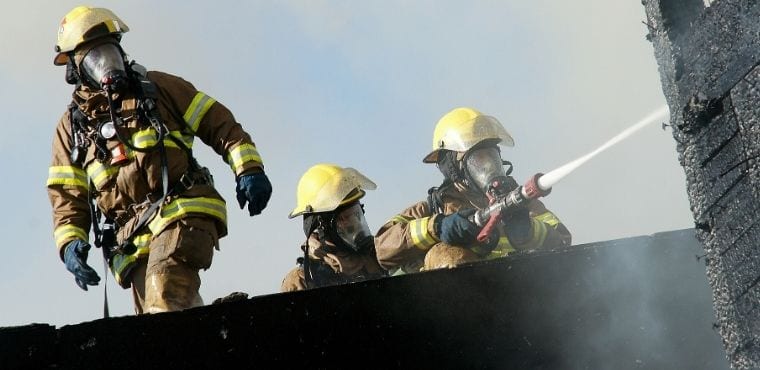
One of the main ways firefighters help the community is by providing medical assistance. These multi-talented folks are trained to provide emergency care as both EMTs and paramedics. In fact, the majority of calls that firefighters receive aren’t even fires—they are medical emergencies.

In such cases, firefighters act as first responders and provide immediate treatment before transferring the patient to the hospital for further care. The next time you see a fire truck rushing off somewhere, don’t automatically assume it’s a fire. There is a good chance that it is on its way to a medical emergency.

Educating the Public

Firefighters also serve as valuable educators in the communities they serve. Often, firefighters take the time to venture out to schools or nursing homes and provide insightful public education regarding fire prevention. In some cases, firefighters may even visit people’s homes and conduct an evaluation of the fire equipment and hazards on the property.

Rescuing Animals in Need

It turns out that the stereotypical idea of a firefighter rescuing a cat from a tree isn’t too far off the mark. Yet another way that firefighters serve their communities is by helping rescue animals in need. While a firefighter’s top priority is helping their fellow humans, they also do everything they can to find and treat pets whenever possible—from providing CPR to rescuing a cat that got stuck on a roof.

Specializing in Specific Emergency Situations

There are many different types of firefighters that specialize in responding to a variety of different emergency situations. For example, wildland firefighters are specifically trained to prevent, control, and extinguish wildfires while firefighters located near large bodies of water will likely specialize in water rescue and marine fire services. To best assist their communities, firefighters develop highly varied skillsets and expertise based on the needs of the location they serve.

Obituary – Charles Linden Byers (1954 – 2020)

Charles Linden Byers of Waldron, Arkansas passed from this life, Monday, December 7, 2020 in Benton, Arkansas. Linden was born December 31, 1954 in Mena, Arkansas to Charles “Bill” Byers and Frankie Lee (Myers) Byers. He was 65 years old. Linden was a member of Parks Baptist Church.

Linden was a quiet man. Linden worked for Tyson Foods Waldron for 25 years before retiring. He was married to the love of his life, Stacy Byers for 23 years before she went to Heaven to wait on him. Linden loved tinkering with things as he was a mechanic by trade, he loved to help his friends, and he loved to spend time with his family.

Linden leaves behind to cherish his memory, two sons: Robert Byers and Joseph Byers both of Waldron, Arkansas, one sister, Linda Kizer of Benton, Arkansas and one brother, Billy Byers of Waldron, Arkansas. Linden will be missed by all that knew him and the many whose lives he impacted including a host of extended family, friends and loved ones.

Linden was preceded in death by his wife Stacy Byers, his parents Bill and Frankie Byers and one brother, Donnie Byers.

Linden’s life celebration will be 11:00 a.m., Friday, December 11, 2020 at the Heritage Memorial Funeral Home Chapel in Waldron, Arkansas with Rev. Pat Ray Biggs officiating. Arrangements and cremation are being entrusted to the Heritage Memorial Funeral Home in Waldron, Arkansas.

Linden’s visitation will be 9:00 a.m. until the funeral hour Friday, December 11, 2020 at the Heritage Memorial Funeral Home Chapel.

To send flowers to the family or plant a tree in memory of Charles Linden Byers, please visit our floral store.

How to Bleach a Tee

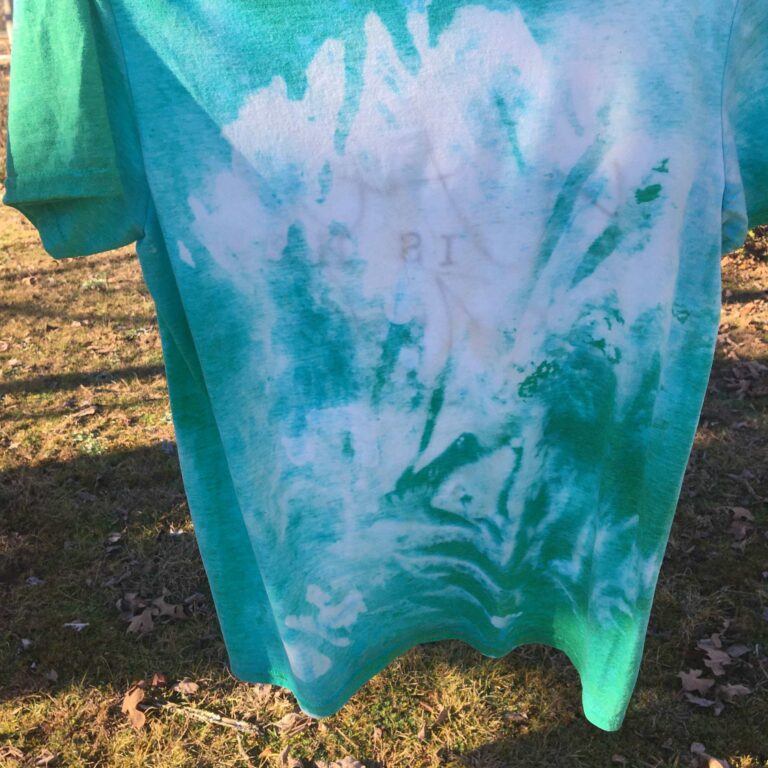
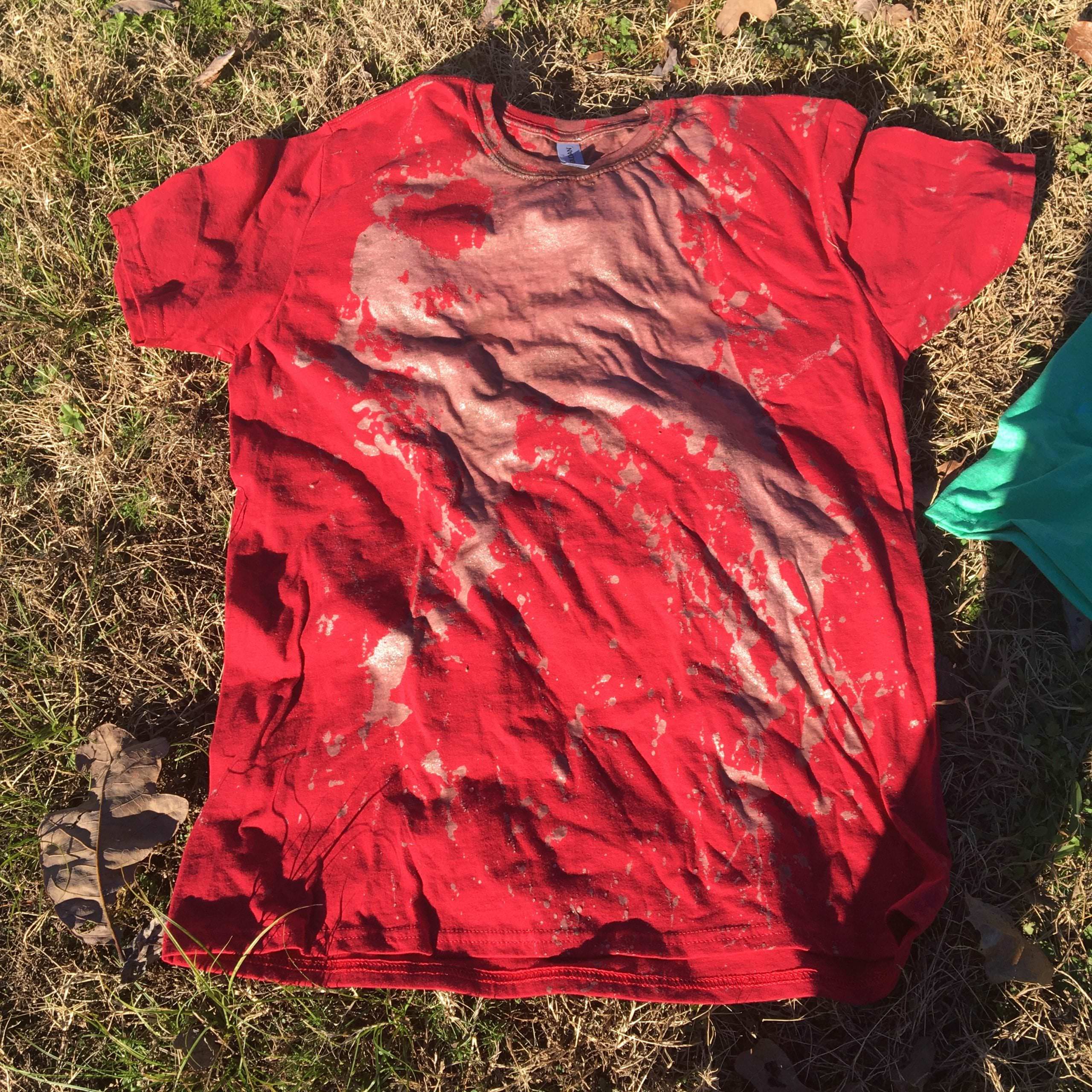
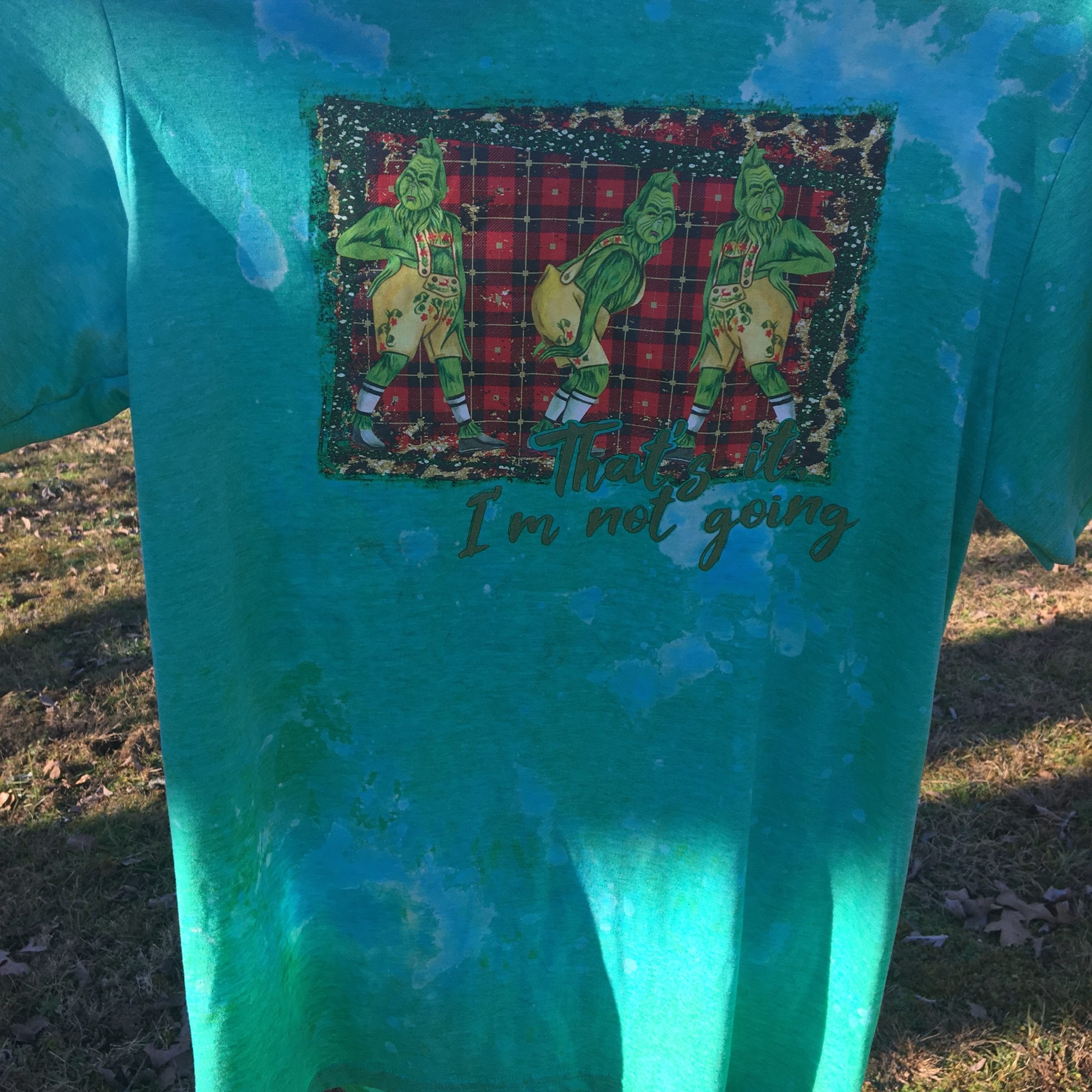
Something we were all avoiding last year has become a trend- bleach stains on tees. While I don’t jump in for most trends, I do genuinely love a bleached tee; and beyond that I love the act of applying the bleach and watching the color change. I’ve done it several times now and have some tips to share!

To begin select a tee with some cotton, a 100% polyester tee will remain unchanged. Bleach does nothing to polyester (bonus tip for using bleach and NOT staining- wear polyester), it works with the cotton fibers.

Last tip before I share how is decide how bleaching works for you- a spray bottle, dumping a jug, splashing out of the jug. I splash/dump. But a spray bottle could give a really neat effect for a more subdued and small splashes. Another idea would be using a paint brush or stencil to better move the bleach around.

Sunshine speeds up the bleaching process and lightens the color of the tee further. I’ve never tried bleaching without sunshine, I simply don’t recommend it. While the bleach would still react, it likely would have a duller effect.

Instructions

1. Before beginning grab a bucket and fill with water and a splash of peroxide, this will stop the bleach reaction. Also have your washer ready to throw the shirt in.

2. Lay your shirt in a sunny spot and apply your bleach. If you are concerned about the back getting too much, add a piece of cardboard in the middle of the shirt, and do the back side separately. For a very bleached effect skip this step.

Not all shirts will bleach white, it’s a fun guessing ga

3. Wait and watch- the bleaching will happen before your eyes. It’s actually difficult to know what color a shirt will turn, and many will not go to a true white. Watch your shirt until a color you like is achieved. Anything over 20 minutes is going to result in your tee getting holes from the bleach very quickly. This is due to the breakdown of the fibers.

4. Douse your shirt in the water/peroxide mixture and swish around. It will fizz instantly and help the bleach stop. It should also help your shirt be less weak since the bleach is no longer effective.

5. Wash and dry as soon as it is removed from the peroxide.

Shirts can be bleached with screen prints or sublimation shirts already applied!

New Year, Same Traditions

With the New Year just around the corner, and the most bizarre year ending; the majority of us are probably getting our minds on a better 2021. The beginning of a new year brings one thing for so many- resolutions. What is the source or New Years resolutions, though? Why are they such a tradition for the masses?

Reportedly the Babylonians were the first to celebrate the beginning of a year with resolution type goals. Some 4,000 years ago, though, the celebrations took place in March rather than January 1. This is when their crops were planted and the rationale for the year changing. Babylonians celebrated with a 12 day long festival called Akitu. They used this time to crown a new king, and make promises to their pagan gods. Ideally they believed this granted them favor for the new year amongst their gods. Historians consider this the first known evidence of New Years celebrations (and resolutions).

Many moons later in Rome, Julius Cesar made adjustments to the calendar and corrected to what we now consider the beginning of a year- January 1. The name January came from the Roman’s god “Janus”. Janus is described as a two headed creature with a spirit that hangs out in doorways and arches. Their theory was Janus’ two heads allowed him to look back at the past year and ahead to the new one. Their celebrations consisted of sacrifices to this god making promises to behaving appropriately in the coming year.

Christian leader John Wesley, founder of Methodism, started the Covenant Renewal Service in 1740. Sometimes called night watch services, these events were consisted of reflecting on the past and making resolutions for a better year ahead. Celebrations consisted of singing, praying, reading of Scripture, and was an alternative to the wild parties many others used to ring in the days ahead.

In 2021 not many will be sacrificing to the gods, if any at all, but so many will be excited to see 2020 end. A good portion of people will be making resolutions for things they want to accomplish in 2021, though. And what a fun thing to do knowing where the tradition came from.

How Your Saddle Affects Your Horse

Picking out the right saddle is one of the most important aspects of horseback riding. Without the right saddle, your horse risks exposure to many health and riding problems. If you’re unfamiliar with how your saddle affects your horse, check out these examples and evaluate if your tack needs upgrading.   

Health Effects  

Poor Posture  

A saddle that you don’t take proper care of can break down and weaken over time, not only requiring a quicker replacement but also hurting your horse’s posture. Similarly, if the saddle doesn’t fit correctly, your horse may arch or hallow their back to accommodate the poor fit and alleviate some of the pain, resulting in long-term posture trouble.  

Sores and Lesions  

If the saddle you’re using is too tight, it can create painful sores, lesions, and circulation problems due to the pressure and rubbing up against your horse’s coat. Saddle sores are common problems with ill-fitting tacks. This will not only be painful for the horse but also pose a greater risk of dangerous bacterial infections.  

Riding Affects  

Training a horse with a saddle they aren’t comfortable with is bound to create problems. Your horse may become apprehensive to commands if the saddle doesn’t fit properly. They can also become agitated and irritable due to the discomfort and pressure. Head-tossing, bucking, refusing to move, or bolting are all signs your horse may have a problem with the saddle. Some horses may also resist moving in a circle. This is because a poorly fitting saddle makes it difficult for horses to balance riders on their backs. Traveling in a circle may make them feel more unsteady while they’re supporting the uneven weight.  

Your saddle affects your horse in several ways, including their health and riding abilities. Before you tack up your horse, make sure you have a well-maintained and properly fitted saddle. 

Obituary – Annie Jean (Slater) Wagner (1934 – 2020)

Annie Jean (Slater) Wagner of Jenks, Oklahoma, formerly of Waldron, Arkansas, passed from this life on December 5, 2020, in Tulsa, Oklahoma. Annie was born April 9, 1934 to Eurbey “Buddy” Slater and Lela Self Slater in Waldron, Arkansas.

Annie was someone that loved to stay busy, whether that be quilting, tending to her plants, canning goods, or working in the yard. Annie just enjoyed working, she owned and operated Highway 250 Grocery in Waldron, Arkansas with her husband Clarence Edward Wagner, for a number of years. After ownership of the grocery store, she continued her working ways at Tyson for numerous years. Annie was a caring person with a kind spirit and warm heart. She loved her family and being able to do for them made her happy. Precious memories will forever remain in the hearts of her loved ones.

Annie leaves behind to cherish her memory, her daughter Beverly Burton, granddaughter Alisha Burton, and grandson Justin Burton all of Oklahoma, sister Martha Martin, niece Sue Wheelis, and nephews; Tim Wagner, Reno Crump, Larry Crump, Billy White, and Bobby White all of Waldron, Arkansas. Annie will be missed by all that knew her and the many whose lives she impacted.

Annie was preceded in death by her parents: 
Eurbey “Buddy” and Lela Slater, sister Evelyn Crump, sister in law Rose Wagner, and brother in law TG Wagner.

Annie’s life celebration will be at 2:00 p.m. Wednesday December 9, 2020 at Friendship Cemetery in Waldron, Arkansas with Rev. Mike Shaddon officiating. Interment will follow. Arrangements are being entrusted to the Heritage Memorial Funeral Home in Waldron, Arkansas.

Annie’s visitation will be Wednesday, December 9, 2020 from 11:00 a.m. to 1:00 p.m. at the Heritage Memorial Chapel in Waldron, Arkansas.

How to Dry Oranges

By now most people who are going to have Christmas trees have them up. But if you are like us it is slow going this year. I made a Christmas Cactus and it is decorated! But I talked my husband into a real tree, and while we have chopped it down and set it up- it’s still not very decorated.

I wanted to use some old fashioned decorations on it. Since putting it up I have been looking at ideas for what to put on it, we have decided on dried fruit ornaments and popcorn garland. To begin I found how to dry oranges.

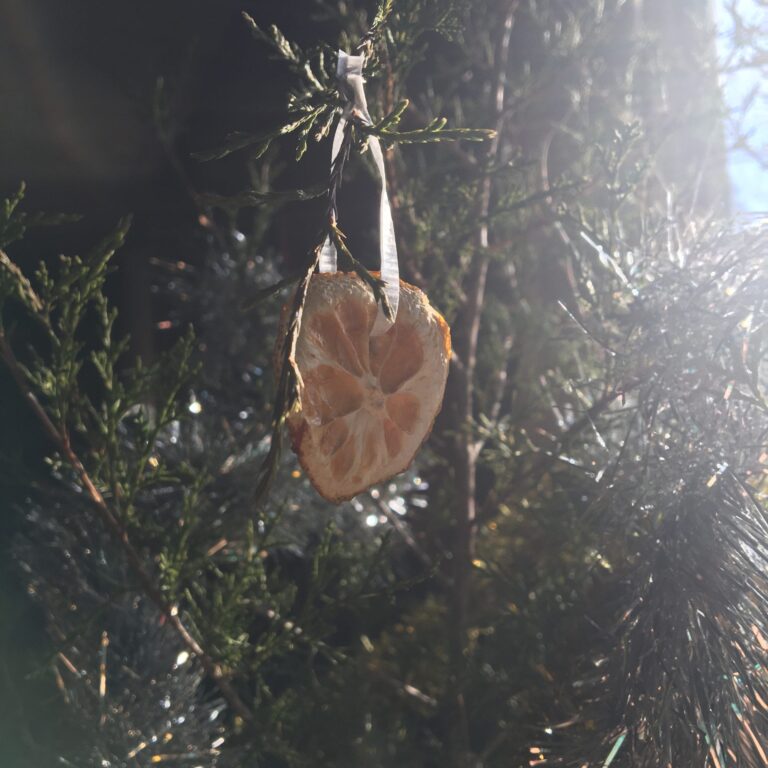
Oranges can be strung together to create a garland, or simply hung as ornaments as we did. Another added benefit is they smell really good!

To dry the oranges I heated the oven to 250* and sliced the oranges into as skinny of a slice as I could. These naval oranges were getting old so it did prove a little difficult to not smash them. I grabbed a couple clementine oranges as well that were still very fresh and they did not smash near as easily.

Once cut up, I arranged on a cookie sheet. I found no need to spray with any sort of nonstick spray, this didn’t create any issues.

In the oven I sort of just forgot about them for a couple hours. I went on about my day, and after probably 2.5 hours went back to check them. This was a good time to flip them and let the other side dry out more.

After about another 2 hours I checked again and my oranges were completely dry. We chose to poke a hole with a knife and add ribbon. Again, there is a variety of ways to hang the oranges, this is by far the easiest I could come up with, though.

3 Tips for Hunting Safety

Seasoned hunters are often so used to hunting they may become negligent towards some safety precautions. Any type of hunting can quickly become dangerous if everyone involved isn’t thinking about the safest ways to conduct themselves. Whatever your game, take time to review these tips before heading out.

1. Shoot your weapon before your trip. Whatever you are carrying- make sure it has been cleaned and fired prior to taking it hunting. This is most important for those who only use their equipment during hunts. Knowing that your arms are in good working condition is the first step to a safe hunt. Adjust sites as needed at this time so you know where your ammunition is heading.

2. It is normal practice to keep hunting spots secrets; however if you fall out of a tree and say break your leg, you will want someone coming to find you. Phone service is spotty for most wooded areas. In the event of an accident it’s pertinent that someone has an idea of the area where you were going to be.

3. Know who you are hunting with, and their background in hunting or weapon handling. This conversation can be awkward, but it will keep both parties safer. It’s important to make sure anyone carrying a firearm or bow knows how to use it. A quick conversation can be the difference in a safe hunting trip and a dangerous one.

Remembering these tips is imperative regardless of what game you are hoping to take down. Safety should be a top priority so everyone can have an enjoyable and successful hunting trips.

Firewise with Chief Michael Smith: Holiday Edition

When it comes to being firewise throughout the holiday and winter season, Mansfield Fire Chief Michael Smith stated that most accidents can be avoided by simply using common sense.

Holiday Safety
When it comes to enjoying a safe and enjoyable Christmas season, Smith shared a few extra tips.

  • Inspect cords, and light strings to ensure that no wires are exposed
  • Avoid overloading the breakers
  • Use appropriate locations for decorations–those marked indoor use only should only be used as such.
  • Do not place a tree, artificial or live, near a heat source.
  • If you choose to have a live tree, make sure you keep it watered. A dry tree is more combustible.
  • If you choose to hang lights, and utilize a ladder, ensure that it can be used safely, and is on level ground.
  • When it comes to holiday cooking, be sure you have fire extinguishers on hand. Further, ensure that they are the correct ABCs for the type of fire.

Winter Safety
As cold weather season approaches, fire departments typically see a higher number of structure fires.

  • Be leery of using space heaters, they can be very dangerous, even deadly.
  • Never use extension cords for space heaters
  • If you use a fire place, be sure you clean it before use. Keep your chimney clean by using creosote logs throughout the winter season.
  • When dumping ashes, be sure to water down the embers. Smith shared that he has been called to both structure and grass fires because the homeowner failed to fully extinguish the embers.
  • Avoid putting items to close to open flames. Use a fireplace screen or door to contain sparks and embers.
  • Maintain and clean the flue
  • If you start your vehicle to let it warm, remember if you’re inside the garage to open the door. Dangerous carbon monoxide gas will build up quickly.
  • Test smoke, and CO2 detectors monthly

“I believe most problems can be avoided simply by using common sense,” concluded Smith. “Playing it safe will help ensure that you and your family will have a joyous holiday season.”