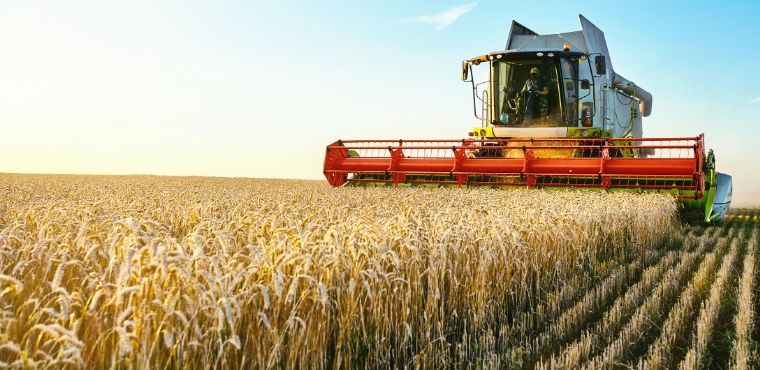
The success of a farm often relies on the success of its equipment. A smooth day relies on equipment to get the job done safely and efficiently, which means paying enough attention to the machines used. Though budgets are often tight, you can make a difference by carefully fixing and maintaining your farm equipment. We’ve listed out some key tips for farm machinery maintenance—you’ll be glad you took the time to ensure your parts are in working order.
Pay Attention to the Motors
Whether you use your combine harvesters constantly or utilize track loaders more than others, make sure you pay attention to the motors. If you want an efficient piece of equipment, then you need to look to the parts that keep it moving. For example, look to your final drive and track motors—see how you can repair and change the way your equipment works. When something isn’t cleaned, or when gunk isn’t removed, then it won’t run as well. It’s the same with farm equipment.
Lubricate Your Machinery
If you’re not lubricating your farm machinery, then you’re doing your farm a disservice. Lubricants should be used on all moving parts of farm machinery. It will reduce friction and lengthen the equipment’s life. We’d suggest choosing a high-quality lubricant to ensure that all parts are well-oiled. But before you do so, make sure that you clean up dirt and other messes on the machine.
Pressure Wash Regularly
As we mentioned, before you apply lubrication, make sure that you clean the machine. You can take this a step further by pressure washing the machines regularly. It may seem over-the-top, but pressure washing makes a difference in a longer-lasting piece of equipment. For example, if you leave mud on the wheel wells, it creates rust and erodes enamel coatings on the rims. Give your heavy equipment a good wash regularly (at the end of every day is ideal) to help it last longer.
Inspect Consistently
If you’re a car person, then you know the importance of inspecting your vehicle regularly. You pop the hood, check out the tires, and head underneath. You should do the same with your farm equipment—it’s one of our most important tips for farm machine maintenance. You can’t expect something to last forever if you don’t check it over often. Take the time to get to know every inch of your equipment, so that you’re better aware when something goes wrong.
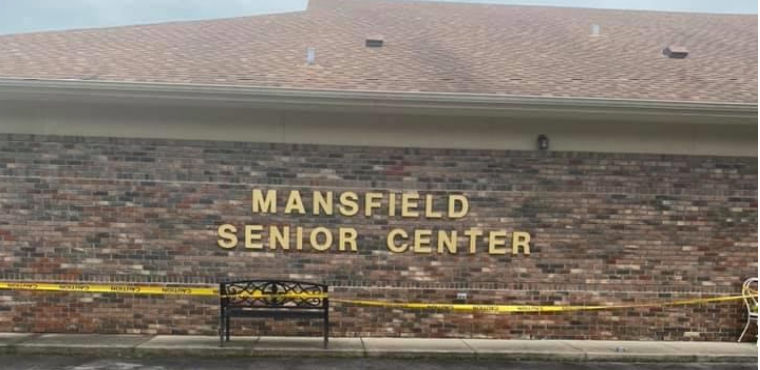
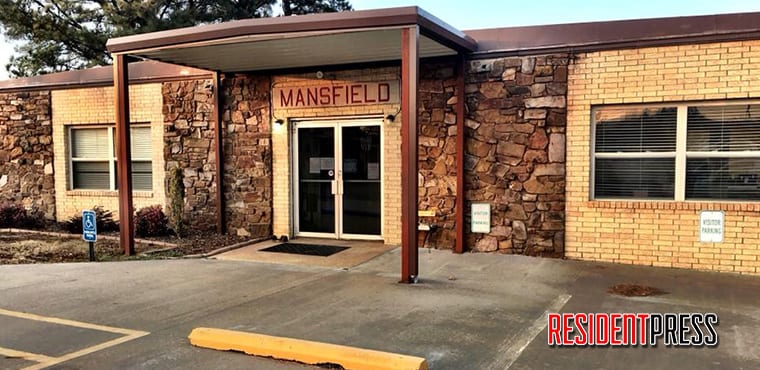
Sebastian County Senior Center Executive Director Deanna Rice announced on Thursday afternoon, June 11, that the Mansfield Senior Center would be closing for 15 calendar days. The precautionary measure comes as city employees and community members test positive for COVID-19.
Rice stated that there have been no confirmed cases with the senior center staff, however, they are being tested out of an abundance of caution. “We take the health and well-being of our seniors seriously, and we are temporarily closing to keep everyone safe,” Rice stated.
Frozen meals are being prepared by other senior centers to be distributed to those in the area who are home bound. No curbside meals will be offered during the 15 day closure.
On Thursday morning, June 11, Mansfield Mayor Buddy Black announced that city hall was closed until further notice after two city employees tested positive for COVID-19.
Black added that he is aware of two others in the community who have also tested positive. Contact tracing, and subsequent testing is currently underway.
Black concluded that anyone who has been in city hall recently should be tested for the virus.
“The Struggle Is Real”. That particular quote has made its way into many conversations and memes over the past few years. Although we may never know where it originated from, a good guess would be that it was said many times by quite a few small-town football coaches at the beginning of each season. The struggle these coaches face is the reoccurring and ever-present task of trying to fill their 7th-Grade, Jr High, and Sr High rosters with as many warm bodies as possible.
The Waldron Bulldogs hosting the Mena Bearcats in the 4A-4 conference
Most small-school football programs don’t have the luxury of having tons of athletes with the choice of handpicking their players. Coaches have to get out and recruit players. Never played? No problem. Two left feet? That’s great. It’s almost like small school coaching staff are having to turn into college recruiters. They talk to parents, ask the community to help spread the word, and with every player that signs up, the same question is usually being asked. “Do you have any friends who might be interested in playing?”
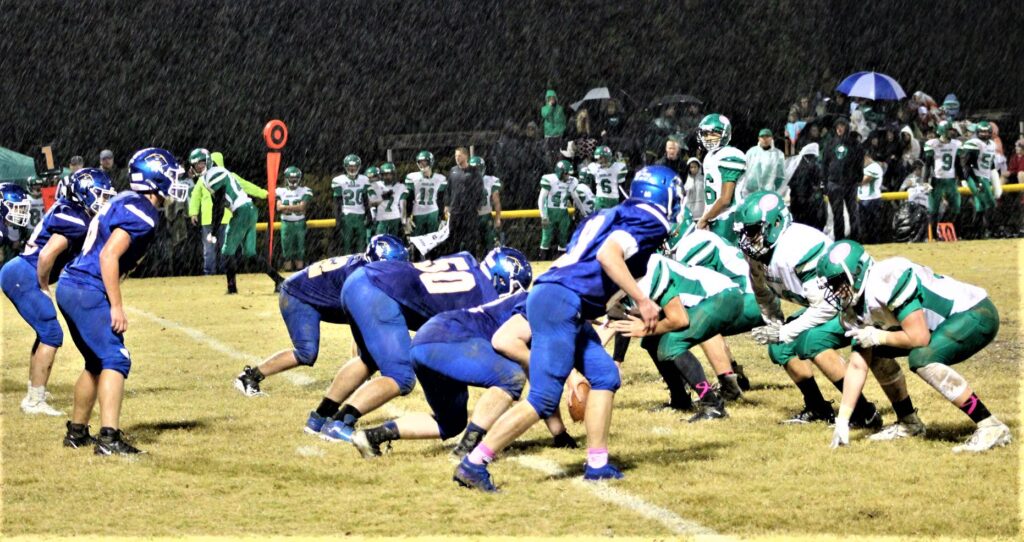
The Mansfield Tigers and the Booneville Bearcats facing each other in the 3A
But a team with a small roster isn’t just because the town itself is small. There are multiple reasons behind having low numbers on a roster. One reason could be a lack of tradition. Magazine’s head coach, Ryan Chambers, explained this reason perfectly by saying “I believe the reason some schools lack numbers on rosters primarily deals directly with the lack of tradition. Like our community here at Magazine, we have only had one second-generation player ever in our history. Then you look at other schools in the River Valley like Charleston, Booneville, and Greenwood. They never have problems with numbers because of the rich tradition that is embedded in those towns. I know we can get to that point here, but it’s going to take a lot of hard work and continuous commitment every year from everyone involved with the program and in the community.”
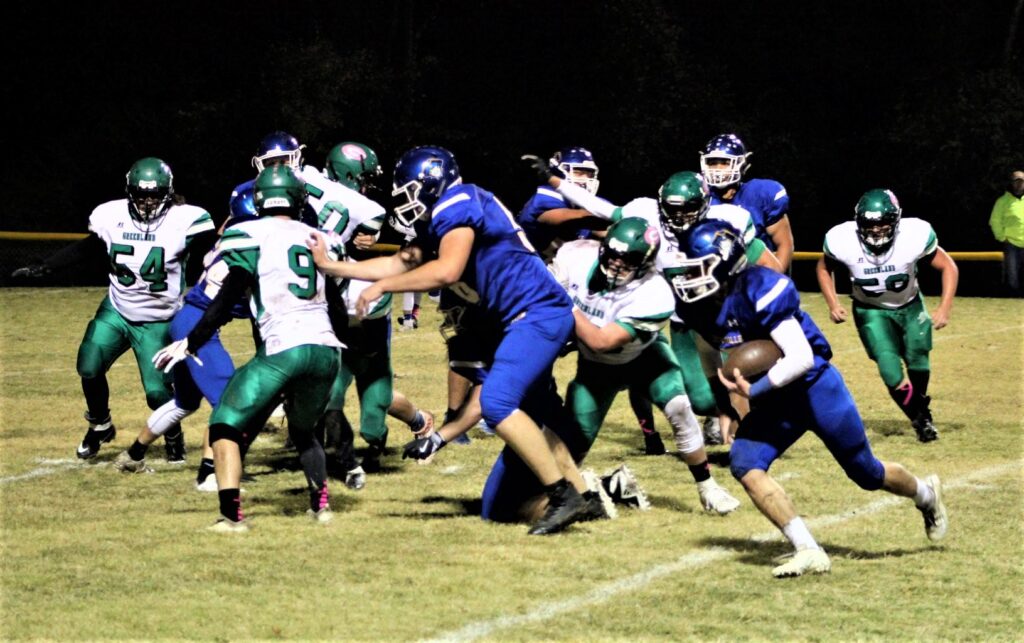
In 3A-1 football, the Cedarville Pirates battle the Greenland Pirates
Another reason for low numbers might be the time and commitment that it takes to play the sport of football. Coach Chambers continues by saying “We have workouts all summer and then for four months you are practicing or playing every day. In the day and age of video games, most kids just don’t want to put in the amount of time and effort that is needed into playing football.” Cedarville’s head football coach, Max Washausen agrees. “I’ve coached at the 2A, 3A, 4A, and 7A levels. Small school football is one of the toughest situations due to the fact that you need numbers. Football is a sport that requires a lot of time and commitment along with toughness and discipline. Unfortunately, not everyone is willing to put forth that type of effort. I believe that coaches, parents, and the community all working together to promote small-school football programs, will help immensely with the issue of low numbers.”
The Magazine Rattlers take on the Fordyce Redbugs in 2A football
An unfortunate side effect of having low numbers on a team is the dissipation of the players’ confidence and enthusiasm. Head Tiger football coach for the Mansfield School District, Tim Cothran, gives his thoughts on this subject. “Low numbers, unfortunately, have a tendency to lower player morale from top to bottom. So we have to work hard as a coaching staff to not allow this to become a problem. It’s hard to get quality reps in during a game and it’s hard to give players the rest that is much needed. It just makes things a little harder in every area. But we just have to overcome this low numbers issue by hoping for the best each season. With it still being early, I’m optimistic that we can get more kids to sign up to play. We usually have a few more players join us as the summer goes on and when school starts. As for now, we will stay the course and hope for the best!”
Last season, the 2A Hackett Hornets played a non-conference match against the Mansfield Tigers. This year, the Hornets will be joining the Tigers in the 3A-1 division
Waldron’s head football coach, Doug Powell, has a mixed perspective when it comes to smaller rosters. Coming from 2A Magazine, Doug has adapted the pros of a small roster to his newly found Bulldog home. “A plus is that you as a coach can work more closely with your players. You get to know them as who they are as a player and a person. I can polish the slightest mistakes because there are fewer bodies to keep an eye on.” Although that’s a plus, Powell admits that low numbers can have a serious downside also. “You have players run out of gas a lot faster. They have to play intricate roles for every snap of the game without any breaks. That can cause mistakes to happen and bring you from a big victory to a close loss. That’s why we tell our players every practice to ask their fellow students if they want to suit up. We as coaches have some sway with students, but our players can run circles around us when it comes to convincing fellow students to join the team. That’s a good thing because we need to amplify our numbers as much as possible.”
Waldron vs Mena
When it comes to the low numbers situation, Hackett’s head football coach, Michael Meador, knows the harsh reality of a small roster. Hackett’s school system has grown in population over the past few years which moves the Hornets up from 2A to 3A football. With the school growing in size, Coach Meador knows he has room to grow his football program’s size too. Although they’ll be one of the smallest 3A programs, Coach Meador still has a positive outlook on it. “I really love coaching in a small town which in itself holds many benefits. Because the roster is on the less populated side, I get to be better and more creative as a coach. Sometimes you are just not able to go 11 vs 11 with the number of players that you have. With the many different technological advances, it has given kids more things to do other than sports. I believe to improve these numbers, we have to make sports, in general, so thrilling that it inspires students to want to be a part of it. That when they see their peers having so much fun playing sports, they will feel like they are missing out on something. In sports, it’s also very important to make it feel like a family atmosphere. I’m very lucky to be coaching at Hackett because not only do I feel like we have more fun than other teams, but we are starting to become a family on and off the field.”
Hackett vs Mansfield
Coaches have seen the pros and cons of low numbers in all aspects of their football programs. The one thing that sticks out to coaches, players, and fans though is the physical toll low numbers can take on a team. Players tend to have to play continuously through the game only having breaks at halftime and during timeouts. Most of the players have to play multiple positions on offense, defense, and special teams. This wears them down fast and often ends in athletes walking off the field feeling like they played an entire season in four quarters. When teams play opponents with more players on their roster, they have to suck it up and square off against fresh well-rested athletes. Players who are worn out also stand a higher chance of injury or quitting because they’re burnt out.
Mansfield vs Booneville
All of these coaches have found success with some of the smallest team rosters in their conferences. They’ve all seen their Davids dig deep and beat the Goliaths on the opposite sideline. But just think of what teams could do with a larger roster than they have now? By merely adding a hand full of players to their current roster, those close losses last season could be blowout wins this season. So what can you do to help build up the rosters of your school’s football program you ask? Easy! Spread the word. You can do this in person, on the phone, on social media, or even by putting up flyers. Reach out to family, friends, and other people in your community who you know have kids and remind them of upcoming sign-ups, practices, or simply ask if there is anyone needing a ride to one of these events. It’s time to build a football tradition where one may not have existed. Who knows? You just might be the very person who convinces the next All-State player to suit up!
“The Sports Brew Show” officially kicked off its summer schedule last evening with featured guest, Dr. Wayne Fawcett, superintendent of the Paris School District. The two-hour show is broadcasted live on the internet every Tuesday from 4-6 p.m.
Dr. Fawcett was asked a variety of questions that ranged from the premature shutdown of school in March due to the COVID-19 virus to the reopening of school in August. Earlier in the day, the Arkansas Activities Association (AAA) announced that its board of directors had voted in favor of waiving the normal mandatory summer dead period that annually is extended from the last week in June through the end of the first week in July. As has been previously reported, the AAA had enacted a dead period due to the pandemic that was due to expire on May 30. Arkansas governor, Asa Hutchinson, had authorized limited workouts with an abundance of precautionary measures aimed at preventing the re-escalation of the virus and had stated that “contact” sports and their possible resumption would be “revisited” on June 30. I asked Dr. Fawcett about the AAA’s decision and what he thought this meant for the possible start of contact sports on July 1.
Dr. Fawcett responded by saying, “The governor has made it clear that he wants, expects, and desires for school to start normally on August 13, which is the first day for all schools across Arkansas. That’s the goal. And so, we are planning for that. We are planning for a normal start to the school year. But, simultaneously, we are having to plan for everything and every eventuality and beyond that. We were anticipating today’ decision from the AAA. In fact I was in communication with our rep, Greg Grant (AAA board representative for the Paris area and superintendent at Danville) and had talked to him yesterday and we discussed the issue. The dead period whenever we have a normal summer; the kids need that break because they have gone through either spring sports or spring football. Pretty much every sport is year-round now. You roll right into June and no matter what the sport you are continuing to play all the time. So, the kids need a break. They need some time away from coaches, school, and touching those volleyballs and whatever it is. So, the time around the fourth of July is a good time to do that. A time for families to go on vacation and get away from those things. But, now, effectively, these coaches, until last Monday, could not have any kind of physical contact, any kind of practice, since March 13. Well, you can’t go back out on the volleyball court, or the football field, and just pick up where you left off. So, waiving the dead period allows us to regain some continuity. I was in favor of waiving the dead period; that was my recommendation to our representative. Certainly, I know people have plans (vacation plans), and if they do, that’s fine. We need to get those student-athletes back into playing condition. Today is pretty hot, you can’t go back out and put on full pads in August and then expect to play your week zero (early season football opener the third week in August) and even into September. Your three non-conference games, playing four 12 minute quarters, if your are a 3A school district, there is a good chance that at least half of your team is going to play both ways. That’s just tough on kids. And you start getting injuries or heat-related illnesses and things like that, you are going to have some that are going to quit just because they don’t want to be out there. So, it is good that they have waived the dead period.”
When asked if the AAA decision would lead the way for the governor to release contact sports to resume practice on July 1, Dr. Fawcett said, “I certainly hope so. The governor is supposed to make an announcement tomorrow on Phase 2.” And Dr. Fawcett was right on the money. In fact, today, Governor Hutchinson announced that he was moving Arkansas into Phase 2 on Monday, June 15. Dr. Fawcett said that he wants to think that the governor will release team sports by July 1. “I certainly think that we can mitigate the risk. I would love to be able to, much like the flu, be able to test our athletes and coaches, and I think we can mitigate the risk for those who are involved in it (sports) so that they can play. Of course, testing is a big part of that until a vaccine is developed. But, we’re not there yet. We don’t have the test yet. So, we’re still in some unknown areas at this point. We are going to prepare as if we are going to be able to put the pads on and play, but, much remains to be seen.”
Dr. Fawcett indicated that there have been a lot of discussions involving how the seasons may be modified to compensate for the lack of conditioning time that athletes may have entering the school year. Nothing has been official to this point, but much discussion has taken place among coaches and administrators. Additionally, it is still unknown as to how fan attendance at games may or may not be regulated. Enforcement of any plans to regulate seating or possible social distancing at games is also a big unknown at this point. Candidly, it will place school administrators and law enforcement in an unwelcomed position of having to enforce social distancing at games. So, at this point, it is clearly unknown. This issue may become a little clearer in August.
The Paris community can be proud of the job Dr. Wayne Fawcett as his administrative team have done throughout the COVID-19 pandemic. Clearly, the focus of their efforts has been to support the students of the district throughout the district. But deflecting the praise, Dr. Fawcett praised the teachers and all of the Paris employees for doing whatever it has taken during the past three months, as well as the jobs they do throughout the normal school year.
Looking ahead, Dr. Fawcett touched on the challenges that lie ahead for the Paris School District. “We have to be prepared, and I don’t mean this lightly, but we have to be prepared if the second day we have to go out (close school) again. We have to be prepared for alternative methods of instruction (AMI). We have got to make sure that our computers and network are in good shape, because everyone of our students in K-12 have a computer. We have to expand our broadband access. In fact, right now, we are addressing that problem. We are really having to rethink what being at school really means, and what instruction means.”
So, as I hope our readers can see from Dr. Fawcett’s interview, the students of the Paris School District are in the caring and loving hands of the leadership and its employees. Like the superintendent said in his first few comments, every employee in the district is an educator, no matter what job they perform. The first duty is to love our students. And from our interview with Dr. Fawcett, it is evident that the first duty has been met by not only the Paris superintendent, but by every employee and community patron.
A member of Dr. Fawcett’s administrative team, Vicki Churchman, Food Service Director, followed the superintendent as the next guest on the show. Mrs. Churchman fielded questions on the show from hosts Tim Johns, Marvin Wiggins, and myself. The title of the segment was “tens of thousands of miracle meals.” The Paris director has quietly, behind the scenes, coordinated the delivery of literally tens of thousands of meals to students throughout the district. Meals have been delivered each day to the Paris proper community as well as to the surrounding communities in the Paris areas that are in the school district’s attendance zone. When asked about her work, Mrs. Churchman said, “It has been around 50 or 60,000 meals that have been delivered. I enjoy doing it. We’re giving them good quality meals while meeting the requirements (state and federal food service requirements for schools) and have been feeding them the same thing that they normally eat when they are in school. We had already ordered (food and supplies) for when school was in session. So, we started with that. We used a lot of our commodities (federally provided foods that schools can order) so we just kind of guessed at how many we expected to feed. Dr. Fawcett and Dr. Cureton (assistant superintendent) helped us with determining the locations for delivery. They helped us decide where we would go. We wanted to get out of the town so we could get some of those like New Blaine, Harmony Church, and other areas. We started at 7:30 every morning and had it prepared and ready to go by 11 a.m. We are just keeping it going because it is what we love to do.”
Vicki Churchman is just another example of the many dedicated employees of the Paris school district. The mission of the district over the past three months of the COVID-19 pandemic has clearly been to support the needs of the students of the district. The entire crew of “The Sports Brew Show” salutes Vicki and the entire food service staff and supporting employees who have brought thousands of meals to students at a time when people and have suffered through massive unemployment, layoffs, and illness.
When the COVID-19 pandemic forced the closure of the Paris schools, baseball and softball seasons were in their second weeks. On that last day, the Paris softball team was hosting Perryville in a critical game, and in the second inning, rain forced the postponement of the game. Little did most people know that the postponement would turn into not only a game cancellation, but would mark the cancellation of the entire season. Paris softball coach Donald Hart was the next guest on the show, and in his interview, he reflected on that fateful day and what has resulted since. “It didn’t end the way we wanted it to. But, that’s just the way things go sometimes. Sure seems like a long time ago, March 12 (the last day of the season vs. Perryville.) When it ended, we didn’t know how long, and just now, it seems like it has been forever. Now, just getting back and getting to see the kids and see how bad out of shape we are, it’s just like starting over. But, it’s good to just be getting back into something that is normal. We were just starting to gel as a team. I don’t know how far we would have went (in the conference race) but I felt like we had the potential to go a long ways, but we will never know.”
Paris was seemingly on the verge of an outstanding softball season when the rain came along with the AAA’s cancellation of the spring sports seasons. That day, the Southeastern Conference announced the cancellation of all spring sports for the current academic year, and the National Basketball Season had suspended its schedule of games indefinitely. It was a surreal day; one that sports fans will never forget. For the Paris Lady Eagles softball team, little did they know, their season too was about to be cancelled. Show host Marvin Wiggins commented, “you could just sense that things were not going to be right. Just my gut feeling was that was going to be it (the final game of the season.) And Marvin’s gut feeling proved to be prophetic.
Coach Hart is close to his players and families, and it was on hard him, as well as the players. “It was tough. We had kids that were seniors and it was their last chance and I felt sorry for them. They had waited for that moment and some of them had worked very hard to get to where they were at, and they just didn’t get the chance to experience results of their hard work. I hate it for my seniors the most. That was their last time they would ever step on the field as a member of the team for Paris.”
Since the AAA has relaxed the restrictions for baseball and softball, players may now play summer club games with modifications in place. I asked Coach Hart if Paris had any softball players playing in summer ball. Coach Hart said, “No. Unfortunately, we just have one that is playing travel ball (club softball), so, that is why it is important that we practice. We have to share athletes with the other sports (due to the limitations in place by AAA during the return to workouts in June) and a lot of my kids who play softball also play volleyball and basketball, so, we’re not fortunate to have a lot of travel ball kids. We go play some in the summer; some of those kids do, but this nobody has been able to do anything (due to the AAA dead period). We are now a long way away from where we were in March.”
As the show continued, the overall theme of the district and community coming together to support students and family was underscored by the need of not only meeting their educational and nutritional needs, but their spiritual needs as well. The next guests on the show were Pastor Tammy and Brian Frederick of Harmony Assembly of God Church. Bringing show host Tim Johns to tears, the two talked about the devastation that students and players have faced since the abrupt cancellation of school and the spring sports seasons. Pastor Tammy Frederick commented, “I like softball, its my game. It broke my heart (seeing the season cancelled). I told our church several months before the COVID hit, I experienced this dread; like it was something in our family, something in the church, and I prayed. The only thing I could hear the Lord say was dig down deep and be ready. So, we were not given much notice that we were not going to be able to have our people back, and as a pastor you worry about their physical health, their mental health, their spiritual health, their finances. By worry, I don’t mean twiddling our thumbs in worry, I just mean that we were concerned about them overall.” The pastor vowed to her congregation on that last Wednesday night in church that the church would stay connected with them on Facebook. And the Fredericks have maintained that vow throughout the pandemic. “I love softball, but the number one thing that drives me is the love and hope of Jesus Christ.”
The Fredericks talked about their concerns for the effects of the church closures on the mental and spiritual health of the community. Brian Frederick commented, “I think there is an opportunity to come out of this stronger than we were when it started. There’s an opportunity for churches to go and reach some people we have never met before. We had no idea that we would have an influence on them. But, there are also those that we worry about if we haven’t had any connection with them for twelve weeks and we feel like we have lost that connection with them. It has drawn some together, and others have seemed like they have isolated. And that’s what worries us.”
Pastor Fredricks spoke of the athletes who were told they could not play in the spring. “You take a player that can’t play and just tell them how bad they are and you will depress them. But you find something that a player can do well and you focus on that and you will have a better player. In that sense, we are spiritual coaches. Words of hope and caring are what the Fredericks are all about.
The final segment of Tuesday’s Sports Brew Show featured a senior spotlight on new Paris graduates Luke Trusty and Robyn Gossard. As boyfriend and girlfriend, Luke Trusty was a multiple sport athlete and Robyn Gossard was a premier player on the Lady Eagles volleyball team, as well as president of the school’s Future Farmers of America (FFA) chapter. Robyn and Luke will be sorely missed next school year.
The two outstanding members of the Class of 2020 spoke about their post-secondary plans. Luke Trusty will enter the U.S. Air Force National Guard after completion of basic training this summer. After enlistment and completion of training, he plans on attending the University of Arkansas at Fayetteville, where he plans to follow in his father’s foot steps, Rick Trusty, as a history teacher at Paris High School.
Robyn Gossard has enrolled at Southern Arkansas University (SAU) where she plans to study pre-veternarian medicine. Gossard, recently named as a member of the 2020 Arkansas All-Star Volleyball team, has a love for horses and other farm animals. Just like her boyfriend, Luke, Robyn plans on returning to the Paris community to live and fulfill a big need of continuing vet services for Paris and the surrounding rural communities. All of us wish both students the best of success in the service of our nation, their college educations, and their future service to the Paris community.
Guests for next week’s show (June 16) will include Paris High School athletic director Casey Mainer, followed by guests Steven Davenport, and senior spotlight guests Paiton Forbis and Ciara Boswell.
By the way, the word of the show is getting out. Ratings are increasing each week, so you will want to join the many listeners of this new Paris internet show every Tuesday from 4:00 to 6:00 p.m.
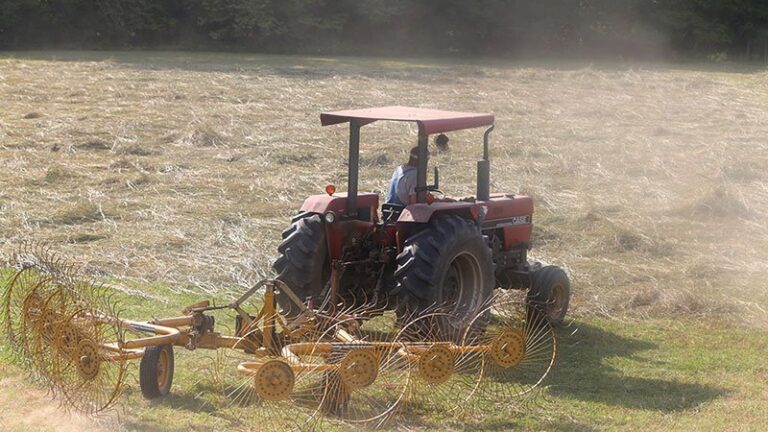
With all the spring rains, most landowners are ready to hit the field to cut hay. There are a few things to consider this year before you get on that tractor.
Nothing changes the landscaping of your property overnight like hay-cutting your fields. A hay-cutting operation can transform a field’s wildlife use almost overnight, usually not for the better. With a little extra planning, you can minimize the disturbance to wildlife while still realizing profit from your hayfields.
Ted Zawislak, statewide private lands supervisor for the Arkansas Game and Fish Commission, says timing hay-cutting operations to avoid nesting season is an excellent start if possible.
“Try to delay haying until July 15 or later if you can,” Zawislak said. “This will allow ground-nesting birds time to hatch their broods.”
Cutting a little higher on the stem also can save quite a few nests and ground-dwelling wildlife. Terrapins and small mammals can be spared from the mower blades by simply raising the deck of the mower 4 inches above ground level. Installing Plexiglas around the leading edge and sides of a mower also can prevent wildlife from being drawn into mower blades.
Flushing bars also can save many grassland critters from the dangerous blades of a haybine or sickle bar mower. You can make a flushing bar by hanging 28 inch lengths of chain about 2 feet apart on a 10-foot section of angle iron mounted to the front of your tractor. The chains should be long enough to ride just above the surface of the ground. The first chain should be located 36 inches from the tractor frame. This method has been shown to effectively scare wildlife such as rabbits, turkeys, and some fawns away before they are hit by the hay cutter.
Zawislak says one way to help wildlife escape the mower and baler is to work from the inside out. Just as prescribed burns don’t completely surround an area until the last possible moment, you want to allow animals as much time to escape as possible.
“Begin cutting in the middle and move to outer borders if possible,” Zawislak said. “This allows young and adult wildlife to stay in existing cover and not become trapped inside an ever-decreasing circle.”
Once you get to the edge of the property, leave a little wild edge along the sides to give displaced wildlife a little shelter from predation. An uncut 30-foot or wider strip of hay around the outside of a field offers food, nesting, escape and brood cover for wildlife. Try to make the borders irregular shapes to prevent predators from keying in on a turkey or quail dinner.
“You can come back later in fall after nesting is not an issue and bush hog that 30-foot strip,” Zawislak said.
Hay cutting has some long-term positives for the landscape such as removing competition so the grass stand does not get too thick, however it’s the short term effects, primarily during nesting, that can be detrimental to wildlife. Hopefully, these few easy steps can make a landowner’s next hay-cutting operation more wildlife-friendly.
Visit www.agfc.com/habitat for more information on how you can improve and maintain your land for wildlife.
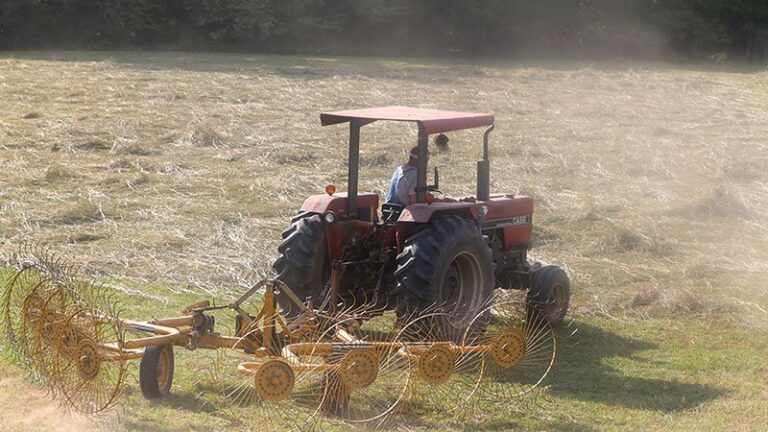
With all the spring rains, most landowners are ready to hit the field to cut hay. There are a few things to consider this year before you get on that tractor.
Nothing changes the landscaping of your property overnight like hay-cutting your fields. A hay-cutting operation can transform a field’s wildlife use almost overnight, usually not for the better. With a little extra planning, you can minimize the disturbance to wildlife while still realizing profit from your hayfields.
Ted Zawislak, statewide private lands supervisor for the Arkansas Game and Fish Commission, says timing hay-cutting operations to avoid nesting season is an excellent start if possible.
“Try to delay haying until July 15 or later if you can,” Zawislak said. “This will allow ground-nesting birds time to hatch their broods.”
Cutting a little higher on the stem also can save quite a few nests and ground-dwelling wildlife. Terrapins and small mammals can be spared from the mower blades by simply raising the deck of the mower 4 inches above ground level. Installing Plexiglas around the leading edge and sides of a mower also can prevent wildlife from being drawn into mower blades.
Flushing bars also can save many grassland critters from the dangerous blades of a haybine or sickle bar mower. You can make a flushing bar by hanging 28 inch lengths of chain about 2 feet apart on a 10-foot section of angle iron mounted to the front of your tractor. The chains should be long enough to ride just above the surface of the ground. The first chain should be located 36 inches from the tractor frame. This method has been shown to effectively scare wildlife such as rabbits, turkeys, and some fawns away before they are hit by the hay cutter.
Zawislak says one way to help wildlife escape the mower and baler is to work from the inside out. Just as prescribed burns don’t completely surround an area until the last possible moment, you want to allow animals as much time to escape as possible.
“Begin cutting in the middle and move to outer borders if possible,” Zawislak said. “This allows young and adult wildlife to stay in existing cover and not become trapped inside an ever-decreasing circle.”
Once you get to the edge of the property, leave a little wild edge along the sides to give displaced wildlife a little shelter from predation. An uncut 30-foot or wider strip of hay around the outside of a field offers food, nesting, escape and brood cover for wildlife. Try to make the borders irregular shapes to prevent predators from keying in on a turkey or quail dinner.
“You can come back later in fall after nesting is not an issue and bush hog that 30-foot strip,” Zawislak said.
Hay cutting has some long-term positives for the landscape such as removing competition so the grass stand does not get too thick, however it’s the short term effects, primarily during nesting, that can be detrimental to wildlife. Hopefully, these few easy steps can make a landowner’s next hay-cutting operation more wildlife-friendly.
Visit www.agfc.com/habitat for more information on how you can improve and maintain your land for wildlife.
History begins at our own back door. As we travel up and down the roads of our region or walk through our forests, we see reminders of our ancestors. Chimneys, foundation stones, old railroad tracks, occasional cans or bottles, and once tame flowers tangled in the meadows mark places where our ancestors struggled to make a living from the earth. All of these have a story as do the pictures we have scattered in old boxes; tales of the lives of people that came before us.
The River Valley is full of such tales; the stories of our forefathers and the lives they lived. Few people realize that Sam Houston, George Catlin, Washington Irving, and probably Wyatt Earp traveled up the Arkansas River, passing by and perhaps stopping at the busy port at Russellville. Benjamin Booneville, an early explorer and as famous in his time as Lewis and Clark, journeyed through and mapped our region and future President Zachary Taylor served in Fort Smith for an extended period of time. Jack Titsworth, an early settler, had a life and adventures that comes with that of Davy Crocket.
Even more than that is the story of the hard-working men and women that go to work every day and complete the thousands of tasks necessary to support and raise their families. Paris, Booneville, Scranton, Charleston, Magazine and the many small communities scattered in the River Valley are full of such people. The results of their efforts are everywhere; the small business that stands on the corner, the beautiful church down the block, the daffodils and hedges marking where homes once stood, and the deserted cemeteries scattered across the region.
Ours is the history of the farmers who once raised cotton and corn in the bottoms and hillsides and of those who later ran dairy farms and then built chicken houses for the poultry industry.
The story of local coal miners, lumberjacks and railroad men. The story of the pants factory, Cloye’s Gear, Ace Combs, Today’s Kids and even further back, the shake mills and gins that formed the economic basis for our area.
Written by Dr. Curtis Varnell, each week the Timepiece will explore the history, geography and culture of the region. It will tell the stories of ordinary people in an ordinary world in the hope of preserving the stories of our world.The more we understand local history, the more we understand about ourselves. We cannot know where we are going if we don’t know from where we came.
Dr. Varnell is the science and social studies coordinator for the Guy Fenter Education Service Cooperative at Branch, a long-time teacher in the area, and the author of several books on local history.
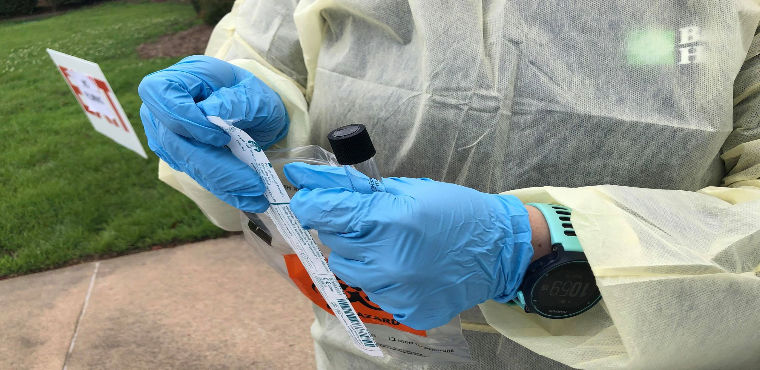
Greenwood Baptist Health held a Covid-19 testing drive on Wednesday, June 10, from 8 a.m. – 11 a.m. Healthcare workers saw an impressive turnout.
Police Chief William Dawson shared that there had not been a lull in cars lining up since the drive opened. Everyone in attendance from Medical Professionals to Law Enforcement was wearing proper protective gear, maintaining social distancing best practices and using hand sanitizer.
The testing process is quick, lasting less than 20 seconds and the entire experience from beginning to end took approximately ten minutes. Results from today’s drive will be ready in three days. It will also give health officials much better data to work with when it comes to estimating those affected in Greenwood.
While CDC officials are still working to fully understand the protections that these antibodies give, the hope is that those who do carry antibodies will have the ability to resume work and normal daily life much quicker.
A backyard deck is a great place to recline outside during restful moments of the day and evening. It is also a structure that you can set about designing and creating yourself. You might, therefore, choose to build one on your own as a commendable home-improvement project. If so, follow these tips for building a backyard deck.
Get the Required Permits
Learn if there are any local regulations that stipulate when and how you can build a deck in your backyard. Find out what restrictions apply to decks, and keep them in mind as you lay out the design. You should be clear in your intentions, as you may need to show your local government the design before getting the go-ahead. Apply for the necessary permits, and don’t start work until you’ve acquired them.
Hide Deck Board Ends
A tip for building a backyard deck that looks polished and complete is to find a way to hide the rough board edges. One way to do this is to measure the fascia boards that will attach to the ends of the deck longer so that they not only form the sides of the deck but also cover the ends of the boards laying on the top of the deck. You could also use a perimeter board that lies on top of the vertical fascia board like the deck boards. The perimeter boards create an enclosed top frame around the deck boards to hide their ends.
Pick Lasting Deck Materials
Your deck needs to last through 365 days every year of outdoor wear and tear. Therefore, the materials you select to build it with will make a big difference. Wood is the most popular choice, but you will need to treat it with a sealant periodically so it doesn’t deteriorate from moisture and other elemental forces. For a more carefree option that you can rely on, plastic lumber may work well for you. It has the overall appearance of wood but does not rot, discolor, or warp as easily since it is composed of inorganic compounds. It is also an eco-friendly material since it’s the product of recycled plastic waste and doesn’t require potentially harmful sealing chemicals applied to it.