



By Dr. Curtis Varnell
Traveling through Little Rock and trying to keep up with the various corners, streets, lights and turns, one learns the importance of a good map or GPS system. Numbered streets make it easy to locate and see progress but, in many instances, our whimsical nature must include more personal descriptions. We have the typical main, Oak, and front streets and they are found in virtually every city. Additionally, over time we have included historic events and people. Being inquisitive by nature and historically minded by choice, one wonders at the event or person that devised enough interest to have a road or street named in their honor. South-west Little Rock contains a number of those. Stagecoach road is obvious, Congo Road, supposedly named for the street where early slaves were allowed to meet for Sunday afternoon breaks, is not so obvious. Col Glenn, named for a famous astronaut is one of the larger and better-known routes across town. David O. Dodd street, the name rang a bell from my days in Arkansas history. A street named for a confederate spy?
The story of David O. Dodd is a convoluted tale of heroism, loyalty, love, deceit, and tragedy that reads like a Shakespearean play. Young seventeen year old David O. Dodd belonged to a merchant family of Southern sympathies. His father, a former merchant in Little Rock, escaped Little Rock as the capitol fell to the North. In late 1863, David’s father arranged for his 17-year-old underage son to get a pass from Confederate General James Fagan to travel to Little Rock to complete a business deal involving the sale of tobacco.
Young Dodd, a former student at St. Johns College in Little Rock, knew the area well and stayed with a relative while in town. Supposedly, quite the ladies man, he became friends with several young ladies, among them 16-year-old Mary Dodge. Mary’s father was from the north and associated with many of the Yankee officers. Conversations were carried on around Mary and, the story was that she passed the information on to young David. David was familiar with Morse code and composed messages in code, messages describing troop concentration, strength, and other pertinent information.
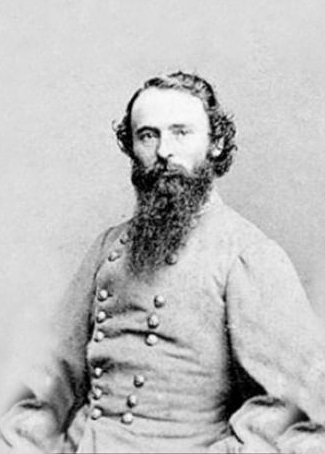
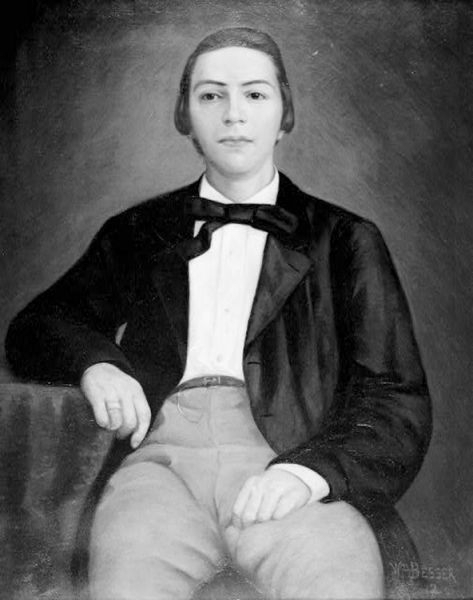
On December 29, 1863, Dodd was stopped by a Union sentry in west Little Rock, near Ten Mile House on Stagecoach Road, and was found to be without a pass and the notes were discovered. He was immediately arrested and brought to trial. Dodd proclaimed himself not guilty but refused to provide evidence of any collaboration. After a cursory trial, he was sentence to hang. General Steele, Union commander, had little choice but to hang 17-year-old Dodd but was surely convinced that young Mary Dodge was involved as well but just as convinced he was not going to hang a 16-year-old girl. Mary and her father were placed on a steamboat and sent back north where they remained for the rest of the war.
Five to six thousand people gathered near what is now the corner of the UALR campus to watch the hanging. Young Dodd handled himself with bravery, refusing to the last to divulge secrets and declaring he was ok with giving his life for the cause. All reports indicated it was a gruesome event with the young Dodd hung from the tailgate of a wagon, the rope failed to break his neck, and it took up to five minutes for him to choke to death, eventually assisted by some solders who had to grasp and pull his legs.
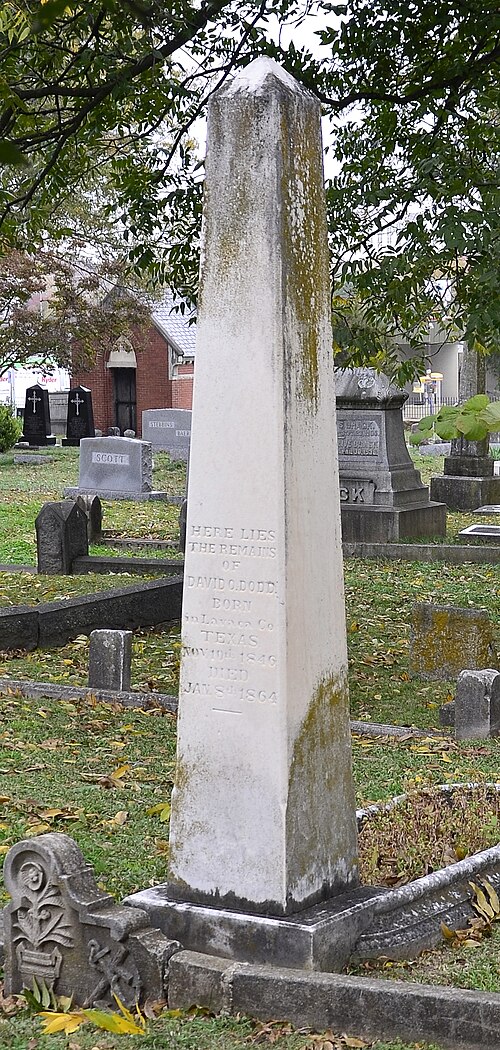
The story remained and was romanticized, especially around the turn of the century when all the old solders were dying off and the south wished to preserve the image of the Gallant Rebellion and the Great Cause. The last big reunion of the United Confederacy troops was held in Little Rock in 1911. Expecting only a few thousand, organizers were amazed when over one-hundred thousand former military from both sides showed up. Stories and events were revived, eventually leading to monuments and memorials to those involved in the Civil War. The Arkansas Daughters of the Confederacy had already raised money for a stained-glass window in his honor and placed In Richmond, Virginia. A large monument was built in Dodd’s honor at Mt. Holly cemetery in Little Rock and ceremonies are still held there each year commemorating his death. A school was built in his honor, and eventually a major road constructed – named for the Confederate boy spy of Arkansas.