


By Dr. Curtis Varnell
Crypto money, bit-coms, checks, and credit cards are all products of recent economies but people have always managed to exchange goods, some quite well, without the use of money. My father, a product of the depression years and a used car-salesman, was a notorious wheeler-and-dealer. He would trade, buy, and sale virtually anything- once trading the shoes he was wearing for a pair of moon hub caps for his car during an Illinois snowstorm. His most famous trade probably involved the purchase of an old frontier coffin at a sale in Canton, Texas. My mom refused to allow him to carry it home in the truck. Without other recourse, he traded it for a gun or two which he then exchanged for an antique clock, a purchase much more amenable to my mother. Trading and exchange are nothing new, just during the past week or so one of the biggest trade fairs and exchanges was held on Petit Jean mountain. Everyone enjoys the friendships and comradery from making a good trade and the completion of a “deal” is nothing new to Arkansas.
De Soto’s journey into Arkansas touched off trading and commerce between Europeans and Natives. The natives had food, animal skin and other essentials needed by the Europeans who could offer weapons, beads, metal utensils, and other goods in exchange.
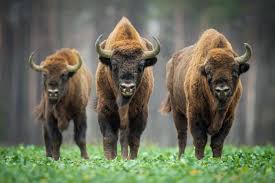
By the late 1700’s, a robust trade based on barter was conducted between the Natives of the area and the Spanish and French settlers of Louisiana. Natives had no need or desire for money but they certainly enjoyed many of the items that the European’s offered. Over a period of time, an economy based on relative worth was established and was the basis for exchange. Traders would travel up the major rivers, especially the Arkansas, and would meet at various agreed upon locations and a market, similar to today’s trade fairs, would occur. Names associated with those still exist today. Just west of Lavaca, Arkansas at the confluence of the Vache Grasse Creek and the Arkansas River, traders would arrive in canoes and flat-boats and a lively trade in buffalo meat, hides, and other animal skins would ensue. Buffalo meat and hide were a prime commodity in Western Arkansas, the name Vache Grasse meaning fat cow and La Vaca meaning the cow, both referring to the availability of buffalo for sale. Dr. Sabo of the University of Arkansas and others have described the lively exchange noting some of the typical values of the exchanged goods. Five strands of glass beads were equal to 1 deer skin, one gun was equal to 16 deer skins but it took 3 deer skins to purchase a buffalo hide.
The key feature of the new economy included the native production of goods required by the colonists and the exchange of these goods for the manufactured goods in face-to-face bartering. The exchange eventually developed into a dependency on both sides -some positive and some negative. Natives, now providing food and fur for a much larger population, often overhunted an area and depleted the wildlife. This resulted in movement of the population but also changed the traditional livelihood of the Arkansas natives whose primary way of existence included farming of corn, squash, and beans.
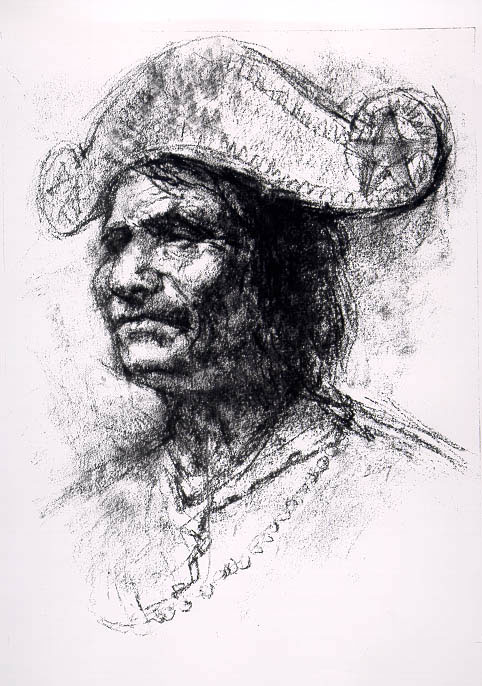
After the Louisiana Purchase, the Cherokee and other Eastern tribes moved into a part of Arkansas and trade persisted. The U.S. established trade “factories” along the rivers and enticed the natives to become more westernized by trading them iron plows, weapons and manufactured goods for animal skins. At Spadra, near present day Clarksville, the 1822 shipment was recorded as four tons of deerskin as well as hundreds of bear, racoon, and beaver skins. It is noteworthy that only one buffalo skin was included, indicating vast overhunting and virtual extermination of the buffalo in the state. Friedrich Gerstacker mentions he killed a buffalo on the Cache River in 1840 and there was a reported buffalo killed in Saline County after the Civil War.
The closing of the Frontier Economy did not end barter and trade in Arkansas. It is still alive and well throughout the state and one can stop at about any flea marker or antique shop in every city and still engage in a lively and entertaining trade. No money required!!