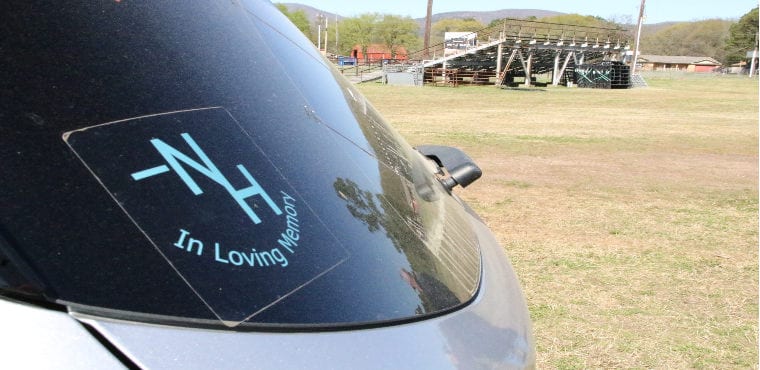
It was a tragedy that rocked our entire community, the passing of Klancy Alan“Newt” Hodge, 14, of Poteau, OK, who passed away Monday, November 23, 2020.
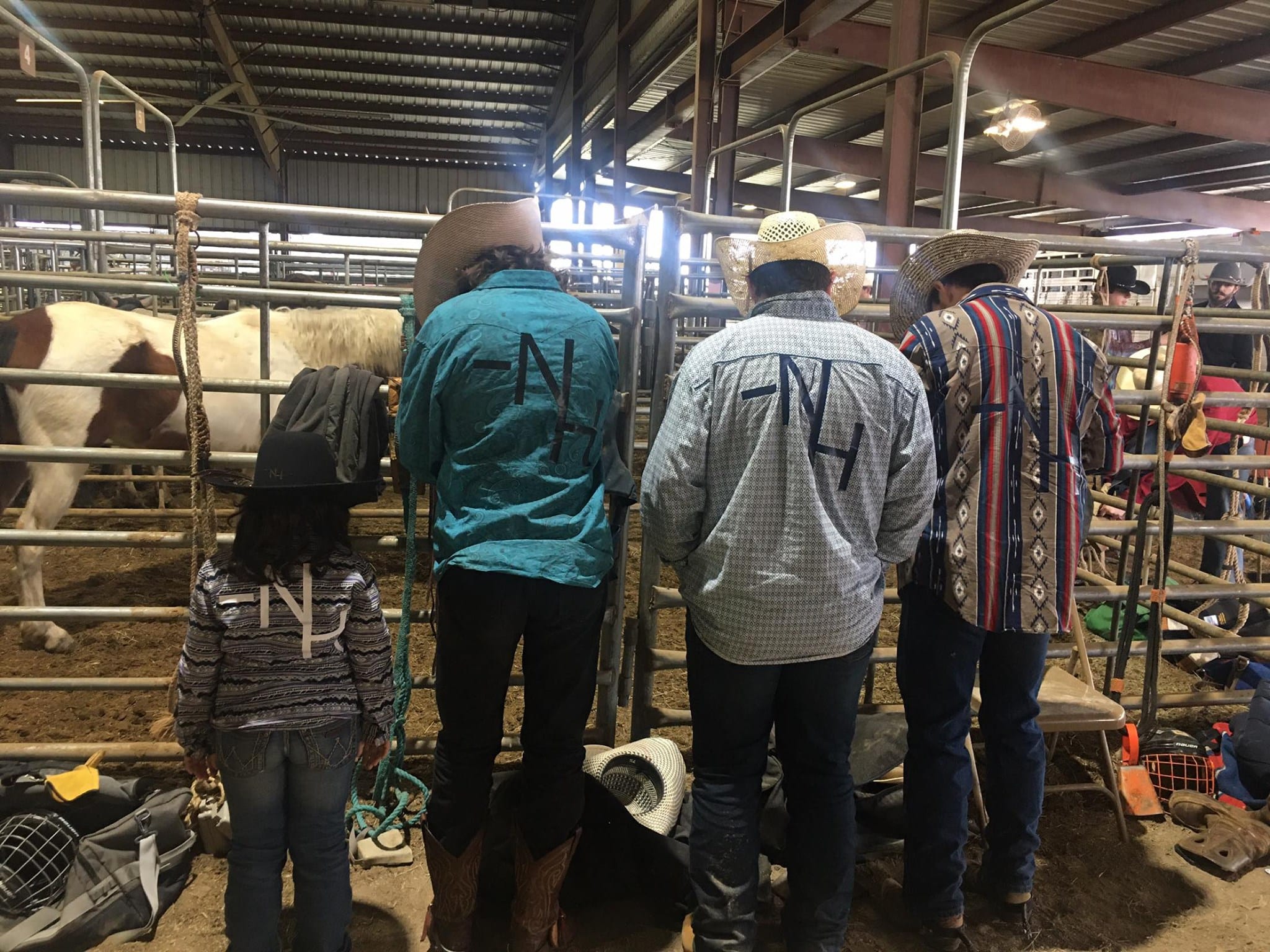
Emerging from the painful loss, family and friends rallying their support to ensure that the legacy of the young cowboy is never forgotten. From hoodies and caps, Hodge’s memory remains forever in the hearts and lives of those he touched.
On March 12, parents Joe and Brandie Hodge announced the purchase of the Hartford football stadium property. Plans were under way for the “Newt Hodge Memorial Arena.”
“This little town needs this and Newt loved Hartford and rodeo!”
-Brandie Hodge
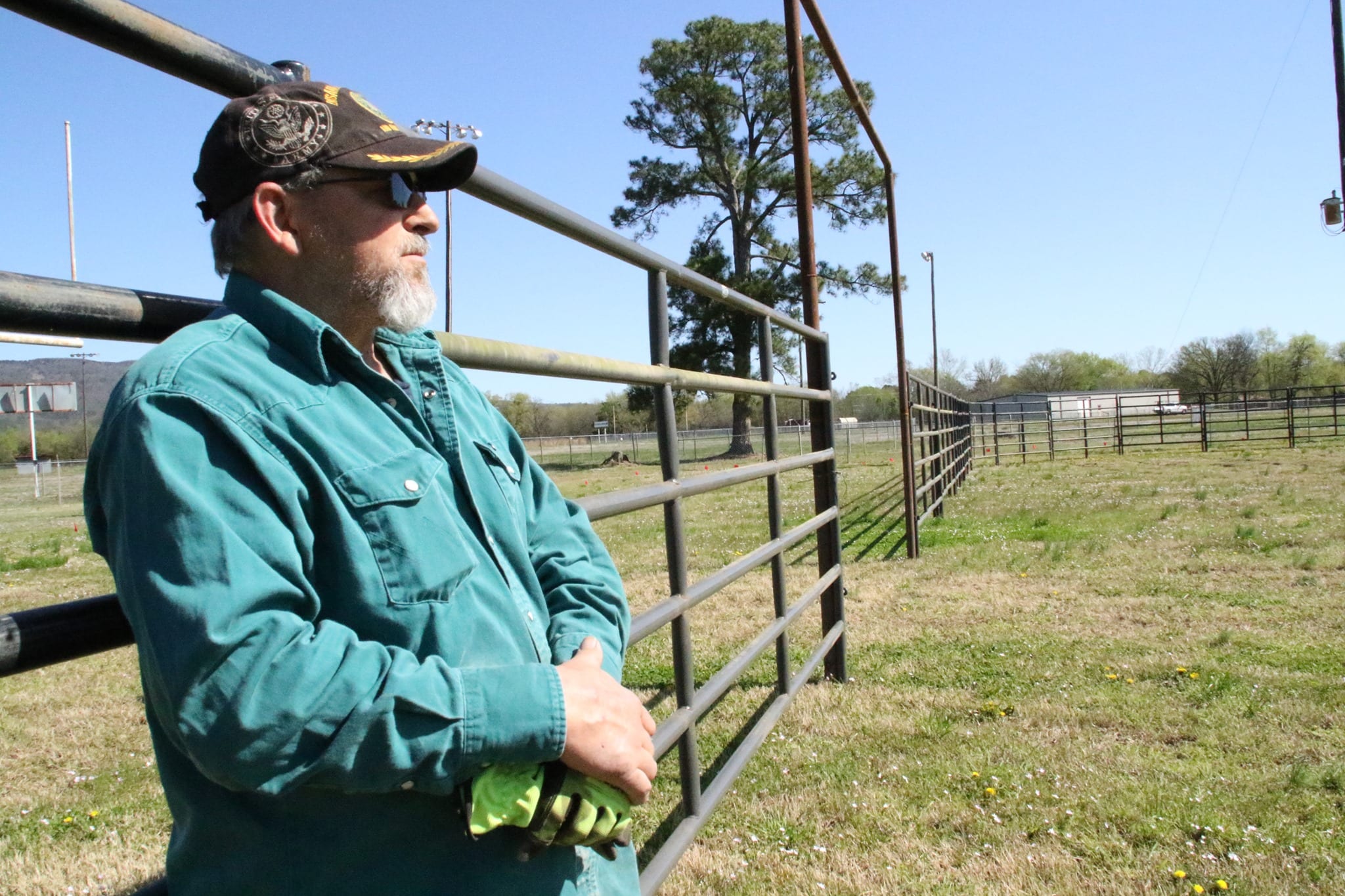
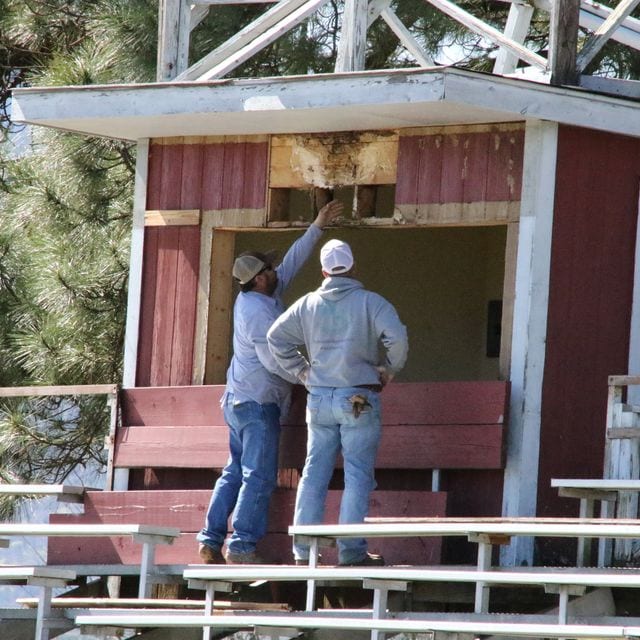
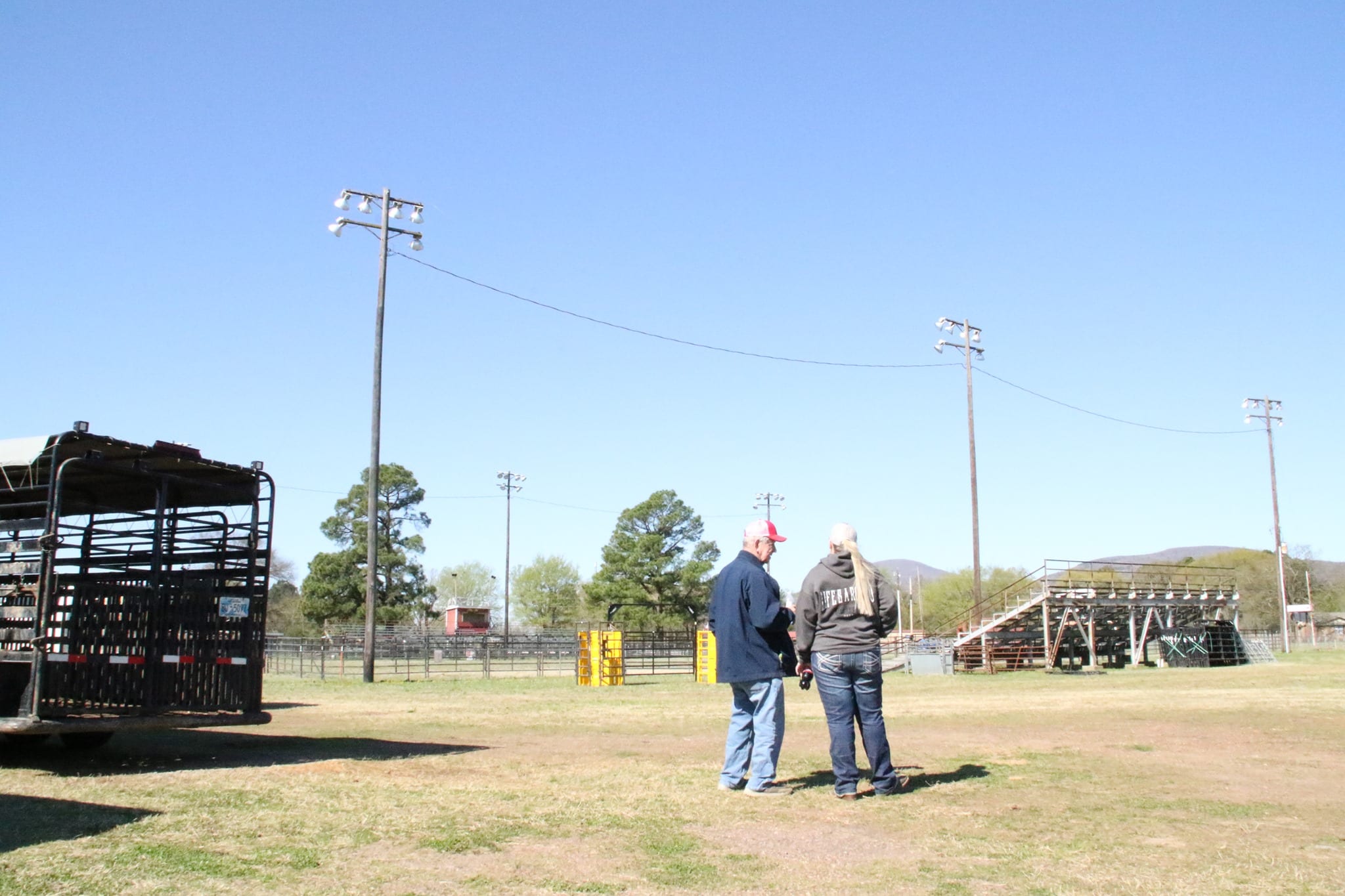
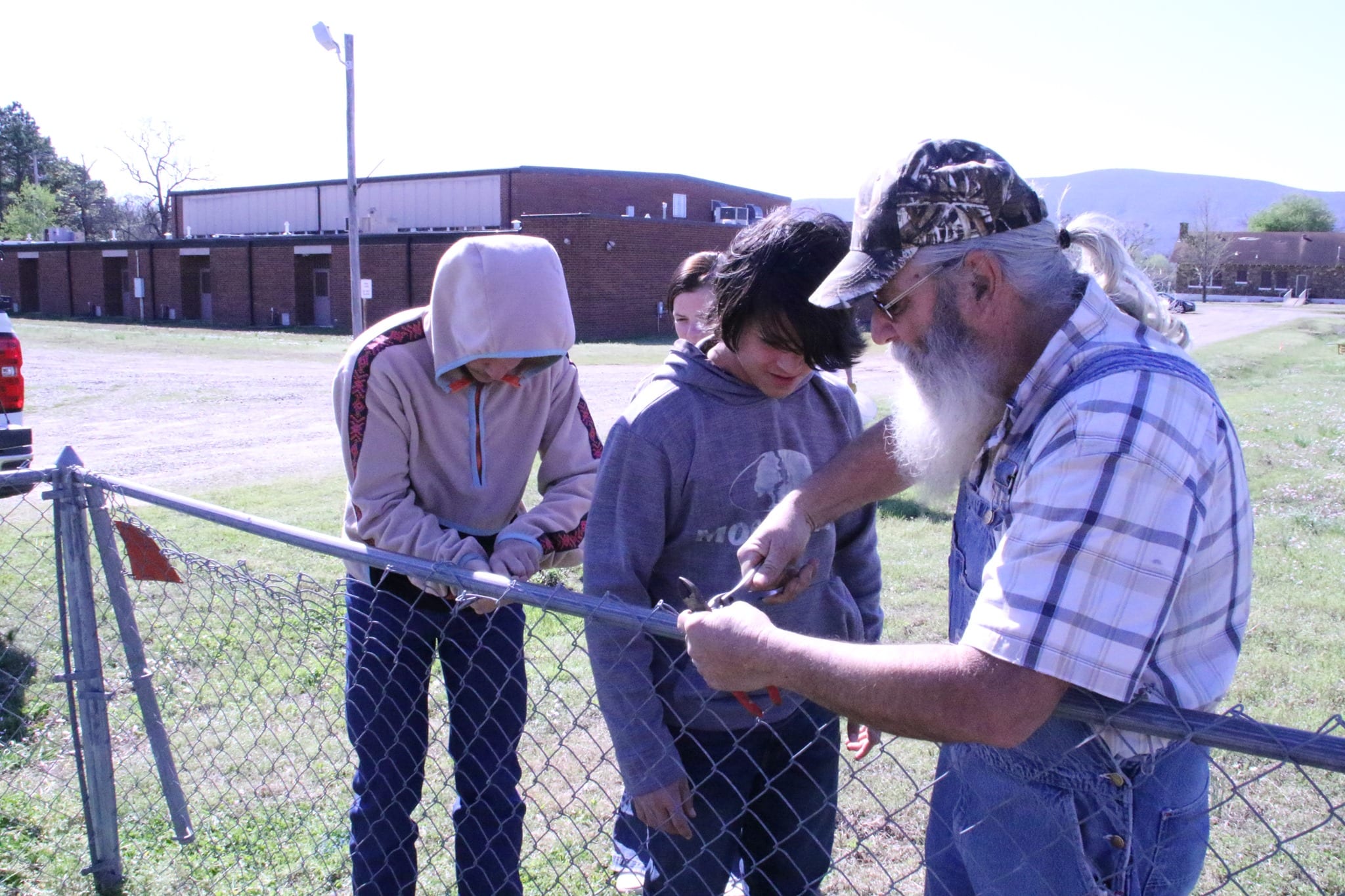
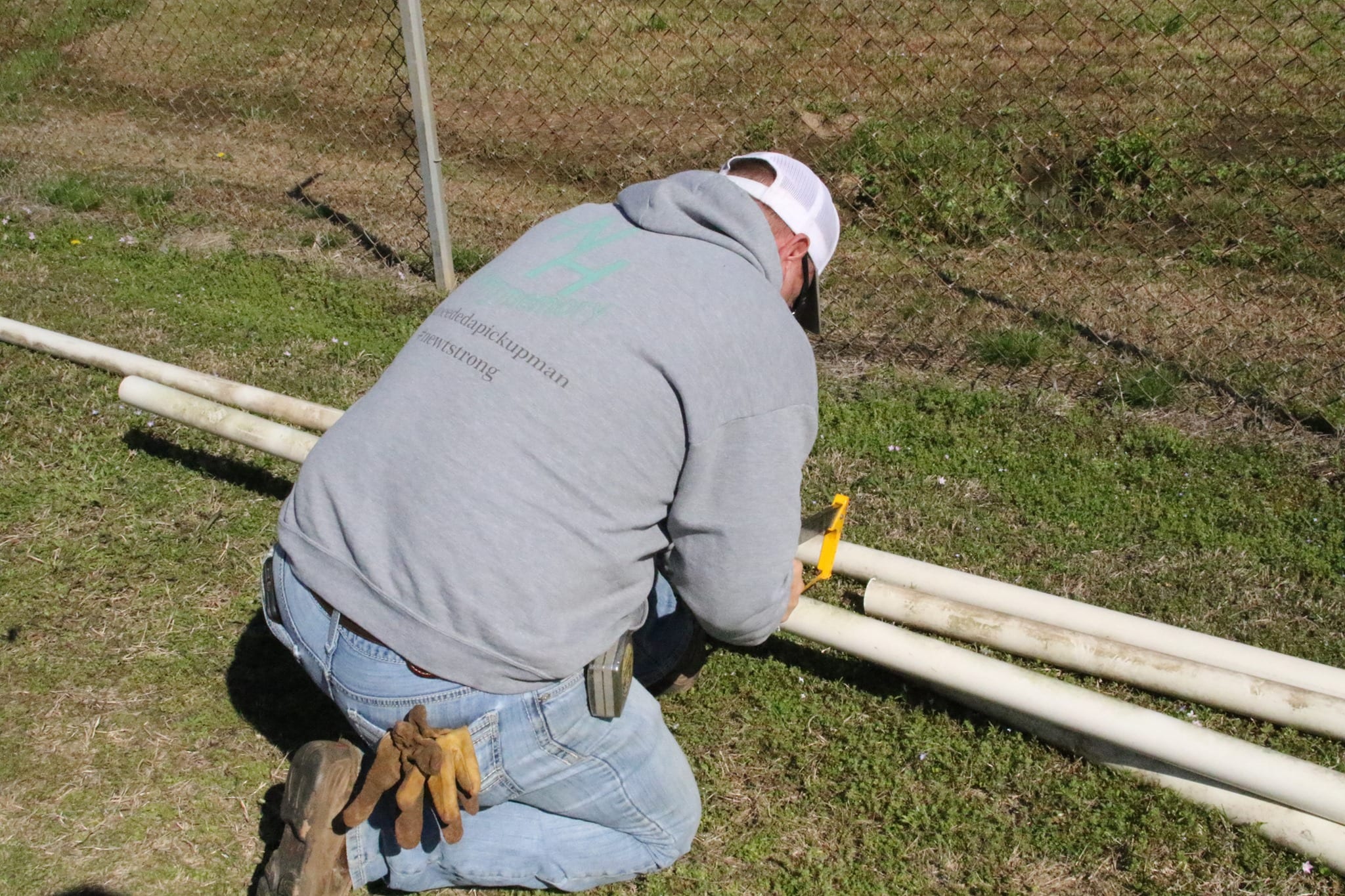
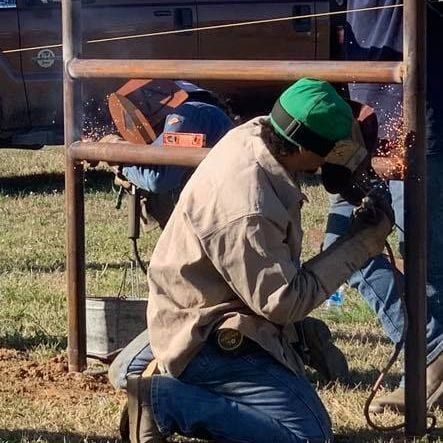
Work is already underway to transform the space. The community came together on Sunday, March 28 for a workday. Around 50 volunteers worked on the roping end of the arena and removed chain link fencing at the baseball and softball fields for parking.
Joe and Brandie Hodge were presented with an American flag to be flown at the Newt Hodge Memorial Arena.
The Hodges were presented with an American flag to be flown at the Newt Hodge Memorial Arena. “I wanna see it flying high in that arena,” the anonymous donor stated.
The family, who were extremely grateful for the assistance and turnout for the workday, finds comfort in the community’s support. “A new arena is in town…as Newt would say ‘let’s get it boys!'”
Wood furniture is a timeless classic that fits well in nearly any home. Whether you’re furnishing your first apartment or finally replacing some pieces you’ve carried with you for years, you’d be well advised to consider adding a quality piece of wood furniture to your collection. Learn how to buy quality wood furniture for your home in this article.
Know Your Wood
The first thing to know when shopping for wood furniture is that there are a variety of wood types out there, and the type of wood you choose will factor into the quality of the piece. The three main types of wood are solid wood, veneer, and particle board.
Solid Wood
Solid wood is made completely of natural wood and is the most durable, highest quality option. For this reason, it’s also the most expensive type.
Veneer
Veneer, sometimes called engineered wood, is made of a cheaper, manmade wood covered in a high quality upper layer of real wood veneer. Veneer wood has the appearance of solid wood but is less expensive due to its cheaper inner composition.
Particle Board
Particle board is made of small particles of wood and resin, sometimes coated in veneer, and is the cheapest option one could get. Because it is the lowest quality, it doesn’t last for more than a few years.
In addition to deciding on a type of wood, you will also need to consider the type of tree from which the wood is made since this will further determine the appearance and durability of the piece.
Examine the Construction
Next, examine the construction of the piece. Always check the joints of the furniture—are the separate pieces held together flimsily with glue or staples, or with a sturdy joint such as a dovetail joint? Check any hardware, like screws, that hold the wood together, and ensure their quality. Doing so will help you ensure that the piece will last for a long time.
Consider the Finish
While examining the construction, you should also examine the finish. Check that the furniture has been properly sanded and that the finish is complete, smooth, and expertly applied. The finish both impacts the appearance of the piece and how well it’s protected, so it’s important to consider. One furniture buying mistake that people often make is forgetting to consider how well a piece will fit with the style of their home. So, be sure to consider how the finish of the piece will fit with other pieces in your home.
Knowing how to buy quality wood furniture for your home will help you to invest in beautiful, sturdy, long lasting furniture that won’t need to be replaced down the line. Plus, quality wood furniture is widely available if you know where to look! Get started on your search for the perfect wood piece by checking out local thrift shops, estate sales, or furniture shops.
Beautiful public spaces are important to cities big and small. The super tall skyscrapers and bustling city streets on the island of Manhattan encircle Central Park, arguably America’s most famous park. The motto of the city of Chicago is Urbs in Horto, or “city in a garden.” Taking cues from their namesakes across the pond, dozens of New England towns are built around their village greens.
Smaller communities can benefit from well-maintained parks as well. With attractive and functional parks, cities can encourage residents, especially young people, to enjoy the great outdoors and take pride in what their communities have to offer. Consider presenting some of these ways cities can improve their parks to your local decision-makers.
Keep Playing Fields Maintained
There’s a certain sadness that comes from seeing an overgrown baseball diamond. It’s harder to beat out a throw to first with weeds growing through the basepath, and it symbolizes a certain neglect that can dissuade people from using the field. Cities should keep playing surfaces in playable condition. They can maintain the dirt on a diamond, mow the grass for soccer, or patch up cracks and wear on tennis courts.
Replace or Upgrade Fencing
Fences are important to define a park’s borders. The best fences marry form and function—they should serve their purpose to set off boundaries, but if a park is a local point of pride, the fencing stock should reflect that as well. Parks can benefit from fences as an aesthetic accent. If a cyclone fence displays wear after years of use, consider replacing it with a wrought iron fence that does the same job, but with clean lines and attractive ornamentation.
Make Trash Receptacles Available
Nobody likes littering. However, when people can’t find a garbage can, they may toss their garbage aside and let someone else worry about it. Outfit all public parks with garbage bins that are easy to find—this way, park users won’t face the temptation to litter.
Get the Community Involved
No one knows what the public wants for its parks better than the public itself. Solicit community involvement in exploring ways the city can improve its parks. Propose an open forum where residents can express their concerns and aspirations for their public spaces. If members of the community feel they have a stake in their parks, they’ll be sure to take pride in them.
The Mansfield Tigers baseball season is in full swing and off to a great start. Sitting with a 4-4 total record, the Tigers have shut down their opponents in the last two games. On March 16, Mansfield scored its first conference game win of the season against the Lavaca Golden Arrows. In almost a complete takeover, the Tigers walked away with a 16-1 victory with Mansfield holding the Arrows until the fifth inning. Scoring big for the Tigers was junior, Nate Brewer who earned 4 runs in the game. Freshman newcomer, Peyton Martin made 3 runs. Sophomore, Fisher Willsey, junior, Aaron Brewer, and senior, Randy Claude snagged 2 runs each. And with 1 run apiece was freshman, Trey Vaughan, sophomore, Drew Elmore, and senior, Cody Fudge. Fudge was also unstoppable in his fieldwork as he acquired 11 of the 15 total putouts in the game.
Braxton Byers
On March 18, the Tigers, who are coached by Layton Robinson, returned to play in the dirt this time against the Mountainburg Dragons. During this baseball extravaganza, Mansfield completely shutout the boys in blue with a 3-0 triumph. Junior, Zayne Dugan was a pitching powerhouse during this match-up delivering 108 pitches to 26 batters while making 64 strikes. The Tigers runs came from sophomore, Braxton Byers with 2 and Martin with 1. The Mansfield Tigers will be back in action on Monday, March 29 as they host the Acorn Tigers at 4 pm.
Arresting Agency – Mansfield Police Department: Billy Bob Allen of St. Franisville, LA was booked into the Sebastian County Detention Center on March 25 at 11:17 p.m. and remains at the SCADC. Allen was charged with failure to appear – class B misdemeanor, two counts of theft of property <$1k, possession of schedule VI controlled substance with the purpose to deliver >4oz., and possession of methamphetamine with intent to deliver Y felony, and as a fugitive from justice out of state.
Arresting Agency – Bonanza Police Department: Jacob Miguel Guzman of Fort Smith was booked into the Sebastian County Detention Center on March 23 at 1:41 p.m. and released to an outside agency on March 23 at 9:41 p.m. Guzman was charged with two counts of failure to appear – class B misdemeanors, and assist outside agency -felony.
Arresting Agency – Sebastian County Sheriff’s Office: Dennis Paul Isom of Huntington was booked into the Sebastian County Detention Center on March 27 at 10:30 p.m. and remains at the SCADC. Isom was charged with petition to revoke – felony.
Leann Ann Obar of Hackett was booked into the Sebastian County Detention Center on March 25 at 5:10 p.m. and released on legally sufficient bond March 25 at 11:02 p.m. Obar was charged with terroristic threatening in the second degree.
Arresting Agency – Fort Smith Police Department: Timmy Don Scrivner of Hartford was booked into the Sebastian County Detention Center on March 21 at 1:48 p.m. and remains at the SCADC as a parole on hold with charges. Scrivner was charged with failure to appear – class C felony, parole violation, absconding, contempt – willful disobedience (failure to pay fine), and petition to revoke – felony.
**The charges against those arrested are allegations and the cases are still pending in the courts.**
Selling your home can be a harrowing experience. The process of selling a house can sometimes be tiresome because of all the stages that are required before the deal is actually sealed. But keep in mind that taking these steps is beneficial to you since it will help you realize your home’s fullest value when prospective buyers come to see it. Here are a few things you must do.
Declutter Your Home
When you’ve lived in a particular home for an extended period of time, chances are you’ve collected a lot of belongings. Decluttering the home means that you carefully evaluate the items you own and choose what needs to go stay and what needs to go. Some people are quite ambitious and attempt to declutter the entire property in one day. However, it’s often more beneficial to slow down, take a breath, and take it one step at a time.
When you make the purge room by room, you’re more likely to do a better job of it and get the best possible results. Since most people aredoing this on a budget, use what you have to organize everything; for example, make use of simple things such as baskets, drawer dividers, bookshelves, and shoeboxes, among others.
Depersonalize Your Home
Everyone has their own personal taste when it comes to style and decor. However, when it comes to selling your home, it’s crucial todepersonalize the space to give prospective buyers an opportunity to see themselves in that space.
Therefore, you have to make the space as neutral as possible. This means some of the furniture, accessories, and artwork need to go. While most people think they have incredible taste in art, it might seem distasteful to others. Pulling down paintings might be painful to you, but it’ll keep you from turning away prospective buyers.
Stage Your Home for Photos and Open Houses
When selling a home, staging is perhaps the most important thing you can do. It helps the client see themselves living there and being comfortable. As such, you need to ensure that the house is showroom-ready before you start inviting anyone for an open house. The 2017 National Association of Realtors survey reported that staging has a strong influence on buyers. When staging, it’s crucial that you get rid of the clutter in the important rooms first.
If you think you don’t have the right furniture, you can always rent pieces to spice up the home. Since photos appear better in well-lit rooms, you should also consider going for a bright look. This means fixing light sources where necessary to give you the best look.
Research Other Homes for Sale
Since you might not be the only one considering selling in the area, visit other listings and see how they stack up against your own. Where you see they have done a better job, take it as inspiration and make it your own. Visiting these houses will also give you ideas on how you can effectively declutter, stage and depersonalize your home for better effect.
You can research available listings to give you a better idea of the price ranges in play so that you can better make your asking price more attractive to buyers. For example, if you look at homes for sale in Greenwood, you’ll see a variety of price points that vary by area. Remember to pay close attention to prices in your specific neighborhood.
When you do these things right, you’ll find that your home will have a much better chance of fetching the right price and not being on the market for extended periods of time. The process doesn’t have to be expensive. In fact, if you have the right stuff, it might not even cost you much. Creating a great first impression will go a long way in helping you make the sale.
Sometimes when my house is overwhelming I do a task that makes no sense. Cleaning the inside of my washing machine? I cannot remember if I have even ever done that. So today, instead of mopping or folding clothes which were both tasks on my to-do lists, I cleaned the washing machine that I hadn’t even thought to put on my to-do list.
Now if you have started thinking you too need to clean your washing machine, let me tell you how easy it is! Washing machines hold moisture, and therefore grow, well, ick. I didn’t snap a before picture of the inside of the agitator, but suffice it to say it was completely disgusting.
Adjust your settings to the hottest cycle for the largest load. Fill your washing machine and add 1 cup of bleach. As I was filling my washer I used a tooth brush to clean around the top rim, which is optional but worth noting. Let bleach water soak in machine for approximately an hour before running cycle.
Once your washing machine has finished washing with the bleach, refill and repeat with 2 cups of distilled white vinegar. Vinegar is excellent for removing any mineral deposits and scum left behind by detergents.
If you aren’t a fan of bleach, hydrogen peroxide can be used in its place. If your washer comes with a detergent tray remove and sanitize it after your second wash.
Getting a clean washing machine is an easy chore to complete. When you rely on something to clean for you, make sure you are properly cleaning it!
AGFC Biologists and anglers are working together to stock the Beaver Lake nursery pond with adult crappie. An easy way to get large numbers of fish is by working crappie tournaments. AGFC Fisheries staff will be collecting adult fish over the next week.
The adult fish will be stocked into the nursery pond and the fish will spawn. The small crappie will be able to grow out in a predator-free environment, at which they will be released into Beaver Lake. The pond is also fertilized to produce food (zooplankton) for the small crappie to eat. AGFC has used this pond since the mid-’80s to stock Beaver Lake.
Meanwhile, AGFC Fisheries staffers in west-central Arkansas have been collecting brood stock for the Lake Dardanelle and Lake Hinkle nursery ponds. The Lake Dardanelle nursery pond is being stocked with a combination of adult black and white crappie. These adult crappie will spawn in the pond and produce fry. The fry will grow into 4- to 6-inch fingerlings that will be harvested and stocked into Lake Dardanelle in November. This stocking will supplement the 2021 year class of crappie naturally produced in the lake. Crappie produced from this year’s crop should reach legal size (10 inches) in 2023.
The Lake Hinkle nursery pond is being stocked with a combination of bluegill and redear sunfish. Like the crappie in the Dardanelle pond, these adult fish will also spawn in the pond. The fry produced will grow to two-inch fingerlings that will be released into Lake Hinkle in November. These fingerlings will make excellent forage for larger predators (especially largemouth bass) and provide panfish anglers with additional fish to catch.
Remember that beginning next Thursday, April 1, boaters and anglers who use federal waters in Arkansas (as well as out of state) need to be aware of a new federal law that goes into effect that day. The law requires the operator of a boat to wear a link to the boat’s Engine Cut-off Device. The law applies to motored recreational vessels with 3 hp or more that is less than 26 feet in length.
Engine Cut-off Devices are critical safety features on a boat that can help prevent fatalities if the boat operator were to be ejected or fall overboard. The new law applies to all federal waters; In Arkansas, this includes U.S. Army Corp of Engineer reservoirs and the Arkansas, White, Red, Ouachita, and Mississippi Rivers.
Chuck Long AGFC Northeast Regional Educator, Jonesboro
Lists are commonplace in our society; shopping lists, to-do lists and wish lists are found in most every household. Most lists are met with anxiety, but there is a list that each Arkansas angler should try to keep: an Arkansas fish list.
A fish list keeps up with species as an angler first catches them. It encourages the angler to broaden horizons and seek fish in a variety of waters, improving their knowledge. Lists also spark the use of different techniques from live bait to artificial lures.
With more than 200 species of fish in Arkansas, so another key ingredient to a fish list is the ability to identify species. Though many can be quickly identified by an internet search, a good book can be invaluable in the identification process. The AGFC offers the Arkansas Fish Pocket Guide as a download or printed publication for free. For those willing to spend a few dollars, “Fishes of Arkansas” from the University of Arkansas press is the gold standard in fish identification.
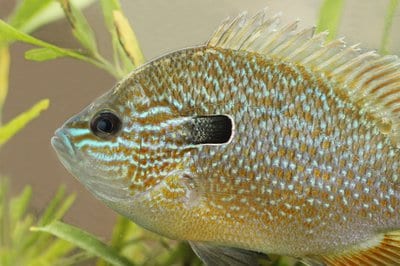
Some of the first fish to fill an angler’s list often are bream species. Bluegill, redear sunfish and green sunfish can be caught in a variety of waters. Though most sunfish are common, this group of fishes produces some obscure species like the flier, a small sunfish often confused with a bluegill. This group can also produce some fish that are only found in certain types of waters. The shadow bass and Ozark bass, for example, will be found primarily in clear mountain streams.
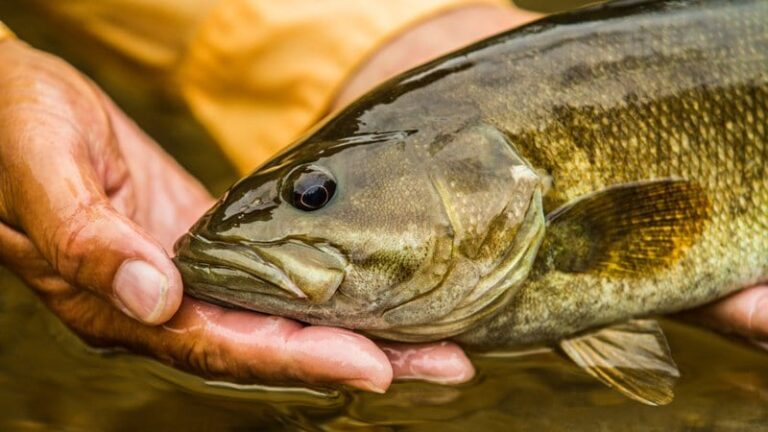
Largemouth bass are easy to add to the fish list, but smallmouth and spotted bass will need to be sought in certain waters. Some bodies of water, like Greers Ferry in central Arkansas and Beaver Lake Bull Shoals Lake and the Kings River in northwest Arkansas all have the potential to produce all three in single outing.
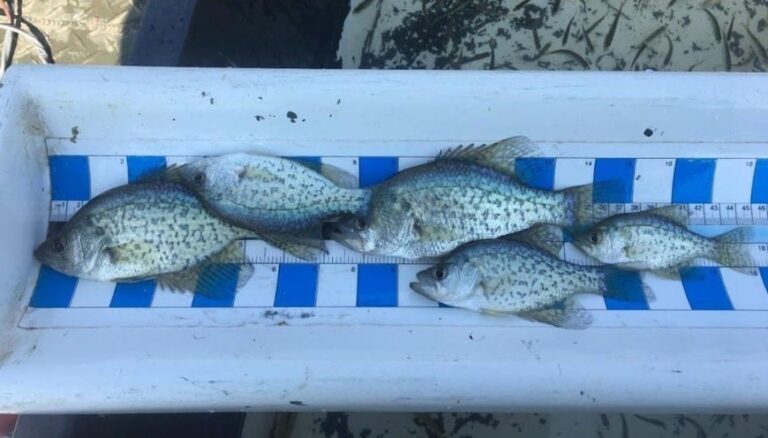
Both black and white crappie can be found throughout the state. A quick count of the dorsal spines will distinguish the species with the white crappie having six spines while the black crappie will have seven or eight.
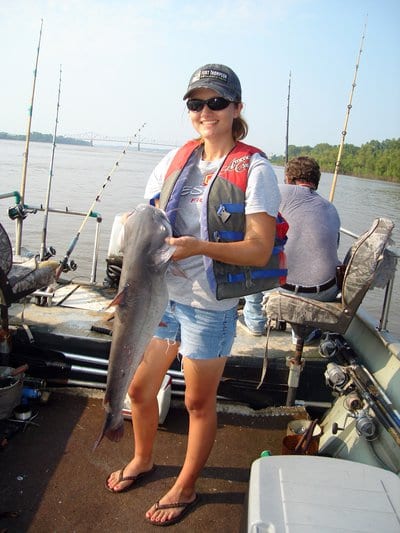
Fishing for catfish can add several species to the list for anglers who adventure to various types of waters. The more common catfishes, the channel, flathead, and blue can be caught in most lakes and rivers. The channel will be the most accessible and is the fish most often stocked for fishing derbies by the Arkansas Game and Fish Commission. The blue and flathead are more often found in flowing waters, though some lakes boast good populations of each. Three species of bullheads also live in Arkansas: the black, brown and yellow. Identification will be a key to determine exactly which species is at the end of the line.
Introduced to Arkansas after the construction of dams on major rivers, trout can be found in several rivers flowing with cold water. The rainbow trout is the most often stocked species, and can even be found in Family and Community Fishing Lakes in winter. Brown, cutthroat and brook trout also can be found in the tailwaters of dams forming some Arkansas lakes, but are not as prevalent as rainbows. Bull Shoals and Norfork tailwaters offer the opportunity to catch all four species on one fishing trip. Additional stockings of tiger trout (a brown/brook trout hybrid) and golden rainbows (a rare color variation of the common rainbow trout) add even more flavor to Arkansas’s trout waters.
White bass can be found in many rivers as they make their spawning run in early spring. Striped bass are a little harder to target but can be found in some of Arkansas’s larger lakes, such as Lake Ouachita, Beaver Lake and Lake Dardanelle. The hybrid striped bass, a cross between the white and striped bass, have been stocked in a couple of lakes as well.
Walleye and sauger are found in many bodies of water across the state, but often require specific tactics. These fish are often found near the bottom of flowing rivers and can be tempted by a jig tipped with a minnow.
There are a host of other fishes that can be added to the fish list. While not as popular as sport fish, many “rough fish” have much more potential than anglers give them credit. Grinnel (bowfin) are found in backwaters across the state, put up an amazing fight and are eager to take most bass lures, especially spinnerbaits. Freshwater drum are easily caught in most rivers on worms or crawdads as they make their spawning run.
The gars of Arkansas offer an interesting challenge. Spotted gar are the smaller species and are found in more quiet waters. Likely to take a crappie jig or minnow, these fish are easy to find and catch. The same can be said for the longnose gar and it can be found in a wider range of areas than the spotted gar. The shortnose gar is typically found in the larger river systems of the state. Often confused with a spotted gar, the shortnose lacks spots on top of the head. The alligator gar has the title of the largest fish in Arkansas and is found mainly in large rivers. Big baits and big tackle are keys to taking alligator gar.
There are several types of suckers that inhabit the waters of Arkansas. These fish, as well as many other species, are best sought with a worm fished on the bottom. The redhorse species are most often caught, but the buffalo species will also occasionally be taken. Once again, fish identification is critical in adding species to the list.
Chain and grass pickerel can be taken from a few bodies of water in Arkansas and look very similar. The chain pickerel is larger and more abundant. The shovelnose sturgeon and paddlefish are found in many Arkansas rivers and can be incidental catches while targeting other species.
For specific ideas on the wheres and hows of fishing in Arkansas, please check agfc.com. Rules and regulations vary depending on waterbody, so check those. Also check out the Virtual Nature Center and Arkansas Game and Fish Commission YouTube channel for videos on fishing in Arkansas.
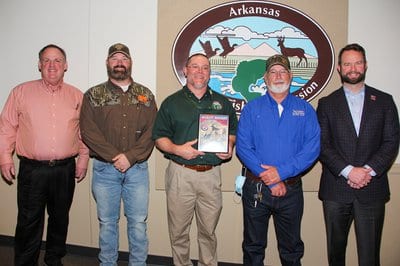
LITTLE ROCK — Two Arkansas Game and Fish Commission employees were given awards from the Arkansas chapter of the National Wild Turkey Federation at the AGFC’s March 18 meeting, held in Little Rock. Sgt. Chris Majors from Calico Rock and Jason Mitchell from Mena were both presented annual awards for their work toward wild turkey conservation in The Natural State.
Sgt. Majors received the Arkansas NWTF Wildlife Officer of the Year Award, presented by Chris Hinkle and Terry Thompson of the NWTF. Hinkle has been a wildlife officer for the AGFC for more than 23 years, all of which were in Baxter County, which encompasses three wildlife management areas and hundreds of thousands of acres of hunting opportunities for wild turkeys and other game.
“Chris has been a pillar in his community, going above and beyond what the job of Wildlife Officer entails,” Hinkle said.
In 2020 alone, Majors logged more than 150 hours of turkey hunting enforcement on both public and private property, resulting in 17 citations ranging from hunting on private property without permission to hunting without a permit. He also made many more contacts with hunters in the field to promote ethical sportsmanship and enjoyment of Arkansas’s natural resources. Majors was involved with 105 combined warnings and citations last year.
A hunter himself, Sgt. Majors has assisted many hunter and angler recruitment efforts in Izard, Baxter and Stone counties, instructing young hunters on firearms training, hunter education and other outdoor classes, including a youth workshop on building turkey calls.
Mitchell, an AGFC wildlife biologist in Mena, received the Arkansas NWTF Wildlife Manager of the Year Award, also presented by Hinkle and Thompson. Mitchell has worked for the AGFC for 20 years. He worked at the Joe Hogan State Fish Hatchery in Hot Springs, rising to the level of assistant hatchery manager before transferring to his current position in the AGFC’s Wildlife Management Division. He works on Caney Creek and Muddy Creek WMAs, two large management areas owned by the USDA Forest Service and managed under a cooperative agreement between the Forest Service and the AGFC.
“Jason spends a lot of days in the field, enjoys what he does and has a passion for what he does,” Hinkle said. “He is an avid turkey hunter and outdoorsman.”
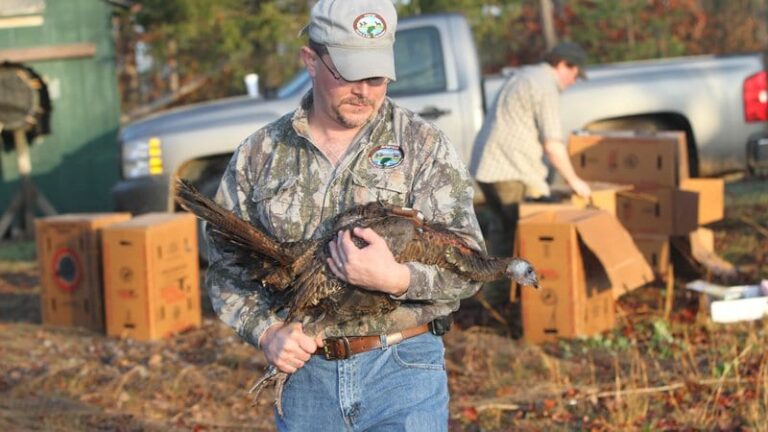
Since 2016, Mitchell has assisted research efforts trapping and outfitting turkeys with radio-tracking equipment to determine harvest and survival rates of jake turkeys following the AGFC’s “no jake harvest” rule. Mitchell has logged more than 1,000 hours since 2016 from January through February in trapping efforts for the research.
He also identified additional avenues for turkey habitat improvements on Muddy Creek WMA that led to a cooperative stewardship agreement that will improve approximately 4,000 acres on the area.
In addition to all the work Mitchell has completed for turkeys, his work also is essential to Arkansas’s black bear program and monitoring for chronic wasting disease to track how far into the state the disease has spread.
“He may be handling a nuisance bear one day and participating in a controlled burn the next in the Ouachita Mountains,” Hinkle said.
The NWTF — a national nonprofit organization — is the leader in upland wildlife habitat conservation in North America. Founded in 1973, the NWTF is headquartered in Edgefield, S.C., and has local chapters in every state. The NWTF is dedicated to the conservation of the wild turkey and the preservation of our hunting heritage. Through vital partnerships with state, federal and provincial wildlife agencies, the NWTF has helped restore wild turkey populations throughout North America — from a mere 30,000 in the entire United States to more than 7 million across the United States, Canada and Mexico.